Estonia Cultural Guide: Etiquette, Customs, and Tips
Essential do's and don'ts, greeting customs, dress codes, local phrases, and cultural tips for Estonia.
By Hello Travel Team
This article contains affiliate links. If you book through them, Hello may earn a commission at no additional cost to you. Our editorial recommendations are independent. Learn more.
TL;DR: Estonia Culture, Etiquette, and What Travelers Should Know
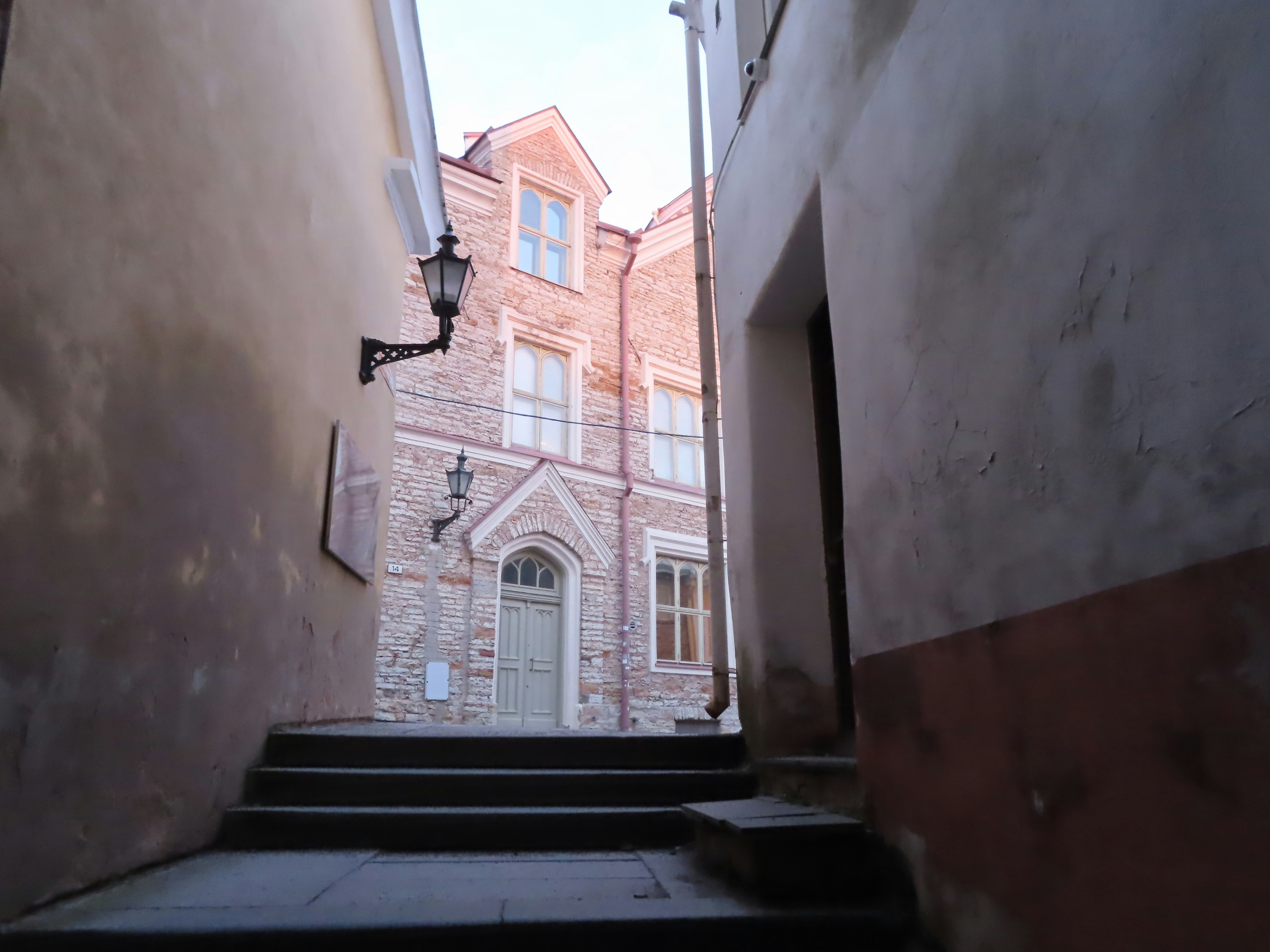
Estonia’s culture is polite, reserved, and practical, so the safest approach is to be respectful, low-key, and prepared. For Estonia etiquette, greet people with a firm handshake, keep your voice moderate in public, and dress neatly for churches and formal settings; in Tallinn’s Old Town, for example, locals appreciate visitors who stay considerate and avoid loud behavior in quiet courtyards. Estonia customs also tend to value personal space and punctuality, so arriving on time matters in social and business situations. If you want smooth travel days, an eSIM from Hello can help you stay connected for maps, translation, and booking confirmations without hunting for Wi‑Fi, especially on arrival in Tallinn or Tartu.
Estonia Etiquette: Do’s and Don’ts for Everyday Social Situations
The core rule in Estonia is simple: be polite, direct, and not overly familiar unless invited. Estonians often prefer straightforward communication, so a calm, sincere tone usually works better than big gestures or overly chatty small talk. Do say thank you, wait your turn in queues, and respect silence in shared spaces like trams, cafés, and museums. Don’t interrupt, brag, or assume strangers want to talk just because you are being friendly. In practical terms, this matters everywhere from Tallinn’s cafés to ferry terminals and train stations. When in doubt, observe first and match the energy of the room. A useful Estonia dos and donts list for travelers is: do be punctual, do remove your shoes if invited into a private home, don’t touch people casually, and don’t raise your voice in disagreement. If you are splitting costs with friends while traveling, Hello’s app can also help track shared expenses and convert currencies automatically, which is handy on multi-stop trips across the Baltics.
Greeting Customs in Estonia: Handshakes, Names, and Basic Local Phrases
A handshake and a simple greeting are the standard way to start conversations in Estonia. In formal and semi-formal settings, say “Tere” for hello and use surnames or titles until people invite you to switch to first names. Estonians may seem reserved at first, but that is usually a sign of politeness rather than coldness. On arrival in a guesthouse, shop, or business meeting, a calm greeting is the best opening. If you want to show effort, learning a few local phrases goes a long way: Tere means hello, Aitäh means thank you, Palun means please/you’re welcome, and Vabandust means excuse me/sorry. Many people in Tallinn speak English well, especially in tourism areas, but using even one or two Estonian words is appreciated. For travelers relying on translation apps, an eSIM from Hello can be useful for instant mobile data, particularly when you are navigating bus stops, booking rides, or checking opening hours on the go.
Dress Codes in Estonia: What to Wear for Cities, Churches, and Formal Visits
Dress in Estonia is generally understated, clean, and practical, with style tending toward neat rather than flashy. In everyday settings such as Tallinn’s cafés, museums, and shopping streets, smart-casual clothing is usually perfect, and comfortable shoes are essential for cobblestone streets in the Old Town. Religious sites call for more conservative dress: shoulders and midriffs should be covered, hats removed indoors, and loud or beachwear-style outfits avoided. If you are visiting a concert, theater, or upscale restaurant, opt for polished layers rather than highly casual clothes. Estonia’s weather also affects what people wear, since winters can be cold and windy; locals often dress in functional layers, waterproof outerwear, and boots, especially from November through March. A helpful rule is that if you would wear it to a beach or gym, it is probably not appropriate for a church, memorial, or formal dinner. In 2026, a decent casual meal in Tallinn might cost about €12–20, while a nicer dinner can run €25–40 per person, so dressing appropriately helps you blend in at venues where the service and setting are more refined.
Photography Rules, Local Holidays, and Travel Times That Affect Your Plans
Photography is usually welcome in public spaces, but you should always ask before photographing people, interiors, or ceremonies. In Estonia, the most common mistake is taking pictures in places where quiet respect matters, such as churches, memorials, or private gatherings; signage should be followed closely, especially in museums and religious sites. National and public holidays can also affect travel plans, with many smaller shops and services closed or operating reduced hours around Christmas, New Year, Independence Day on February 24, Victory Day on June 23, and Midsummer around June 23–24. If your itinerary includes Tallinn’s museums, island ferries, or day trips to places like Lahemaa National Park, check opening times in advance because holiday schedules can be limited. Estonia receives roughly 3 million international visitors a year in recent years according to the national tourism authorities, and popular weekends in Tallinn can feel busy even though the country itself is not overcrowded. If you need last-minute schedule changes, booking confirmations, or transit updates while moving between sights, Hello’s connectivity tools can save time and reduce stress.
Business Etiquette and Gift-Giving Customs in Estonia
Business culture in Estonia is professional, punctual, and efficient, so meetings should begin on time and get to the point quickly. Handshakes, clear eye contact, and concise communication are standard, and over-selling or excessive formality is usually less effective than being prepared and factual. Business cards may be exchanged, but they are not theatrical; what matters more is competence and reliability. For gift-giving, keep things modest and thoughtful rather than expensive. If you are invited to someone’s home, a small gift such as flowers, quality chocolate, or a bottle of wine is generally appropriate, but avoid giving an even number of flowers because odd numbers are traditionally preferred for celebrations. It is also considerate to remove outdoor shoes if your host does so. In restaurants or taxis, small tips are appreciated but not always mandatory; rounding up or leaving around 5–10% for good service is common in many situations. For travelers using shared budgets, Hello’s expense-splitting and budget tracking features make it easier to keep track of dinners, taxis, and group purchases without awkward math at the table.
Common Questions About Estonia Culture, Customs, and Travel Etiquette
Is Estonia a formal country for travelers? Estonia is not overly formal, but it is definitely more reserved than many warm-chatty travel destinations, so polite, direct, and calm behavior works best.
What should I not do in Estonia? Don’t speak loudly on public transport, don’t touch strangers casually, don’t assume everyone wants small talk, and don’t take photos where signs or staff say not to.
Do people in Estonia speak English? In Tallinn and other major travel areas, many people speak good English, but learning a few Estonian phrases such as “Tere” and “Aitäh” is still appreciated.
What is the most important Estonia etiquette tip? Punctuality matters. Arrive on time for tours, dinners, meetings, and any home invitation, because lateness can read as disrespectful.
When should I be extra careful with dress or behavior? In churches, memorials, formal restaurants, and at business meetings, keep clothing neat and behavior quiet. For day-to-day sightseeing, practical and tidy clothes are enough.
Explore These Destinations
Stay Connected
Book this trip
Compare options on trusted travel sites
Plan activities for this trip
Continue to a reviewed booking partner to check schedules, inclusions, and terms.

Make the most of Estonia
From eSIM connectivity to expense tracking, Hello is the all-in-one companion that keeps your trip stress-free.
Related Articles
Estonia Currency & Money Guide: Exchange, Cards, and Tips
Currency exchange, credit card acceptance, ATM tips, tipping culture, and money-saving advice for Estonia.
26 July 2026
Estonia Safety Guide: Tips for a Safe Trip
Safety tips, health advisories, emergency contacts, common scams, and travel insurance advice for Estonia.
17 July 2026
Estonia Visa & Entry Requirements for Singapore Passport Holders
Visa requirements, passport validity, customs allowances, and entry tips for Singapore citizens travelling to Estonia.
8 July 2026