Estonia Safety Guide: Tips for a Safe Trip
Safety tips, health advisories, emergency contacts, common scams, and travel insurance advice for Estonia.
By Hello Travel Team
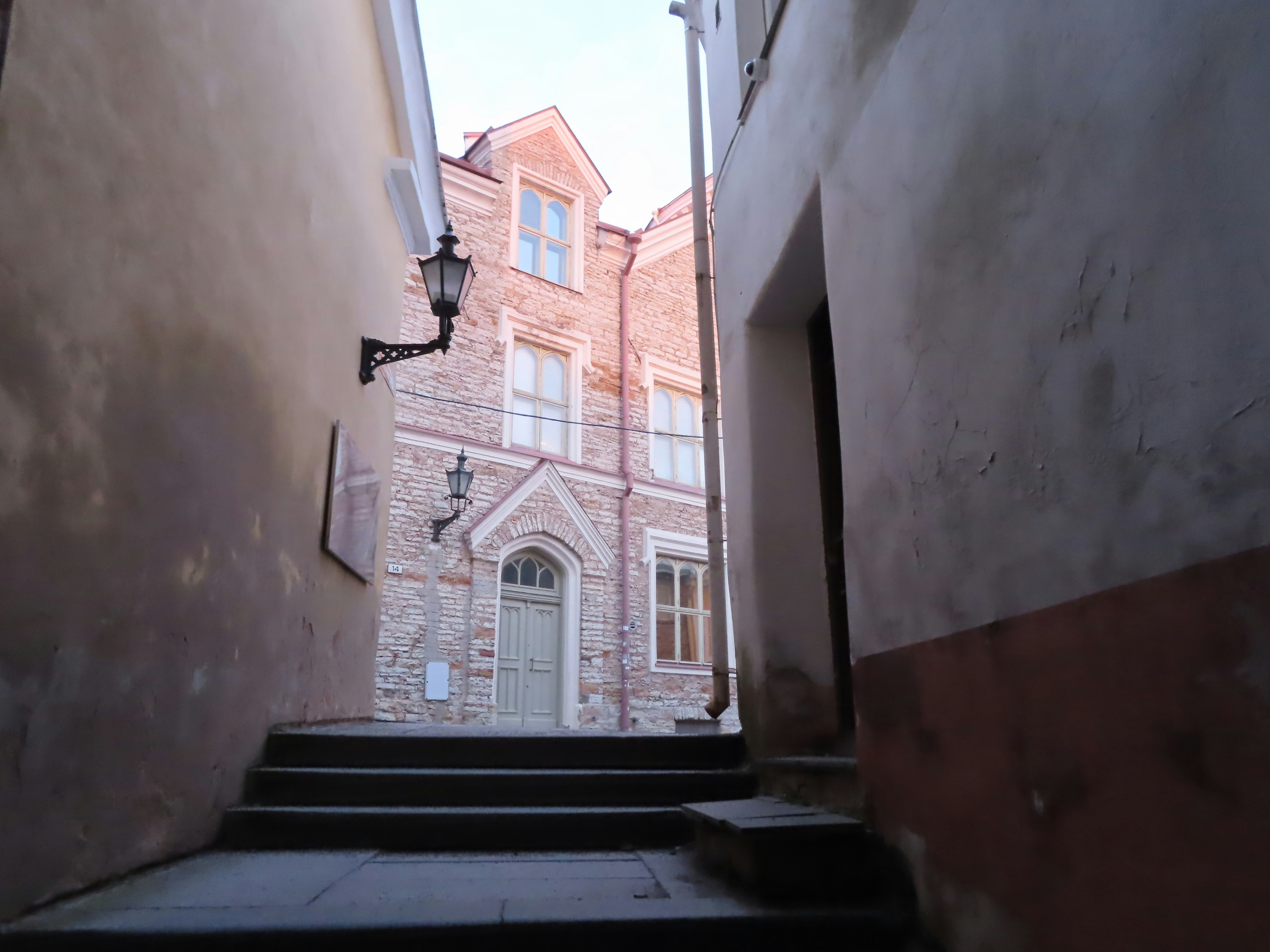
TL;DR: Is Estonia Safe for Travelers?
Estonia is widely considered a very safe destination with low violent crime, reliable public services, and modern healthcare, making it a comfortable choice for most travelers, including solo and LGBTQ+ visitors. Government advisories from the US, UK, Canada, and others all classify Estonia as a low-risk, Level 1 “exercise normal precautions” destination.
If you’re wondering “is Estonia safe?”, the short answer is yes: most trips are trouble‑free, especially if you follow basic city travel habits like watching your bag in Tallinn Old Town and steering clear of very drunk crowds late at night. Estonia has a travel safety score of about 7.8/10 and is ranked among the safer countries globally, according to independent risk indices as of 2026.
The main things to be aware of are petty theft in touristy areas, occasional taxi or bar overcharging, slippery winter streets, and ticks in rural or forested areas in warmer months. Emergency services are easy to reach via 112 for police, fire, or ambulance, and tap water is safe to drink throughout the country.
Use common sense, consider travel insurance, and stay connected with an eSIM from Hello so you can access maps, translate signs, and call emergency services if needed. With that, Estonia travel safety is more about staying informed than being worried.
Overall Estonia Travel Safety: Crime, Risk Levels & Local Reality
Estonia is generally very safe for tourists, with low violent crime, professional police, and a national emergency number (112) that works across the country, making it comparable to or safer than many popular European destinations in terms of everyday risk.
According to the US State Department’s travel advisory, Estonia is rated at Level 1 – Exercise normal precautions, the lowest risk level in their system, while similar guidance from the UK and Canada also describes Estonia as safe with mainly petty crime concerns in busy tourist areas. Independent safety indexes give Estonia a travel safety score of about 7.8/10 and classify it as a “low risk” destination, ranking it comfortably among the safer countries worldwide as of 2026.
For most visitors, the main issues are:
- Pickpocketing and bag-snatching in Tallinn Old Town and during summer events in places like Tartu
- Occasional overcharging in bars or taxis around nightlife zones
- Slips and falls in winter when sidewalks and cobblestones get icy
Violent crime against tourists is rare, and Tallinn is often described as one of Europe’s safer capitals, with low property crime and very low homicide rates. Police response is generally professional, and rule of law is strong.
To keep your Estonia travel safety experience smooth, keep your valuables zipped, avoid obviously drunk groups after midnight in club areas, and save the emergency number 112 in your phone. Staying connected with a Hello eSIM also helps you navigate safely at night and check public transport options in real time.
Common Scams in Estonia and How to Avoid Them
Most visitors to Estonia never encounter serious scams, but petty scams and overcharging can happen in busy tourist zones and nightlife areas, especially around Tallinn’s Old Town and main bar streets late at night.
The most common Estonia scams tend to be low‑level but annoying rather than dangerous:
- Pickpocketing & bag snatching – Particularly in crowded squares, markets, and festivals in Tallinn and Tartu, especially in summer. Keep your phone in a front pocket, use a cross‑body bag, and avoid leaving bags on chair backs.
- Overpriced bars or surprise bills – You might be steered into an expensive bar by overly friendly strangers, then face an inflated bill. Check drink prices before ordering, stay with venues that display clear menus, and walk away if staff are pushy.
- Taxi overcharging – While ride‑hailing apps are popular, some street taxis may overcharge tourists near ports or nightlife zones. The safest options are licensed cabs with clear price cards and pre‑set tariffs; always confirm that the meter is running.
- Card skimming or “helpful” strangers at ATMs – Use ATMs inside banks or shopping centres and cover your PIN. Decline unsolicited help.
A good rule of thumb: if someone you just met pushes you toward a specific bar, taxi, or “great deal,” politely decline and walk away. Having mobile data via an eSIM from Hello makes it easier to check taxi routes on a map, review bar ratings, and call 112 if something feels off.
Here’s a quick comparison of common Estonia scams and simple prevention tips:
| Issue / Scam Type | Where It Happens | How to Avoid It |
|---|---|---|
| Pickpocketing | Tallinn Old Town, festivals, buses | Keep bag zipped, valuables in front, stay aware |
| Overpriced bars | Nightlife streets near Old Town | Check menu, avoid pushy hosts, pay as you go |
| Taxi overcharging | Ports, bus stations, late-night areas | Use licensed cabs, confirm meter, avoid unmarked |
| ATM “assistance” offers | Outdoor ATMs near tourist zones | Use indoor ATMs, cover PIN, refuse help |
Emergency Numbers, Healthcare & Embassy Support for Travelers
Estonia has reliable emergency services and modern healthcare, and the single European emergency number 112 connects you to police, ambulance, or fire from anywhere in the country, including Tallinn, Tartu, and smaller towns.
Across Estonia, dial 112 (no country code) for:
- Police
- Ambulance/medical emergencies
- Fire and rescue
This number is free from mobile and landline and can usually be answered in Estonian, Russian, and English. Some older guides mention a separate police line like 110, but Estonia has consolidated to 112 nationwide.
Healthcare is generally of good European standard, especially in Tallinn. For non‑life‑threatening issues, you can visit a private clinic; consultation fees might range from around €40–80 in 2026, depending on the facility and service. EU/EEA citizens can use their European Health Insurance Card (EHIC), but non‑EU travelers will need travel insurance to avoid high out‑of‑pocket costs for emergencies or hospital stays.
If you’re a Singaporean traveler, Estonia does not host a resident Singapore embassy. Assistance is usually provided via regional missions (for example, a Singapore embassy in a nearby EU capital) or through honorary consuls; check the latest details with Singapore’s Ministry of Foreign Affairs before departure and save their emergency contact in your phone.
Before your trip, note down:
- 112 – all emergencies
- Your travel insurer’s 24/7 hotline
- Your home country’s embassy or consular emergency number in the region
Using Hello’s trip-planning and note features, you can store these key contacts alongside your itinerary so they’re accessible offline when you need them most.
Health, Vaccinations, Tap Water and Outdoor Safety in Estonia
Health risks in Estonia are generally low, with safe tap water, good hygiene standards, and no endemic tropical diseases, but you should still consider routine vaccinations and take precautions against ticks in forested areas.
Public health agencies like the CDC and Canadian travel health services advise that all routine vaccines be up to date before visiting Estonia, and many recommend hepatitis A vaccination for travelers, since the virus can be transmitted through contaminated food or water. Tick‑borne encephalitis (TBE) is present in some rural and forested regions, particularly during late spring to autumn, so people planning extensive hiking or camping may want to discuss TBE vaccination with a doctor.
Key health tips for Estonia:
- Tap water is safe to drink across the country, including in Tallinn and other major towns, so you can refill your bottle instead of buying plastic.
- Practice normal food hygiene; street food and market snacks are usually safe if freshly prepared and served hot.
- In forests and nature reserves, wear long sleeves and trousers, use insect repellent, and check for ticks after hikes.
- Summers can be sunny—use SPF 30+ sunscreen, especially on the coast and islands like Saaremaa.
Water safety is straightforward: stick to designated bathing areas, obey lifeguard instructions, and avoid swimming after heavy drinking or in unfamiliar waters at night. Overall, Estonia travel safety from a health perspective is about being prepared, not alarmed: pack your medications, carry basic first aid, and keep your insurer’s emergency number handy.
Solo Female, LGBTQ+ Travelers and Nightlife Safety in Estonia
For solo female and LGBTQ+ travelers, Estonia is broadly safe and relatively progressive, especially in Tallinn and Tartu, with low violent crime and growing social acceptance, though you’ll still want to use normal big‑city caution at night and around alcohol-fueled crowds.
Solo female travelers generally report feeling comfortable walking in central areas of Tallinn and larger cities, especially during the day. Government advisories note that assaults, including sexual assaults, are rare but can occur, with risk increasing late at night near nightlife hubs. To reduce risk:
- Prefer busy, well‑lit streets and avoid very quiet parks or back alleys after dark.
- Use licensed taxis or reputable ride‑hailing rather than getting into unmarked cars.
- Watch your drink, don’t accept open drinks from strangers, and leave a venue if it feels off.
Estonia is considered one of the more digitally forward and socially liberal countries in the region. Same‑sex relationships are legal and anti‑discrimination protections have been expanding over time. Tallinn and Tartu have visible LGBTQ+ communities and events, and public displays of affection, while perhaps drawing a few looks in smaller towns, are generally tolerated in urban areas. That said, avoiding confrontational situations with very drunk individuals—regardless of orientation—is sensible.
Here’s a quick comparison of typical safety considerations:
| Traveler Type | Daytime Safety | Nighttime Tips |
|---|---|---|
| Solo female | Generally very safe | Use main streets, taxis, watch drinks |
| LGBTQ+ couples | Safe in cities, tolerant | Avoid confrontations with intoxicated strangers |
| Groups of friends | Very safe in most settings | Stick together when bar-hopping, plan your route |
Staying connected with Hello eSIM for Estonia means you can share your live location with friends, call taxis via apps, and access maps if you decide to walk home instead.
Money, Connectivity, Insurance and Practical Estonia Safety Tips (Q&A)
Smart money habits, reliable connectivity and solid travel insurance are the easiest ways to make an already safe country like Estonia feel even more stress‑free, especially if something goes wrong with flights, luggage or health.
Is Estonia safe for tourists when it comes to money and card use?
Yes. Estonia is highly digital, and card or contactless payments are widely accepted. Carry a small amount of cash (e.g., €20–50) for markets or rural shops, but use cards in most places. ATMs inside banks or malls are the safest.
Do I really need travel insurance for Estonia?
While not legally required for many nationalities on short visits, travel insurance is strongly recommended. It can cover emergency medical care, hospital stays, theft of valuables, trip delays and cancellations. A mid‑range policy for a week in Europe might cost roughly US$40–80 in 2026, depending on age and coverage limits.
Is mobile data and public Wi‑Fi safe in Estonia?
Public Wi‑Fi is common, but for privacy and reliability, an eSIM from Hello is safer for banking apps and digital boarding passes. Hello’s eSIM lets you arrive in Estonia already connected, and the app’s budget tracking and expense splitting features help you stay on top of costs in euros.
What are some final practical safety tips?
- Photograph your passport and store copies in Hello or secure cloud storage.
- Register with your embassy if staying longer term.
- In winter, wear shoes with good grip—icy pavements are a real hazard.
- Keep the number 112 saved in your phone, along with your insurer and embassy contacts.
With basic preparation, Estonia travel safety concerns are minimal, letting you focus on medieval streets, bog walks and Baltic sunsets instead of what‑ifs.
Explore These Destinations
Stay Connected
Ready for Estonia?
eSIM data, expense splitting, budget tracking, and more. Everything you need for a smooth trip in one app.
Related Articles
Estonia Currency & Money Guide: Exchange, Cards, and Tips
Currency exchange, credit card acceptance, ATM tips, tipping culture, and money-saving advice for Estonia.
26 July 2026
Estonia Visa & Entry Requirements for Singapore Passport Holders
Visa requirements, passport validity, customs allowances, and entry tips for Singapore citizens travelling to Estonia.
8 July 2026
eSIM for Estonia: Best Plans, Coverage, and Setup Tips
Everything you need to know about using eSIM in Estonia. Best data plans, network coverage, and setup instructions.
29 June 2026