Key Takeaways
- ✓Estonia in 2026 is a safe, compact, and digital-forward European destination with fair prices and strong infrastructure.
- ✓Plan 3–5 days for a first trip focused on Tallinn, or 10 days for a slower multi-city route using the Estonia itinerary guides.
- ✓As of 2026, typical daily budgets range from roughly €50–€75 (budget) to €180+ (comfort) depending on travel style.
- ✓Check your individual Schengen visa and passport requirements before travel; use the Singapore-specific visa guide as a reference.
- ✓Public transport and inter-city buses/trains make getting around easy, especially when paired with maps and apps via Hello eSIM.
- ✓Estonia’s food scene blends traditional Baltic dishes with modern cafés and restaurants, with good vegetarian and vegan options in cities.
- ✓Cards and mobile payments are widely accepted, but carrying a small amount of euro cash remains useful for markets and small vendors.
- ✓Setting up Hello eSIM, reviewing safety and cultural tips, and defining your budget in advance leads to a smoother Estonia trip.
Estonia is one of Europe’s most surprising destinations: a mix of medieval charm, Baltic beaches, pine forests, and one of the world’s most digital societies. This 2026 Estonia travel guide brings everything together in one place so you can plan confidently, whether it’s your first trip to Europe or your fifth.
You’ll get a clear overview of when to go, what things cost, and how visas, transport, and connectivity work in Estonia as of 2026. We’ll walk through the best seasons, typical daily budgets, food and drink highlights, and exactly how to move between cities like Tallinn, Tartu, and Pärnu. Each section links out to detailed cluster guides such as Estonia Travel Budget Guide: Daily Costs and Money Tips, Estonia Food Guide: Must-Try Dishes, Prices, and Tips, and Getting Around Estonia: Transport Guide for Travellers.
You’ll also find ready-made itineraries from 3 to 10 days, a simple decision framework for choosing your route, a “Before You Go” checklist, and practical advice on safety, money, and cultural etiquette. Hello eSIM keeps you connected in Estonia with instant data and in-app tools like expense splitting and budget tracking, turning your phone into a true travel companion.
Think of this guide as your Estonia trip planner and launchpad: skim for the big picture, then dive into the linked articles for deeper details on the topics you care about most.
Why Visit Estonia in 2026
Estonia in 2026 is a compact, easy-going European destination where medieval Old Towns, quiet coastal villages, and deep forests meet cutting-edge digital life, fair prices, and an excellent café culture—perfect for both first-time Europe travellers and repeat visitors looking for something a little different.
What makes Estonia special is the contrast: you can spend the morning wandering cobbled streets in Tallinn’s UNESCO-listed Old Town, grab lunch in a modern food hall, and end your day watching the sunset on a Baltic beach. Compared with hotspots like Japan or Thailand, Estonia feels calmer and less crowded, but still has strong infrastructure, reliable public transport, and widespread English.
As of 2026, Estonia is part of the Schengen Area, uses the euro, and is known for its e-government and digital-forward mindset, which you’ll feel everywhere from contactless payments to e-tickets. This tech-friendly environment pairs perfectly with Hello eSIM, keeping your phone online from the moment you land.
If you’re short on time, itineraries like 3 Days in Estonia: A Day-by-Day Itinerary and Estonia in 5 Days: The Perfect Extended Itinerary are ideal intros. Travellers with more time can follow Estonia in 10 Days: The Ultimate Travel Itinerary to see more of the country’s nature, smaller cities, and coastal areas.
Compared with many European capitals, Tallinn is walkable and relaxed, Tartu has a youthful university vibe, and Pärnu is Estonia’s laid-back summer capital. All three combine well into a single trip, making Estonia a flexible choice for couples, friends, and solo travellers.
Best Time to Visit Estonia: Seasons & Weather
The best time to visit Estonia depends on what you want: May–September for milder weather and long days, December for Christmas markets and snow, and shoulder months like April and October if you prefer fewer crowds and lower prices but are okay with chillier temperatures.
Estonia has four distinct seasons as of 2026. Winters (December–February) are cold, often below 0°C, with short daylight but atmospheric snow and festive markets—great if you love winter city breaks. Spring (March–May) starts cold but becomes pleasant by May, when parks turn green and outdoor terraces open. Summer (June–August) is peak season, but still calmer than bigger European destinations, with average highs around 20–24°C, long daylight hours, and beach-friendly weekends. Autumn (September–November) brings colorful foliage, cozy cafés, and cooler evenings.
Use this simple table to match your travel style to Estonia’s seasons:
| Season (2026) | Typical Temp Range | Daylight Feel | Best For | Downsides |
|---|---|---|---|---|
| Dec–Feb (Winter) | -5°C to 2°C | Very short | Christmas markets, snowy Old Town | Cold, some icy streets |
| Mar–May (Spring) | 0°C to 15°C | Increasing | Budget-friendly city trips | Still chilly in March |
| Jun–Aug (Summer) | 14°C to 24°C | Very long | Beaches, outdoor events | Higher prices, more visitors |
| Sep–Nov (Autumn) | 3°C to 15°C | Shortening | Fall colors, quiet trips | Rainy, cool evenings |
If you’re following Estonia in 10 Days: The Ultimate Travel Itinerary, late spring to early autumn works best for smoother inter-city travel. Shorter city-focused trips, like 3 Days in Estonia: A Day-by-Day Itinerary, are enjoyable year-round as long as you pack appropriately for the season.
Estonia Travel Budget Overview (2026)
As of 2026, Estonia is generally cheaper than Western Europe but pricier than most of Thailand: expect roughly €50–€75 per day for budget travel, €90–€140 for mid-range, and €180+ if you prefer boutique hotels, regular restaurant meals, and paid activities.
The Estonia Travel Budget Guide: Daily Costs and Money Tips breaks down typical daily costs by travel style, but here’s an at-a-glance overview for Tallinn and other major cities:
| Travel Style (2026) | Daily Budget (Per Person) | Typical Accommodation | Food & Drink | Transport & Activities |
|---|---|---|---|---|
| Budget | €50–€75 | Hostel dorm or simple guesthouse | Street food, supermarket, occasional café | Public transport, mainly free/cheap sights |
| Mid-range | €90–€140 | 3-star hotel or modern apartment | Mix of cafés and sit-down restaurants | Buses/trams, museum tickets, occasional day trip |
| Comfort / Boutique | €180–€250+ | 4-star hotel or boutique stay | Daily restaurant meals, cocktails, craft coffee | Inter-city trains/buses, tours, spa days |
Your actual spending will depend on season (summer tends to be more expensive), how much you move between cities, and how many paid attractions or tours you add to your itinerary. Estonia’s euro currency and strong card acceptance make it easy to track and manage expenses.
Hello’s built-in budget tracking and expense-splitting features make it simple to stay on top of costs in real time. For detailed money tips—including how much cash to carry, ATM advice, and where you can pay by card—use the Estonia Currency & Money Guide: Exchange, Cards, and Tips alongside the Estonia Travel Budget Guide: Daily Costs and Money Tips.
Visa & Entry Requirements (Including Singapore Travellers)
Most visitors to Estonia in 2026 enter under Schengen rules, meaning many nationalities get short-stay visa-free access, but you must still meet passport validity, travel insurance, and proof-of-funds requirements at the border.
Estonia is part of the Schengen Area, so your entry conditions depend on your nationality and the wider Schengen regulations in force in 2026. Always check updated rules with your local embassy or official government sites before travelling.
If you hold a Singapore passport, the Estonia Visa & Entry Requirements for Singapore Passport Holders gives you a step-by-step summary of current visa-free stay durations, required documents, and customs allowances. It also covers practical points like passport validity (commonly at least three months beyond your intended departure), proof of onward travel, and how to handle immigration questions.
Here’s a simple decision framework to start:
- If your passport is from a Schengen or EU country: you generally enjoy freedom of movement, but you should still carry a valid ID card or passport.
- If your passport is from a visa-exempt country (e.g., Singapore): you can usually visit for short stays without a pre-arranged visa, subject to Schengen rules.
- If your passport requires a Schengen visa: apply for a short-stay visa in advance, listing Estonia or the country of longest stay as the main destination.
Regardless of nationality, carry accommodation confirmations, return or onward tickets, and proof of sufficient funds. Travel insurance is strongly recommended and often checked, especially for visitors from visa-required countries.
For country-specific details, use your local government advisory together with the Estonia Visa & Entry Requirements for Singapore Passport Holders as a reference model.
Getting Around Estonia: Cities, Transport & Apps
Getting around Estonia in 2026 is straightforward: Tallinn is walkable with solid public transport, inter-city travel relies on comfortable buses and trains, and ride-hailing plus taxis cover late-night or door-to-door trips, especially when paired with reliable mobile data from Hello eSIM.
In Tallinn, most visitors combine walking with trams and buses. Tickets are usually contactless or app-based, fitting Estonia’s digital-first reputation. Inter-city connections link Tallinn to Tartu, Pärnu, and other towns via buses and selected train routes, with travel times generally 2–3 hours for main city pairs.
The Getting Around Estonia: Transport Guide for Travellers covers specifics like airport transfers, ticket types, ride-hailing apps, and driving tips. Use it alongside your itinerary—whether it’s 3 Days in Estonia: A Day-by-Day Itinerary for a short city break or Estonia in 10 Days: The Ultimate Travel Itinerary for a multi-city route.
At a glance, here’s how different travellers tend to move around:
- Short city break (3 days): Mostly walking, trams/buses, occasional taxi.
- Extended stay (5 days): As above, plus a day trip by bus or train.
- 10-day loop: Mix of inter-city buses/trains plus local public transport.
Having mobile data is extremely helpful for live timetables and navigation. Hello eSIM provides instant connectivity on arrival, so you can immediately check airport bus/tram options, call a ride-hail, or navigate on foot without hunting for Wi‑Fi.
If you plan to rent a car, Estonia’s roads are generally well-maintained, but winter driving can be challenging due to snow and ice. Always check seasonal recommendations and parking rules in the Getting Around Estonia: Transport Guide for Travellers before committing to a self-drive trip.
Food & Dining in Estonia: What to Eat & What It Costs
Estonian food in 2026 mixes traditional Baltic flavors—rye bread, potatoes, fish, and forest berries—with modern Nordic-style restaurants and international cuisine, so you’ll find everything from hearty local dishes to specialty coffee and vegan-friendly cafés in Tallinn and other cities.
Expect to see classic dishes like verivorst (blood sausage, often at Christmas), kohuke (sweet curd snacks), hearty soups, fish, and simple, comforting mains. Modern eateries bring in Nordic and global influences, and Estonia’s café scene is particularly good for coffee lovers, remote workers, and digital nomads.
The Estonia Food Guide: Must-Try Dishes, Prices, and Tips details what to order and typical prices across street food, mid-range restaurants, and more upscale spots. As of 2026, you can roughly expect:
- Budget meals or fast food: from about €6–€10.
- Mid-range restaurant mains: typically €12–€20.
- Specialty coffee: around €3–€5 per drink.
Cards and mobile payments are widely accepted, fitting Estonia’s digital reputation, though it’s still handy to carry a bit of cash for markets or small countryside stops.
Dietary needs are increasingly well catered for: vegetarian and vegan options are common in cities, while gluten-free choices may require a bit more planning but are not unusual. Use the Estonia Food Guide: Must-Try Dishes, Prices, and Tips to build your must-eat list, then track your food costs in the Hello app’s budget tools.
For travellers who like to compare destinations, Estonia’s dining prices are usually lower than in Japan for sit-down meals, and higher than typical local restaurants in Thailand, sitting somewhere in the middle of the global spectrum.
Top Experiences & Sample Itineraries (3–10 Days)
The best Estonia trips in 2026 combine Tallinn’s medieval charm with at least one additional city or nature area—using structured itineraries from 3 to 10 days helps you fit in top sights without feeling rushed or overscheduled.
For quick visits, 3 Days in Estonia: A Day-by-Day Itinerary focuses primarily on Tallinn and its surroundings, ideal for a long weekend or a stopover on a wider Europe trip. It usually includes Tallinn Old Town, viewpoints, museums, and perhaps a short coastal or forest escape.
If you have a bit more time, Estonia in 5 Days: The Perfect Extended Itinerary adds either Tartu, Pärnu, or more in-depth Tallinn experiences like neighborhood walks, food tours, or day trips to nearby coastal or island destinations.
For a deeper exploration, Estonia in 10 Days: The Ultimate Travel Itinerary is your go-to. Ten days allows you to experience multiple cities, mix culture with nature, and slot in more relaxed days at the beach or in spa towns.
Here’s a simple decision guide:
- First-time, short trip: Choose the 3-day itinerary, focus on Tallinn.
- Want one extra city or more variety: Go for the 5-day itinerary.
- Slow travel or multiple bases: Follow the 10-day itinerary, adjust for season.
Hello’s trip planning and expense tools help you adapt these itineraries to your style—adding or removing activities, tracking costs, and sharing plans with friends. Start with the cluster itineraries, then customize them in the app to create your personal Estonia route for 2026.
eSIM Connectivity in Estonia with Hello (2026)
Staying connected in Estonia is easy in 2026: coverage is strong in cities and many rural areas, and using Hello eSIM lets you activate data instantly on arrival, manage usage in-app, and avoid hunting down physical SIM cards at the airport.
Estonia is one of Europe’s most digital societies, with widespread 4G/5G coverage, public Wi‑Fi in many cafés and public spaces, and excellent mobile infrastructure. That makes it an ideal match for eSIM-based travel, especially if you’re connecting onward to other European countries.
The eSIM for Estonia: Best Plans, Coverage, and Setup Tips explains step-by-step how to install your Hello eSIM, choose an appropriate data plan for your stay length, and switch between eSIM and your home line. As of 2026, most recent smartphones support eSIM, including many iOS and Android models.
Why use Hello eSIM in Estonia?
- Instant activation: Set everything up before you fly or while waiting in arrivals.
- No physical SIM swap: Keep your home number active for calls and verification codes.
- Coverage across multiple countries: Useful if Estonia is part of a wider Europe trip.
- Built-in tools: Use the Hello app for budget tracking, expense splitting with friends, and trip planning.
For many travellers, a typical Estonia data usage pattern includes maps and transport apps, restaurant searches, messaging, and occasional video calls. The eSIM for Estonia: Best Plans, Coverage, and Setup Tips helps you estimate your data needs according to trip length and travel style so you can pick a plan that fits without overspending.
Safety, Money & Cultural Etiquette
Estonia is generally a safe, low-stress destination in 2026, with relatively low crime rates, strong digital infrastructure for payments, and a reserved but friendly culture—perfect for solo travellers, couples, and small groups who value ease and predictability.
The Estonia Safety Guide: Tips for a Safe Trip covers current safety advice, emergency contacts, and common-sense precautions. As with most European cities, you should watch out for pickpocketing in crowded areas, keep an eye on bags in busy public transport, and follow local guidance during winter when streets can be icy.
On the money side, Estonia uses the euro, and card payments plus mobile wallets are widely accepted. The Estonia Currency & Money Guide: Exchange, Cards, and Tips explains how much cash to carry, ATM usage, and typical tipping norms. As of 2026, many visitors carry a small amount of cash for markets or smaller vendors, but handle most transactions by card.
Culturally, Estonia tends toward a more reserved communication style. People may not be overly chatty with strangers at first, but they are generally helpful and polite. The Estonia Cultural Guide: Etiquette, Customs, and Tips outlines greetings, basic dos and don’ts, and useful phrases.
At a glance:
- Safety: Mostly about standard urban awareness; serious incidents are uncommon.
- Money: Euro, strong card acceptance, moderate tipping culture.
- Etiquette: Respect personal space, be on time, avoid loud behavior in quiet areas.
Hello’s expense tools help you share costs fairly with friends, and its connectivity via Hello eSIM makes contacting emergency services or navigating safely much easier if issues do arise.
Before You Go: Estonia Trip Checklist (2026)
A smooth Estonia trip in 2026 starts with a simple checklist: confirm your visa status, book flexible accommodation, set up Hello eSIM, prepare a realistic budget, and save key safety and cultural resources for quick reference during your journey.
Use this pre-departure checklist as your starting point:
Documents & Entry
- Check if you need a Schengen visa and confirm entry rules for your nationality.
- Ensure your passport has enough validity beyond your trip dates.
- Print or save travel insurance details.
If you’re from Singapore, the Estonia Visa & Entry Requirements for Singapore Passport Holders gives you a template of what to expect and which documents to carry.
Money & Budget
- Decide your daily budget using the Estonia Travel Budget Guide: Daily Costs and Money Tips.
- Inform your bank about travel dates if needed.
- Save key advice from the Estonia Currency & Money Guide: Exchange, Cards, and Tips.
Connectivity & Planning
- Install and activate Hello eSIM using the eSIM for Estonia: Best Plans, Coverage, and Setup Tips.
- Load your chosen itinerary: 3, 5, or 10 days via the relevant Estonia itinerary articles.
Safety & Culture
- Review emergency numbers and local safety tips from the Estonia Safety Guide: Tips for a Safe Trip.
- Scan key etiquette notes from the Estonia Cultural Guide: Etiquette, Customs, and Tips.
By gathering these resources and setting them up in the Hello app before departure, you’ll arrive in Estonia ready to enjoy the country instead of figuring out logistics on the fly.
Estonia Visa & Entry Requirements for Singapore Passport Holders
Budget PlanningEstonia Travel Budget Guide: Daily Costs and Money Tips
eSIM & ConnectivityeSIM for Estonia: Best Plans, Coverage, and Setup Tips
Safety & HealthEstonia Safety Guide: Tips for a Safe Trip
Cultural GuideEstonia Cultural Guide: Etiquette, Customs, and Tips
Frequently Asked Questions
Is Estonia expensive to visit in 2026 compared to other European countries?
As of 2026, Estonia is generally cheaper than Western Europe but more expensive than many Southeast Asian destinations. Budget travellers can often manage on €50–€75 per day, mid-range visitors on €90–€140, and comfort-focused travellers on €180+ per day, depending on season and itinerary. For detailed breakdowns of food, accommodation, and activities, see the Estonia Travel Budget Guide: Daily Costs and Money Tips.
How many days do I need in Estonia for a first trip?
For a first visit, 3–5 days is enough to experience Tallinn and a nearby area or second city. Use 3 Days in Estonia: A Day-by-Day Itinerary for a focused city break, Estonia in 5 Days: The Perfect Extended Itinerary if you want more variety, and Estonia in 10 Days: The Ultimate Travel Itinerary if you prefer a slower, multi-city route.
Do I need a visa to visit Estonia in 2026?
Visa requirements depend on your nationality and current Schengen rules. Many passport holders can enter visa-free for short stays, but others must obtain a Schengen visa in advance. Always check official government sources before travelling. Singapore passport holders can use the Estonia Visa & Entry Requirements for Singapore Passport Holders as a detailed reference for typical entry conditions and documents.
Is Estonia safe for solo travellers and digital nomads?
Estonia is generally considered safe for solo travellers, including women and digital nomads, with relatively low crime and good infrastructure. Standard urban precautions still apply—keep valuables secure, be aware in crowds, and take care in winter conditions. For up-to-date safety tips, common scams, and emergency contacts, refer to the Estonia Safety Guide: Tips for a Safe Trip.
What is the best way to stay connected in Estonia?
The easiest way in 2026 is to use Hello eSIM for instant data when you land, avoiding the need to buy a physical SIM. Coverage is strong in cities and many rural areas, and the Hello app also helps with budget tracking and trip planning. The eSIM for Estonia: Best Plans, Coverage, and Setup Tips explains how to install, activate, and choose the right data plan for your trip.
Can I pay by card everywhere in Estonia, or do I need cash?
Cards and mobile payments are widely accepted in Estonia, especially in cities, supermarkets, and restaurants. You’ll still want some cash for smaller vendors, markets, or occasional rural stops. The Estonia Currency & Money Guide: Exchange, Cards, and Tips details how much cash to carry, where to find ATMs, and typical tipping practices.
What is the best time of year to visit Estonia?
For most travellers, late spring to early autumn (May–September) offers the best mix of mild weather, longer days, and active outdoor life. Winter (December–February) is ideal if you enjoy Christmas markets and snow, while shoulder months like April and October suit those who prefer fewer crowds and lower prices. Match your travel style and chosen itinerary—3, 5, or 10 days—to these seasons for the best experience.
eSIM Plans for Estonia
Detailed Articles
Dive deeper into specific topics covered in this guide.
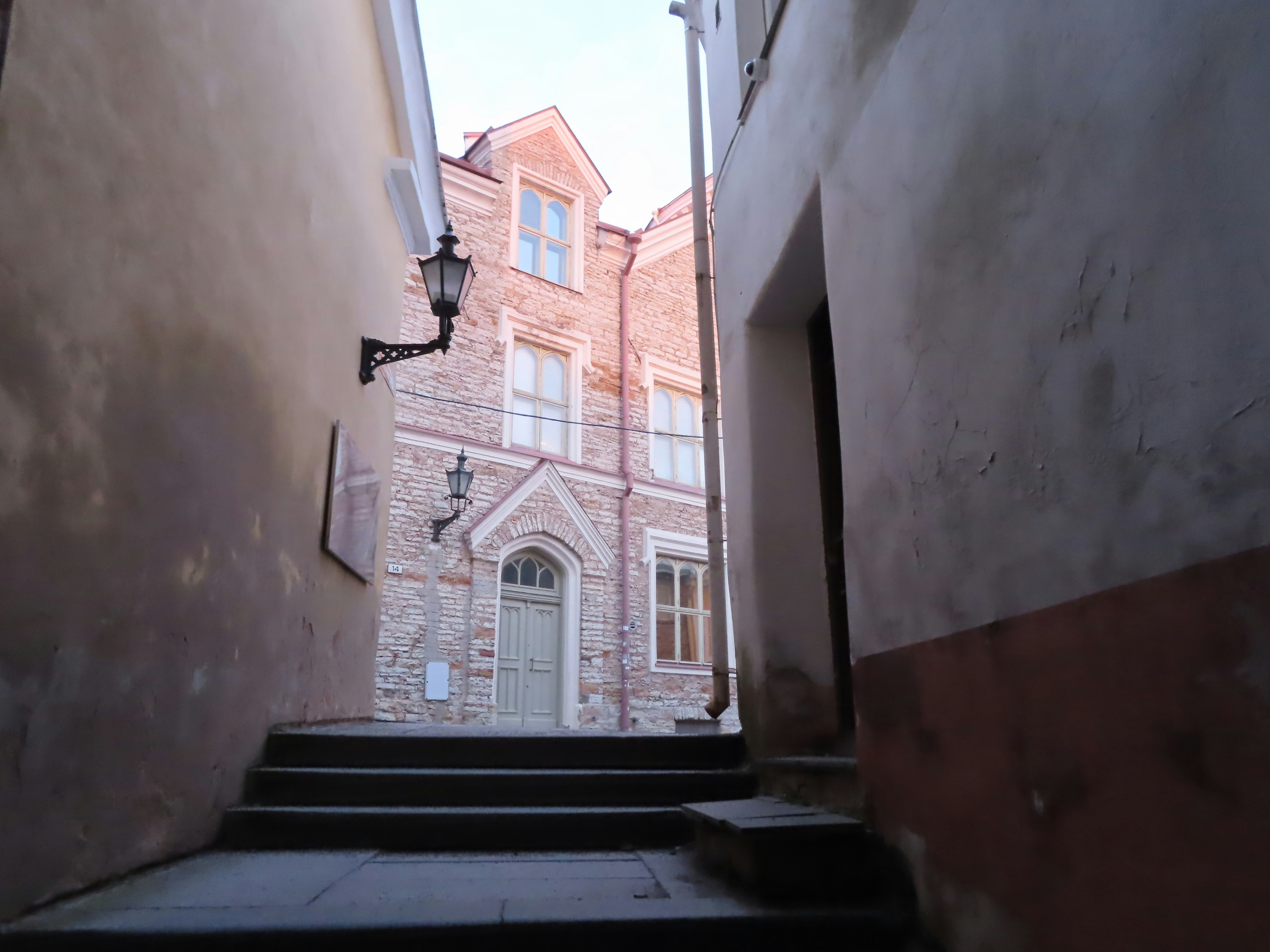
3 Days in Estonia: A Day-by-Day Itinerary
A detailed 3-day itinerary for Estonia with daily activities, costs, neighborhoods, and transport tips.
10 June 2026
Estonia in 5 Days: The Perfect Extended Itinerary
A detailed 5-day itinerary for Estonia with daily activities, costs, neighborhoods, and transport tips for an extended stay.
5 May 2026
Estonia in 10 Days: The Ultimate Travel Itinerary
A comprehensive 10-day itinerary for Estonia covering top attractions, hidden gems, daily costs, and transport between cities.
19 June 2026
Estonia Travel Budget Guide: Daily Costs and Money Tips
How much does it cost to travel in Estonia? Daily budget breakdowns for budget, mid-range, and luxury travellers.
24 February 2026
Estonia Currency & Money Guide: Exchange, Cards, and Tips
Currency exchange, credit card acceptance, ATM tips, tipping culture, and money-saving advice for Estonia.
26 July 2026
Estonia Visa & Entry Requirements for Singapore Passport Holders
Visa requirements, passport validity, customs allowances, and entry tips for Singapore citizens travelling to Estonia.
8 July 2026
Getting Around Estonia: Transport Guide for Travellers
Airport transfers, public transport, ride-hailing apps, inter-city travel, and driving tips for Estonia.
23 May 2026
Estonia Food Guide: Must-Try Dishes, Prices, and Tips
Best local dishes, street food, restaurant prices, dietary options, and food safety tips for Estonia.
15 May 2026
More Travel Guides
Destination Guide
Complete Bosnia and Herzegovina Travel Guide 2026
Everything you need to know about travelling to Bosnia and Herzegovina — budget, visa, food, transport, eSIM connectivity, and itineraries.
Destination Guide
Complete Bahamas Travel Guide 2026
Everything you need to know about travelling to Bahamas — budget, visa, food, transport, eSIM connectivity, and itineraries.
Destination Guide
Complete Bahrain Travel Guide 2026
Everything you need to know about travelling to Bahrain — budget, visa, food, transport, eSIM connectivity, and itineraries.
Destination Guide
Complete Sint Eustatius Travel Guide 2026
Everything you need to know about travelling to Sint Eustatius — budget, visa, food, transport, eSIM connectivity, and itineraries.