Ecuador Cultural Guide: Etiquette, Customs, and Tips
Essential do's and don'ts, greeting customs, dress codes, local phrases, and cultural tips for Ecuador.
By Hello Travel Team
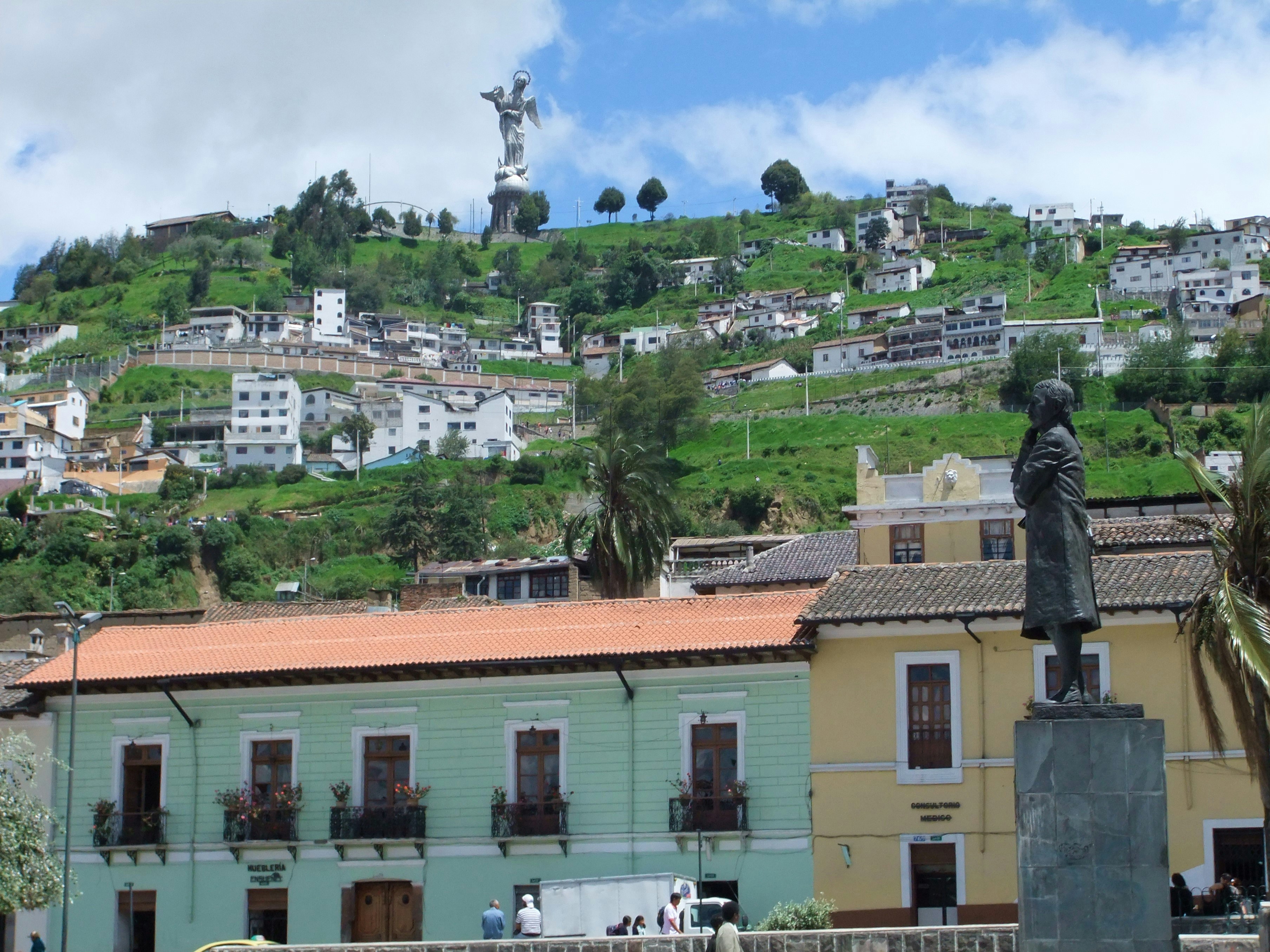
TL;DR: Ecuador Culture, Etiquette, and Travel Dos and Don’ts
Ecuador is warm, polite, and relationship-focused, so a little courtesy goes a long way. The most important Ecuador etiquette basics are simple: greet people properly, dress modestly in churches and formal settings, ask before taking photos, and keep your tone respectful in public and business conversations.
Greeting Customs and Basic Ecuador Etiquette for Travelers
A polite greeting is the easiest way to fit in, and in Ecuador culture it matters more than many travelers expect. In shops, hotels, taxis, and restaurants, say buenos días, buenas tardes, or buenas noches before asking a question; skipping the greeting can come across as abrupt. Handshakes are standard for first meetings, while friends may exchange a light cheek kiss or a brief hug, especially in social settings. Use titles like Señor, Señora, or Doctor(a) until invited to switch to first names, which is a safe and respectful approach in Ecuador etiquette.
Small talk is not wasted time here. Asking about someone’s day, family, or hometown is often part of building trust before getting to the point. That matters whether you are checking in to a hotel in Quito, buying snacks in Cuenca, or arranging a guided visit in the Andes. Keep your voice calm and avoid interrupting, even if service is slower than you expect. A friendly, patient manner usually gets better results than rushing. If you need mobile data for maps, rides, or translation, an eSIM from Hello can help you stay connected as you move between cities and higher-altitude destinations.
Ecuador Dress Codes, Church Attire, and What to Wear by Region
The safest rule is to dress neatly and modestly, especially in churches, government buildings, and rural communities. In Ecuador, tidy clothing signals respect, and overly casual beachwear is best kept for the coast. For religious sites such as Quito’s historic churches or Cuenca’s cathedral area, avoid tank tops, very short shorts, sheer outfits, and hats inside the building unless local staff says otherwise.
Ecuador’s climate changes quickly with altitude, so practical dressing matters as much as cultural sensitivity. In the highlands, layers are essential: mornings in Quito or Otavalo can feel cool, while midday sun is strong. On the coast, light fabrics are fine, but swimwear should stay at the beach or pool. In Indigenous markets and smaller Andean towns, conservative clothing is usually appreciated, especially if you are visiting a family home or community project.
For travelers planning museum days, city walks, or sacred sites, comfortable closed-toe shoes are a smart choice. If you are unsure, aim for “smart casual” rather than flashy. That is usually the easiest way to blend in across Ecuador’s cities and smaller towns.
Photography Rules, Local Phrases, and Respectful Interaction in Ecuador
Always ask before photographing people, and be especially cautious in Indigenous communities, markets, and religious spaces. In Ecuador customs, taking someone’s picture without permission can feel intrusive, and some people may expect a small payment or simply decline. The same courtesy applies to street vendors, artisans, and children; a smile and a quick ¿Puedo tomar una foto? goes much further than pointing a camera.
A few Spanish phrases make daily travel smoother and show respect. Gracias and por favor are essential, disculpe works well to get attention, and ¿Cuánto cuesta? is useful in markets. If you need to be polite but firm, No, gracias is a clean way to decline offers. In Ecuador culture, using basic Spanish is not about perfection; it is about making an effort.
Here are a few practical do’s and don’ts to remember:
| Do | Don’t |
|---|---|
| Ask before photographing people | Snap photos without permission |
| Use greetings before asking for help | Start with a blunt request |
| Speak calmly and politely | Raise your voice in frustration |
| Carry small cash for markets and taxis | Assume cards are accepted everywhere |
| Learn a few Spanish phrases | Rely only on English outside major hotels |
If you are navigating markets, buses, or day trips, having reliable data from Hello eSIM can make translation apps and maps much easier to use.
Business Etiquette, Gift-Giving Customs, and Social Do’s and Don’ts
Ecuador business etiquette is formal at first and relationship-driven over time. Meetings typically begin with a handshake, eye contact, and a few minutes of polite conversation before business starts. Arriving on time is important, though local timing can be more flexible than in North America or Northern Europe; as a visitor, punctuality still signals professionalism. Dress conservatively for meetings: jackets, closed shoes, and neat clothing are standard in urban business settings.
Gift-giving is usually modest rather than extravagant. If you are invited to someone’s home, a small gift such as pastries, chocolates, or flowers is thoughtful. Avoid overly expensive gifts, which can make people uncomfortable. When giving flowers, choose mixed bouquets rather than white lilies alone, since white flowers can be associated with funerals in some contexts. If you are invited to eat, it is polite to try a little of everything and thank your host afterward.
A useful business tip: decisions may not happen immediately, because trust matters. Expect follow-up conversations rather than instant agreement. For visitors combining work and travel, Hello’s budget tracking and expense splitting tools can help manage meals, transport, and shared costs across multiple currencies without turning the trip into spreadsheet work.
Local Holidays in Ecuador That Can Affect Travel Plans
Ecuador holidays can change opening hours, transport schedules, and the pace of daily life, so it pays to plan around them. The most travel-disruptive periods are national holidays and long weekends, when buses, hotels, and popular destinations can fill up quickly. One of the biggest is Carnaval, which usually falls in February or early March and brings parades, water fights, and heavy domestic travel. Holy Week around Easter is another busy period, especially in Quito, Cuenca, and pilgrimage towns.
Other important dates include Independence Day in August and Guayaquil’s independence celebrations in October, both of which can mean local festivities and altered business hours. Day of the Dead in early November is culturally significant and may affect cemetery visits, markets, and family schedules. Even when museums or shops stay open, hours may be shorter than usual.
Travelers should also know that Ecuador spans the mainland and the Galápagos, so movement can involve flights, regional buses, and altitude changes. Build extra time into your itinerary, especially if you are visiting multiple regions. If you rely on transit apps, booking confirmations, or digital tickets, an eSIM from Hello can help you stay connected the moment you land and avoid scrambling for Wi‑Fi in busy travel periods.
Common Questions About Ecuador Customs and Travel Etiquette
What should I not do in Ecuador? The main Ecuador dos and don’ts are straightforward: do greet people politely, dress respectfully in religious or rural settings, and ask before taking photos; don’t be loud, impatient, or dismissive of local customs. Those basic habits prevent most awkward moments.
Is tipping expected in Ecuador? Tipping is appreciated but not always mandatory. In restaurants, a service charge may already be included, but leaving a little extra for good service is common. For guides, drivers, and hotel staff, modest tips are welcome, especially on longer excursions or private tours.
Can I wear shorts in Ecuador? Yes, but context matters. Shorts are fine on the coast, during casual sightseeing, or in hot weather, but longer trousers or skirts are better for churches, formal restaurants, and rural or religious communities.
Is English widely spoken? English is more common in upscale hotels and tourist services, but basic Spanish is still very helpful in day-to-day travel. Simple phrases make shopping, transport, and dining noticeably easier.
What is the best way to stay connected? For maps, messaging, and translation on arrival, many travelers use a Hello eSIM so they can land connected and avoid searching for SIM cards after a long flight.
Explore These Destinations
Stay Connected
Make the most of Ecuador
From eSIM connectivity to expense tracking, Hello is the all-in-one companion that keeps your trip stress-free.
Related Articles
Ecuador Currency & Money Guide: Exchange, Cards, and Tips
Currency exchange, credit card acceptance, ATM tips, tipping culture, and money-saving advice for Ecuador.
25 July 2026
Ecuador Safety Guide: Tips for a Safe Trip
Safety tips, health advisories, emergency contacts, common scams, and travel insurance advice for Ecuador.
17 July 2026
Ecuador Visa & Entry Requirements for Singapore Passport Holders
Visa requirements, passport validity, customs allowances, and entry tips for Singapore citizens travelling to Ecuador.
8 July 2026