Ecuador Currency & Money Guide: Exchange, Cards, and Tips
Currency exchange, credit card acceptance, ATM tips, tipping culture, and money-saving advice for Ecuador.
By Hello Travel Team
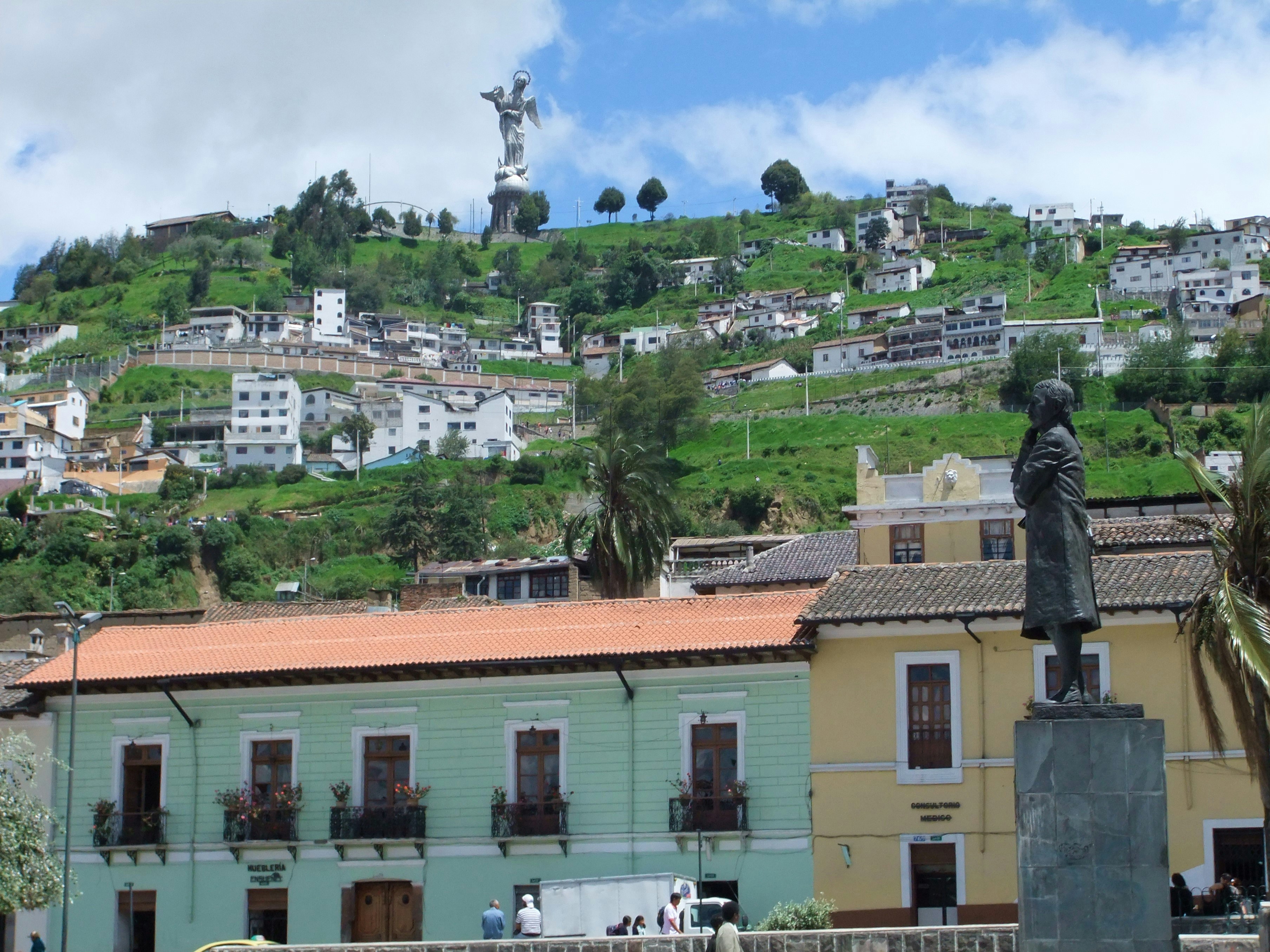
Ecuador Currency & Money Tips: TL;DR
Ecuador uses the US dollar (USD) as its official currency, so travellers should budget in dollars, carry small notes, and keep cash available outside major cities. Cards work well in hotels, malls, tour agencies, and upscale restaurants, but cash remains essential for markets, taxis, small shops, rural areas, and parts of the Galápagos.
For Singapore travellers, a useful mid-2026 planning estimate is SGD 1 = about USD 0.74, making SGD 100 approximately USD 74 before bank or card fees; check a live rate before exchanging. Ecuador’s 15% IVA may apply to purchases, and restaurants often add a 10% service charge. Tipping is generally modest: around USD 1–2 for porters, about USD 5 per person for a group-tour guide, and more for private or specialist guides.
Use the Ecuador destination guide to plan routes, and track spending in both SGD and USD with Hello’s multi-currency expense tools, which automatically convert exchange rates and can split shared costs with travel companions.
Ecuador Currency and Exchange Rate from SGD
The Ecuador currency is the US dollar, and travellers from Singapore should monitor the SGD-to-USD rate rather than look for a separate Ecuadorian currency. Ecuador adopted the dollar as legal tender in 2000, so prices, ATMs, menus, and receipts are normally displayed in USD. Coins can include US coins as well as Ecuadorian centavo coins, which have the same values and circulate at face value.
As a practical 2026 budgeting example, SGD 100 is roughly USD 74 at an indicative rate of SGD 1 to USD 0.74. Exchange rates change daily, and your bank, card network, money changer, or ATM may add a spread or transaction fee. Use the mid-market rate only as a planning reference, not as the guaranteed amount you will receive.
| Singapore-dollar budget | Approximate USD planning value |
|---|---|
| SGD 50 | USD 37 |
| SGD 100 | USD 74 |
| SGD 500 | USD 370 |
Before departure, compare your bank’s card exchange rate with reputable money changers in Singapore. In Ecuador, exchange foreign cash only through established banks or authorised casas de cambio in Quito, Guayaquil, or Cuenca. Avoid street exchanges, count notes carefully, and retain receipts. Hello’s app can record expenses in USD while displaying your running total in SGD, helping you see the real cost of meals, transport, and tours.
Where to Exchange Money and How Much Cash to Carry
The safest Ecuador money strategy is to arrive with some clean US-dollar notes, exchange only through regulated businesses, and keep a reserve of small denominations. US dollars are easiest to use because Ecuador has no need for travellers to convert into a local currency. Bring or withdraw mostly USD 5, USD 10, and USD 20 notes; vendors may reject damaged bills or struggle to make change for USD 50 and USD 100 notes.
Banks and authorised exchange offices in Quito, Guayaquil, and Cuenca are generally better choices than informal street exchangers. Outside major cities, exchange options become limited, and foreign currencies may be difficult to convert. In markets, local buses, taxis, small restaurants, public toilets, and rural guesthouses, cash is often faster and more reliable than a card.
A sensible starting reserve is USD 100–200 per person in mixed denominations, adjusted for your itinerary. A short city break with frequent card payments may need less; a Galápagos cruise, Amazon lodge, mountain trek, or remote village itinerary requires more advance planning. Keep cash in two separate places and carry only the day’s spending money.
Check whether your accommodation, transfers, park fees, and excursions accept cards before travelling. For the Galápagos, confirm inclusions early because island ATMs and payment infrastructure are less dependable than on the mainland.
Credit Cards, Contactless Payments, ATMs, and Digital Wallets
Credit and debit cards are convenient in Ecuador’s main tourist centres, but travellers should treat them as a backup to cash rather than a complete payment solution. Visa and Mastercard are commonly accepted at hotels, shopping malls, established restaurants, supermarkets, tour operators, and larger shops. Businesses may impose a minimum card purchase, often around USD 20, while small retailers, taxis, markets, and rural providers may accept only cash.
Contactless tap-to-pay is available at some modern urban businesses, particularly in Quito, Guayaquil, and Cuenca, but coverage is inconsistent. Carry a physical card and know your PIN in case a terminal requires chip-and-PIN. When a terminal offers to charge in SGD or USD, choosing USD usually avoids a merchant’s dynamic currency conversion markup; let your card issuer perform the conversion instead.
ATMs are widely available in major cities and tourist centres, though individual machines can run out of cash, impose withdrawal limits, or charge a local fee. Your Singapore bank may also add an overseas withdrawal fee. Use ATMs inside banks, shopping centres, or airports during daylight, inspect the machine for tampering, and decline unfamiliar conversion offers when appropriate.
WeChat Pay and PayPay are not widely used for everyday payments in Ecuador, so do not rely on them. Keep a backup card, emergency cash, and digital copies of important documents.
Ecuador Tipping Culture: Restaurants, Guides, Drivers, and Hotels
Ecuador tipping is appreciated but usually modest, and the first step is checking whether a 10% service charge is already included on the bill. Restaurants and higher-end hotels may add a service charge, while Ecuador’s IVA can also affect the final price. If service was good and the charge is already present, an additional 5% is a generous gesture rather than an obligation; if no service charge appears, around 10% is a practical restaurant tip.
Use cash for tips when possible, especially for guides and service workers. Typical guidelines include:
- Porters, bell staff, or short service interactions: USD 1–2.
- Group-tour guide: about USD 5 per person per day.
- Private guide: more than the group-tour amount, often adjusted for duration and service quality.
- Long-distance or private driver: around USD 2–5 per day, depending on the journey.
- Taxi driver: tipping is not normally expected; rounding up is fine.
- Galápagos naturalist guide: commonly USD 10–20 per day, with roughly half that amount for boat staff or drivers.
Carry small bills so you can tip discreetly. On a multi-day trek, lodge stay, or cruise, ask the operator whether a shared gratuity pool exists and whether guide and crew tips are excluded from the advertised price. Hello’s expense-splitting feature can divide group tips fairly across different currencies.
Common Ecuador Money Scams and Cost-Saving Advice
The easiest ways to avoid losing money in Ecuador are to count change, protect your cards, confirm prices before ordering, and use small notes for everyday purchases. Informal exchange offers can involve counterfeit bills or confusing rates, while rushed transactions create opportunities for incorrect change. Pay attention when withdrawing cash, cover the keypad, and avoid displaying large amounts of money in busy transport hubs or markets.
Useful savings habits include:
- Ask whether a menu price includes IVA and service before ordering at restaurants.
- Confirm taxi fares before departure, or use a metered taxi where available; taxi drivers generally do not expect a tip.
- Buy water and snacks from supermarkets rather than tourist-zone convenience shops.
- Use local eateries for almuerzos, which often provide a soup, main course, and drink for considerably less than an international restaurant meal.
- Withdraw less often but enough to reduce repeated ATM fees, while avoiding a large cash balance.
- Compare tour inclusions carefully: transfers, meals, park fees, equipment, and gratuities may be separate.
- Keep receipts for card disputes and photograph expensive purchases before leaving the shop.
In 2026, a simple local meal may cost around USD 3–8, a mid-range restaurant meal roughly USD 12–25 per person, and a Quito taxi ride commonly several dollars depending on distance and traffic. Record each expense in Hello to identify hidden fees, convert totals automatically into SGD, and keep a realistic daily budget.
Common Questions About Ecuador Money
Travellers can manage Ecuador money easily by using USD, carrying small cash, and treating cards and digital wallets as complementary payment methods. These answers cover the practical questions most visitors ask before departure.
Does Ecuador use the US dollar? Yes. The US dollar is Ecuador’s official currency. Ecuadorian centavo coins also circulate alongside US coins and have equivalent values.
Should I exchange Singapore dollars before travelling? Convert enough SGD into USD for arrival expenses and keep a mix of small notes. Once in Ecuador, use regulated banks or authorised exchange offices rather than informal street exchanges.
Are credit cards accepted in Ecuador? They are widely accepted at established hotels, malls, supermarkets, tour agencies, and upscale restaurants. Cash is still necessary for markets, taxis, small purchases, rural areas, and some island services.
Can I use WeChat Pay or PayPay? These apps are not common everyday payment methods in Ecuador. Bring a physical Visa or Mastercard, cash, and a backup payment option.
How much should I tip in Ecuador? Check for an included 10% service charge. Otherwise, around 10% at restaurants is reasonable, while guides, drivers, porters, and Galápagos crews receive separate customary amounts.
How can I stay connected while tracking expenses? An eSIM from Hello provides mobile data plans for Ecuador, while the Hello app supports receipt scanning, voice entries, bank-statement imports, automatic multi-currency conversion, categorisation, and expense splitting with friends.
Explore These Destinations
Stay Connected
Track your Ecuador trip budget
Split expenses with friends, track spending by category, and see real-time currency conversions — all in one app.
Related Articles
Ecuador Safety Guide: Tips for a Safe Trip
Safety tips, health advisories, emergency contacts, common scams, and travel insurance advice for Ecuador.
17 July 2026
Ecuador Visa & Entry Requirements for Singapore Passport Holders
Visa requirements, passport validity, customs allowances, and entry tips for Singapore citizens travelling to Ecuador.
8 July 2026
eSIM for Ecuador: Best Plans, Coverage, and Setup Tips
Everything you need to know about using eSIM in Ecuador. Best data plans, network coverage, and setup instructions.
29 June 2026