Ecuador Safety Guide: Tips for a Safe Trip
Safety tips, health advisories, emergency contacts, common scams, and travel insurance advice for Ecuador.
By Hello Travel Team
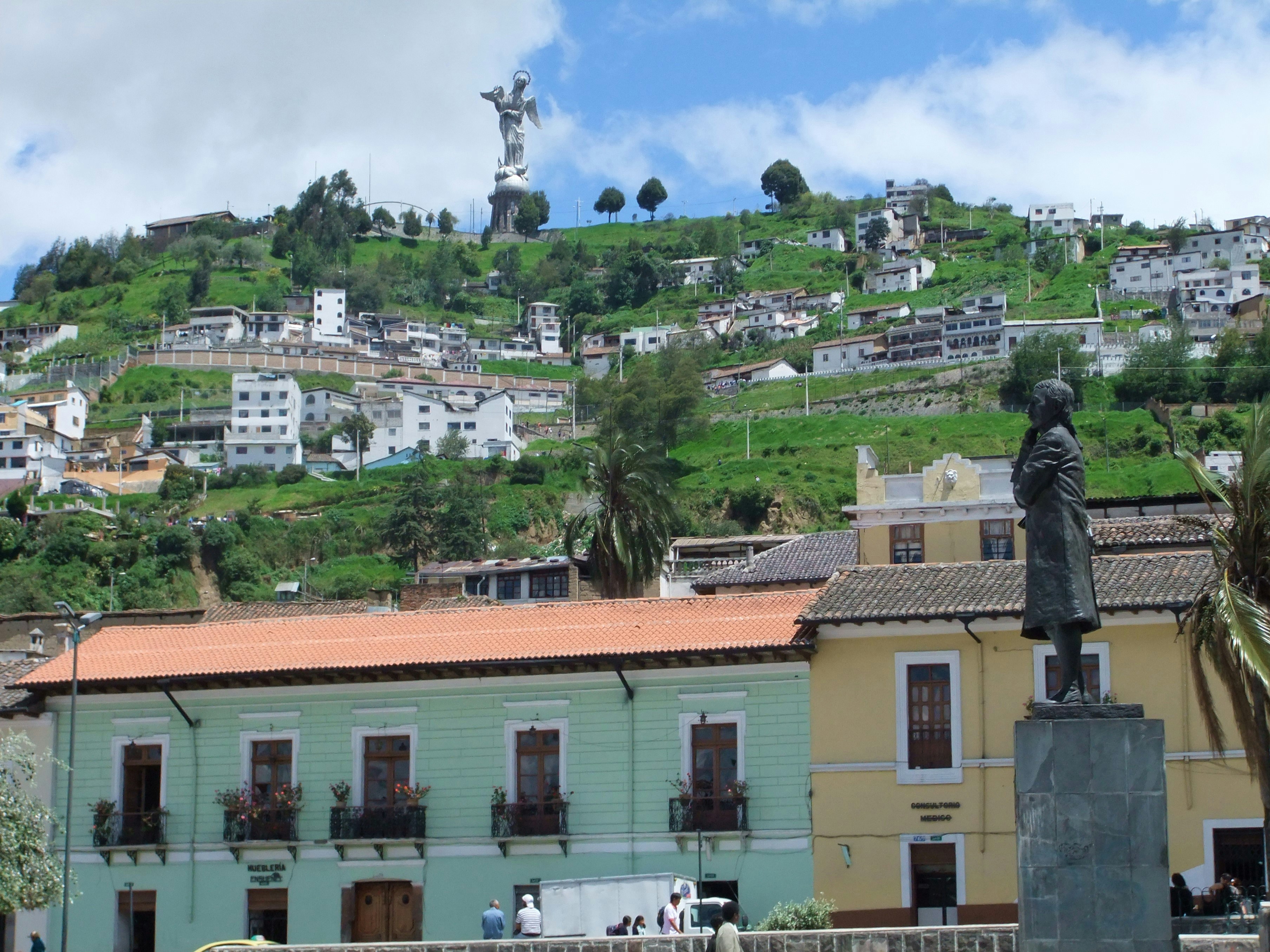
TL;DR: Is Ecuador Safe to Travel Right Now?
Ecuador is generally safe for tourists who stick to established destinations like Quito, Cuenca, Baños, the Andes and the Galápagos, but you must exercise increased caution and avoid specific high‑risk coastal and border areas noted in official advisories. Travel smart, stay informed, and you can have a fantastic, trouble‑free trip.
According to recent advisories from the U.S., UK and Canadian governments, Ecuador is rated as a “exercise increased caution” destination overall, with “do not travel” warnings for some coastal zones (parts of Guayaquil and Esmeraldas) and areas within 20 km of the Colombian border due to crime and unrest. Government and travel‑insurance sources also highlight that about 88% of homicides are concentrated in five coastal provinces, while the Andean highlands and core tourist regions see significantly lower violent crime.
For most travellers, Ecuador travel safety comes down to three habits: stick to well‑known tourist areas, keep valuables out of sight, and use trusted transport (hotel taxis, ride‑hailing apps, pre‑booked transfers). Staying connected with an eSIM from Hello and saving emergency numbers (including 911, your embassy and accommodation) on your phone adds an extra layer of security.
If you’re planning a trip, combine basic street smarts with good travel insurance, updated health precautions, and current local advice. That way, you can spend more time enjoying cloud forests, colonial plazas and volcanic hot springs—and less time worrying about what‑ifs.
Ecuador Safety Overview: Where It’s Safe and Where to Be Careful
Ecuador is safe for most travellers in popular tourist regions like Quito’s historic center, Cuenca, Baños, Otavalo, the Amazon lodges and the Galápagos, but coastal cities such as Guayaquil and northern provinces like Esmeraldas currently require extra caution or should be avoided altogether.
Recent government advisories describe Ecuador as a Level 2 / “exercise increased caution” country due to crime, civil unrest and occasional kidnapping risks, with Level 4 / “do not travel” warnings for parts of Guayaquil (south of Portete de Tarqui Avenue), Esmeraldas city and areas to the north, plus stretches of the Colombian border. Travel‑safety analyses in 2026 note that roughly 88% of homicides occur in five coastal provinces (Guayas, Manabí, El Oro, Los Ríos, Esmeraldas), while Andean cities like Quito, Cuenca and Loja have homicide rates comparable to or lower than many mid‑sized U.S. cities.
Tourist favorites—the Galápagos Islands, central Andes (Cotopaxi, Quilotoa, Baños), and Amazon lodges accessed via reputable operators—remain considered safe when visited with guides and organized tours. The main risks for visitors are petty theft, pickpocketing and opportunistic street crime, especially around bus terminals, crowded markets and city centers after dark.
A practical strategy is to use urban hubs as comfortable bases, book well‑reviewed accommodation in central areas, and rely on hotel‑recommended taxis or ride‑hailing apps at night. Combine that with keeping your phone and wallet out of sight, and Ecuador travel safety is manageable for first‑timers and solo travellers alike.
Essential Scams, Street Smarts and How to Avoid Crime in Ecuador
Most problems tourists face in Ecuador involve petty theft and simple scams, so a few street‑smart habits—like using cross‑body bags, avoiding flashy jewelry, and taking registered taxis—go a long way toward keeping you safe. Think “blend in, stay aware, and don’t make yourself a target.”
Common issues in cities like Quito, Guayaquil and Cuenca include:
- Pickpocketing and bag snatching in crowded buses, markets and bus terminals.
- Distraction scams, such as someone spilling something on you while an accomplice grabs your phone.
- Fake taxi or unregistered taxi overcharging and occasional express robberies in unmarked cabs.
- ATM and card fraud, especially at street‑side machines at night.
To avoid typical Ecuador scams and crime:
- Use a small cross‑body bag with zippers; keep it in front of you in markets and on buses.
- Keep your phone in a zipped pocket, not in your hand on the street—phone snatching is one of the most reported crimes against visitors.
- Only take registered or app‑based taxis (or ones your hotel calls for you). At night, avoid hailing cabs off the street.
- Use ATMs inside banks or malls during business hours; decline help from strangers at machines.
- Carry a decoy wallet with a small amount of cash and a cancelled card; keep your real bank cards and passport hidden in your room safe or a money belt.
Staying connected with a Hello eSIM for Ecuador means you can quickly check routes, call your hotel, or use ride‑hailing apps—simple tools that significantly reduce your exposure to risky situations.
Emergency Numbers, Embassies and What to Do If Something Goes Wrong
If you run into trouble in Ecuador, knowing the right emergency numbers and who to call—police, ambulance, fire, or your embassy—can turn a stressful situation into a manageable one. Save these contacts in your phone before you land and keep them written in your wallet.
Across Ecuador, 911 is the main national emergency line connecting you to police, fire and ambulance services. Some older information still mentions 101 or 112 in specific cities, but 911 is now the standard and easiest number to remember nationwide. Operators may not always speak fluent English, so having key phrases in Spanish (like “necesito una ambulancia”) can help.
If you’re a Singapore citizen, note that Singapore does not currently have an embassy in Ecuador. The nearest Singapore mission handling Ecuador matters is usually the Singapore Embassy in Brasília, Brazil, or a regional mission accredited to several South American countries. Before travelling, check the Singapore Ministry of Foreign Affairs website for the latest consular arrangements, 24‑hour emergency line, and whether any honorary consuls are available in Quito or nearby capitals.
Key practical steps in an emergency:
- Contact your home country embassy (often in Quito) for serious incidents like assault, theft of passport, or hospitalization.
- Ask your hotel or host to help communicate with police or clinics if your Spanish is limited.
- Notify your travel insurer’s 24/7 assistance line immediately for medical issues, evacuation questions or major theft; many insurers require prior authorization for big hospital bills.
Having data via a Hello eSIM means you can access maps, translation apps and consular information instantly, even if you’re away from Wi‑Fi or a local SIM shop.
Health, Vaccinations, Water Safety and Staying Well in Ecuador
You can stay healthy in Ecuador by getting recommended vaccines before you go, taking altitude and mosquito‑borne diseases seriously, and being cautious with drinking water and street food. With a bit of prep, most travellers enjoy their trip without more than minor stomach issues.
Public‑health agencies generally recommend that visitors be up to date on routine vaccines (MMR, tetanus‑diphtheria, polio), with hepatitis A and B and typhoid advised for many travellers due to food‑borne risks. A yellow fever vaccine may be recommended if you’re visiting certain Amazon regions or arriving from another yellow‑fever‑risk country—check current guidance from your national health authority when planning.
Mosquito‑borne illnesses like dengue, Zika and chikungunya occur at lower elevations, especially along the coast and in the Amazon. Pack strong DEET or picaridin repellent, long sleeves for evenings, and consider accommodation with screens or nets in jungle areas. In the high Andes (Quito sits at around 2,850 m), altitude sickness is more of a concern: ascend gradually if you can, avoid heavy drinking on your first nights, and stay hydrated.
Tap water is not considered reliably safe to drink in most of Ecuador. Use bottled or filtered water for drinking and tooth‑brushing; in cities, a 1.5L bottle typically costs around $0.80–1.20 USD in 2026 at supermarkets. Many mid‑range hotels now offer refill stations for reusable bottles.
Travel clinics suggest carrying a basic kit: painkillers, altitude tablets if recommended by your doctor, oral rehydration salts, and anti‑diarrheals. For anything beyond minor issues, private clinics in Quito, Cuenca and Guayaquil generally offer better facilities and shorter waits than public hospitals, though you’ll need to pay—another reason solid travel insurance matters.
Solo Female, LGBTQ+ Travellers and Neighborhood Safety in Ecuador
Solo female and LGBTQ+ travellers can visit Ecuador safely by sticking to central, well‑lit areas, choosing reputable accommodation, and respecting local cultural norms, especially outside big cities where attitudes can be more conservative. With sensible precautions, many report positive, welcoming experiences.
For solo female travellers, the main issues mirror those in many Latin American countries: catcalling, unwanted attention and occasional harassment, especially at night in bars or quieter streets. Practical tips include:
- Book accommodation in central, busy neighborhoods (e.g., La Floresta or La Carolina in Quito, historic centers in Cuenca and Cuenca’s New Town).
- Avoid walking alone late at night; use hotel taxis or ride‑hailing apps door‑to‑door.
- Dress however you feel comfortable, but note that more revealing clothing may draw extra comments in traditional areas.
- Watch your drink in bars and clubs; don’t leave it unattended or accept open drinks from strangers.
Ecuador has legal protections for LGBTQ+ people and was one of the first in the region to recognize same‑sex civil unions, later legalizing same‑sex marriage. Larger cities like Quito and Cuenca have visible queer communities and a handful of LGBTQ‑friendly bars. That said, public displays of affection—especially between same‑sex couples—may attract stares or comments in smaller towns and rural regions where social attitudes are more conservative.
Here’s a simple neighborhood‑safety comparison for typical visitors:
| Area / City | General Safety for Tourists (2026) | Notes |
|---|---|---|
| Quito historic center | Moderate in daytime, caution at night | Use taxis after dark, avoid empty streets |
| La Floresta / La Carolina (Quito) | Safer, popular with expats and locals | Good for cafés, restaurants, nightlife |
| Cuenca center | Generally safe, even in evenings | Petty theft in markets; low violent crime |
| Baños & Andes towns | Generally safe | Use guides for hikes, watch valuables |
| Guayaquil city center & south | Higher risk, avoid at night | Many governments advise extra caution |
Whichever group you belong to, let a friend or family member track your movements through the Hello app’s shared trip details and budget tools, and keep regular check‑ins—especially when moving between cities.
Travel Insurance, Budgeting and Common Questions About Ecuador Safety
The smartest way to manage Ecuador travel safety is to pair good insurance and realistic budgeting with up‑to‑date local advice and basic street sense—this lets you focus on cloud forests and volcano hikes, not worst‑case scenarios. Think of insurance and planning as your security net, not a reason to worry.
Travel insurance: Most governments strongly recommend comprehensive travel insurance that covers medical care, emergency evacuation and theft. Private hospital stays in Quito or Guayaquil can easily reach $300–600 USD per day in 2026 for serious issues, and air evacuations cost far more. Choose a policy that explicitly includes adventure activities you might try (rafting in Baños, high‑altitude trekking, Amazon trips).
Use Hello’s expense tracking to stay on top of your Ecuador budget and avoid money‑stress mistakes (like carrying too much cash). With AI receipt scanning, multi‑currency tracking and automatic exchange rates, you can see in real time how much you’re spending on taxis, tours and meals—typically $5–10 USD for a local lunch menu and $15–25 USD for a mid‑range dinner in 2026.
Common Questions about Ecuador Travel Safety
Q: Is Ecuador safe for tourists right now?
A: Yes, for most tourists who stay in established areas like Quito, Cuenca, Baños and the Galápagos and avoid high‑risk coastal and border zones indicated in government advisories. Expect petty theft risks rather than violent crime in typical tourist circuits.
Q: Which areas should I avoid?
A: Current advisories often warn against parts of Guayaquil (south of Portete de Tarqui Avenue), Esmeraldas city and areas to the north, and regions within 20 km of the Colombian border, except certain specified stretches. Always check updated advice from your government before you go.
Q: Do I need to speak Spanish to stay safe?
A: Not strictly, but basic phrases help with taxis, emergencies and police reports. Offline translation apps and constant connectivity via a Hello eSIM for Ecuador make it much easier.
Q: Is public transport safe?
A: Long‑distance buses between major cities are commonly used and generally safe, but keep valuables with you, not in overhead racks. In cities, avoid very crowded buses with all your bags; when in doubt, opt for taxis or ride‑hailing apps.
Q: How can the Hello app help with safety?
A: Beyond connectivity with Hello eSIMs, the app’s budget tracking and expense splitting keep your cash handling low, and having all your bookings, receipts and key info in one place makes it easier to respond quickly if something unexpected happens.
Explore These Destinations
Stay Connected
Ready for Ecuador?
eSIM data, expense splitting, budget tracking, and more. Everything you need for a smooth trip in one app.
Related Articles
Ecuador Currency & Money Guide: Exchange, Cards, and Tips
Currency exchange, credit card acceptance, ATM tips, tipping culture, and money-saving advice for Ecuador.
25 July 2026
Ecuador Visa & Entry Requirements for Singapore Passport Holders
Visa requirements, passport validity, customs allowances, and entry tips for Singapore citizens travelling to Ecuador.
8 July 2026
eSIM for Ecuador: Best Plans, Coverage, and Setup Tips
Everything you need to know about using eSIM in Ecuador. Best data plans, network coverage, and setup instructions.
29 June 2026