Burkina Faso Cultural Guide: Etiquette, Customs, and Tips
Essential do's and don'ts, greeting customs, dress codes, local phrases, and cultural tips for Burkina Faso.
By Hello Travel Team
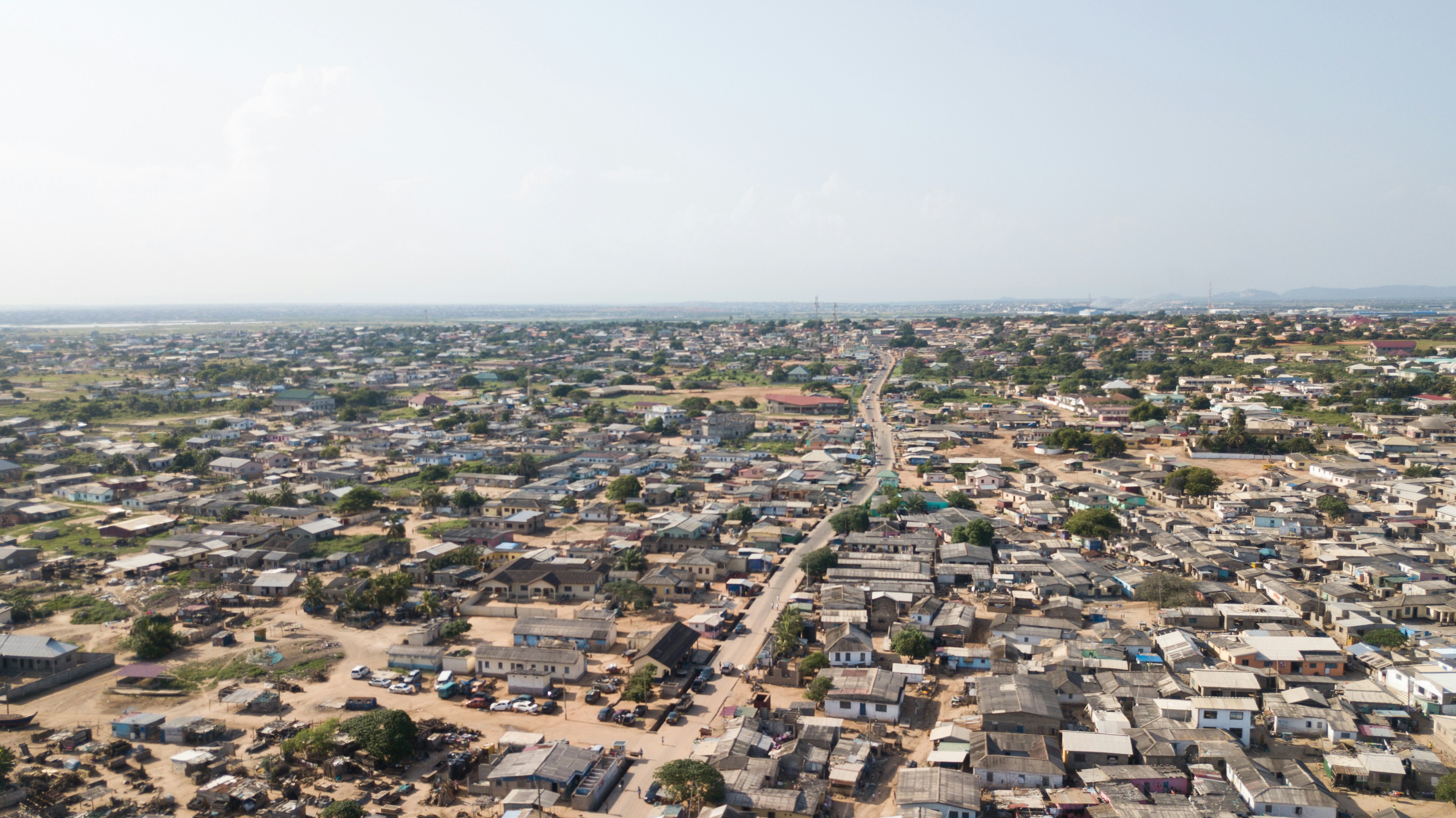
TL;DR: Burkina Faso culture, etiquette, and customs for travellers
Burkina Faso is warm, respectful, and community-oriented, so the safest approach is to greet first, dress modestly, and ask before photographing people or sensitive places. The most important Burkina Faso dos and don’ts are simple: use your right hand for greetings and exchanges, respect elders, and plan around holidays like Day of Customs and Traditions on May 15 and Independence Day on August 5, which can affect opening hours and transport.
Burkina Faso Etiquette: Greetings, Respect, and Everyday Social Customs
A polite greeting is essential in Burkina Faso; it is often considered rude to move straight into a request without saying hello first. In daily life, people commonly greet with a handshake, and in more traditional or rural settings you may see longer greetings, respectful titles, and a slower pace of conversation. The basic rule is to acknowledge people properly before asking for directions, buying something, or starting a business discussion.
For travellers, this matters most in markets, guesthouses, and taxis. A simple greeting in French goes a long way: Bonjour for hello, Merci for thank you, and S’il vous plaît for please. In more casual settings, you can also hear greetings in local languages, but French is the easiest and most widely useful option. Keep your tone calm and patient, especially with elders or officials. Burkina Faso customs place real value on courtesy, and a friendly start often makes the rest of the interaction smoother.
Burkina Faso Dress Codes, Religious Sites, and Photography Rules
Modest dress is the safest choice across most of Burkina Faso, especially outside major urban areas and around religious or community sites. For both men and women, lightweight clothing that covers shoulders and knees is a practical standard. This is especially important when visiting mosques, churches, traditional compounds, or rural villages where more conservative expectations may apply.
When it comes to photography, always ask first before taking pictures of people, ceremonies, shrines, checkpoints, police, or military buildings. If someone declines, accept it immediately and move on. A good habit is to hold your camera visibly and seek permission with a smile before shooting. This is one of the most important Burkina Faso etiquette rules for travellers, because photos can be seen as intrusive in some contexts.
Here is a quick guide to help you pack and behave appropriately:
| Situation | Best choice | Avoid |
|---|---|---|
| Markets and city streets | Light, modest clothing | Revealing or very tight outfits |
| Mosques and religious sites | Covered shoulders and knees | Shorts, sleeveless tops |
| Village visits | Conservative, clean clothing | Flashy or attention-seeking clothes |
| Photography | Ask first, then shoot | Taking candid photos of people or security sites |
Burkina Faso Dos and Don’ts: Food, Hand Use, and Gift-Giving
The simplest Burkina Faso dos and don’ts are to use your right hand, accept hospitality graciously, and avoid refusing food too abruptly. In many West African settings, the right hand is preferred for greeting, handing over money, and eating, while the left hand is often considered impolite for those actions. If you are invited to share a meal, follow the host’s lead and wait to be shown where to sit or what to do.
Gift-giving is usually modest and practical rather than elaborate. Small items from your home country, stationery, sweets for children, or a useful household item can be appreciated if you are visiting someone’s home. Avoid overly expensive gifts unless there is a strong reason, because they can create discomfort or expectations. If you are in doubt, a sincere thank-you and respectful conversation are often more valuable than a present.
Good habits to remember:
- Use your right hand for greetings and exchanges.
- Accept tea, water, or food when offered if possible, or decline gently.
- Do not point at people or sacred objects.
- Keep public behavior calm and respectful.
- Ask before entering private courtyards or photographing homes.
Business Etiquette and Local Phrases for Burkina Faso Travellers
Business etiquette in Burkina Faso is formal at the start and relationship-driven over time, so do not rush straight into the agenda. A meeting usually begins with greetings, small talk, and polite introductions before any practical discussion. Punctuality is appreciated, but meetings may not always begin exactly on time, so patience is helpful. Dress neatly and conservatively, and use titles and surnames unless invited to do otherwise.
A few basic French phrases can make a strong impression and help in shops, hotels, and meetings. The most useful ones are:
- Bonjour — Hello / Good morning
- Bonsoir — Good evening
- Merci beaucoup — Thank you very much
- S’il vous plaît — Please
- Pardon — Excuse me / sorry
- Combien ça coûte ? — How much does it cost?
- Je peux prendre une photo ? — May I take a photo?
These phrases are especially useful in Ouagadougou and Bobo-Dioulasso, where French is the main practical language for travellers. If you are using Hello eSIM for Burkina Faso, you can keep translation tools, maps, and messaging apps handy from the moment you land, which makes it much easier to navigate markets, hotel check-ins, and transport without stress.
Burkina Faso Holidays, Public Events, and Travel Planning Tips
Public holidays can affect transport, office hours, and restaurant schedules, so it is smart to check your dates before planning day trips or meetings. Burkina Faso observes a mix of national, civic, and religious holidays, and some are especially relevant for travellers. According to 2026 holiday calendars, key dates include New Year’s Day on January 1, Popular Uprising Day on January 3, International Women’s Day on March 8, Day of Customs and Traditions on May 15, Independence Day on August 5, and Proclamation of Independence Day on December 11.
Religious observances such as Eid al-Fitr and Eid al-Adha are also listed as tentative dates, so it is wise to expect possible closures and schedule flexibility around those periods. During major holidays, transport may be busier, some shops may close early, and public offices may not be available. For travellers managing multiple plans, Hello’s budget tracking and expense splitting features can help you keep holiday travel costs, shared taxis, meals, and accommodation organized without awkward calculations.
Common Questions About Burkina Faso Culture and Etiquette
What is the most important etiquette rule in Burkina Faso? Always greet people first before making a request. Courtesy is central to Burkina Faso culture, and a respectful hello can shape the whole interaction.
What should I wear in Burkina Faso? Modest clothing is the safest and most respectful choice. Cover shoulders and knees in rural areas and at religious sites, and avoid very tight or revealing clothes.
Can I take photos freely in Burkina Faso? No. Ask before photographing people, ceremonies, shrines, police, military personnel, or government buildings. If someone says no, respect the refusal immediately.
What language should I use? French is the most useful language for travellers, especially in cities, hotels, and transport settings. Basic phrases like bonjour and merci are enough to start on a positive note.
Are there holidays that affect travel? Yes. Public holidays such as May 15, August 5, and December 11 can affect opening hours, transport, and business meetings, so check ahead when planning.
Explore These Destinations
Stay Connected
Make the most of Burkina Faso
From eSIM connectivity to expense tracking, Hello is the all-in-one companion that keeps your trip stress-free.
Related Articles
Burkina Faso Currency & Money Guide: Exchange, Cards, and Tips
Currency exchange, credit card acceptance, ATM tips, tipping culture, and money-saving advice for Burkina Faso.
25 July 2026
Burkina Faso Safety Guide: Tips for a Safe Trip
Safety tips, health advisories, emergency contacts, common scams, and travel insurance advice for Burkina Faso.
16 July 2026
Burkina Faso Visa & Entry Requirements for Singapore Passport Holders
Visa requirements, passport validity, customs allowances, and entry tips for Singapore citizens travelling to Burkina Faso.
7 July 2026