Burkina Faso Safety Guide: Tips for a Safe Trip
Safety tips, health advisories, emergency contacts, common scams, and travel insurance advice for Burkina Faso.
By Hello Travel Team
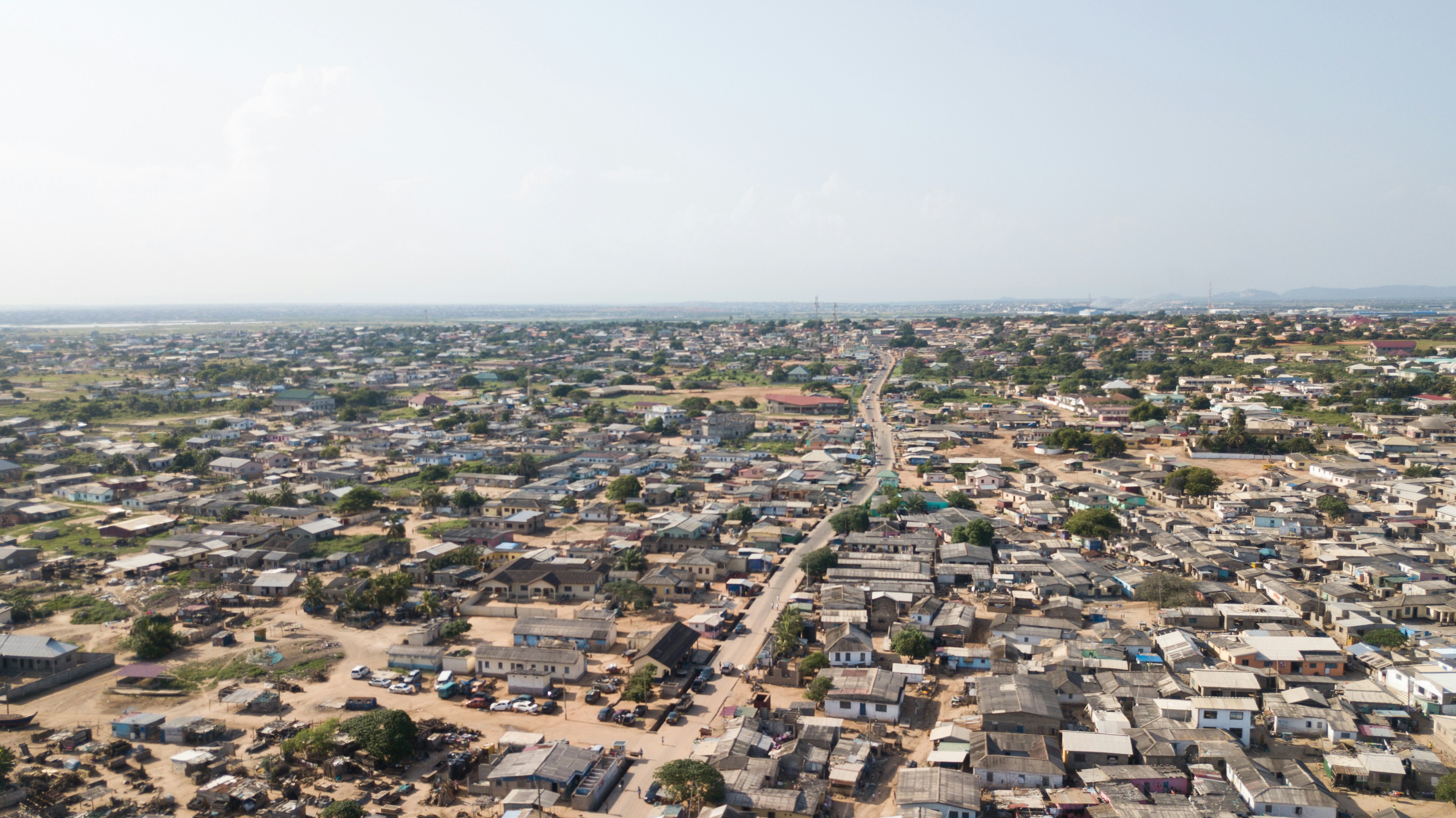
Burkina Faso Safety Guide: TL;DR
Burkina Faso is currently not considered safe for tourism, and official governments advise against all travel because of terrorism, kidnapping, violent crime, political instability, and limited medical care. The United States, United Kingdom, Canada, and Australia all publish their strongest warnings, including “Do not travel” or “avoid all travel” advice, with the latest advisories reviewed in 2026. This guidance applies to Ouagadougou and other parts of the country, although risk levels vary by location.
If travel is unavoidable, obtain written security advice, confirm that insurance covers high-risk travel, use professional local security support, avoid independent road travel, and keep plans discreet and flexible. Check your own government’s advisory immediately before departure because conditions can change quickly and some insurance policies become invalid when travelling against official advice. This guide covers Burkina Faso safety, health precautions, scams, emergency contacts, and connectivity, but it is not a substitute for consular or medical advice.
Is Burkina Faso Safe? Current Travel Risk and Essential Precautions
For ordinary holidays, the answer to “is Burkina Faso safe?” is no: current official guidance recommends avoiding all travel because armed groups can attack, abduct, or target foreigners throughout the country. The U.S. State Department rates Burkina Faso Level 4—Do Not Travel for crime, kidnapping, terrorism, and health risks, while the UK, Canada, and Australia issue similarly severe warnings. State-of-emergency areas include the Sahel and East regions and several provinces, but danger is not limited to those zones.
Ouagadougou is not risk-free. Authorities have warned about terrorism, criminal violence, demonstrations, surveillance, and kidnapping, while rural roads and border areas present especially serious threats. Avoid:
- Night travel, intercity road journeys, border regions, and isolated attractions.
- Demonstrations, military facilities, government buildings, airports, and large public gatherings.
- Photography of security personnel, checkpoints, infrastructure, or official sites.
- Publicly discussing politics, security operations, or sensitive travel plans.
If entry is essential, share a written itinerary with trusted contacts, arrange vetted transport, carry copies of documents, use a low-profile phone setup, and establish daily check-ins. Do not assume that staying in the capital removes the need for professional security planning.
Burkina Faso Travel Safety, Scams, and Local Transport Tips
The safest approach is to minimise exposure: use vetted drivers, avoid displaying valuables, and treat unsolicited help, roadside stops, and requests for money or documents with caution. Reported risks include robbery, motorcycle theft, opportunistic fraud, unofficial fees, and scams involving fake guides, counterfeit tickets, or people claiming to represent hotels, police, or tour operators. Burkina Faso scams can become more dangerous when they occur at isolated roads or checkpoints.
Practical precautions include:
- Book accommodation and transport through established organisations and verify staff identities before paying.
- Agree on taxi fares before departure; keep small CFA franc notes available and avoid counting cash in public.
- Store passports, backup cards, and emergency cash separately from your daily wallet.
- Decline requests to transport parcels, envelopes, or unfamiliar items across borders.
- Do not hand over your phone or passport unless legally required; ask for identification and a receipt for official payments.
- Keep vehicle doors locked, windows raised, and bags out of sight in traffic.
Do not drive at night. If travelling between cities is unavoidable, confirm the route, weather, security situation, fuel availability, and driver credentials shortly before departure. A discreet appearance and limited public movement are safer than trying to negotiate your way through an uncertain situation.
Burkina Faso Emergency Numbers and Singapore Consular Assistance
Save emergency contacts before arrival because local response can be slow, French is widely used in official services, and mobile coverage may be unreliable outside major cities. Published Burkina Faso contacts include police on 17, fire services on 18, and gendarmerie on 16; some diplomatic guidance also lists 10-10 for national security assistance and 1010 for reports involving road bandits. Confirm numbers with your accommodation and embassy before relying on them.
| Need | Number or action |
|---|---|
| Police | 17 |
| Fire service | 18 |
| Gendarmerie | 16 |
| National security assistance | 10-10, where available |
| Road-bandit reports | 1010, where available |
| Medical emergency | Ask police, hotel, or insurer to arrange an ambulance; availability is limited |
Carry a written French explanation of your emergency, destination, allergies, and blood type. Medical and ambulance services are limited, particularly outside Ouagadougou and Bobo-Dioulasso. Singapore does not maintain a resident embassy in Burkina Faso; Singaporean travellers should contact Singapore’s Ministry of Foreign Affairs and the nearest Singapore diplomatic mission responsible for the region before departure, then register their trip where available. Keep your insurer’s 24-hour assistance number and your accommodation’s local contact offline.
Burkina Faso Health Advisories, Vaccinations, and Water Safety
Arrange a travel-medicine consultation well before departure: yellow fever vaccination is required for entry, and malaria, food-borne illness, heat, and limited healthcare access are significant concerns. Official travel guidance confirms that travellers need a valid yellow-fever certificate, while health facilities may lack medicines, equipment, blood supplies, and emergency capacity. Serious treatment or evacuation may require transfer outside the country.
Ask a clinician about:
- Yellow fever vaccination and the International Certificate of Vaccination or Prophylaxis.
- Malaria prevention, including prescription medication, insect repellent, long sleeves, and an insecticide-treated bed net.
- Routine vaccines, hepatitis A, typhoid, polio, meningococcal disease, and hepatitis B based on your itinerary and medical history.
- Rabies precautions if working with animals or travelling far from reliable medical care.
Drink sealed bottled water and check that the cap is intact. Avoid ice unless made from treated water, raw salads washed with tap water, unpeeled fruit, undercooked meat, and food that has been standing at room temperature. Carry oral rehydration salts, prescription medicines in original packaging, sunscreen, and a basic first-aid kit. Heat exhaustion can develop quickly, so schedule strenuous activities early, drink regularly, and seek help for confusion, fainting, persistent vomiting, or high fever.
Solo Female Traveller and LGBTQ+ Safety in Burkina Faso
Solo female and LGBTQ+ travellers should avoid independent travel to Burkina Faso and arrange trusted local support, because security threats combine with conservative social norms, limited emergency response, and possible discrimination. The country’s main risk is the broader security environment rather than a single traveller profile, but visibility, isolation, and unfamiliar transport can increase vulnerability.
Solo women should use reputable accommodation with controlled access, request a room away from street level where practical, avoid walking alone after dark, and use prearranged drivers rather than flagging down vehicles. Dress conservatively—covering shoulders and knees is a respectful default—and ask a trusted local contact about photography, religious sites, and gender-specific customs. Keep social-media location sharing off and avoid publishing live movements.
LGBTQ+ travellers should research current local law and social conditions before considering travel. Public displays of affection may attract unwanted attention, and openly discussing sexuality can create personal or legal risks. Do not rely on dating apps or informal contacts for meetings; avoid sharing identifying details and use strong device security. If harassment occurs, prioritise leaving safely rather than confronting people, then contact accommodation staff, local authorities, a consular service, or your insurer’s assistance team.
Common Questions About Burkina Faso Travel Safety
The short answer is that essential travel requires professional planning, comprehensive insurance, reliable communications, and a willingness to postpone if authorities continue advising against travel. Conditions can change faster than published guidebooks, so check official advisories, airline notices, border information, and health requirements immediately before departure.
Can tourists visit Burkina Faso now? Technically, entry may be possible for some nationalities, but major governments advise against all travel. A visa or flight does not mean conditions are safe.
Is Ouagadougou safer than rural Burkina Faso? It may offer better services and accommodation, but it remains exposed to terrorism, crime, demonstrations, and kidnapping. Do not treat the capital as risk-free.
What insurance should travellers buy? Choose a policy with medical treatment, emergency evacuation, repatriation, trip cancellation, baggage, and 24-hour assistance. Obtain written confirmation that terrorism, kidnapping, political evacuation, and travel against government advice are covered; many standard policies exclude them.
How can travellers stay connected? An eSIM from Hello can provide a way to arrange data before departure, subject to local network availability and plan terms. Keep an offline map, emergency contacts, and itinerary because connectivity may fail. Hello also supports expense splitting and multi-currency budget tracking, useful when travelling with a security team or group.
Travel Insurance, Money Planning, and a Safer Departure Checklist
Do not travel without written insurance confirmation and a tested contingency plan; in Burkina Faso, evacuation and cancellation exclusions can matter more than the headline premium. Before paying for flights, send the insurer the exact itinerary and ask whether its policy remains valid under the latest government “do not travel” advice. Confirm limits for emergency evacuation, hospital treatment, repatriation, kidnapping assistance, political evacuation, lost documents, and cancellation after an advisory changes.
Before departure:
- Register with your government or consular service where available.
- Share passport copies, insurance details, contacts, and check-in times with a trusted person.
- Carry two payment methods, emergency CFA francs, and a reserve for unexpected transport or accommodation.
- Save French translations of allergies, medicines, emergency phrases, and hotel details.
- Test your phone, power bank, offline maps, and Hello eSIM for Burkina Faso before flying.
- Confirm accommodation security, airport transfer arrangements, and a realistic evacuation route.
Hello’s app can also scan receipts in different languages and currencies, import bank statements, categorise spending, and split expenses automatically across currencies. Those features help maintain a clear record of transport, insurance, and emergency spending—but financial tools cannot replace security support. If advisories remain at their highest level, postponing the trip is the safest and most financially sensible option.
Explore These Destinations
Stay Connected
Ready for Burkina Faso?
eSIM data, expense splitting, budget tracking, and more. Everything you need for a smooth trip in one app.
Related Articles
Burkina Faso Currency & Money Guide: Exchange, Cards, and Tips
Currency exchange, credit card acceptance, ATM tips, tipping culture, and money-saving advice for Burkina Faso.
25 July 2026
Burkina Faso Visa & Entry Requirements for Singapore Passport Holders
Visa requirements, passport validity, customs allowances, and entry tips for Singapore citizens travelling to Burkina Faso.
7 July 2026
eSIM for Burkina Faso: Best Plans, Coverage, and Setup Tips
Everything you need to know about using eSIM in Burkina Faso. Best data plans, network coverage, and setup instructions.
28 June 2026