Key Takeaways
- ✓Plan your Nigeria trip around the dry season (November–March) for the easiest weather and transport conditions.
- ✓Use the Nigeria Travel Budget and Currency guides to set realistic daily budgets and understand how to handle naira, cards, and ATMs.
- ✓Confirm visa and entry requirements early, especially if you’re not from an ECOWAS country, and keep copies of all documents.
- ✓Combine airport transfers, ride-hailing, and selected domestic flights for efficient movement between cities and neighborhoods.
- ✓Make Nigerian food a core part of your trip, using the food guide to discover must-try dishes and safe street food habits.
- ✓Stay connected with Hello eSIM to access maps, ride-hailing, messaging, and Hello’s budget and expense tools from the moment you land.
- ✓Use the cultural and safety guides to understand etiquette, dress codes, and basic precautions for a respectful and secure visit.
- ✓Choose a 3-, 5-, or 10-day itinerary as a ready-made backbone for your Nigeria trip, then customize with your own interests.
Nigeria is one of Africa’s most exciting destinations in 2026: a place of buzzing mega-cities, soulful music, coastal beaches, and lush interiors, all wrapped in warm hospitality and rich culture. This guide is your complete starting point for planning a trip to Nigeria – whether it’s your first time in West Africa or a return visit.
We’ll walk through the best time to visit, what kind of budget you’ll need, and key visa and entry requirements so you know exactly what to expect at the airport. You’ll get an overview of transport options, from ride-hailing in Lagos to inter-city travel, plus a practical look at safety, money, and health.
Food lovers can preview Nigeria’s bold, hearty cuisine and find out how much to budget per meal, while itinerary ideas help you decide between short city breaks and longer explorations. We’ll also cover Hello eSIM connectivity so you can stay online from touchdown, and share a Before You Go checklist to keep everything organized.
Think of this as your hub: each section gives you the big picture, then links to detailed guides like Nigeria Travel Budget Guide, Nigeria Food Guide, and multiple day-by-day itineraries. By the end, you’ll have the confidence, tools, and inspiration to turn “visit Nigeria” from idea into a well-planned, unforgettable trip.
Why Visit Nigeria in 2026
Nigeria in 2026 is a high-energy, culture-rich destination where music, food, and everyday life feel turned up to maximum volume, with improving infrastructure and digital tools like Hello making it easier than ever for independent travellers to explore.
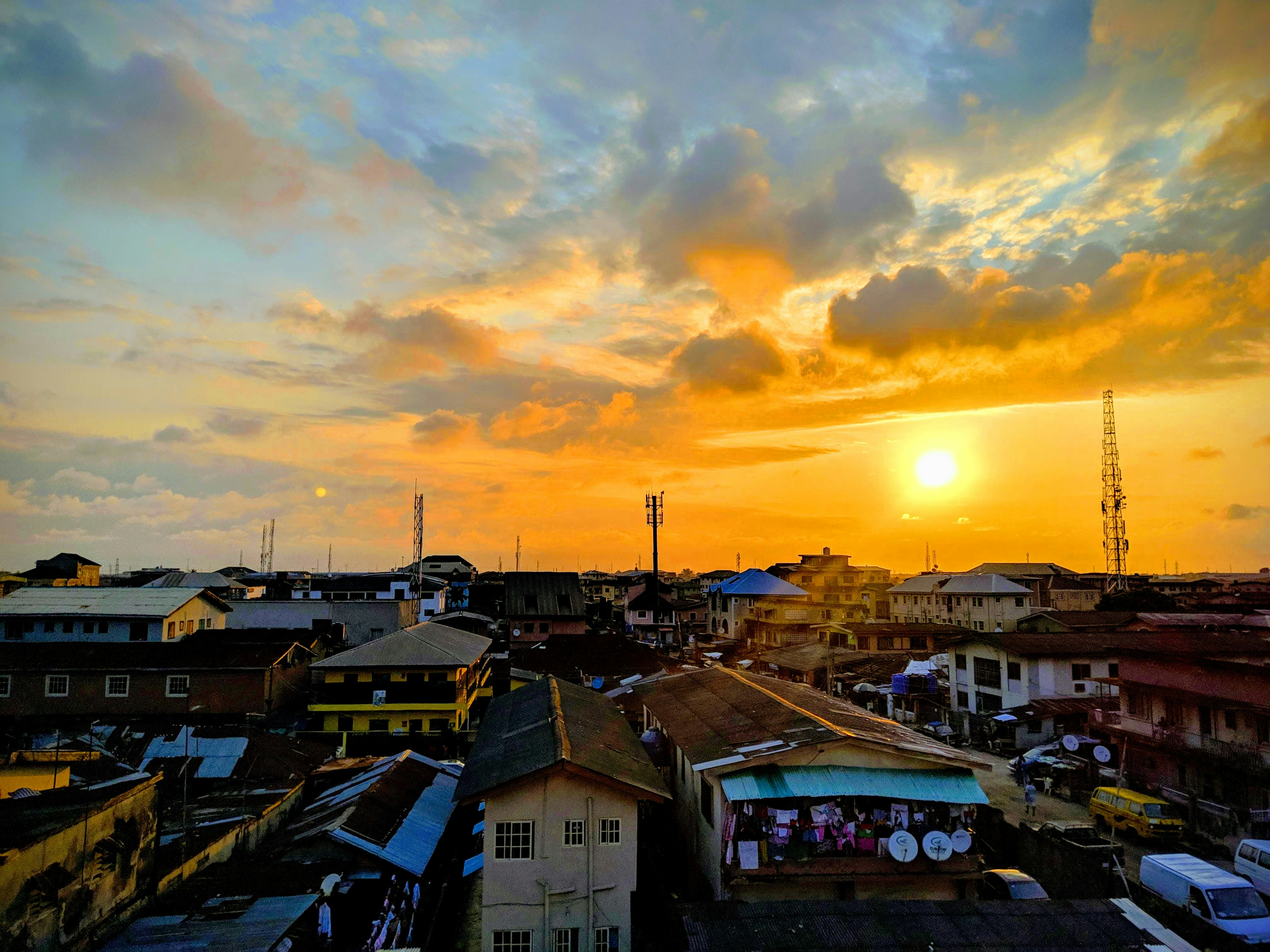
Nigeria is Africa’s most populous country, and you feel that dynamism everywhere – in Lagos’ creative scene, Abuja’s modern boulevards, and smaller cities where markets, football, and faith shape daily rhythms. Travellers come for Afrobeat nightlife, unforgettable food, and the sense of being in a place that is firmly shaping the continent’s future.
Compared with more familiar stops like Thailand or Japan, Nigeria is less polished but far more immersive. You’ll trade touristy photo-ops for real interactions: sharing jollof rice at a roadside buka, haggling for fabric, talking politics over suya in the evening. For many visitors, that raw authenticity is precisely the draw.
To help you decide if Nigeria fits your travel style, here’s an at-a-glance comparison:
| Traveller Type | Why You’ll Love Nigeria | What To Be Ready For |
|---|---|---|
| Culture seeker | Deep music, fashion, and religious life | Less tourist infrastructure than classic hotspots |
| Food lover | Bold flavors, street food, generous portions | Limited English menus outside big cities |
| Budget traveller | Affordable local food and transport | Need to plan for cash and variable prices |
| Digital nomad | Strong city internet, Hello eSIM | Power cuts, less coworking outside hubs |
This pillar guide gives you the high-level picture, while cluster articles like Nigeria Cultural Guide: Etiquette, Customs, and Tips and Nigeria Safety Guide: Tips for a Safe Trip help you go deeper on topics that matter most for your style of travel.
Best Time to Visit Nigeria
The best time to visit Nigeria is generally the dry season from November to March, when rainfall is low, roads are more reliable, and festivals and events are in full swing, making it easier and more enjoyable to explore cities and coastal areas.
Nigeria has two main seasons: a dry season (roughly October/November to March/April) and a wet season (April to October). As of 2026, most travel sources recommend planning trips for the core dry months, especially December–February, when humidity drops, skies are clearer (despite some Harmattan haze up north), and inter-city travel is less affected by rain.
Here’s a simple season comparison to help you decide when to go:
| Season | Months (approx.) | Weather & Travel | Best For |
|---|---|---|---|
| Early dry | Nov–Dec | Warm, mostly dry, busy events calendar | First-time visits, nightlife, festivals |
| Peak dry | Jan–Feb | Hot but less humid, good road conditions | Beach days, city-hopping |
| Late dry | Mar–Apr | Hotter, humidity rising, occasional storms | Budget airfares, shorter trips |
| Wet (north-light) | May–Jun | Rains increasing, still manageable | Experienced travellers, lower prices |
| Wet (peak) | Jul–Sep | Heavy rains, flooding risk in some areas | Only if you have specific reasons or local contacts |
| Transition | Oct | Mixed conditions, some showers, greener landscapes | Flexible travellers, photography |
Unlike super-seasonal destinations like Japan, Nigeria is visitable year-round if you’re prepared, but first-timers are usually happier planning for November–March. When building your dates around our itineraries – 3 Days in Nigeria, Nigeria in 5 Days, and Nigeria in 10 Days – aim for these drier months to get the best balance of comfort and reliability.
Nigeria Travel Budget Overview
Nigeria can be surprisingly affordable for everyday expenses in 2026, but prices vary widely by city and comfort level, so planning around a clear daily budget range – from shoestring to upscale – will help you avoid money stress on your trip.
As of 2026, Nigeria remains a cash-forward economy with fluctuating costs due to currency changes and inflation. Big cities like Lagos and Abuja are more expensive, while smaller towns and inland areas are cheaper for accommodation and food. To make sense of it all, our Nigeria Travel Budget Guide breaks down current daily costs for different travel styles.
Use this table as a quick benchmark (per person, per day):
| Style | Approx. Daily Budget (2026) | What It Typically Includes |
|---|---|---|
| Budget | Low local cost range with shared rooms & street food | Guesthouse/hostel, local buses, street food, minimal activities |
| Mid-range | Comfortable city hotel & mix of local/Western dining | Mid-range hotel, ride-hailing, restaurant meals, paid attractions |
| High-end | Upscale stays, private drivers, curated experiences | Boutique or chain hotels, domestic flights, guided tours |
Where you fall depends more on your expectations than the country itself. If you’re happy with local transport and simple guesthouses, Nigeria can be cheaper than classic Southeast Asia routes. If you prefer international hotel brands, private transfers, and nightly cocktails, your costs rise quickly.
For practical money management – how much cash to carry, which cards work best, and where to find ATMs – use the Nigeria Currency & Money Guide: Exchange, Cards, and Tips. Pair that with Hello’s built-in budget tracking and expense splitting features to log purchases in real time and share costs easily when travelling with friends.
Visa & Entry: What You Need Before You Land
As of 2026, most travellers need a visa to enter Nigeria, valid passports with at least six months’ remaining validity, and proof of onward travel and funds, so checking requirements early is essential to avoid problems at the airport.
Nigeria’s immigration rules differ by nationality. Citizens of ECOWAS countries enjoy visa-free access, but many others must apply for a visa in advance or use Nigeria’s e-visa system. Official guidance for the tourism F5A visa (single-entry, typically up to 90 days) requires:
- A passport valid at least six months beyond your intended stay
- Proof of return or onward ticket
- Proof of accommodation (hotel booking or host address)
- Evidence of sufficient funds (often a 180-day bank statement)
If you’re travelling on a Singapore passport, our dedicated Nigeria Visa & Entry Requirements for Singapore Passport Holders walks you through visa types, application steps, fees, customs allowances, and arrival procedures specific to Singapore citizens.
Here’s a simple decision framework:
- From ECOWAS? Likely visa-free or on simplified terms – still check latest rules.
- From Singapore? Use the Singapore-specific guide above.
- From elsewhere? Confirm if you qualify for e-visa or need an embassy application; apply 4–6 weeks before travel.
Regardless of nationality, always:
- Keep digital and printed copies of your visa approval and bookings.
- Ensure your passport has blank pages for stamps.
- Be ready to show a trip plan and local contact if asked.
Because regulations can change quickly, especially into 2026, treat the pillar guide as your overview, then rely on the detailed visa-entry cluster article for step-by-step instructions before you book flights.
Getting Around: Transport in Nigeria
Getting around Nigeria in 2026 typically means combining airport transfers, ride-hailing apps, city taxis, and inter-city buses or flights, and having a flexible plan makes moving between neighborhoods and cities much smoother.
Transport infrastructure varies: major hubs like Lagos, Abuja, and Port Harcourt have airports with domestic connections, while secondary cities rely more on road travel. Within cities, travellers often use a mix of taxis, minibuses, and widely adopted ride-hailing apps, which are particularly helpful if you’re new and want to avoid bargaining.
Our Getting Around Nigeria: Transport Guide for Travellers details airport transfers, public transport options, and driving tips, including why most short-term visitors skip self-driving due to traffic, road conditions, and local rules.
Think of your transport choices this way:
| Trip Type | Best Primary Mode | Why |
|---|---|---|
| Airport → City | Pre-booked transfer or ride-hailing | Predictable pricing, safer arrival, less stress |
| Within big cities | Ride-hailing + occasional taxis | Easier navigation, app-based fares |
| Between major cities | Domestic flights or reputable coach | Save time on long distances |
| Short regional hops | Private driver or shared minibus | Flexible timing, local insight |
Connectivity makes transport easier. With Hello eSIM, you can land, connect to data instantly, and use maps, ride-hailing, and messaging without hunting for local SIM shops. For specific route ideas, timings, and local nuances (for example, getting around during heavy rain), the 3-, 5-, and 10-day itineraries – 3 Days in Nigeria, Nigeria in 5 Days, and Nigeria in 10 Days – include day-by-day transport suggestions.
Food & Dining: Eating Your Way Through Nigeria
Nigeria’s food scene is one of the highlights of visiting in 2026, with deeply flavorful dishes like jollof rice, suya, and egusi soup, plus vibrant street food culture that’s both affordable and unforgettable when you know where – and how – to eat.
Expect hearty portions, spice-forward flavors, and a strong emphasis on rice, yam, cassava, and stews. Popular favorites include jollof rice (smoky, tomato-based), suya (spiced grilled meat), pounded yam with egusi (melon seed soup), and small chops (bite-sized snacks). In big cities you’ll find everything from open-air bukas to polished restaurants serving both Nigerian and international cuisine.
Our Nigeria Food Guide: Must-Try Dishes, Prices, and Tips breaks down dishes, typical prices, and where to try them, along with dietary tips if you’re vegetarian, vegan, or gluten-free.
Here’s how dining typically looks at different budget levels:
| Style | Where You’ll Eat | Approx. Cost Pattern |
|---|---|---|
| Street/Local | Markets, bukas, roadside grills | Very low per meal, cash-focused |
| Casual Restaurant | Mall food courts, neighborhood spots | Moderate, often card-friendly |
| Upscale Dining | Hotels, high-end city restaurants | High, service charges more common |
Food safety is generally manageable if you follow simple rules: choose busy stalls with high turnover, eat cooked-to-order food, and be cautious with salads and tap water. Many travellers stick to bottled or filtered water and avoid ice unless they trust the venue.
Tipping in restaurants is not always expected, but small additions for good service are appreciated. For a smooth first experience – including how to order, what to expect on the bill, and polite ways to decline meals if you’re full – pair the food guide above with the Nigeria Cultural Guide: Etiquette, Customs, and Tips.
Top Experiences & Suggested Itineraries
Nigeria rewards travellers who build structured itineraries, with top experiences ranging from Lagos nightlife and markets to historic sites and coastal escapes, and our 3-, 5-, and 10-day plans help you turn scattered ideas into a realistic route.
Because distances are large and traffic can be intense, you’ll enjoy Nigeria much more if you cluster experiences around key hubs instead of trying to “see everything.” Common highlights include:
- Exploring Lagos’ markets, galleries, and music venues
- Visiting cultural and historical landmarks
- Enjoying coastal time and nature around select regions
To make this tangible, use our three core itineraries:
- 3 Days in Nigeria: A Day-by-Day Itinerary – perfect for a quick city-focused break.
- Nigeria in 5 Days: The Perfect Extended Itinerary – adds more neighborhoods and nearby excursions.
- Nigeria in 10 Days: The Ultimate Travel Itinerary – best for combining multiple cities and varied landscapes.
Here’s a simple itinerary decision tree:
- Have 3–4 days? Base yourself in one city and dive deep into markets, food, and nightlife.
- Have 5–7 days? Add a secondary area or coastal region plus a day trip.
- Have 8–12 days? Combine multiple cities, balancing intense days with slower ones.
When planning your route, cross-check dates with the best time to visit section, factor in transport time between destinations, and leave buffer days – especially in the wet season. Hello’s trip planning and budget tracking features can help keep all bookings and day plans in one place while you follow the detailed cluster itineraries.
Staying Connected: Hello eSIM & Mobile Data
In 2026, the easiest way to stay online in Nigeria is to use Hello eSIM, which gives you instant data on arrival, lets you track travel expenses in the same app, and saves you the hassle of visiting SIM shops or dealing with physical cards.
Nigeria’s mobile networks offer solid coverage in major cities and many regional areas, but setup can be bureaucratic if you rely on traditional SIMs. With Hello’s global eSIM support, you can purchase a Hello eSIM data plan for Nigeria before departure or on the way, install it digitally, and be connected within minutes of landing.
Our dedicated eSIM for Nigeria: Best Plans, Coverage, and Setup Tips explains recommended data allowances, typical speeds, and where coverage is strongest (usually in urban corridors and along key highways). It also walks you through step-by-step installation and how to switch between Hello eSIM and your home carrier as needed.
Why use Hello eSIM for Nigeria?
- Instant activation: No kiosks or paperwork at the airport.
- Local-style data pricing: More predictable costs than roaming.
- Integrated tools: Expense splitting and budget tracking in the same app.
For trip planning, think about how you’ll use data – maps, ride-hailing, video calls, social posting – and choose a plan accordingly. In busier cities, mobile data is often faster and more reliable than public Wi‑Fi, so planning generous data is wise. Combine the technical details in the eSIM cluster guide with safety and transport articles like Nigeria Safety Guide: Tips for a Safe Trip and Getting Around Nigeria: Transport Guide for Travellers to make the most of being connected.
Culture, Etiquette & Safety Basics
Nigeria is welcoming to visitors, but understanding local culture, etiquette, and basic safety guidance will make your trip smoother and help you build more respectful, enjoyable connections with people you meet.
Culturally, Nigeria is diverse, with many ethnic groups, languages, and religious communities. Greetings matter: a friendly “Good morning” or “Good afternoon,” using titles and handshakes where appropriate, goes a long way. Dress codes range from casual in many urban areas to more modest expectations around religious sites and formal events.
Our Nigeria Cultural Guide: Etiquette, Customs, and Tips offers practical advice on greetings, dress, social norms, and useful phrases. It’s especially helpful for understanding how to navigate invitations, negotiations, and photo-taking.
On safety, Nigeria in 2026 requires typical big-city precautions plus attention to local news and guidance. Many travellers visit without serious issues, but you should plan carefully: avoid displaying valuables, use known transport providers, and ask trusted locals or your accommodation about areas to avoid.
The Nigeria Safety Guide: Tips for a Safe Trip covers current safety considerations, health advisories, common scams, and emergency contacts. It also reinforces the value of comprehensive travel insurance and basic health prep (such as vaccinations recommended for West Africa).
A simple mindset checklist:
- Respect: Assume diversity of beliefs and customs; ask if unsure.
- Awareness: Stay alert in crowded spaces and at night.
- Preparation: Save emergency numbers, embassy contacts, and key addresses offline.
Pair the cultural and safety guides with Hello’s connectivity tools so you can quickly check directions, contact accommodation, or reach assistance if needed.
Money, Currency & Everyday Practicalities
Using money in Nigeria in 2026 means balancing cash and cards, understanding how the local currency works, and preparing for variable ATM reliability, all of which you can handle smoothly with a bit of planning and the right tools.
Nigeria uses the naira (NGN). Exchange rates have fluctuated in recent years, so always check current rates close to your travel date. In big cities, cards are increasingly accepted at hotels, malls, and larger restaurants, but cash remains king for markets, small eateries, and local transport.
The Nigeria Currency & Money Guide: Exchange, Cards, and Tips explains where to exchange money, how to spot fair rates, and common quirks like ATM limits and occasional outages. It also covers tipping norms and money-saving tactics.
To simplify your day-to-day:
- Keep a mix of denominations for small purchases.
- Store emergency cash separately from your main wallet.
- Use hotel safes or secure storage for larger amounts.
Hello’s budget tracking and expense splitting features help you log spending in real time and share costs with friends, which is particularly useful in a cash-heavy environment where it’s easy to lose track.
Beyond money, practicalities include power (Nigeria commonly uses 230V, and power cuts can occur), water (many visitors prefer bottled or filtered), and basic pharmacy access (city pharmacies are widely available). Cross-reference these with broader prep topics in the Nigeria Safety Guide: Tips for a Safe Trip and Nigeria Travel Budget Guide: Daily Costs and Money Tips to build a realistic picture of daily life.
Before You Go: Pre-Trip Checklist for Nigeria
A well-organized checklist is the easiest way to turn “I want to visit Nigeria” into a real 2026 trip, covering visas, flights, health, money, connectivity, and cultural prep so you arrive confident instead of scrambling.
Use this Before You Go checklist as your high-level planner, then dive into the linked cluster articles for details:
Documents & Admin
- Check passport validity (minimum six months beyond your travel dates).
- Confirm visa requirements; start applications 4–6 weeks before departure.
- Print and save digital copies of bookings, insurance, and key contacts.
Health & Safety
- Review recommended vaccinations and medications for West Africa.
- Purchase comprehensive travel insurance.
- Read the Nigeria Safety Guide: Tips for a Safe Trip for current advice.
Money & Budget
- Decide on your daily budget style (budget, mid-range, high-end).
- Notify banks about travel; check card limits and fees.
- Read Nigeria Travel Budget Guide: Daily Costs and Money Tips and Nigeria Currency & Money Guide: Exchange, Cards, and Tips.
Connectivity & Apps
- Purchase and install Hello eSIM for Nigeria.
- Set up Hello’s trip planning, budget tracking, and expense splitting.
Culture & Itinerary
- Read Nigeria Cultural Guide: Etiquette, Customs, and Tips.
- Choose your route: 3 Days, 5 Days, or 10 Days.
By following this list, you’ll combine the big-picture overview of this pillar guide with the deep, practical detail from each cluster article – and give yourself the best possible start to your Nigeria adventure.
Nigeria Safety Guide: Tips for a Safe Trip
Budget PlanningNigeria Travel Budget Guide: Daily Costs and Money Tips
Currency & MoneyNigeria Currency & Money Guide: Exchange, Cards, and Tips
eSIM & ConnectivityeSIM for Nigeria: Best Plans, Coverage, and Setup Tips
Cultural GuideNigeria Cultural Guide: Etiquette, Customs, and Tips
Itineraries3 Days in Nigeria: A Day-by-Day Itinerary
ItinerariesNigeria in 5 Days: The Perfect Extended Itinerary
ItinerariesNigeria in 10 Days: The Ultimate Travel Itinerary
Frequently Asked Questions
Is Nigeria safe to visit in 2026 for independent travellers?
Many independent travellers visit Nigeria safely each year, especially when they stick to well-known areas, use reputable transport, and follow local advice. As with any large, complex country, conditions vary by region. The Nigeria Safety Guide: Tips for a Safe Trip provides up-to-date guidance on areas to be cautious about, common scams, emergency contacts, and health considerations. Combine that with solid planning, Hello eSIM connectivity, and travel insurance for a responsible, informed trip.
How much should I budget per day for a trip to Nigeria?
Daily costs depend on your travel style and which cities you visit, but as a rough framework, budget travellers can get by on a low local range with simple accommodation and street food, mid-range travellers should plan more for hotels and restaurant meals, and high-end travellers will spend significantly more on upscale stays and private transport. The Nigeria Travel Budget Guide: Daily Costs and Money Tips gives specific 2026 figures, while the Nigeria Currency & Money Guide explains how to handle naira, cards, and ATMs.
What is the best time of year to visit Nigeria?
Most travellers prefer the dry season, roughly November to March, when rainfall is low, roads are more reliable, and events are frequent. December–February is particularly popular for comfortable conditions and lively city atmospheres. If you’re flexible and experienced, shoulder periods like March–April or May–June can offer lower prices with some weather trade-offs. Use our season overview in this pillar guide together with the itineraries – 3 Days, 5 Days, and 10 Days – to match your dates to your plans.
Do I need a visa to visit Nigeria as a tourist?
As of 2026, most non-ECOWAS nationals do need a visa to enter Nigeria for tourism, typically a single-entry visa valid for up to 90 days. Requirements include a passport with at least six months’ validity, proof of onward travel, accommodation details, and evidence of sufficient funds. Singapore passport holders have specific guidance in Nigeria Visa & Entry Requirements for Singapore Passport Holders. Always check the latest official information and start the process several weeks before your trip.
How can I stay connected in Nigeria without buying a physical SIM card?
The simplest way in 2026 is to use Hello eSIM, which lets you purchase and activate a Nigeria data plan digitally before or after you land. You’ll connect to local networks for maps, messaging, and ride-hailing without visiting SIM shops or dealing with paperwork. The eSIM for Nigeria: Best Plans, Coverage, and Setup Tips explains how to choose the right data allowance, install Hello eSIM, and manage connectivity alongside Hello’s trip planning and budget tools.
What are the must-try Nigerian dishes for first-time visitors?
Iconic dishes include jollof rice, suya (spiced grilled meat), pounded yam with egusi soup, and small chops (bite-sized snacks), along with regional specialties you’ll discover in markets and bukas. Prices are generally affordable, especially at local spots. The Nigeria Food Guide: Must-Try Dishes, Prices, and Tips offers a detailed run‑down of what to order, typical meal costs, and food safety advice, plus options for vegetarians and other dietary needs.
How many days do I need to get a good feel for Nigeria?
You can get a strong first impression in 3–5 days by focusing on one main city, but 7–10 days lets you combine multiple destinations and experiences at a more relaxed pace. Our itineraries are designed around these common trip lengths: 3 Days in Nigeria, Nigeria in 5 Days, and Nigeria in 10 Days provide day-by-day activities, transport suggestions, and typical costs so you can match your available time to the kind of trip you want.
eSIM Plans for Nigeria
Detailed Articles
Dive deeper into specific topics covered in this guide.
Nigeria Cultural Guide: Etiquette, Customs, and Tips
Essential do's and don'ts, greeting customs, dress codes, local phrases, and cultural tips for Nigeria.
5 June 2026
Nigeria Safety Guide: Tips for a Safe Trip
Safety tips, health advisories, emergency contacts, common scams, and travel insurance advice for Nigeria.
20 July 2026
3 Days in Nigeria: A Day-by-Day Itinerary
A detailed 3-day itinerary for Nigeria with daily activities, costs, neighborhoods, and transport tips.
14 June 2026
Nigeria in 5 Days: The Perfect Extended Itinerary
A detailed 5-day itinerary for Nigeria with daily activities, costs, neighborhoods, and transport tips for an extended stay.
8 May 2026
Nigeria in 10 Days: The Ultimate Travel Itinerary
A comprehensive 10-day itinerary for Nigeria covering top attractions, hidden gems, daily costs, and transport between cities.
22 June 2026
Nigeria Travel Budget Guide: Daily Costs and Money Tips
How much does it cost to travel in Nigeria? Daily budget breakdowns for budget, mid-range, and luxury travellers.
27 February 2026
Nigeria Currency & Money Guide: Exchange, Cards, and Tips
Currency exchange, credit card acceptance, ATM tips, tipping culture, and money-saving advice for Nigeria.
27 March 2026
Nigeria Visa & Entry Requirements for Singapore Passport Holders
Visa requirements, passport validity, customs allowances, and entry tips for Singapore citizens travelling to Nigeria.
11 July 2026
More Travel Guides
Destination Guide
Complete Bosnia and Herzegovina Travel Guide 2026
Everything you need to know about travelling to Bosnia and Herzegovina — budget, visa, food, transport, eSIM connectivity, and itineraries.
Destination Guide
Complete Bahamas Travel Guide 2026
Everything you need to know about travelling to Bahamas — budget, visa, food, transport, eSIM connectivity, and itineraries.
Destination Guide
Complete Bahrain Travel Guide 2026
Everything you need to know about travelling to Bahrain — budget, visa, food, transport, eSIM connectivity, and itineraries.
Destination Guide
Complete Sint Eustatius Travel Guide 2026
Everything you need to know about travelling to Sint Eustatius — budget, visa, food, transport, eSIM connectivity, and itineraries.