Nigeria in 10 Days: The Ultimate Travel Itinerary
A comprehensive 10-day itinerary for Nigeria covering top attractions, hidden gems, daily costs, and transport between cities.
By Hello Travel Team
This article contains affiliate links. If you book through them, Hello may earn a commission at no additional cost to you. Our editorial recommendations are independent. Learn more.
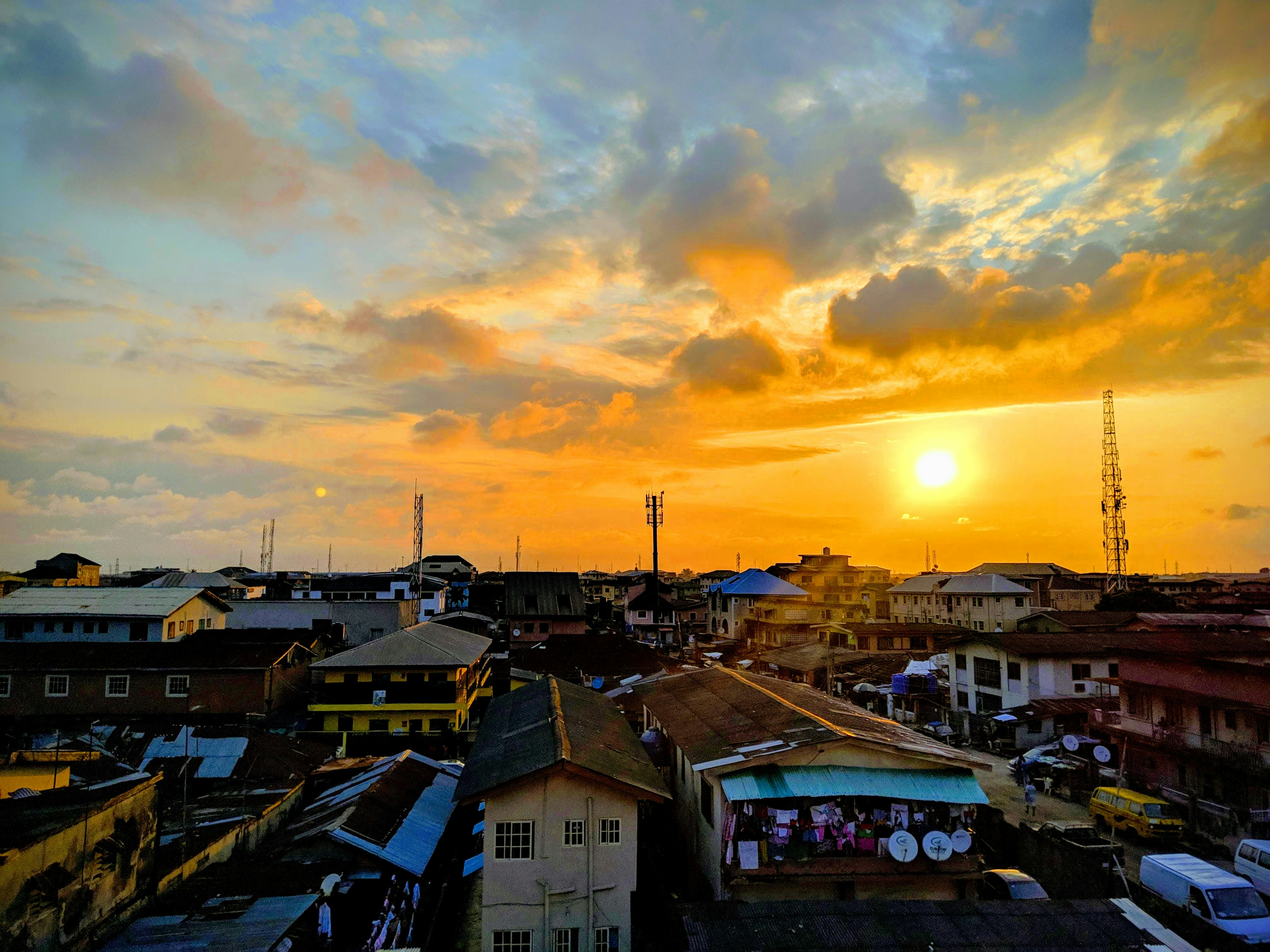
- 1
Arrival in Lagos & First Taste of Victoria Island
- AfternoonArrive at Murtala Muhammed International Airport and clear immigration
- AfternoonAirport taxi to Victoria Island or Lekki~$12
- Late AfternoonCheck-in and neighborhood walk
- EveningDinner at local Nigerian restaurant (jollof rice, suya, grilled fish)~$12
Victoria IslandLekki Phase 1Use official airport taxis or ride-hailing; agree on fare in advance or ensure meter/price is visible.
Budget$60Mid-range$110Luxury$220 - 2
Lagos Island: National Museum, Balogun Market & Freedom Park
- MorningTaxi from hotel to National Museum Lagos~$4
- MorningVisit National Museum Lagos~$3
- AfternoonWalk/short taxi to Balogun Market for fabrics and street snacks~$6
- EveningDrinks and live music at Freedom Park~$10
- EveningTaxi back to hotel~$4
Lagos IslandMarinaOnikanPlan around traffic; avoid peak rush hours when crossing between Island and Mainland.
Budget$65Mid-range$120Luxury$210 - 3
Art, Lekki Conservation Centre & Tarkwa Bay Beach
- MorningVisit Nike Art Gallery in Lekki~$3
- Late MorningTaxi to Lekki Conservation Centre and canopy walkway~$4
- AfternoonEntry to Lekki Conservation Centre~$4
- AfternoonBoat transfer to Tarkwa Bay Beach (round trip)~$8
- AfternoonBeach chairs and snacks at Tarkwa Bay~$10
- EveningDinner back on Victoria Island~$12
LekkiVictoria IslandTarkwa BayConfirm boat safety and life jackets; carry small cash for beach vendors.
Budget$70Mid-range$130Luxury$220 - 4
Fly Lagos to Abuja & Explore the Capital’s Landmarks
- MorningTaxi to Lagos airport~$10
- MorningDomestic flight Lagos to Abuja~$90
- Late MorningTaxi from Abuja airport to city hotel~$10
- AfternoonVisit Nigerian National Mosque and National Christian Centre
- EveningSunset walk in Millennium Park
- EveningDinner at local Abuja restaurant~$15
Central Business DistrictAsokoroPre-book flights where possible; Abuja taxis are generally less hectic than Lagos but still confirm price.
Budget$110Mid-range$170Luxury$260 - 5
Abuja Arts & Crafts Village, Jabi Lake and Wuse Market
- MorningTaxi to Abuja Arts and Crafts Village~$4
- MorningShopping for crafts and souvenirs~$15
- AfternoonLunch at Jabi Lake Mall or lakeside restaurant~$12
- AfternoonBoat ride or lakeside stroll at Jabi Lake~$6
- Late AfternoonVisit Wuse Market for local produce and fabrics~$5
- EveningDinner and drinks in Wuse 2~$18
WuseJabiCentral AreaCarry small denominations in naira for bargaining and market purchases.
Budget$70Mid-range$130Luxury$220 - 6
Abuja Hills Viewpoint & Nightlife
- MorningGuided hike to a nearby hill viewpoint (e.g., Asokoro or Katampe area)~$30
- AfternoonLunch at café in Maitama~$15
- AfternoonRelax at hotel pool or café
- EveningDinner and rooftop bar in Wuse 2 or Maitama~$25
MaitamaWuse 2Use taxis or ride-hailing after dark; confirm return transport from nightlife spots.
Budget$65Mid-range$140Luxury$230 - 7
Travel to Nature Stop (e.g., Yankari Game Reserve or Idanre Hills)
- MorningTransfer to airport or car pickup for nature destination~$10
- MorningDomestic flight or long-distance drive to Bauchi or Ondo area~$90
- AfternoonCheck-in at lodge or guesthouse
- AfternoonIntroductory walk or short drive around area~$10
- EveningDinner at lodge/guesthouse~$15
Bauchi region or Ondo StateRoads can be slow; travel in daylight and with reputable drivers or organized tours.
Budget$90Mid-range$150Luxury$260 - 8
Full Day of Nature: Wildlife or Hiking
- MorningMorning game drive or guided hike~$40
- AfternoonVisit to Wikki Warm Springs or hill viewpoints~$10
- AfternoonLunch at lodge or picnic~$12
- Late AfternoonFree time to relax or optional extra walk
- EveningDinner at lodge~$15
National park area or hill townFollow local safety guidance for wildlife and hiking; carry water and sun protection.
Budget$80Mid-range$140Luxury$250 - 9
Return to Lagos or Abuja & Last City Evening
- MorningTransfer from lodge to nearest airport or back to city by road~$90
- AfternoonCheck-in at city hotel
- AfternoonLight shopping or café time near hotel~$10
- EveningFarewell dinner with live music~$20
Victoria Island or Wuse/Maitama (depending on departure city)Choose your final city (Lagos or Abuja) based on your international flight; reconfirm flight times.
Budget$80Mid-range$150Luxury$260 - 10
Souvenirs, Brunch & Departure
- MorningBrunch at café near hotel~$12
- Late MorningQuick visit to nearby market or mall for last souvenirs~$15
- AfternoonTaxi to international airport~$12
- AfternoonSnacks and drinks at airport~$10
Victoria Island & Ikeja (Lagos) or Wuse & Airport Road (Abuja)Allow 3–4 hours before international departure, especially in Lagos due to traffic and security checks.
Budget$70Mid-range$120Luxury$230
Trip Summary
Trip starter
Turn this 10-day itinerary into a Hello trip
Start with a prefilled trip for Nigeria, then add dates, invite friends, track expenses, and pick an eSIM before you land.
Name and destination carried into the app.
Split costs and settle up during the trip.
Choose data for the destination before departure.
TL;DR: A Perfect 10-Day Nigeria Itinerary at a Glance
This 10-day Nigeria itinerary focuses on Lagos, Abuja, and a taste of nature and culture, balancing city buzz with beaches, markets, and historic sites. You’ll move mostly by domestic flights and trusted taxis, with daily budgets ranging from $60–$250 per person in 2026.
Across 10 days, you’ll split time between Lagos (Nigeria’s cultural and economic hub), Abuja (the calmer, purpose-built capital), and a short escape into nature for wildlife and waterfalls. According to the World Bank, Nigeria’s population surpassed 220 million in 2024, so expect energy, traffic, and crowds—and huge variety in food, music, and culture.
In Lagos, you’ll base yourself around Victoria Island or Lekki for safer, more convenient access to key sights like Nike Art Gallery, Lekki Conservation Centre, and Tarkwa Bay Beach. In Abuja, you’ll explore the National Mosque, Millennium Park, and Jabi Lake, then add a day trip for hiking and countryside views.
A typical spending range in 2026 looks like this per day:
- Budget: $60–$80 (hostels/guesthouses, street food, shared taxis)
- Mid-range: $110–$150 (good hotels, mix of street and sit-down meals, ride-hailing)
- Luxury: $200–$250+ (4–5* hotels, private drivers, premium dining)
Using the Hello app to pre-purchase a Hello eSIM for Nigeria, log expenses with AI receipt scanning, and split costs with friends makes it much easier to stay on top of spending while you focus on the adventure.
Days 1–3: Lagos Arrival, Island Highlights, Art & Beach Time
Your first three days in Lagos anchor your Nigeria 10 day itinerary with art, food, and coastal vibes across Victoria Island, Lekki, and Lagos Island, all within a 30–60 minute drive of one another depending on traffic.
Day 1 – Arrival & Victoria Island / Lekki
Most international flights land in the afternoon or evening at Murtala Muhammed International Airport. A regulated airport taxi or ride-hailing car to Victoria Island or Lekki costs around ₦8,000–₦12,000 ($8–$15 in 2026). Check into a hotel or guesthouse, then stretch your legs with an early dinner at a local spot like Yellow Chilli or a suya (spiced grilled meat) stand; a filling meal runs about ₦6,000–₦10,000 ($6–$10).
Day 2 – Lagos Island, Markets & History
Start at the National Museum Lagos to see traditional masks and historic artifacts (tickets around ₦2,000–₦3,000). Then walk or taxi to Balogun Market, one of West Africa’s busiest markets, for fabric and household items—carry small cash and keep valuables close. Lunch in Lagos Island’s canteens can be as low as ₦2,500–₦4,000 ($2.50–$4). End the day at Freedom Park, a former colonial prison turned cultural space with live music.
Day 3 – Art, Lekki Conservation Centre & Beach
Begin at Nike Art Gallery in Lekki, one of West Africa’s largest art galleries, then head to Lekki Conservation Centre for its canopy walkway and boardwalk through mangroves. Entry is about ₦3,000–₦5,000 in 2026. Finish at Tarkwa Bay Beach, accessible by boat from Lagos Island; expect ₦3,000–₦5,000 for a return boat trip plus beach chairs.
Daily budgets for Lagos:
- Budget: $60–$70
- Mid-range: $110–$130
- Luxury: $200–$230
With Lagos’ traffic and complex addressing, having maps and ride-hailing apps working via a Hello eSIM for Nigeria keeps your Nigeria travel plan much smoother from day one.
Days 4–6: Detailing Your Nigeria 10 Day Itinerary in Abuja
The middle section of your Nigeria 10 day itinerary moves you to Abuja, the calmer federal capital, where wide roads, planned neighborhoods, and iconic monuments contrast with the chaos of Lagos.
Day 4 – Fly Lagos to Abuja & City Orientation
Domestic flights Lagos–Abuja take about 1 hour and typically cost $60–$120 one way in 2026 depending on the airline and season, according to regional flight aggregators. Aim for a morning flight, then take an official airport taxi into town (₦8,000–₦12,000). After checking in, visit the Nigerian National Mosque and nearby National Christian Centre to admire their striking modern architecture, then walk or taxi to Millennium Park for sunset.
Day 5 – Arts, Jabi Lake & Wuse Market
Start at the Abuja Arts and Crafts Village, where you can buy wood carvings, textiles, and jewelry—bargaining is expected. Lunch at Jabi Lake Mall or one of the lakeside restaurants costs around ₦5,000–₦8,000 ($5–$8). In the afternoon, take a boat ride on Jabi Lake or relax by the water. Finish at Wuse Market, the city’s main market, busy but less intense than Lagos Island’s, ideal for last-minute souvenirs.
Day 6 – Abuja Viewpoints & Nightlife
If you’re up for mild adventure, plan a half-day hike in the hills that frame the city (Asokoro or Katampe areas) with a local guide; expect $20–$40 per person for guiding and transport. Evening is for Abuja’s lounges and rooftop bars in Wuse 2 or Maitama—budget $15–$25 for a main dish and drink in 2026.
Typical Abuja daily budget:
- Budget: $60–$75
- Mid-range: $110–$140
- Luxury: $200–$240
Use the Hello app to track these costs in naira and your home currency simultaneously, with AI receipt scanning handling restaurant and taxi receipts for you.
Days 7–9: Nature, Waterfalls, and Cultural Day Trips from the Cities
To turn a standard Nigeria itinerary into a memorable Nigeria 10 day trip, add 2–3 days of nature and cultural excursions reachable from Lagos or Abuja with a mix of car and short flights.
Nigeria’s tourism boards highlight sites like Idanre Hills in Ondo State and Yankari Game Reserve in Bauchi as standout natural attractions; Lonely Planet also recommends Mambilla Plateau and Osogbo’s Osun Sacred Grove as top experiences. These regions require more travel time, so for a first trip, focus on one nature hub.
Option A – From Abuja: Yankari Game Reserve (2–3 days)
Yankari in Bauchi State is famous for Wikki Warm Springs and wildlife like baboons, antelope, and elephants. A typical route is Abuja–Bauchi by domestic flight (about 1 hour 20 minutes, $80–$150 return in 2026) plus a 2–3 hour road transfer. Park entry and game drives can total $40–$80 per day, according to local tour operators, while simple lodge accommodation runs $40–$100 per night.
Option B – From Lagos: Idanre Hills / Ondo State (1–2 days)
Idanre Hills, often cited in local travel blogs as one of Nigeria’s most beautiful landscapes, lies 4–5 hours by road from Lagos. Join a small group tour or hire a driver (around $60–$100 per day for the car). Expect modest entry fees, a stair-heavy hike past shrines and old settlements, and incredible valley views.
Food & daily spend in nature areas (per person):
- Budget: $55–$70
- Mid-range: $90–$130
- Luxury: $170–$220 (with private guides and premium lodges)
In more remote zones you’ll rely heavily on mobile maps and messaging; preloading offline maps and keeping data topped up through an eSIM from Hello is especially helpful where Wi‑Fi is patchy.
Day 10: Last-Minute Lagos or Abuja and Departure
Your final day in Nigeria is best used for last-minute shopping and one or two easy-access sights, keeping traffic and airport timing firmly in mind as you wrap up your Nigeria travel plan.
If you fly out of Lagos, allow 3–4 hours pre-departure because of security and traffic. Spend your morning near your base: in Victoria Island, you might grab brunch at a café (₦7,000–₦12,000 / $7–$12 per person) then browse boutiques or markets like Lekki Arts & Crafts Market for last souvenirs. For a shorter layover, Ikeja City Mall is close to the airport and has ATMs, supermarkets, and quick food options.
If you depart from Abuja, the airport is usually more predictable, but still plan to arrive 2.5–3 hours early. You could fit in a quick stroll around Jabi Lake or a relaxed lunch in Wuse 2. Meals at mid-range restaurants here average $10–$18 in 2026, based on local menu surveys.
Before heading to the airport, use the Hello app to:
- Check your total trip spend with multi-currency tracking
- Split shared costs like drivers, tours, and apartments with travel friends
- Export a simple CSV summary for future planning
End-of-trip budget guidelines:
- Budget traveler: $70–$80 (souvenirs + meals + airport transfers)
- Mid-range: $110–$140
- Luxury: $180–$250+ (upgrades, lounge access, last shopping)
This flexible last day lets you adjust for delays or extra shopping without stressing over your carefully planned Nigeria 10 day itinerary.
Budget Breakdown: Daily Costs, Transport, and Where Hello Helps
For most travelers, a realistic Nigeria itinerary budget in 2026 ranges between $600 and $2,200 per person for 10 days, excluding international flights, depending on comfort level and how many domestic flights and tours you add.
Here is a simplified cost comparison for a typical day across Lagos, Abuja, and a nature stop:
| Category | Budget (USD/day) | Mid-range (USD/day) | Luxury (USD/day) |
|---|---|---|---|
| Accommodation | $20–$30 | $50–$80 | $150–$250 |
| Food & drinks | $10–$15 | $25–$35 | $60–$90 |
| Local transport | $5–$10 | $10–$20 | $30–$60 |
| Activities & entry | $10–$20 | $20–$40 | $40–$80 |
| Daily total (approx.) | $45–$75 | $105–$175 | $280–$480 |
According to Nigeria’s National Bureau of Statistics consumer price updates, food and transport costs have risen steadily since 2022, so it is wise to build in a 10–15% buffer in your 2026–2027 budget. Domestic flight prices are similarly volatile with fuel changes across West Africa.
This is where the Hello app becomes especially useful. You can:
- Log naira cash spends instantly with AI receipt scanning (even on crumpled POS slips).
- Track multi-currency totals (USD, EUR, NGN) with live exchange rates.
- Split big shared items—like private drivers between cities or apartment rentals—with friends, even if different people paid in different currencies.
For connectivity, a Hello eSIM lets you activate data before landing and monitor data usage alongside your trip budget so there are no surprise roaming charges eating into your Nigeria 10 day trip funds.
Common Questions About Planning a 10-Day Trip to Nigeria
Most first-time visitors planning a Nigeria 10 day itinerary ask about safety, best locations, and practical costs; with realistic expectations and good local advice, Nigeria can be an intense but rewarding trip.
Is 10 days enough for Nigeria?
Ten days is enough for Lagos + Abuja + one nature or culture side-trip. Distances are large and infrastructure varies, so trying to cover too many regions (like both Obudu and Mambilla) in one visit is not realistic.
How much cash do I need?
Nigeria is increasingly cashless in big cities, but small businesses still prefer cash. In 2026, plan to withdraw the equivalent of $100–$200 in naira for markets, street food, and tips. Keep the rest on cards where possible.
Is Nigeria safe for tourists?
Major centers like Lagos and Abuja have busy, tourist-friendly zones, but petty theft and scams exist. Follow local advice, avoid wandering at night in unfamiliar neighborhoods, and use reputable taxis or ride-hailing. Many international governments advise checking their latest travel advisories before you go.
Do I need a SIM card or eSIM?
Having mobile data is very helpful for maps, ride-hailing, and translation. With Hello eSIM for Nigeria (/esim/nigeria), you can arrive connected, buy data plans starting from 5GB, and avoid searching for physical SIM vendors at the airport.
What’s the best time to visit?
Generally, the dry season from about November to March is more comfortable for travel and road trips, while coastal Lagos can feel humid year-round. Check specific seasonal conditions for nature destinations like Yankari or Idanre Hills.
Can I manage my trip costs easily?
Yes. The Hello app offers budget tracking, AI-powered expense categorization, and CSV/PDF import of bank statements if you want a detailed record of your Nigeria travel plan.
Explore These Destinations
Stay Connected
Book this trip
Compare options on trusted travel sites
Plan stays for this trip
Continue to a reviewed booking partner to check current property details and terms.

Make the most of Nigeria
From eSIM connectivity to expense tracking, Hello is the all-in-one companion that keeps your trip stress-free.
Related Articles
Nigeria Safety Guide: Tips for a Safe Trip
Safety tips, health advisories, emergency contacts, common scams, and travel insurance advice for Nigeria.
20 July 2026
Nigeria Visa & Entry Requirements for Singapore Passport Holders
Visa requirements, passport validity, customs allowances, and entry tips for Singapore citizens travelling to Nigeria.
11 July 2026
eSIM for Nigeria: Best Plans, Coverage, and Setup Tips
Everything you need to know about using eSIM in Nigeria. Best data plans, network coverage, and setup instructions.
2 July 2026