Key Takeaways
- ✓New Zealand is a safe, scenic, year-round destination where you can tailor trips from 3 to 10 days using linked itineraries.
- ✓As of 2026, typical daily budgets range from roughly NZD 120–180 (budget) to NZD 400+ (luxury), with strong card acceptance and easy ATM access.
- ✓Visa and entry requirements vary by nationality, so always confirm your specific rules — Singapore citizens can use the dedicated visa-entry guide.
- ✓Driving is often the best way to explore New Zealand, but buses and domestic flights provide good alternatives on major routes.
- ✓Hello eSIM offers instant, hassle-free data in New Zealand, powering navigation, messaging, and in-app budget tracking without roaming fees.
- ✓New Zealand’s food scene combines Māori traditions, fresh local produce, and modern cafés, with options for most dietary needs.
- ✓Understanding local culture and safety basics via the cultural and safety guides helps you travel respectfully and confidently.
- ✓A simple pre-departure checklist — visas, transport, budget, connectivity, and insurance — turns New Zealand trip planning into a clear, manageable process.
New Zealand is the kind of place that quietly steals your heart: snow-dusted peaks, turquoise lakes, world-class wine, and easy-going cities where nature is never more than a short drive away. This guide is your 2026 one-stop hub for planning a trip — from visas and budgets to food, transport, and connectivity.
We’ll walk through the best time to visit, how much you should budget per day, and what visas and entry rules apply (especially if you’re coming from Singapore). You’ll find an overview of getting around New Zealand by car, bus, train, and domestic flights, plus how to stay online with Hello eSIM so you can navigate, chat, and share every moment.
You’ll get a taste of New Zealand’s food culture, from Māori hāngī feasts to fresh seafood and café brunches, and discover essential cultural etiquette so you can connect respectfully with locals. We’ll highlight top experiences and sample itineraries from 3 to 10 days, and finish with a practical “Before You Go” checklist, FAQs, and key takeaways.
Throughout this pillar guide, you’ll find links to detailed cluster articles that dive deeper into each topic, while this page gives you the big-picture strategy: how to put everything together into a smooth, memorable New Zealand trip.
Why Visit New Zealand in 2026
New Zealand in 2026 offers dramatic landscapes, easy self-drive routes, and a relaxed culture, all wrapped in a safe, modern infrastructure that makes it ideal for both first-time and repeat travellers.
This is the kind of destination that works whether you’re backpacking, road-tripping with friends, or planning a once-in-a-lifetime honeymoon. In one trip you can hike glacier valleys, cruise through fjords, taste award-winning wines, and dine in vibrant cities like Auckland, Wellington, and Christchurch.
What sets New Zealand apart is how accessible its nature is. Many iconic viewpoints are just a short walk from the car park, while longer trails like the Tongariro Alpine Crossing or Routeburn Track reward more experienced hikers. Paired with reliable roads and English-language signage, it’s one of the easiest places in the world to rent a car and explore at your own pace — see Getting Around New Zealand: Transport Guide for Travellers for options, costs, and driving tips.
Culturally, New Zealand offers a rich blend of Māori heritage and contemporary Kiwi life. Before you go, read the New Zealand Cultural Guide: Etiquette, Customs, and Tips so you understand key concepts like manaakitanga (hospitality) and how to behave respectfully at marae (Māori meeting grounds).
From a practical standpoint, New Zealand maintains strong safety standards and healthcare access. The New Zealand Safety Guide: Tips for a Safe Trip covers emergency contacts, common risks, and how to choose travel insurance so you can focus on enjoying the trip.
Finally, New Zealand pairs beautifully with regional trips to Japan or Thailand thanks to good flight connections across Asia–Pacific, making it a flexible anchor destination in a broader itinerary.
Best Time to Visit New Zealand
New Zealand is a year-round destination, but 2026 travellers should choose between summer adventures (Dec–Feb), shoulder-season value (Mar–May, Sep–Nov), and winter snow trips (Jun–Aug) depending on budget, crowds, and activities.
Because New Zealand sits in the Southern Hemisphere, seasons are flipped from much of the world. Summer (December–February) brings long daylight hours, warm weather, and peak crowds at popular spots like Queenstown, Rotorua, and Abel Tasman. It’s perfect for hiking, beach days, and road trips, but expect higher prices and book accommodations and rental cars well in advance.
Autumn (March–May) offers cooler temperatures, beautiful foliage (especially in Central Otago and around Arrowtown), and fewer tourists. It’s an excellent time for wine-tasting, city breaks, and relaxed drives. Spring (September–November) is similar: you’ll see lambs in the fields, blossoming gardens, and shoulder-season deals, though the weather can be more changeable.
Winter (June–August) in New Zealand is ideal if you’re chasing snow. Queenstown, Wanaka, and Mt Hutt become ski and snowboard hubs, while cities stay relatively quiet. Road conditions in alpine regions can be icy, so read the Getting Around New Zealand: Transport Guide for Travellers for winter driving tips and public-transport options.
Use this simple seasonal comparison to match your trip with your priorities:
| Season (NZ) | Typical Weather | Crowds & Prices | Best For |
|---|---|---|---|
| Summer (Dec–Feb) | Warm, 20–30°C | High | Beaches, hiking, road trips |
| Autumn (Mar–May) | Mild, 10–20°C | Medium | Wine, foliage, quieter travel |
| Winter (Jun–Aug) | Cold, 0–12°C (alps colder) | Medium–High in ski areas | Skiing, snow sports |
| Spring (Sep–Nov) | Mild, 10–20°C, changeable | Medium | Gardens, lambing season, shoulder deals |
If you have only a few days, check 3 Days in New Zealand: A Day-by-Day Itinerary and New Zealand in 5 Days: The Perfect Extended Itinerary to see which season best fits the activities you want.
Budget Overview: How Much Does New Zealand Cost?
New Zealand is a mid- to high-cost destination, and as of 2026 most travellers should plan roughly NZD 120–180 per day on a budget trip, NZD 200–350 for mid-range, and NZD 400+ for a more luxurious experience.
Your daily spend will depend most on accommodation, transport, and activities. The New Zealand Travel Budget Guide: Daily Costs and Money Tips breaks down typical daily budgets by travel style, including example costs for hostels, hotels, meals, and tours.
To quickly benchmark your trip, use this budget-at-a-glance table:
| Travel Style | Approx. Daily Budget (per person, 2026) | Typical Accommodation | Notes |
|---|---|---|---|
| Budget | NZD 120–180 | Hostel, budget motel, campervan | Cook some meals, use buses, free hikes |
| Mid-range | NZD 200–350 | Standard hotel, B&B | Mix restaurants, paid tours, rental car |
| Luxury | NZD 400–700+ | Boutique / 4–5* hotel, lodge | Fine dining, scenic flights, private tours |
For money logistics, read the New Zealand Currency & Money Guide: Exchange, Cards, and Tips. New Zealand uses the New Zealand dollar (NZD), and as of 2026 card acceptance is excellent in cities and towns; contactless payments are widely used, and ATMs are common, though you’ll want some cash for remote areas and small vendors.
To keep your budget on track day-by-day, use the Hello app’s budget tracking and expense splitting features. Log accommodation, fuel, and activities as you go so everyone in your group stays aligned on costs.
If you’re short on time, the itineraries — 3 Days, 5 Days, and 10 Days — each include sample budgets so you can compare what different trip lengths and regions might cost.
New Zealand Travel Budget Guide: Daily Costs and Money Tips
Currency & MoneyNew Zealand Currency & Money Guide: Exchange, Cards, and Tips
Itineraries3 Days in New Zealand: A Day-by-Day Itinerary
ItinerariesNew Zealand in 5 Days: The Perfect Extended Itinerary
ItinerariesNew Zealand in 10 Days: The Ultimate Travel Itinerary
Visa & Entry Requirements (With Singapore Focus)
As of 2026, many travellers can visit New Zealand visa-free or with an electronic travel authorization, but rules vary by passport — so always check your specific requirements before booking flights.
If you hold a Singapore passport, the New Zealand Visa & Entry Requirements for Singapore Passport Holders explains eligibility, maximum stay periods, and whether you need a visa or just an NZeTA (New Zealand Electronic Travel Authority). It also covers passport validity rules (usually at least three months beyond your intended departure), onward ticket requirements, and customs allowances.
For other nationalities, the general pattern is similar: New Zealand maintains a list of visa-waiver countries that only require an NZeTA and payment of the International Visitor Conservation and Tourism Levy (IVL), and a separate list that must apply for a visitor visa in advance. Always confirm via official government channels close to your travel date, as entry rules can evolve.
Regardless of nationality, be prepared for standard border checks: proof of onward travel, evidence of funds (bank statements or cards), accommodation details, and any relevant health or vaccination documentation if global conditions require it. The visa-entry guide provides practical tips on clearing immigration smoothly, including how to declare food or outdoor gear to biosecurity officers.
Customs and biosecurity rules in New Zealand are strict to protect local agriculture and ecosystems. You must declare items like fresh food, certain plants, and soiled hiking boots. The visa-entry article gives step-by-step guidance so you can avoid fines and delays.
Combine this with the New Zealand Safety Guide: Tips for a Safe Trip, which explains why travel insurance is strongly recommended and what coverage to look for (medical, trip interruption, adventure sports).
Getting Around: Transport & Driving in New Zealand
New Zealand is made for road trips, but in 2026 you’ll also find reliable buses, domestic flights, and urban public transport — giving you flexible ways to get around even if you don’t drive.
The Getting Around New Zealand: Transport Guide for Travellers breaks down your options: rental cars, campervans, inter-city buses, trains, ferries between the North and South Islands, and ride-hailing in major cities. It also explains airport transfers and typical costs, so you can compare modes for your route.
As a quick decision framework:
- Choose a rental car if you want maximum flexibility, plan to visit smaller towns, or are travelling with 2–4 people.
- Consider a campervan if you like freedom camping or holiday parks and don’t mind slower travel.
- Use buses and domestic flights if you prefer not to drive or you’re hopping quickly between key hubs.
Driving is on the left, and many roads are two-lane and scenic rather than fast. The transport guide covers speed limits, fuel costs, and how much time to allow between popular points (e.g., Queenstown to Te Anau, Rotorua to Taupō). It also offers advice for winter driving — important if you’re visiting the South Island between June and August.
To minimize navigation stress, install the Hello app and activate Hello eSIM before you land. With local data, you can use maps, real-time traffic, bus schedules, and rideshare apps without hunting for Wi‑Fi.
For sample routes, check 3 Days in New Zealand, New Zealand in 5 Days, and New Zealand in 10 Days, each of which includes specific transport tips and approximate travel times.
Food & Dining: What to Eat in New Zealand
New Zealand’s food scene blends Māori traditions, fresh local produce, and modern café culture — so in 2026 you can expect great coffee, world-class wine, and hearty meals at a range of price points.
The New Zealand Food Guide: Must-Try Dishes, Prices, and Tips is your deep dive into what to eat and how much it costs. You’ll find iconic dishes like hāngī (traditional Māori feast slow-cooked underground), green-lipped mussels, lamb, pavlova, and fish and chips, alongside everyday favourites such as meat pies and flat white coffees.
As a rough price overview (2026):
- Casual café breakfast: typically NZD 15–25 per person.
- Standard restaurant mains: around NZD 25–40.
- Takeaway options (pies, burgers, fish and chips): often NZD 8–20.
The food guide also explains vegetarian, vegan, halal, and gluten-free options, plus tips for food safety and understanding local dining etiquette (like ordering at the counter vs. table service).
To manage your food budget, pair that guide with the New Zealand Travel Budget Guide: Daily Costs and Money Tips, which shows how many restaurant meals versus self-catered meals fit into different budgets.
If you’re curious about how food intersects with culture, the New Zealand Cultural Guide: Etiquette, Customs, and Tips describes hospitality norms and how shared meals play into Māori and Kiwi social life.
Use the Hello app to track food expenses and split bills among friends, especially in places like Auckland or Queenstown where a night out can involve multiple venues and shared plates.
Top Experiences & Suggested Itineraries
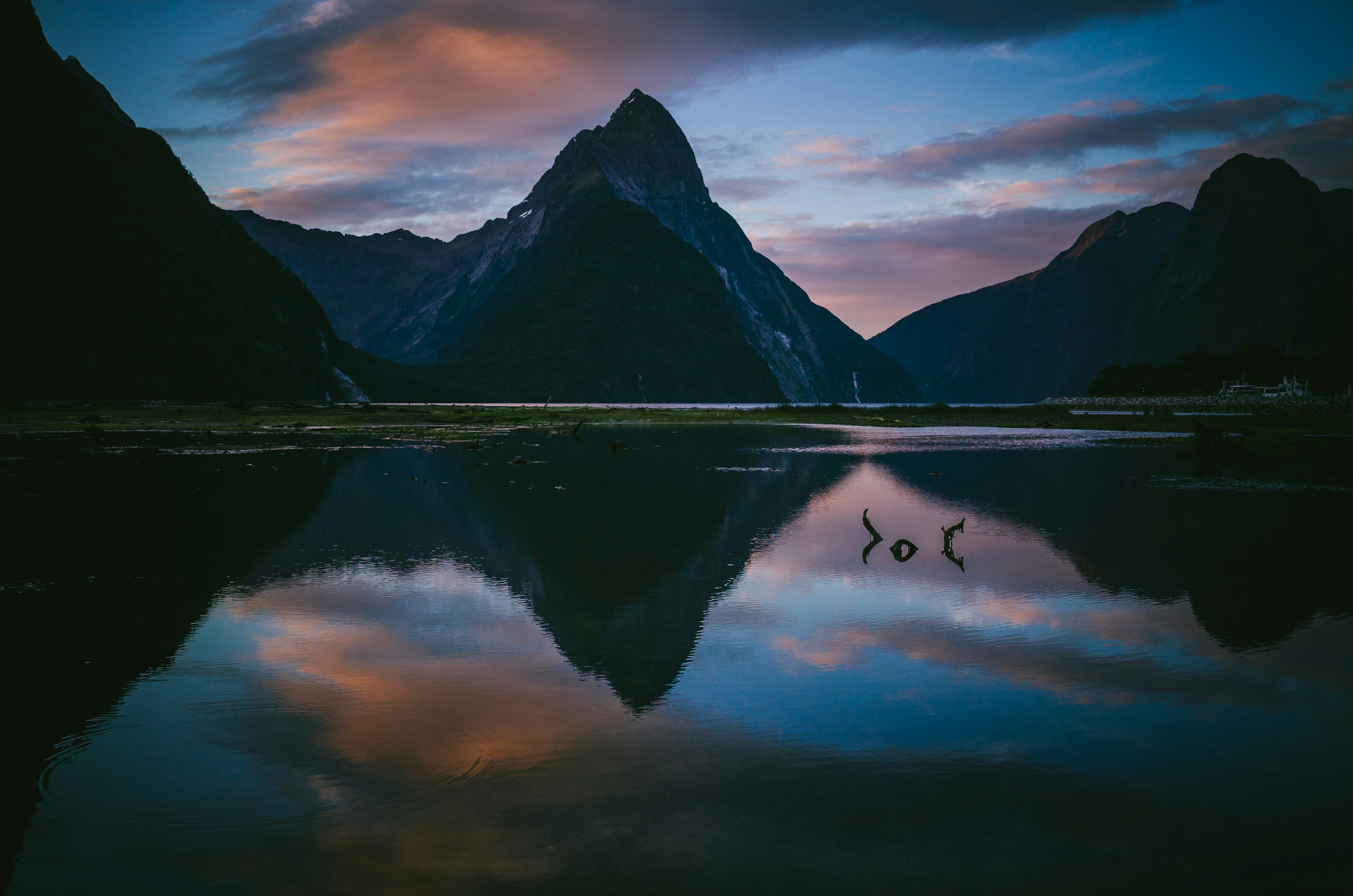
New Zealand’s must-do experiences range from Milford Sound cruises and glowworm caves to geothermal parks and wine regions; your 2026 itinerary should balance iconic highlights with a few personal-interest stops.
The cluster itineraries — 3 Days in New Zealand: A Day-by-Day Itinerary, New Zealand in 5 Days: The Perfect Extended Itinerary, and New Zealand in 10 Days: The Ultimate Travel Itinerary — each provide detailed day-by-day plans with costs, neighborhoods, and transport tips.
To help you choose, use this simple itinerary decision guide:
- Pick the 3-day itinerary if you have a long weekend or are adding New Zealand onto a larger Japan or Thailand trip.
- Choose the 5-day extended itinerary for a focused taste of either the North or South Island.
- Go for the 10-day itinerary if you want a more complete overview with both iconic spots and local gems.
Typical top experiences across these itineraries include:
- Cruising through Milford or Doubtful Sound.
- Exploring geothermal landscapes in Rotorua.
- Visiting glowworm caves (e.g., Waitomo).
- Wine tasting in Marlborough or Central Otago.
- Hiking short scenic trails around Queenstown and Wanaka.
For adventure lovers, you’ll find options like bungy jumping, jet boating, and heli-hiking. The New Zealand Safety Guide: Tips for a Safe Trip explains how to evaluate operators and check insurance coverage for higher-risk activities.
As you plan, use Hello’s trip planning features to organise your days: add your chosen experiences, accommodation, and travel times so everyone in your group understands the pace and budget of the trip.
Staying Connected: Hello eSIM & Mobile Data
In 2026, the easiest way to stay online in New Zealand is to activate Hello eSIM for instant mobile data, then use Wi‑Fi in accommodations and cafés as a backup.
The eSIM for New Zealand: Best Plans, Coverage, and Setup Tips explains everything you need to know about using Hello eSIM in New Zealand: compatible devices, how to purchase and install an eSIM before departure or upon arrival, typical data packages, and which local networks it uses for coverage.
With Hello eSIM, you can:
- Get data without visiting a physical store or swapping plastic SIM cards.
- Use maps and navigation while driving or hiking.
- Stay in touch via messaging apps and social media.
- Manage trip planning and budgets in the Hello app itself.
As of 2026, mobile coverage is strong in cities and major highways, with more limited service in some remote alpine or rural areas. The eSIM guide outlines where coverage is best and how to download offline maps for back-up.
To avoid bill shock, check typical data usage: navigation, social media uploads, and video calls can add up quickly. The cluster article includes tips on conserving data, like using Wi‑Fi for large downloads and adjusting streaming quality.
Combining Hello eSIM with the app’s built-in expense tracking makes your phone a full travel companion: you can split fuel and accommodation costs with friends, record cash payments, and keep an eye on how your actual spending compares to the budget ranges from the New Zealand Travel Budget Guide.
Culture, Safety & Practical Travel Tips
New Zealand is welcoming and generally very safe, but understanding local culture and basic safety practices will make your 2026 trip smoother and more respectful.
Start with the New Zealand Cultural Guide: Etiquette, Customs, and Tips. It covers everyday greetings, how to pronounce common Māori words, what to expect at marae visits, and general do’s and don’ts. Concepts like kia ora (hello/thank you) and manaakitanga (hospitality) underpin Kiwi interactions, and learning a few phrases can open up warmer conversations.
For safety, the New Zealand Safety Guide: Tips for a Safe Trip is your go-to resource. It outlines emergency numbers, how to prepare for outdoor activities (including changing weather and remote terrain), and common scams or issues to be aware of. As of 2026, violent crime against tourists is rare, but you should still use normal urban precautions and pay attention to conditions when driving or hiking.
Practical tips include:
- Pack layers: weather can shift quickly, especially in the South Island.
- Use sun protection: UV levels are high, even on cool days.
- Respect nature: follow marked trails, dispose of waste properly, and check local guidelines for freedom camping.
Health-wise, tap water is generally safe to drink, and pharmacies are easy to find in towns and cities. Travel insurance remains important, particularly if you plan adventure sports.
Combine these insights with the New Zealand Food Guide for dining etiquette and the New Zealand Currency & Money Guide for handling payments and avoiding card issues, and you’ll be well prepared to navigate both social and practical aspects of your trip.
Before You Go: New Zealand Trip Checklist
A simple pre-departure checklist keeps your 2026 New Zealand trip stress-free: confirm visas, book key transport and stays, prepare finances, and set up Hello eSIM and the Hello app before you fly.
Use this Before You Go checklist as a starting point:
-
Documents & visas
- Check your entry requirements (especially if you’re a Singapore citizen) via New Zealand Visa & Entry Requirements for Singapore Passport Holders.
- Ensure your passport has enough validity and blank pages.
- Save digital copies of documents in secure cloud storage.
-
Flights & accommodation
- Book international flights and, if needed, domestic flights between islands.
- Reserve first-night accommodation and any popular stays (Queenstown, Rotorua) early.
-
Transport
- Decide between rental car, campervan, or public transport using the Getting Around New Zealand: Transport Guide for Travellers.
- Pre-book key legs in peak seasons.
-
Money & budget
- Read the New Zealand Currency & Money Guide and New Zealand Travel Budget Guide.
- Inform your bank of travel dates; check card fees.
- Set a daily budget in the Hello app and plan how you’ll split expenses.
-
Connectivity & apps
- Install Hello and purchase Hello eSIM using the eSIM for New Zealand: Best Plans, Coverage, and Setup Tips.
- Download offline maps and your trip plans.
-
Health & safety
- Review the New Zealand Safety Guide: Tips for a Safe Trip.
- Buy travel insurance, pack a basic first-aid kit, and note emergency numbers.
-
Culture & packing
- Read the New Zealand Cultural Guide.
- Pack layers, rain protection, sunscreen, and suitable footwear.
This checklist, combined with a chosen itinerary (3, 5, or 10 days), turns planning into a clear, step-by-step process.
New Zealand Visa & Entry Requirements for Singapore Passport Holders
Getting AroundGetting Around New Zealand: Transport Guide for Travellers
Currency & MoneyNew Zealand Currency & Money Guide: Exchange, Cards, and Tips
Budget PlanningNew Zealand Travel Budget Guide: Daily Costs and Money Tips
eSIM & ConnectivityeSIM for New Zealand: Best Plans, Coverage, and Setup Tips
Safety & HealthNew Zealand Safety Guide: Tips for a Safe Trip
Cultural GuideNew Zealand Cultural Guide: Etiquette, Customs, and Tips
Itineraries3 Days in New Zealand: A Day-by-Day Itinerary
ItinerariesNew Zealand in 5 Days: The Perfect Extended Itinerary
ItinerariesNew Zealand in 10 Days: The Ultimate Travel Itinerary
Frequently Asked Questions
How many days do I need for a first trip to New Zealand?
For a first visit focused on one island or a couple of key regions, 5–10 days is ideal. Use New Zealand in 5 Days: The Perfect Extended Itinerary if you’re short on time, and New Zealand in 10 Days: The Ultimate Travel Itinerary if you want a broader overview. For a quick taste, 3 Days in New Zealand: A Day-by-Day Itinerary works well as part of a larger Asia–Pacific trip.
Is New Zealand expensive to visit in 2026?
Compared with destinations like Thailand, New Zealand is relatively expensive, but you can manage costs with smart planning. As a rough guide, budget travellers might spend around NZD 120–180 per day, mid-range travellers NZD 200–350, and luxury travellers NZD 400+ per day. The New Zealand Travel Budget Guide: Daily Costs and Money Tips and New Zealand Currency & Money Guide give detailed breakdowns and money-saving strategies.
Do I need a visa to visit New Zealand?
Visa requirements depend on your passport. Many nationalities use an NZeTA (New Zealand Electronic Travel Authority) plus a small tourism levy instead of a traditional visa, while others require a visitor visa. If you’re a Singapore citizen, see New Zealand Visa & Entry Requirements for Singapore Passport Holders for exact rules. Regardless of nationality, always verify current requirements on official government sites close to your travel date.
Is New Zealand safe for solo travellers?
New Zealand is generally very safe for solo travellers, including women and first-time backpackers. Normal precautions still apply: stay aware of your surroundings, secure valuables, and check local conditions when hiking or driving. The New Zealand Safety Guide: Tips for a Safe Trip covers emergency contacts, health considerations, and how to evaluate adventure activities, making it a useful resource for solo visitors.
Should I rent a car in New Zealand or rely on public transport?
Renting a car gives you maximum flexibility and is often the best choice if you want to explore smaller towns or natural areas. However, public transport and domestic flights can work well if you’re focusing on main cities and popular routes. The Getting Around New Zealand: Transport Guide for Travellers compares driving, buses, trains, campervans, and flights so you can choose based on your comfort level, budget, and itinerary length.
How can I stay connected in New Zealand without paying huge roaming fees?
The simplest option in 2026 is to use Hello eSIM for local data instead of roaming with your home carrier. The eSIM for New Zealand: Best Plans, Coverage, and Setup Tips explains how to install Hello eSIM, what coverage to expect, and how to manage data usage. With Hello eSIM and the Hello app, you can navigate, message, track expenses, and access your trip plans entirely from your phone.
What are some must-try foods in New Zealand?
Don’t leave New Zealand without trying a Māori hāngī feast, green-lipped mussels, lamb, pavlova, and classic fish and chips. Everyday Kiwi favourites include meat pies, flat whites (coffee), and fresh seafood. For prices, dietary options, and food-safety tips, read the New Zealand Food Guide: Must-Try Dishes, Prices, and Tips.
eSIM Plans for New Zealand
Detailed Articles
Dive deeper into specific topics covered in this guide.
New Zealand Cultural Guide: Etiquette, Customs, and Tips
Essential do's and don'ts, greeting customs, dress codes, local phrases, and cultural tips for New Zealand.
5 June 2026
New Zealand Safety Guide: Tips for a Safe Trip
Safety tips, health advisories, emergency contacts, common scams, and travel insurance advice for New Zealand.
20 July 2026
Getting Around New Zealand: Transport Guide for Travellers
Airport transfers, public transport, ride-hailing apps, inter-city travel, and driving tips for New Zealand.
27 May 2026
3 Days in New Zealand: A Day-by-Day Itinerary
A detailed 3-day itinerary for New Zealand with daily activities, costs, neighborhoods, and transport tips.
13 June 2026
New Zealand in 5 Days: The Perfect Extended Itinerary
A detailed 5-day itinerary for New Zealand with daily activities, costs, neighborhoods, and transport tips for an extended stay.
8 May 2026
New Zealand in 10 Days: The Ultimate Travel Itinerary
A comprehensive 10-day itinerary for New Zealand covering top attractions, hidden gems, daily costs, and transport between cities.
22 June 2026
New Zealand Travel Budget Guide: Daily Costs and Money Tips
How much does it cost to travel in New Zealand? Daily budget breakdowns for budget, mid-range, and luxury travellers.
27 February 2026
New Zealand Currency & Money Guide: Exchange, Cards, and Tips
Currency exchange, credit card acceptance, ATM tips, tipping culture, and money-saving advice for New Zealand.
27 March 2026
More Travel Guides
Destination Guide
Complete Ghana Travel Guide 2026
Everything you need to know about travelling to Ghana — budget, visa, food, transport, eSIM connectivity, and itineraries.
Destination Guide
Complete Georgia Travel Guide 2026
Everything you need to know about travelling to Georgia — budget, visa, food, transport, eSIM connectivity, and itineraries.
Destination Guide
Complete Gabon Travel Guide 2026
Everything you need to know about travelling to Gabon — budget, visa, food, transport, eSIM connectivity, and itineraries.
Destination Guide
Complete Faroe Islands Travel Guide 2026
Everything you need to know about travelling to Faroe Islands — budget, visa, food, transport, eSIM connectivity, and itineraries.