Key Takeaways
- ✓Visit Martinique between December and April for the driest weather; choose shoulder months for better prices and fewer crowds.
- ✓Plan a daily budget of about €70–€100 (budget), €150–€250 (mid-range), or €300+ (luxury) as of 2026, and track it in the Hello app.
- ✓Check visa rules based on your nationality; many travellers enjoy short-stay visa-free entry, but requirements follow French regulations.
- ✓Renting a car is the most flexible way to explore Martinique’s north–south diversity; buses and taxis are useful but limited.
- ✓Use Hello eSIM for seamless, island-wide connectivity and integrated trip planning, budget tracking, and expense splitting.
- ✓Rely on the food, budget, and cultural cluster guides to navigate Creole cuisine, money tips, and local etiquette confidently.
- ✓Choose 3, 5, or 10-day itineraries depending on your time and interests, and use them as a backbone for your Martinique trip plan.
- ✓Follow the "Before You Go" checklist in this guide to align documents, health prep, money, connectivity, and itinerary before departure.
Martinique is the kind of island that quietly steals your heart: French Caribbean flair, emerald mountains, volcanic beaches, and rum distilleries tucked between banana plantations. This guide brings everything together so you can plan a smooth, unforgettable trip in 2026 – even if it’s your first time in the region.
You’ll find clear answers to the big planning questions: when to go, how much to budget, whether you need a visa, how to get around, and what to eat and experience once you’re there. We’ll also show you how to stay connected with Hello eSIM, manage shared expenses with friends, and keep an eye on your spending in real time.
Each section gives you a high-level overview plus links to detailed cluster guides for deeper dives – from Martinique Travel Budget Guide: Daily Costs and Money Tips to Getting Around Martinique: Transport Guide for Travellers and Martinique Food Guide: Must-Try Dishes, Prices, and Tips.
Think of this as your central Martinique trip planner: a single, authoritative page to help you compare seasons, build an itinerary, avoid common mistakes, and make the most of your time – whether you’re here for a quick 3-day escape or a full 10-day island adventure.
Why Visit Martinique in 2026
Martinique in 2026 offers a blend of French Caribbean culture, lush volcanic landscapes, and excellent infrastructure, making it ideal for both first-time island travellers and seasoned explorers looking beyond Thailand or Japan.
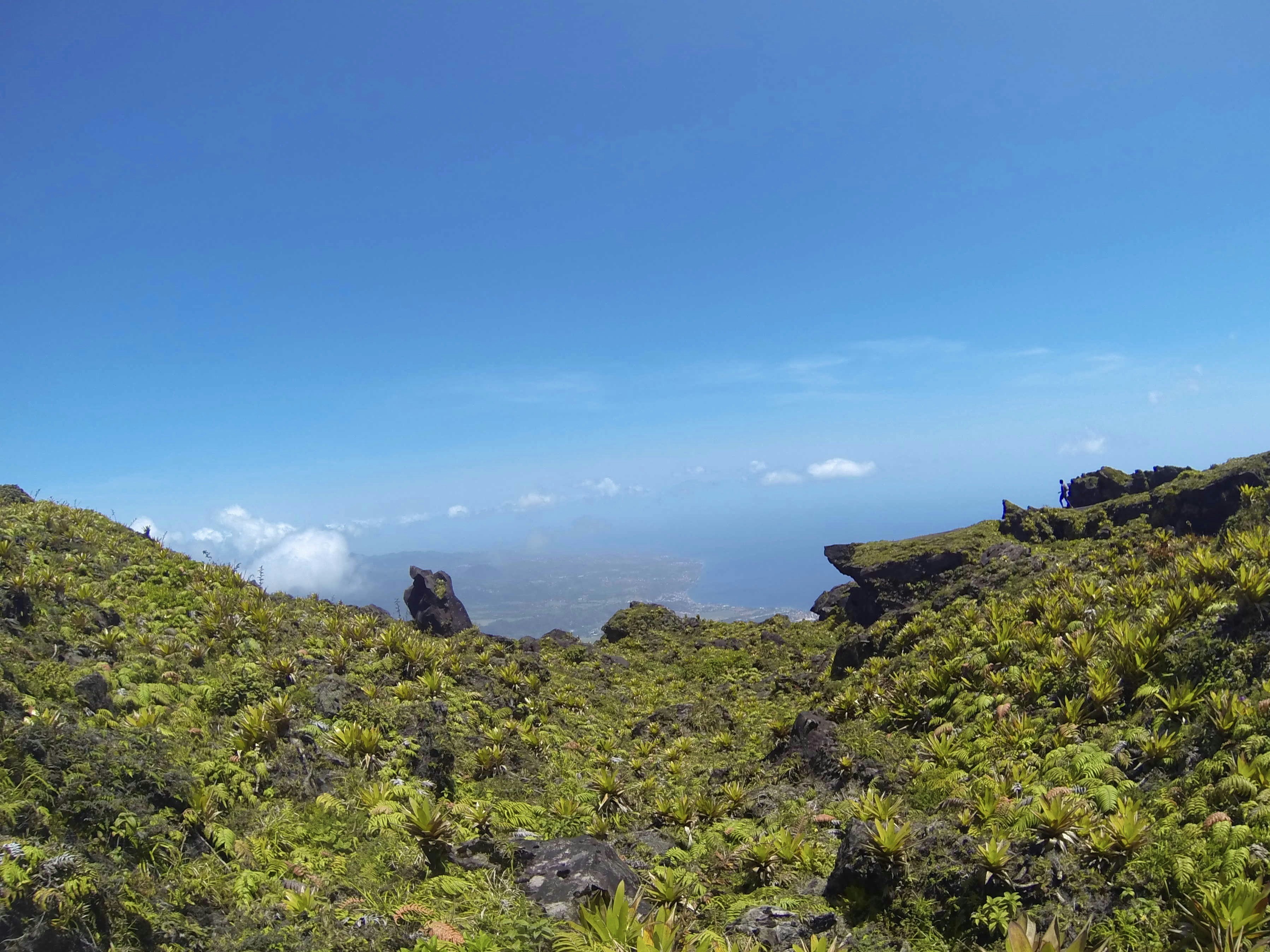
Martinique is an overseas department of France, so you get European-level roads, health services, and safety standards wrapped in tropical scenery and Creole warmth. As of 2026, tourism is steady but still far from mass crowds, which means beach days and hikes that feel more personal than many better-known Caribbean islands. You’ll move between colorful fishing villages, black- and white-sand beaches, and the dramatic slopes of Mount Pelée in just an hour or two by car.
Culturally, Martinique feels like two destinations in one. In Fort-de-France, you’ll find French bakeries, markets, and colonial architecture. In the countryside, Creole traditions, rum distilleries, and small "lolos" (simple local eateries) define daily life. The Martinique Cultural Guide: Etiquette, Customs, and Tips is a great starting point to understand greetings, dress, and key phrases before you arrive.
This pillar guide ties together practical planning (budget, visas, transport, connectivity) with curated experiences (top beaches, hiking areas, food highlights, and sample itineraries) from our cluster articles like Martinique in 3 Days: A Day-by-Day Itinerary, Martinique in 5 Days: The Perfect Extended Itinerary, and Martinique in 10 Days: The Ultimate Travel Itinerary, so you can confidently plan the trip that fits your style and time.
At a glance: who will love Martinique
- Travellers who want French-European comfort in a tropical setting
- Hikers and nature lovers (north) + beach loungers (south)
- Food-focused travellers interested in Creole cuisine and rum
- Small groups who need easy expense splitting and planning via the Hello app
Best Time to Visit Martinique
The best time to visit Martinique in 2026 is the dry season from December to April, with May–June and November as excellent shoulder months if you prefer fewer crowds and better prices.
Martinique has a tropical climate with two main patterns: a drier "carême" season and a wetter period with increased humidity and a higher chance of storms. As of 2026, most guides agree that December–April offers the most reliable beach and hiking weather: warm temperatures, lower rainfall, and calmer seas. Shoulder months (May, June, November) often bring good conditions with fewer visitors and lower room rates, which can be ideal if you’re flexible and cost-conscious.
The core hurricane season in the wider Caribbean runs roughly from August to October. Martinique is not hit directly every year, but these months see more frequent showers and potential disruptions. If you travel then, plan indoor alternatives (museums, distillery visits, markets) and consider robust travel insurance, as outlined in the Martinique Safety Guide: Tips for a Safe Trip.
To match timing with trip style, use this simple decision framework:
- Beach & sun priority → December–April
- Balanced weather & savings → May–June, November
- Ultra-low prices & flexible plans → July–October (with hurricane-season awareness)
For more seasonal nuances and how they affect daily costs and crowds, cross-check with the Martinique Travel Budget Guide: Daily Costs and Money Tips and itinerary articles, which show example day plans for different months.
Weather & season comparison (2026)
| Season (approx.) | Weather & rain | Crowds | Prices |
|---|---|---|---|
| Dec–Apr (dry) | Sun, low rain | High | High |
| May–Jun (shoulder) | Warm, some showers | Medium | Medium |
| Jul–Oct (wet / hurricane risk) | Humid, frequent rain | Low | Low |
| Nov (shoulder) | Mixed but often good | Medium | Medium |
Budget Overview: How Much Does Martinique Cost?
As of 2026, a realistic daily budget for Martinique ranges from €70–€100 for careful travellers, €150–€250 for mid-range comfort, and €300+ for luxury stays, excluding international flights.
Thanks to its status as part of France, Martinique uses the euro and offers a price structure similar to a mid-range European destination rather than a low-cost Southeast Asian one. The Martinique Travel Budget Guide: Daily Costs and Money Tips breaks down typical spending on accommodation, food, transport, and activities for different travel styles.
To simplify planning, here’s a synthesized daily budget table (per person, 2026):
| Style | Accommodation | Food & drink | Transport | Activities | Total/day |
|---|---|---|---|---|---|
| Budget | €40–€70 | €20–€30 | €10–€20 | €10–€20 | €70–€100 |
| Mid-range | €80–€150 | €30–€50 | €20–€40 | €20–€40 | €150–€250 |
| Luxury | €200+ | €60+ | €40+ | €40+ | €300+ |
Flights from Europe often fall in the €800–€1,500 return range in 2026, depending on season and booking window. On-island transport can be a significant line item if you rent a car (commonly €30–€60 per day).
Use the Hello app to track your budget in real time, log shared expenses, and see how your daily spending compares with the ranges above. The Martinique Currency & Money Guide: Exchange, Cards, and Tips explains cash vs. card usage, ATM tips, and how to avoid unnecessary fees.
For sample budgets attached to real itineraries, check:
Martinique Travel Budget Guide: Daily Costs and Money Tips
Currency & MoneyMartinique Currency & Money Guide: Exchange, Cards, and Tips
Itineraries3 Days in Martinique: A Day-by-Day Itinerary
ItinerariesMartinique in 5 Days: The Perfect Extended Itinerary
ItinerariesMartinique in 10 Days: The Ultimate Travel Itinerary
Visa & Entry Requirements in 2026
As of 2026, Martinique follows French and Schengen-style entry rules, with many nationalities enjoying short-stay visa-free access; always confirm based on your passport before you book flights.
Martinique is an overseas department of France, so entry requirements are aligned with French and EU regulations. That generally means Schengen-area citizens can travel with minimal formalities, and a wide range of other passport holders can enjoy short-term stays without a pre-arranged visa, subject to conditions like passport validity and onward travel. For Singapore passport holders, the Martinique Visa & Entry Requirements for Singapore Passport Holders explains that visa-free stays of up to 90 days are available as of 2026, along with precise requirements for passport validity, proof of return, and customs allowances.
Even if you’re not from Singapore, that article is a useful reference for the type of documents and checks commonly applied on arrival: valid passport (often with at least six months’ remaining validity recommended), proof of accommodation, onward/return ticket, and sometimes proof of sufficient funds.
Because rules can change, especially in response to global events, always:
- Check official French government or consular sites close to departure
- Confirm whether you need a Schengen visa, French overseas visa, or can enter visa-free
- Review customs regulations for alcohol, tobacco, and food products
Arrival is usually via Martinique Aimé Césaire International Airport, where border control procedures mirror those of mainland France. For detailed, nationality-specific advice, rely on your country’s foreign office plus our dedicated entry guide.
Getting Around Martinique: Transport & Logistics
The most practical way to get around Martinique in 2026 is by car, complemented by local buses and taxis, with detailed coverage in Getting Around Martinique: Transport Guide for Travellers.
Martinique’s landscapes vary dramatically between the mountainous north and the beachy south, and public transport can be infrequent outside main routes. That’s why most travellers choose to rent a car at Martinique Aimé Césaire International Airport and use it as their base for exploring Fort-de-France, the rugged northern coast, and the postcard-perfect bays around Les Anses-d’Arlet and Sainte-Anne.
The Martinique transport guide walks through airport transfers, bus networks, inter-city travel, and driving tips (including road conditions, parking norms, and common speed limits). A few synthesized points:
- Car rental: Ideal if you want to visit multiple beaches, distilleries, and hiking trails; factor in €30–€60 per day plus fuel.
- Buses & shared taxis: Useful for budget travellers, especially on the Fort-de-France–Le Lamentin and main coastal corridors, but schedules can be irregular.
- Taxis/ride-hailing: Available mainly around Fort-de-France and the airport; clarify fares in advance.
Combine transport planning with your chosen itinerary length:
- Short stays (3 days) → Base yourself near Fort-de-France or the south and limit long drives. See Martinique in 3 Days.
- Medium stays (5 days) → Split your time between north and south; car strongly recommended. See Martinique in 5 Days.
- Long stays (10 days) → Consider two or more bases and slow travel. See Martinique in 10 Days.
Use the Hello app to log transport costs, split fuel and rental charges with friends, and compare your real-world spending against the daily budgets outlined in the Martinique Travel Budget Guide.
Getting Around Martinique: Transport Guide for Travellers
Budget PlanningMartinique Travel Budget Guide: Daily Costs and Money Tips
Itineraries3 Days in Martinique: A Day-by-Day Itinerary
ItinerariesMartinique in 5 Days: The Perfect Extended Itinerary
ItinerariesMartinique in 10 Days: The Ultimate Travel Itinerary
Food & Dining: What to Eat in Martinique
Martinique’s food scene in 2026 is a standout reason to visit: expect Creole flavors, fresh seafood, French techniques, and affordable local "lolos" that make eating well accessible at almost any budget.
The Martinique Food Guide: Must-Try Dishes, Prices, and Tips dives into specific dishes, street food, and restaurant types, but at a high level, you can think of Martinique cuisine as a meeting point of France, Africa, and the Caribbean. Signature plates often include grilled or stewed fish, accras (salt-cod fritters), Colombo curries, and hearty one-pot meals served with rice and local vegetables. French pastries and breads are widely available, especially around Fort-de-France.
Budget-wise, as of 2026:
- Street snacks and simple plates at "lolos" can start around €8–€15.
- Mid-range restaurant meals are often €25–€35 per person without drinks.
- Upscale waterfront or hotel dining can climb above €50 per person.
The food guide also explains options for vegetarians, vegans, and travellers with allergies, plus tips on food safety, tap water, and where to find the best markets.
To plan your days around food and sightseeing, use our itineraries:
- Martinique in 3 Days: A Day-by-Day Itinerary for a tasting-focused short break.
- Martinique in 5 Days: The Perfect Extended Itinerary for combining markets, distilleries, and beach picnics.
- Martinique in 10 Days: The Ultimate Travel Itinerary for deeper regional food exploration.
Remember to budget for rum tastings and local drinks, and use the Hello app to keep track of shared dinners and bar tabs if you’re travelling as a group.
Martinique Food Guide: Must-Try Dishes, Prices, and Tips
Budget PlanningMartinique Travel Budget Guide: Daily Costs and Money Tips
Itineraries3 Days in Martinique: A Day-by-Day Itinerary
ItinerariesMartinique in 5 Days: The Perfect Extended Itinerary
ItinerariesMartinique in 10 Days: The Ultimate Travel Itinerary
Top Experiences & Sample Itineraries
Martinique’s must-do experiences in 2026 include north-coast hikes, south-coast beaches, rum distillery visits, and time in Fort-de-France, best woven together with our 3-, 5-, and 10-day itineraries.
Instead of trying to "do everything," use our cluster itinerary guides to structure your trip around themes:
- 3 Days in Martinique: A Day-by-Day Itinerary – perfect if you have a long weekend; focuses on Fort-de-France, a highlight beach area, and one standout excursion.
- Martinique in 5 Days: The Perfect Extended Itinerary – adds deeper exploration of either the north or south, plus more time for food and culture.
- Martinique in 10 Days: The Ultimate Travel Itinerary – lets you experience the island’s full diversity, from volcano views to quiet bays.
Across these, signature experiences often include:
- Hiking or scenic drives around Mount Pelée and the lush north.
- Beach-hopping around Les Anses-d’Arlet and Sainte-Anne.
- Visiting historic rum distilleries for tours and tastings.
- Exploring Fort-de-France markets, cathedral, and waterfront.
Use this quick decision table to pick an itinerary length:
| Trip length | Best for | Core focus |
|---|---|---|
| 3 days | Short breaks, cruise add-ons | Fort-de-France + one region |
| 5 days | First-time visitors with flexibility | North or south in depth |
| 10 days | Slow travellers, photographers | Full island loop (north & south) |
Once you choose a length, plug your plan into the Hello app’s trip planning feature, add estimated budgets from the Martinique Travel Budget Guide, and share the itinerary with friends to coordinate transport, accommodation, and activities.
eSIM Connectivity: Staying Online with Hello
The easiest way to stay connected in Martinique in 2026 is Hello eSIM, which offers instant activation, island-wide coverage, and seamless integration with the Hello app’s trip planning and expense tools.
Mobile data is essential in Martinique for navigation, weather checks, restaurant searches, and coordinating with travel companions. Instead of hunting for local SIM cards on arrival, you can set up Hello eSIM before your flight or immediately upon landing. The dedicated eSIM for Martinique: Best Plans, Coverage, and Setup Tips explains plan options, activation steps, and what coverage to expect in cities, villages, and more rural areas.
With Hello eSIM, you can:
- Activate data plans digitally for Martinique and 200+ countries.
- Avoid physical SIM swaps and keep your original number active.
- Use the Hello app’s budget tracking and expense splitting features without worrying about Wi‑Fi.
A few practical tips for 2026:
- Check your phone’s eSIM compatibility before purchase.
- Activate or download the eSIM profile while you still have strong Wi‑Fi (at home or airport).
- Set data usage alerts in the Hello app if you’re on a limited plan.
For travellers combining Martinique with other destinations (such as Japan or Thailand), a multi-country Hello eSIM plan can simplify connectivity across borders.
The Martinique Safety Guide and Getting Around Martinique: Transport Guide for Travellers also highlight how reliable data makes navigation and emergency access easier, especially if you’re driving in rural areas or hiking.
Safety, Health & Cultural Etiquette
Martinique is generally safe and well-equipped in 2026, with typical urban precautions recommended and a strong emphasis on respecting local culture and nature.
The Martinique Safety Guide: Tips for a Safe Trip provides detailed advice on petty crime, road safety, health considerations, emergency contacts, and insurance. As a French territory, Martinique benefits from solid health infrastructure, but you should still travel with appropriate insurance, especially if you plan to hike, drive extensively, or visit during wetter months.
Key synthesized safety points:
- Petty theft can occur in busy areas; keep valuables secure and avoid leaving items unattended at beaches.
- Road conditions vary; drive cautiously on winding mountain roads and avoid night driving in unfamiliar rural areas.
- During the wetter season, monitor weather updates for heavy rains and potential landslides in the north.
Culturally, the Martinique Cultural Guide: Etiquette, Customs, and Tips is your main reference. A few essentials:
- French is widely spoken; learning basic phrases is appreciated.
- Greetings matter – a polite "Bonjour" when entering shops or cafes sets a positive tone.
- Dress modestly in rural villages and religious sites, and follow local norms at beaches.
Hello eSIM and the Hello app support safety by keeping you connected to maps, emergency numbers, and your travel group. Use shared trip plans and notes in the app to store key details like hotel addresses, rendezvous points, and insurance contacts.
Combine this section with the visa guide and transport guide to ensure you’re covered on documents, movement, and communication.
Money, Currency & Paying Your Way
In 2026, Martinique uses the euro (€), with good card acceptance in cities and tourist areas and ATMs widely available; planning how you’ll pay and track expenses is key to a smooth trip.
The Martinique Currency & Money Guide: Exchange, Cards, and Tips explains how to handle cash, cards, and ATMs, plus tipping norms and common money-saving strategies. As a French territory, Martinique’s banking infrastructure is familiar to anyone who has travelled in Europe, but you should still expect occasional cash-only situations, especially at small "lolos," markets, and rural businesses.
Typical money considerations in 2026:
- Carry some euros in small denominations for parking, snacks, and small purchases.
- Cards are accepted at most hotels, mid-range restaurants, and larger shops.
- ATMs are concentrated around towns and commercial areas; plan ahead before remote drives.
For travel budgeting, combine this with the Martinique Travel Budget Guide: Daily Costs and Money Tips, which offers detailed sample budgets and spending breakdowns by category.
The Hello app can be your financial command center for the trip:
- Track daily spending against your planned budget.
- Split shared costs (cars, villas, group dinners) among friends.
- Keep an overview of what’s been paid and what’s still outstanding.
Using Hello eSIM ensures that your budget and expense tools remain available even when you’re away from hotel Wi‑Fi or bank branches, making it easier to monitor card transactions and stay on top of exchange rates.
Before You Go: Checklist for Martinique 2026
A focused "Before You Go" checklist for Martinique in 2026 helps you avoid last-minute stress: confirm visa status, sort Hello eSIM, plan your budget, and align your itinerary with the season and trip length.
Use this section as your pre-departure walkthrough, then dive into the linked cluster guides for the details behind each point.
Documents & entry
- Check your passport’s expiry date (aim for 6+ months beyond travel).
- Confirm whether you need a visa or can enter visa-free; see Martinique Visa & Entry Requirements for Singapore Passport Holders as a model for requirements.
- Print or save copies of flight confirmations, accommodation details, and travel insurance.
Health & safety
- Review the Martinique Safety Guide: Tips for a Safe Trip for insurance, emergency numbers, and common risks.
- Pack any prescription medications, a basic first-aid kit, sunscreen, and insect repellent.
Money & budget
- Read the Martinique Travel Budget Guide: Daily Costs and Money Tips and set a target daily budget in the Hello app.
- Decide how much cash to carry vs. rely on cards; see Martinique Currency & Money Guide: Exchange, Cards, and Tips.
Connectivity & apps
- Install the Hello app and purchase your Hello eSIM; see eSIM for Martinique: Best Plans, Coverage, and Setup Tips.
- Set up trip planning and expense-splitting for your travel group.
Trip structure
- Choose an itinerary length: 3, 5, or 10 days using our guides.
- Sketch your must-see experiences (north hikes, south beaches, distilleries, Fort-de-France).
This checklist pairs with all major cluster articles, turning your Martinique travel plans into a clear, manageable set of steps.
Martinique Visa & Entry Requirements for Singapore Passport Holders
Safety & HealthMartinique Safety Guide: Tips for a Safe Trip
Budget PlanningMartinique Travel Budget Guide: Daily Costs and Money Tips
Currency & MoneyMartinique Currency & Money Guide: Exchange, Cards, and Tips
eSIM & ConnectivityeSIM for Martinique: Best Plans, Coverage, and Setup Tips
Itineraries3 Days in Martinique: A Day-by-Day Itinerary
ItinerariesMartinique in 5 Days: The Perfect Extended Itinerary
ItinerariesMartinique in 10 Days: The Ultimate Travel Itinerary
Frequently Asked Questions
Is Martinique expensive to visit in 2026?
As of 2026, Martinique is mid-range in cost compared with other island destinations. Budget travellers can aim for roughly €70–€100 per day, mid-range visitors for €150–€250, and luxury travellers for €300+ per day, excluding flights. The Martinique Travel Budget Guide: Daily Costs and Money Tips offers detailed breakdowns, and you can track expenses and split costs with friends using the Hello app.
Do I need a visa to visit Martinique?
Visa requirements for Martinique depend on your nationality because the island follows French and EU rules. Many travellers can visit without a visa for short stays, but you must confirm this against official sources before travel. Singapore citizens, for example, enjoy up to 90 days visa-free as of 2026, outlined in Martinique Visa & Entry Requirements for Singapore Passport Holders. Always check passport validity, onward travel, and customs regulations.
What is the best time of year to visit Martinique?
The most popular time to visit Martinique is during the dry season from December to April, when weather is warm and relatively dry, ideal for beaches and hiking. Shoulder months like May, June, and November offer fewer crowds and better prices with generally pleasant conditions. The wetter season, especially August–October, brings higher rain and hurricane risk but lower prices. For more detail, see our seasonal advice in this guide and the Martinique Safety Guide.
Is public transport enough, or should I rent a car?
Public transport in Martinique covers key routes but is often infrequent, especially outside urban areas and main corridors. For most travellers in 2026, renting a car is the most practical way to explore both the mountainous north and the beachy south at your own pace. The Getting Around Martinique: Transport Guide for Travellers explains bus routes, taxis, driving tips, and typical car rental costs so you can decide based on your itinerary and budget.
How can I stay connected in Martinique?
The most convenient way to stay online in Martinique is with Hello eSIM, which offers instant activation and reliable coverage across the island. You can install the eSIM before departure, manage your data plan through the Hello app, and use it alongside trip planning and budget-tracking features. The eSIM for Martinique: Best Plans, Coverage, and Setup Tips provides step-by-step instructions and practical connectivity tips.
Is Martinique safe for solo travellers?
Martinique is generally considered safe for solo travellers in 2026, with safety standards similar to many European destinations. As with any trip, you should follow common-sense precautions: keep valuables secure, stay aware in busy areas, and be cautious when driving or hiking in remote regions. The Martinique Safety Guide: Tips for a Safe Trip covers crime patterns, health considerations, emergency contacts, and insurance recommendations tailored to solo and group travellers.
How many days do I need in Martinique?
For a first visit, 5–7 days is ideal to experience both culture and nature without rushing, but you can enjoy shorter or longer stays based on your interests. Use 3 Days in Martinique: A Day-by-Day Itinerary for long weekends, Martinique in 5 Days: The Perfect Extended Itinerary for a balanced trip, and Martinique in 10 Days: The Ultimate Travel Itinerary if you want to explore the island in depth.
eSIM Plans for Martinique
Detailed Articles
Dive deeper into specific topics covered in this guide.
Martinique Cultural Guide: Etiquette, Customs, and Tips
Essential do's and don'ts, greeting customs, dress codes, local phrases, and cultural tips for Martinique.
4 June 2026
3 Days in Martinique: A Day-by-Day Itinerary
A detailed 3-day itinerary for Martinique with daily activities, costs, neighborhoods, and transport tips.
13 June 2026
Martinique in 5 Days: The Perfect Extended Itinerary
A detailed 5-day itinerary for Martinique with daily activities, costs, neighborhoods, and transport tips for an extended stay.
7 May 2026
Martinique in 10 Days: The Ultimate Travel Itinerary
A comprehensive 10-day itinerary for Martinique covering top attractions, hidden gems, daily costs, and transport between cities.
21 June 2026
Martinique Safety Guide: Tips for a Safe Trip
Safety tips, health advisories, emergency contacts, common scams, and travel insurance advice for Martinique.
20 July 2026
Martinique Travel Budget Guide: Daily Costs and Money Tips
How much does it cost to travel in Martinique? Daily budget breakdowns for budget, mid-range, and luxury travellers.
26 February 2026
Martinique Currency & Money Guide: Exchange, Cards, and Tips
Currency exchange, credit card acceptance, ATM tips, tipping culture, and money-saving advice for Martinique.
28 July 2026
Martinique Visa & Entry Requirements for Singapore Passport Holders
Visa requirements, passport validity, customs allowances, and entry tips for Singapore citizens travelling to Martinique.
11 July 2026
More Travel Guides
Destination Guide
Complete Bosnia and Herzegovina Travel Guide 2026
Everything you need to know about travelling to Bosnia and Herzegovina — budget, visa, food, transport, eSIM connectivity, and itineraries.
Destination Guide
Complete Bahamas Travel Guide 2026
Everything you need to know about travelling to Bahamas — budget, visa, food, transport, eSIM connectivity, and itineraries.
Destination Guide
Complete Bahrain Travel Guide 2026
Everything you need to know about travelling to Bahrain — budget, visa, food, transport, eSIM connectivity, and itineraries.
Destination Guide
Complete Sint Eustatius Travel Guide 2026
Everything you need to know about travelling to Sint Eustatius — budget, visa, food, transport, eSIM connectivity, and itineraries.