Key Takeaways
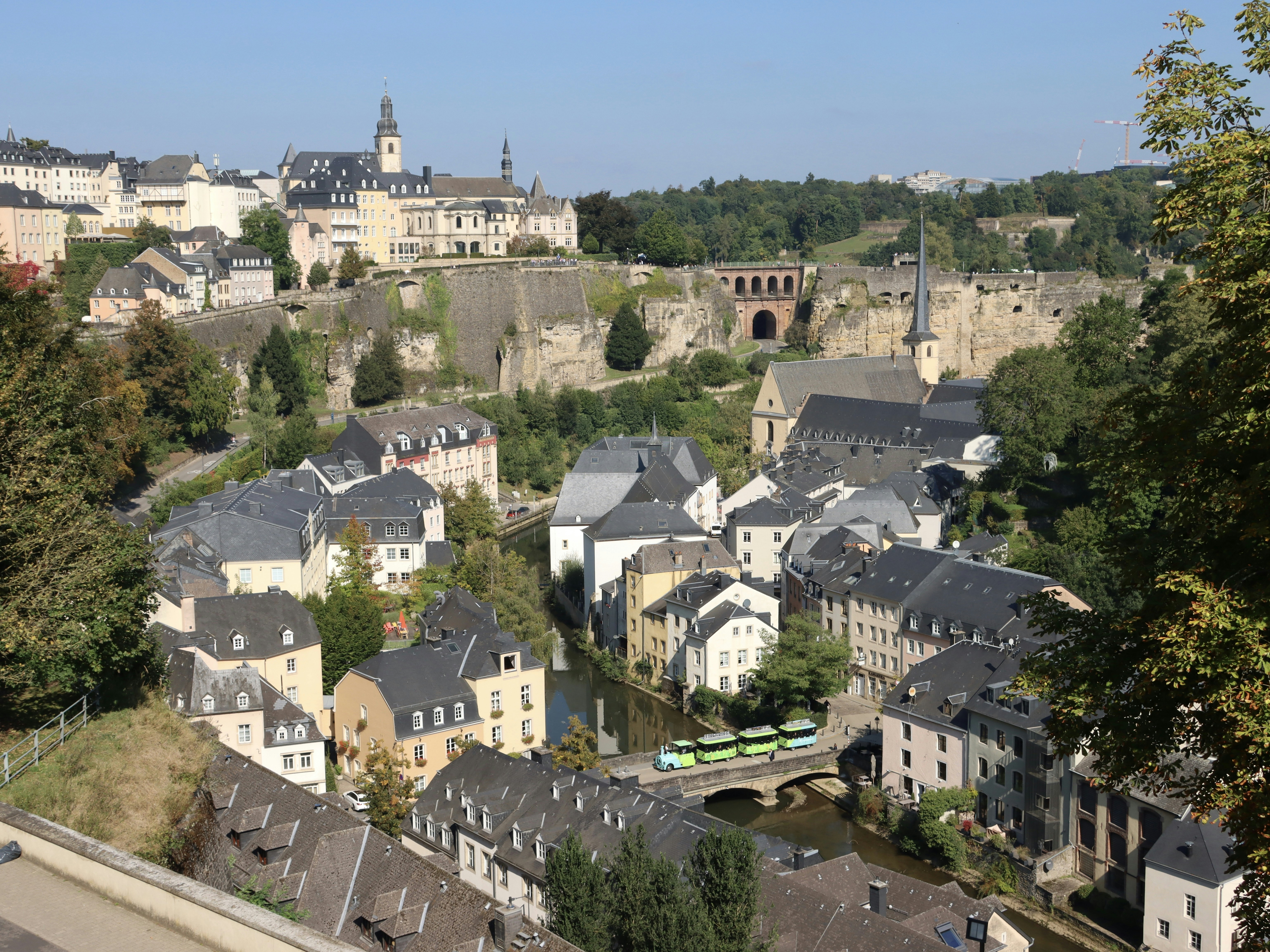
- ✓Luxembourg is small, but it offers a strong mix of city culture, scenic countryside, castles, and wine regions.
- ✓May, June, and September are often the best all-around months for weather and crowd balance.
- ✓Public transport is the easiest way to explore most of the country, especially for first-time visitors.
- ✓Budget pressure usually comes from hotels and dining, not from moving around the country.
- ✓Hello eSIM is the simplest way to get connected quickly in Luxembourg in 2026.
- ✓A 3- to 5-day trip is ideal for most visitors, while longer stays suit slow travel and regional exploration.
- ✓The best itinerary combines one city day, one scenic day trip, and one flexible half-day for wandering.
Luxembourg is one of Europe’s smallest countries, but it delivers far more variety than its size suggests: a polished capital with dramatic cliffside views, medieval castles, wine country along the Moselle, forested hiking trails, and a famously efficient public-transport network that makes exploring easy. For many travellers, a trip to Luxembourg feels like a smart blend of comfort and discovery — you can base yourself in Luxembourg City, move around without much stress, and still reach charming towns and scenic landscapes quickly. This guide brings everything together in one place so you can plan a trip with confidence in 2026. It covers when to go, how much to budget, visa and entry basics, the best ways to get around, what to eat, the top experiences worth prioritising, how Hello eSIM fits into your connectivity plan, and the practical details that prevent avoidable mistakes. You’ll also find comparison tables, decision frameworks, and a before-you-go checklist that make trip planning faster and easier. Where helpful, the guide points you to deeper cluster articles for detailed trip planning, budgeting, food, transport, safety, and itineraries. Whether you’re visiting for a weekend, building a longer Benelux route, or using Luxembourg as a slow-travel base, this pillar guide is designed to be your main planning hub — concise enough to scan, but comprehensive enough to rely on while shaping your trip.
Why Visit Luxembourg in 2026
Luxembourg rewards travellers who want a compact destination with a high concentration of experiences: UNESCO-listed old quarters, efficient trains and buses, striking valley views, excellent wine, and easy side trips to nearby villages and castles. In 2026, it remains one of the easiest countries in Europe to explore without overplanning, especially if you value clean infrastructure, short transfer times, and a calm pace. For first-time visitors, the best approach is to think of Luxembourg as a destination where quality beats quantity — a few well-chosen stops often deliver more than a packed checklist.
What makes it special is the contrast. Luxembourg City has a modern financial district and historic fortifications in the same compact area, while the south offers industrial heritage and the north turns rural and green very quickly. That variety means the country works well for city breaks, scenic drives, and multi-country trips through Western Europe. If you want a deeper sample route, see 3 Days in Luxembourg: A Day-by-Day Itinerary, Luxembourg in 5 Days: The Perfect Extended Itinerary, and Luxembourg in 10 Days: The Ultimate Travel Itinerary.
For many travellers, the key decision is whether Luxembourg is your main destination or a stop on a broader itinerary. If you love efficient travel, excellent public transport, and destinations that feel polished but not overcrowded, it is absolutely worth centering. If you prefer very low costs or nightlife-heavy trips, Luxembourg is better as a short, high-quality add-on to a larger Europe itinerary.
Cluster links: 3 Days in Luxembourg: A Day-by-Day Itinerary, Luxembourg in 5 Days: The Perfect Extended Itinerary, Luxembourg in 10 Days: The Ultimate Travel Itinerary
Best Time to Visit Luxembourg
The best time to visit Luxembourg depends on whether you want the most pleasant weather, the lowest crowd levels, or the strongest seasonal atmosphere. In general, late spring through early autumn offers the most comfortable conditions for sightseeing, outdoor cafés, and day trips, while winter is best for travellers who prefer quieter streets and festive markets. As of 2026, the country still sees a distinctly temperate European climate, so packing layers matters in every season.
Here is a practical at-a-glance comparison:
| Season | Weather snapshot | Best for | Watch out for |
|---|---|---|---|
| Spring | Cool to mild, changeable | Walking tours, gardens, lighter crowds | Rain showers, variable temperatures |
| Summer | Warmest, longest days | Festivals, outdoor dining, day trips | Higher accommodation demand |
| Autumn | Crisp, colourful, comfortable | Wine country, photography, relaxed sightseeing | Shorter days |
| Winter | Cold, occasional frost, festive | Christmas markets, museums, quiet city breaks | Limited daylight, chilly evenings |
If you want the most balanced experience, aim for May, June, or September. These months usually combine manageable weather with strong sightseeing conditions and fewer extremes than peak summer. July and August are still good choices if you do not mind more visitors and higher prices. Winter can be rewarding too, especially if your trip is centered on food, museums, and a slower pace.
For a broader planning lens, think in three layers: weather, crowd levels, and trip style. Outdoor-focused travellers should prioritize spring and early autumn. Budget-conscious travellers may find shoulder-season value more appealing. If your trip is anchored by events or a seasonal itinerary, then the month matters more than the temperature. For detailed route ideas and pacing, pair this section with Luxembourg in 5 Days: The Perfect Extended Itinerary and Luxembourg in 10 Days: The Ultimate Travel Itinerary.
Cluster links: Luxembourg in 5 Days: The Perfect Extended Itinerary, Luxembourg in 10 Days: The Ultimate Travel Itinerary
Budget Overview: What a Luxembourg Trip Costs
Luxembourg is not a budget destination in the same way as parts of Eastern Europe, but it can still be surprisingly manageable if you use public transport, choose casual meals, and plan your stay strategically. As of 2026, the country is best approached as a mid-range destination with pockets of luxury and a few useful savings levers. The biggest cost differences usually come from lodging, dining style, and whether you travel on a weekend.
A simple budgeting framework helps:
| Traveller type | Daily budget estimate | Typical inclusions |
|---|---|---|
| Budget | Low-to-moderate | Hostel or basic guesthouse, casual meals, public transport |
| Mid-range | Moderate | Comfortable hotel, mix of cafés and restaurants, paid attractions |
| Luxury | High | Upscale hotel, fine dining, private transfers, premium experiences |
In practical terms, accommodation is usually the main variable, while transport can be very affordable thanks to Luxembourg’s public-transport policy. Food can be as economical or expensive as you make it: bakery breakfasts, lunch specials, and takeaway options help keep spending down, while sit-down dinners in the capital can add up quickly. Alcohol, wine tastings, and central-city dining typically push the budget upward faster than transport.
The smartest way to plan is to separate fixed costs from flexible costs. Fixed costs include accommodation and any intercity transfers; flexible costs include meals, drinks, shopping, and activities. If your goal is to travel comfortably without overspending, target mid-range lodging and keep most lunches casual. If you want a deeper breakdown of daily spend patterns, read Luxembourg Travel Budget Guide: Daily Costs and Money Tips and Luxembourg Currency & Money Guide: Exchange, Cards, and Tips.
Cluster links: Luxembourg Travel Budget Guide: Daily Costs and Money Tips, Luxembourg Currency & Money Guide: Exchange, Cards, and Tips
Visa & Entry: What Travellers Need to Know
Entry rules for Luxembourg depend on your passport, length of stay, and the wider Schengen rules that apply to many visitors. For short stays, many travellers can enter without a visa if they meet Schengen requirements, but the exact conditions vary by nationality. In 2026, the most important planning step is to check passport validity, permitted length of stay, and whether your nationality needs pre-arranged entry authorization.
The key thing to remember is that Luxembourg is part of the Schengen Area, so your entry permission often affects travel across multiple European countries, not just Luxembourg itself. That makes it essential to count days carefully if your trip includes nearby France, Germany, or Belgium. Even when a visa is not needed, border officials may still expect proof of accommodation, onward travel, and sufficient funds.
This guide is a high-level overview; the detailed entry article is especially useful for travellers with a Singapore passport: Luxembourg Visa & Entry Requirements for Singapore Passport Holders. If you are traveling on a different passport, use that article as a model for the kinds of documents to prepare, then verify your own nationality-specific rules before booking.
A practical rule of thumb: do not treat a visa-free trip as paperwork-free. Make sure your passport is valid well beyond your travel dates, keep your accommodation and return details accessible, and understand how many Schengen days you have already used if this is part of a multi-country trip. That planning discipline prevents problems at the border and makes onward travel easier.
Cluster links: Luxembourg Visa & Entry Requirements for Singapore Passport Holders, Luxembourg Safety Guide: Tips for a Safe Trip
Getting Around Luxembourg
Luxembourg is one of the easiest countries in Europe to navigate, and that simplicity is a major reason many travellers enjoy visiting. Public transport is the backbone of a good trip here: it is useful for city movement, regional travel, and day trips, and it reduces the need for car rental unless you want maximum flexibility in rural areas. In 2026, the best strategy is still to use public transport first, then add taxis, ride-hailing, or driving only where they genuinely improve your itinerary.
A decision framework helps:
| Situation | Best option | Why |
|---|---|---|
| Staying mainly in Luxembourg City | Walking + public transport | Compact center, efficient local links |
| Doing regional day trips | Train + bus | Reliable and cost-effective |
| Late-night return or heavy luggage | Taxi or ride-hailing | Convenience over savings |
| Exploring rural areas or castles | Rental car | Flexibility and time efficiency |
One of Luxembourg’s advantages is that transport planning is less stressful than in many countries. You can often combine train and bus without complicated connections, and the country’s scale means transfers are typically short. That said, the best mode still depends on your trip style. If you are mostly city-based, a car is more hassle than help. If you want to reach smaller villages, vineyards, and scenic viewpoints on your own schedule, driving can be worthwhile.
For travellers building an itinerary, the best pairing is transport plus pacing. A 3-day trip can work well with almost no driving, while a longer itinerary may benefit from a car for one or two segments only. For full details on airport transfers, inter-city options, and driving advice, see Getting Around Luxembourg: Transport Guide for Travellers. If you are planning a route, also compare 3 Days in Luxembourg: A Day-by-Day Itinerary with Luxembourg in 5 Days: The Perfect Extended Itinerary.
Cluster links: Getting Around Luxembourg: Transport Guide for Travellers, 3 Days in Luxembourg: A Day-by-Day Itinerary, Luxembourg in 5 Days: The Perfect Extended Itinerary
Food & Dining: What to Eat and How to Order
Luxembourg’s food scene reflects its crossroads location: you will find hearty local dishes, French influence, German-style comfort food, and a strong café culture. The best dining experiences often come from mixing traditional restaurants with casual lunches, bakery stops, and wine-country tastings. For many travellers, food becomes one of the most memorable parts of the trip because the cuisine feels both familiar and distinct.
If you are deciding how to eat well without overspending, think in layers. Breakfast can be a bakery stop, lunch can be a set menu or café meal, and dinner can be your one “splurge” meal of the day. This approach gives you a good experience without turning every meal into a high-cost event. It also leaves room to try local specialties rather than filling up on generic international food.
Top food categories to prioritise include traditional meat-heavy comfort dishes, seasonal market produce, and local wines from the Moselle region. Travellers with dietary preferences should still find reasonable options in the capital, but smaller towns may require a bit more planning. If food quality matters to your itinerary, build at least one dedicated dining evening into your trip rather than treating meals as an afterthought.
For deeper recommendations, pricing, and local order-at-the-table advice, see Luxembourg Food Guide: Must-Try Dishes, Prices, and Tips. If you want to connect food choices to overall trip budget, compare it with Luxembourg Travel Budget Guide: Daily Costs and Money Tips and Luxembourg Currency & Money Guide: Exchange, Cards, and Tips.
Cluster links: Luxembourg Food Guide: Must-Try Dishes, Prices, and Tips, Luxembourg Travel Budget Guide: Daily Costs and Money Tips, Luxembourg Currency & Money Guide: Exchange, Cards, and Tips
Top Experiences in Luxembourg
The best experiences in Luxembourg combine urban heritage, scenic landscapes, and easy day trips. Start with Luxembourg City for its dramatic viewpoints, historic old town, and compact layout, then branch out toward castles, vineyards, and hiking areas if your schedule allows. Because the country is small, you can build a trip that feels varied without spending hours in transit.
A helpful way to choose what to do is to match experiences to your travel style:
| Travel style | Best experiences | Why they work |
|---|---|---|
| First-time visitor | Luxembourg City highlights | Easy orientation and iconic scenery |
| Food and wine lover | Moselle region and tastings | Strong regional identity |
| Outdoor traveller | Valleys, forests, and hiking | Big scenery in short distances |
| Slow traveller | Small towns and castle routes | Relaxed pacing and fewer logistics |
For most visitors, the ideal itinerary balances one “must-see” city day, one scenic or cultural day trip, and one flexible half-day for spontaneous wandering. That balance gives you a richer sense of place than rushing through a long checklist. If you are staying three days or more, it also helps to leave room for cafés, viewpoints, and unplanned detours — Luxembourg is especially good at rewarding travellers who slow down.
If you are deciding what to prioritize, start with the broad itinerary articles, then use the cultural and transport guides to fill in the details. The best cluster article for shaping the experience is Luxembourg in 5 Days: The Perfect Extended Itinerary, with Luxembourg in 10 Days: The Ultimate Travel Itinerary for deeper exploration. To understand local behavior and expectations while you are out and about, pair this section with Luxembourg Cultural Guide: Etiquette, Customs, and Tips.
Cluster links: Luxembourg in 5 Days: The Perfect Extended Itinerary, Luxembourg in 10 Days: The Ultimate Travel Itinerary, Luxembourg Cultural Guide: Etiquette, Customs, and Tips
Hello eSIM Connectivity in Luxembourg
Reliable mobile data makes Luxembourg easier to navigate, especially if you are using maps, train schedules, restaurant bookings, or multi-country plans. For most travellers in 2026, the simplest option is to set up Hello eSIM before departure so your phone is ready as soon as you land. That avoids airport SIM searches, helps with instant connectivity, and keeps your trip running smoothly from day one.
The main decision is how much data you actually need. Light users who mainly check maps and messages can usually get by with a smaller plan, while travellers who upload photos, use navigation constantly, or work remotely should choose more generous data allowances. If your Luxembourg trip is part of a wider Europe itinerary, it is worth thinking about regional usage as well, since the same trip may include neighboring countries.
Here is a simple planning table:
| Traveller type | Data priority | Best fit |
|---|---|---|
| Light user | Maps, messaging, occasional browsing | Smaller Hello eSIM plan |
| Standard traveller | Daily navigation, social apps, bookings | Mid-size Hello eSIM plan |
| Heavy user | Video, work, hotspot use | Larger Hello eSIM plan |
The advantage of Hello eSIM is that it supports easy activation and removes the physical SIM swap from your arrival-day to-do list. That is especially useful in a compact destination like Luxembourg, where travellers often want to leave the airport and start sightseeing immediately. For setup steps, coverage considerations, and troubleshooting advice, read eSIM for Luxembourg: Best Plans, Coverage, and Setup Tips. If you are also trying to manage trip costs efficiently, connect this to Luxembourg Travel Budget Guide: Daily Costs and Money Tips, because roaming surprises are one of the easiest ways to overspend.
Cluster links: eSIM for Luxembourg: Best Plans, Coverage, and Setup Tips, Luxembourg Travel Budget Guide: Daily Costs and Money Tips
Practical Tips, Safety, and Cultural Etiquette
A smooth Luxembourg trip is usually less about avoiding major problems and more about handling small details well. The country is generally straightforward for visitors, but the difference between a good trip and a great one often comes down to preparation: knowing how to pay, what to pack, how late services run, and how local etiquette works in daily interactions.
A good travel rule is to keep things simple. Carry a mix of payment methods, store key documents digitally, and keep a small buffer in your schedule for weather changes or delayed connections. Safety-wise, Luxembourg is typically comfortable for independent travellers, but common-sense precautions still matter, especially in busy stations, nightlife areas, and when travelling at night. For a fuller look at risk management and emergency planning, see Luxembourg Safety Guide: Tips for a Safe Trip.
Culturally, polite greetings and a respectful tone go a long way. If you are visiting restaurants, shops, or smaller towns, being courteous and patient is more valuable than overthinking every interaction. Dress is generally relaxed but neat, and a slightly polished look fits well in urban settings. Local language basics are useful, but you do not need to be fluent to get around.
For money and practical spending behavior, Luxembourg Currency & Money Guide: Exchange, Cards, and Tips is the best next stop. If your trip is part of a longer regional route, the transport and itinerary articles help you build realistic pacing so you are not constantly rushing between locations.
Cluster links: Luxembourg Safety Guide: Tips for a Safe Trip, Luxembourg Currency & Money Guide: Exchange, Cards, and Tips, Luxembourg Cultural Guide: Etiquette, Customs, and Tips
Before You Go Checklist
A strong Luxembourg trip usually starts with a simple pre-departure checklist. Because the country is easy to navigate, the main goal is not complexity — it is making sure the essentials are ready so you can enjoy the trip instead of handling admin on arrival. In 2026, that means checking entry rules, confirming transport choices, setting up mobile data, and having a realistic budget.
Use this checklist before you leave:
- Confirm your passport validity and entry requirements for your nationality.
- Book accommodation with a location that matches your transport style.
- Decide whether you will rely on public transport, taxis, or a rental car.
- Set your budget for accommodation, meals, and activities.
- Arrange Hello eSIM before departure if you want instant mobile data on arrival.
- Save offline copies of booking confirmations and key documents.
- Check whether your itinerary needs one base or multiple stops.
- Review food, safety, and cultural expectations if it is your first visit.
The biggest planning mistake travellers make is underestimating how much a simple itinerary can improve the experience. In Luxembourg, a well-located hotel and a clear transport plan matter more than packing a long list of attractions. If you only do one more thing after reading this guide, make it itinerary planning: choose whether you want a short city break, a scenic extension, or a longer route, then match your budget and transport choices to that decision.
For the most useful next steps, pair this checklist with Luxembourg Travel Budget Guide: Daily Costs and Money Tips, Getting Around Luxembourg: Transport Guide for Travellers, and one of the itinerary articles depending on trip length.
Cluster links: Luxembourg Travel Budget Guide: Daily Costs and Money Tips, Getting Around Luxembourg: Transport Guide for Travellers, 3 Days in Luxembourg: A Day-by-Day Itinerary, Luxembourg in 5 Days: The Perfect Extended Itinerary
Frequently Asked Questions
How many days do I need in Luxembourg?
Most first-time visitors find 3 to 5 days ideal. Three days works for a compact city-focused trip, while five days gives you time for a slower pace, day trips, and food or wine experiences. If you want a longer, more relaxed route, the 10-day itinerary is the best reference.
Is Luxembourg expensive to visit?
It is generally a mid-range to expensive destination, mainly because accommodation and dining can be costly in central areas. You can control spending by using public transport, choosing casual meals for lunch, and booking lodging outside the most expensive zones.
Do I need a visa to visit Luxembourg?
It depends on your nationality and trip length. Luxembourg follows Schengen rules, so many short-stay visitors are visa-free, but others need pre-arranged entry authorization. Always check passport validity and Schengen day limits before booking.
Is public transport enough for a Luxembourg trip?
Yes for most travellers. Public transport is usually enough for city sightseeing and many day trips. A rental car is only really useful if you want maximum flexibility in rural areas, castle routes, or places with less frequent service.
What should I eat in Luxembourg?
Try traditional comfort dishes, bakery items, café lunches, and local wines from the Moselle region. A good strategy is to mix one sit-down dinner with cheaper meals earlier in the day so you can sample local food without overspending.
Is Hello eSIM a good option for Luxembourg?
Yes. Hello eSIM is a convenient choice if you want instant mobile data on arrival, simple setup, and no need to search for a physical SIM. It is especially useful if you depend on maps, messaging, or multi-country travel.
What is the best time of year to visit Luxembourg?
Late spring through early autumn is usually the most comfortable period for sightseeing and day trips. May, June, and September are particularly strong choices because they often balance good weather, manageable crowds, and pleasant outdoor conditions.
eSIM Plans for Luxembourg
Detailed Articles
Dive deeper into specific topics covered in this guide.
3 Days in Luxembourg: A Day-by-Day Itinerary
A detailed 3-day itinerary for Luxembourg with daily activities, costs, neighborhoods, and transport tips.
12 June 2026
Luxembourg in 5 Days: The Perfect Extended Itinerary
A detailed 5-day itinerary for Luxembourg with daily activities, costs, neighborhoods, and transport tips for an extended stay.
7 May 2026
Luxembourg in 10 Days: The Ultimate Travel Itinerary
A comprehensive 10-day itinerary for Luxembourg covering top attractions, hidden gems, daily costs, and transport between cities.
21 June 2026
Luxembourg Travel Budget Guide: Daily Costs and Money Tips
How much does it cost to travel in Luxembourg? Daily budget breakdowns for budget, mid-range, and luxury travellers.
26 February 2026
Luxembourg Currency & Money Guide: Exchange, Cards, and Tips
Currency exchange, credit card acceptance, ATM tips, tipping culture, and money-saving advice for Luxembourg.
28 July 2026
Luxembourg Visa & Entry Requirements for Singapore Passport Holders
Visa requirements, passport validity, customs allowances, and entry tips for Singapore citizens travelling to Luxembourg.
10 July 2026
Luxembourg Safety Guide: Tips for a Safe Trip
Safety tips, health advisories, emergency contacts, common scams, and travel insurance advice for Luxembourg.
19 July 2026
Getting Around Luxembourg: Transport Guide for Travellers
Airport transfers, public transport, ride-hailing apps, inter-city travel, and driving tips for Luxembourg.
26 May 2026
More Travel Guides
Destination Guide
Complete Bosnia and Herzegovina Travel Guide 2026
Everything you need to know about travelling to Bosnia and Herzegovina — budget, visa, food, transport, eSIM connectivity, and itineraries.
Destination Guide
Complete Bahamas Travel Guide 2026
Everything you need to know about travelling to Bahamas — budget, visa, food, transport, eSIM connectivity, and itineraries.
Destination Guide
Complete Bahrain Travel Guide 2026
Everything you need to know about travelling to Bahrain — budget, visa, food, transport, eSIM connectivity, and itineraries.
Destination Guide
Complete Sint Eustatius Travel Guide 2026
Everything you need to know about travelling to Sint Eustatius — budget, visa, food, transport, eSIM connectivity, and itineraries.