Key Takeaways
- ✓Visit Jamaica in 2026 primarily between November and April for the best mix of dry, sunny weather and comfortable temperatures.
- ✓Plan your budget around clear daily ranges: roughly US$70–100 (budget), US$120–220 (mid‑range), and US$250+ (luxury), excluding flights.
- ✓Check visa and entry rules for your passport in advance and arrive with confirmed bookings, onward travel proof, and sufficient passport validity.
- ✓Use licensed taxis, trusted drivers, and common‑sense precautions, especially at night, to navigate safety advisories confidently.
- ✓Stay online easily with Hello eSIM, activating data for Jamaica before or upon arrival to handle maps, messaging, and trip planning seamlessly.
- ✓Base your route on realistic itineraries—3, 5, or 10 days—so you balance beaches, culture, and nature without rushing.
- ✓Keep money matters simple by understanding Jamaican dollars vs. US dollars, using ATMs at reputable locations, and tracking expenses in the Hello app.
- ✓Run through the pre‑departure checklist (documents, health, connectivity, budget, and transport) to ensure you arrive well‑prepared and relaxed.
Jamaica is one of those places that feels instantly familiar yet endlessly exciting: reggae rhythms drifting from beach bars, turquoise water over white sand, jerk smoke curling from roadside grills, and lush mountains just a short drive inland. This guide pulls everything together so you can plan a smart, stress‑free trip in 2026.
We’ll walk through when to go, how much you can expect to spend, and what you need for visa & entry, plus the realities of safety and transport as of 2026. You’ll find quick comparison tables for weather and budgets, simple decision frameworks to choose your base, and links to deep‑dive articles on food, culture, itineraries, and more.
You’ll also learn how to stay connected with Hello eSIM, how to get around efficiently, and which classic Jamaican experiences are genuinely worth your time—from Negril sunsets to Blue Mountain coffee farms. Use this as your primary planner, then jump into detailed cluster guides like Jamaica Travel Budget Guide or Getting Around Jamaica: Transport Guide for Travellers when you’re ready to fine‑tune the details.
Whether it’s your first Caribbean trip or you’re adding Jamaica to a longer route through Thailand or Japan, this is your complete 2026 Jamaica travel hub.
Why Visit Jamaica in 2026
Jamaica in 2026 offers warm weather year‑round, vibrant music and food culture, and a wide range of budgets—from beach hostels to all‑inclusive resorts—making it an easy, rewarding Caribbean choice for both first‑time visitors and seasoned travellers.
Jamaica is more than beaches and resorts. You get a distinctive mix of culture, cuisine, and scenery: reggae and dancehall shows in Kingston, mellow sunsets in Negril, river rafting in Port Antonio, and coffee plantations in the Blue Mountains. As of 2026, the country continues to welcome millions of visitors annually, with tourism expanding beyond the classic “sun and sand” to include community‑based tours, nature experiences, and food‑focused trips.
What makes Jamaica especially traveller‑friendly is how easy it is to build modular itineraries. You can pair a quick 3‑day beach break with city and mountain days, or go deep for 10 days moving between regions. For concrete examples of how to structure your time, check:
- 3 Days in Jamaica: A Day-by-Day Itinerary
- Jamaica in 5 Days: The Perfect Extended Itinerary
- Jamaica in 10 Days: The Ultimate Travel Itinerary
Combined with relatively straightforward entry for many nationalities, simple eSIM connectivity via Hello eSIM, and strong flight connections from North America and Europe, Jamaica is one of the easiest ways to get that “classic Caribbean” feeling in 2026.
Use this pillar guide as your big‑picture planner, then dive into the cluster articles for detailed daily schedules, budget breakdowns, and local tips.
Best Time to Visit Jamaica
The best time to visit Jamaica in 2026 is generally the dry season from November to April, especially December–March, when days are sunny and humid but comfortable and rainfall is lower than in the late‑summer hurricane period.
Jamaica has warm, tropical weather all year, with average highs around 28–32°C and lows around 21–25°C depending on the month. As of recent climate data, the driest, most reliable months for classic beach weather are December to March, while May, June, September, October, and November tend to see more frequent tropical downpours and higher overall rainfall.
Hurricane season in the wider Caribbean runs roughly June to November, with the highest storm risk typically in August–October. That does not mean constant storms, but it does mean you should watch forecasts more carefully, consider flexible bookings, and allow some buffer days.
Here’s a simple season comparison to help you match timing to your travel style:
| Season (approx.) | Weather & Rain | Prices & Crowds | Best For |
|---|---|---|---|
| Dec–Mar (Peak Dry) | Sunny, lower rain, 28–30°C | Highest prices, busiest | Beach time, families, first‑timers |
| Apr–May (Shoulder) | Warm, some showers | Slightly lower prices | Mixed beach + sightseeing |
| Jun–Aug (Summer) | Hot, humid, some storms | Moderate crowds | Party trips, festivals |
| Sep–Nov (Hurricane peak) | Warm, higher rain risk | Lowest prices | Flexible, budget travellers |
For help matching season to itinerary length, check:
- 3 Days in Jamaica: A Day-by-Day Itinerary
- Jamaica in 5 Days: The Perfect Extended Itinerary
- Jamaica in 10 Days: The Ultimate Travel Itinerary
These itineraries work year‑round, but you can tweak more outdoor days into the drier months and keep weather‑sensitive activities flexible when visiting in shoulder or hurricane season.
Budget Overview: How Much a Trip to Jamaica Costs
As of 2026, a trip to Jamaica typically costs US$70–100 per day for budget travellers, US$120–220 for mid‑range, and US$250+ for luxury, excluding international flights but including accommodation, food, local transport, and activities.
Prices vary a lot by region (Kingston vs. resort towns), season (peak winter vs. off‑season), and whether you choose all‑inclusive resorts or independent stays. Recent tourism earnings data show Jamaica still attracts a broad mix of visitors—from cruise passengers on tight budgets to high‑spend resort guests—so there is genuine flexibility in how you plan your finances.
Here’s a quick budget comparison to help you frame your trip:
| Traveler Type | Daily Budget (approx., 2026) | Accommodation | Food & Drink | Transport & Activities |
|---|---|---|---|---|
| Budget | US$70–100 | Hostels, simple guesthouses | Street food, local diners | Route taxis, public buses, low‑cost tours |
| Mid‑Range | US$120–220 | Boutique hotels, mid‑range resorts | Mix of local spots + restaurants, some cocktails | Private transfers, a few guided tours |
| Luxury | US$250–400+ | High‑end resorts, villas | Resort dining, fine restaurants | Private drivers, premium excursions, spa |
To go deeper into typical costs—like how much you’ll pay for jerk chicken, a day tour, or car rental—use the dedicated Jamaica Travel Budget Guide: Daily Costs and Money Tips and Jamaica Currency & Money Guide: Exchange, Cards, and Tips.
A few 2026‑specific money tips:
- Expect dynamic pricing around Christmas, New Year, and major events—book early if your dates are fixed.
- Many places quote resort packages in US dollars; everyday expenses off‑resort are usually in Jamaican dollars.
- Mobile‑based expense splitting and budget tracking in the Hello app can simplify group trips and keep real‑time tabs on spending.
Visa & Entry Requirements (2026 Overview)
As of 2026, Jamaica offers visa‑free or visa‑on‑arrival entry to many nationalities for short stays, but requirements vary, and you must check your passport’s specific rules, including minimum validity and onward‑ticket proof, before travelling.
Official travel advisories emphasize that while Jamaica is welcoming to tourists, you still need to arrive with the right documents: a valid passport (commonly with at least six months’ validity remaining), completed immigration/customs forms, and sometimes proof of onward travel and accommodation. For some nationalities, particularly those outside North America and Europe, pre‑arranged visas may be required.
If you’re traveling on a Singapore passport, the most detailed, up‑to‑date breakdown is in Jamaica Visa & Entry Requirements for Singapore Passport Holders. Even if you hold another passport, that guide is useful to understand the typical pattern: visa‑free durations, customs allowances, and what to expect at immigration.
Use this simple entry checklist as a starting point:
- Passport with sufficient validity (often 6+ months beyond your travel dates)
- Return or onward ticket documentation
- Address and contact of your first accommodation
- Completed immigration/customs forms (paper or electronic, depending on current systems)
- Any required visas or pre‑clearance for your nationality
It’s also prudent in 2026 to monitor your home country’s travel advisory for Jamaica in the weeks before your trip, especially for any changes related to health requirements, crime considerations, or disruptions.
For deeper guidance, including customs allowances and tips for smooth arrivals, see:
Getting Around Jamaica: Transport & Regions
The easiest way to get around Jamaica in 2026 is a mix of pre‑booked airport transfers, licensed taxis or private drivers, and occasional route taxis or buses, with self‑driving only if you’re confident on local roads.
Jamaica’s transport network centers on a few key hubs: Montego Bay (major international airport), Kingston (capital and second major airport), and resort areas like Negril and Ocho Rios. For most visitors, the pattern is: arrive by air, transfer to your base town, then use taxis, drivers, or organized tours to explore nearby attractions.
The Getting Around Jamaica: Transport Guide for Travellers explains in detail how airport transfers work, what to expect from public buses and minibuses, and when ride‑hailing or chartered cars make sense. Combined with the itineraries—3 Days in Jamaica, Jamaica in 5 Days, and Jamaica in 10 Days—you’ll see realistic travel times and how many base changes are practical.
A simple region‑planning framework:
- Short trips (3–5 days): Pick one base (e.g., Montego Bay or Negril) and do day trips.
- Medium trips (5–7 days): Two bases, e.g., Montego Bay + Negril, or Kingston + Port Antonio.
- Long trips (8–10+ days): Three bases max (e.g., Kingston, Port Antonio, Negril), allowing slower days.
Key 2026 tips:
- Arrange airport transfers before landing, especially at night.
- Use licensed taxis or drivers recommended by your accommodation.
- Avoid poorly lit roads and isolated beaches after dark.
For fine‑grained transport advice—including driving tips, typical fares, and route taxi etiquette—read:
- Getting Around Jamaica: Transport Guide for Travellers
- The relevant itinerary for your trip length (3, 5, or 10 days).
Food & Dining: Eating Your Way Around Jamaica
Jamaica’s food scene in 2026 is a major reason to visit: expect jerk chicken and pork, patties, fresh seafood, ital vegetarian dishes, and tropical fruits, with meals ranging from a few dollars at roadside spots to high‑end resort dining.
The island’s cuisine blends African, European, and indigenous influences, with bold flavors from scotch bonnet peppers, allspice, and fresh herbs. You’ll find smoky jerk stands, colorful cookshops, beachside fish shacks, and modern restaurants, plus bakeries selling patties and sweet treats.
Prices vary widely. Street food and local diners are extremely affordable compared with resort restaurants, and you can keep costs down by eating where locals do. For a detailed breakdown of must‑try dishes, typical meal prices, and how to navigate food safety, dietary restrictions, and tipping, see the Jamaica Food Guide: Must-Try Dishes, Prices, and Tips.
A few 2026 food tips:
- Try jerk at both a famous spot and a simple roadside grill—flavors and spice levels vary.
- Ask locals where they eat for lunch; it’s often the best value and most authentic food.
- If you have allergies or dietary needs, learn a few key phrases and confirm ingredients.
You can pair food exploration with your itinerary: beach days in Negril for seafood and cocktails, Kingston evenings for modern Jamaican restaurants, and rural stops for home‑style cooking. The itineraries—3 Days in Jamaica, Jamaica in 5 Days, and Jamaica in 10 Days—all suggest neighborhoods and rough daily budgets that make it easy to factor in meals.
Start with the food guide, then add your own “must‑eat” list to your Hello trip plan so nothing delicious gets missed.
Top Experiences & Suggested Itineraries
The best Jamaica trips in 2026 blend beaches, culture, and nature—think Negril sunsets, Blue Mountain coffee tours, Kingston music nights, river rafting, and waterfall days—organized into realistic 3‑, 5‑, or 10‑day itineraries.
Instead of trying to “do it all,” focus on a few signature experiences:
- Beach time: Seven Mile Beach in Negril, Montego Bay’s resorts, or quieter coves near Port Antonio.
- Culture: Kingston’s music scene, museums, and street art; local markets and community tours.
- Nature: Blue Mountains hikes, waterfalls like Dunn’s River Falls, river rafting and swimming holes.
To turn these into day‑by‑day plans, use:
- 3 Days in Jamaica: A Day-by-Day Itinerary – ideal for a long weekend or cruise add‑on.
- Jamaica in 5 Days: The Perfect Extended Itinerary – balances beach, culture, and nature.
- Jamaica in 10 Days: The Ultimate Travel Itinerary – great for deeper exploration.
A simple trip‑type decision guide:
- First‑time, short trip (3–4 days): Base in Montego Bay or Negril; focus on beach + 1–2 excursions.
- Culture‑curious (5–7 days): Split between Kingston and a beach town; add music nights and museum time.
- Nature‑lover (7–10 days): Include Port Antonio or Blue Mountain area; prioritize waterfalls and hikes.
These itineraries also embed practical info like typical daily costs, transport between cities, and realistic pacing, so you avoid cramming too much into single days.
Use the itineraries alongside the Hello app’s trip planning and budget tracking to map your days, book key activities in advance, and keep a clear overview of your route.
Hello eSIM & Staying Connected in Jamaica
In 2026, the easiest way to stay online in Jamaica is to activate a Hello eSIM before or upon arrival, giving you instant data without hunting for local SIM shops or dealing with physical cards.
Mobile data is essential in Jamaica for maps, messaging drivers, checking weather during rainy months, and staying in touch with your accommodation. Hello offers eSIM data plans for 200+ countries, including Jamaica, with instant activation through the app. That means you can land, switch off airplane mode, and immediately start using navigation and chat without visiting a store.
For plan comparisons, coverage details, and setup instructions specific to Jamaica, see eSIM for Jamaica: Best Plans, Coverage, and Setup Tips. That guide walks you through picking the right data volume for a 3‑, 5‑, or 10‑day trip, how to avoid bill shock, and what speeds to expect in cities vs. more rural areas.
Practical Hello eSIM tips for Jamaica:
- Activate your Hello eSIM before boarding or while connected to airport Wi‑Fi.
- Keep your physical SIM in your phone if you want to retain your home number for SMS.
- Use Hello’s data tracking to monitor usage—especially if you stream music or video.
Because Hello also includes expense splitting and budget tracking, you can keep all your connectivity and trip finances in one place. Pair the eSIM guide with your itinerary:
- Short stays: a small data plan may be enough.
- Longer, road‑trip style stays: choose a larger plan with comfortable margins.
Start with eSIM for Jamaica: Best Plans, Coverage, and Setup Tips to make connectivity one of the easiest parts of your trip.
Culture, Safety & Local Etiquette
Jamaica’s culture is welcoming and expressive, but in 2026 you should combine basic safety awareness with respect for local etiquette—using licensed taxis, avoiding high‑risk areas, and learning simple greetings and customs.
According to major travel advisories, travellers are advised to exercise increased caution in Jamaica due to crime and health risks, with certain neighborhoods and times of day carrying higher risk than tourist zones. This does not mean you should avoid the island; it means you should plan smartly: stick to known routes, use trusted drivers, and keep valuables discreet.
The Jamaica Safety Guide: Tips for a Safe Trip outlines common scams, emergency contacts, and how to choose travel insurance. Pair it with Jamaica Cultural Guide: Etiquette, Customs, and Tips, which explains greetings, dress codes, and key local phrases.
Core culture and safety practices:
- Greet people politely; a simple “good morning” or “good afternoon” goes a long way.
- Dress modestly in rural areas or religious spaces; beachwear is for the beach.
- Use licensed taxis or drivers recommended by your accommodation, especially at night.
- Avoid isolated areas after dark and keep expensive items out of sight.
Many visitors find that, with sensible precautions, their experience is warm and positive—especially when they engage respectfully with local communities. Learning about etiquette and safety before you go will help you feel more confident and make better decisions on the ground.
Review both the safety and cultural guides before finalizing your route and accommodation choices so you can match your plans to areas and activities that feel comfortable for you.
Money, Currency & Practical Budget Tips
In Jamaica in 2026 you’ll primarily use Jamaican dollars (JMD) day‑to‑day, with US dollars common in resorts; cards are widely accepted in tourist areas, but you should still carry some cash for local transport and small eateries.
The Jamaica Currency & Money Guide: Exchange, Cards, and Tips explains how to handle ATMs, exchange offices, card acceptance, and tipping culture in detail. Combined with Jamaica Travel Budget Guide: Daily Costs and Money Tips, you’ll get a clear picture of what things cost and how to avoid unnecessary fees.
Practical money tips for 2026:
- Use ATMs at reputable banks or major supermarkets where possible.
- Expect cards to be accepted in hotels, larger restaurants, and tour companies; small shops may be cash‑only.
- Keep small bills for route taxis, market purchases, and tips.
- Many prices in resort zones may be quoted in US dollars; always clarify the currency.
You can also use the Hello app’s budget tracking and expense splitting features to stay on top of group spending. Set a daily budget (e.g., based on your traveler type from the budget section) and log accommodation, food, and activity costs as you go.
For more granular advice—typical exchange rates, how to tip in bars and for tours, and ways to save—start with:
- Jamaica Currency & Money Guide: Exchange, Cards, and Tips
- Jamaica Travel Budget Guide: Daily Costs and Money Tips
Together these guides make the financial side of your trip much more predictable.
Before You Go: Pre‑Departure Checklist for Jamaica
A smooth Jamaica trip in 2026 starts with a solid pre‑departure checklist: documents, health and safety prep, connectivity, money, and a realistic itinerary matched to the season and your budget.
Use this Before You Go checklist as a backbone, then refine details with the cluster guides:
Documents & Entry
- Passport with at least 6 months’ validity beyond your return date.
- Confirm visa requirements for your nationality; Singaporeans can follow Jamaica Visa & Entry Requirements for Singapore Passport Holders.
- Print or save booking confirmations (flights, accommodation, key tours).
- Have your first hotel address and contact handy for arrival forms.
Safety & Health
- Read the Jamaica Safety Guide: Tips for a Safe Trip and your home country’s travel advisory.
- Arrange travel insurance covering medical care and trip disruptions.
- Pack prescriptions in original containers, plus basic medication for stomach issues and pain relief.
Connectivity & Money
- Set up Hello eSIM for Jamaica using eSIM for Jamaica: Best Plans, Coverage, and Setup Tips.
- Notify your bank of travel; check which cards have the best foreign transaction terms.
- Decide on your daily budget using the Jamaica Travel Budget Guide and set it in Hello’s budget tracker.
Itinerary & Transport
- Choose your trip type (3, 5, or 10 days) using the relevant itinerary article.
- Pre‑book airport transfers, especially for late‑night arrivals.
- Sketch a rough day‑by‑day plan, leaving some flexible days for weather and rest.
Keeping this checklist in the Hello app alongside your bookings and notes ensures you arrive prepared and ready to enjoy Jamaica from day one.
Jamaica Visa & Entry Requirements for Singapore Passport Holders
Safety & HealthJamaica Safety Guide: Tips for a Safe Trip
eSIM & ConnectivityeSIM for Jamaica: Best Plans, Coverage, and Setup Tips
Budget PlanningJamaica Travel Budget Guide: Daily Costs and Money Tips
Itineraries3 Days in Jamaica: A Day-by-Day Itinerary
ItinerariesJamaica in 5 Days: The Perfect Extended Itinerary
ItinerariesJamaica in 10 Days: The Ultimate Travel Itinerary
Frequently Asked Questions
Is Jamaica safe to visit in 2026?
Major travel advisories in 2026 recommend exercising increased caution in Jamaica due to crime and health risks, with specific areas having higher risk than tourist zones. Many visitors still have positive trips by following common‑sense precautions: using licensed taxis, avoiding isolated areas at night, and reading the Jamaica Safety Guide: Tips for a Safe Trip before traveling.
How many days do I need for a good Jamaica trip?
You can get a great taste of Jamaica in 3–5 days by focusing on one base like Montego Bay or Negril, with day trips to nearby attractions. For deeper exploration—including Kingston, Port Antonio, and the Blue Mountains—7–10 days is ideal. Compare 3 Days in Jamaica, Jamaica in 5 Days, and Jamaica in 10 Days to choose the best length for you.
What’s the best time of year to visit Jamaica?
The most popular time to visit is the dry season from November to April, especially December–March, when days are warm and relatively dry—great for beaches and outdoor activities. Prices and crowds are higher then, while May–October offers lower prices but more rain and some hurricane‑season risk. Use this guide’s weather table together with your preferred travel style to pick dates.
How much should I budget per day in Jamaica?
As of 2026, budget travellers typically spend around US$70–100 per day, mid‑range travellers US$120–220, and luxury travellers US$250+, excluding international flights. That covers accommodation, food, local transport, and activities. For detailed breakdowns by category and tips to save, see the Jamaica Travel Budget Guide: Daily Costs and Money Tips.
Do I need a visa to visit Jamaica?
Many nationalities can enter Jamaica visa‑free or with visa‑on‑arrival for short tourist stays, but rules vary and can change. You should check the latest requirements for your passport and ensure your passport has sufficient validity. Singapore citizens can follow Jamaica Visa & Entry Requirements for Singapore Passport Holders, which also illustrates typical entry expectations for visitors.
How do I get mobile data in Jamaica without buying a local SIM?
In 2026, the easiest option is to use Hello eSIM, which offers instant activation and data plans for Jamaica and 200+ countries through the Hello app. You install the eSIM digitally, choose a plan, and connect as soon as you land—no physical SIM swap required. For plan details and setup steps, read eSIM for Jamaica: Best Plans, Coverage, and Setup Tips.
What are the must‑try foods in Jamaica?
Signature Jamaican dishes include jerk chicken and pork, patties, curried goat, ackee and saltfish, ital vegetarian stews, and fresh seafood. Prices range from a few dollars at street stalls to much more at resort restaurants. For a curated list of must‑try dishes, typical costs, and food safety advice, use the Jamaica Food Guide: Must-Try Dishes, Prices, and Tips.
eSIM Plans for Jamaica
Detailed Articles
Dive deeper into specific topics covered in this guide.
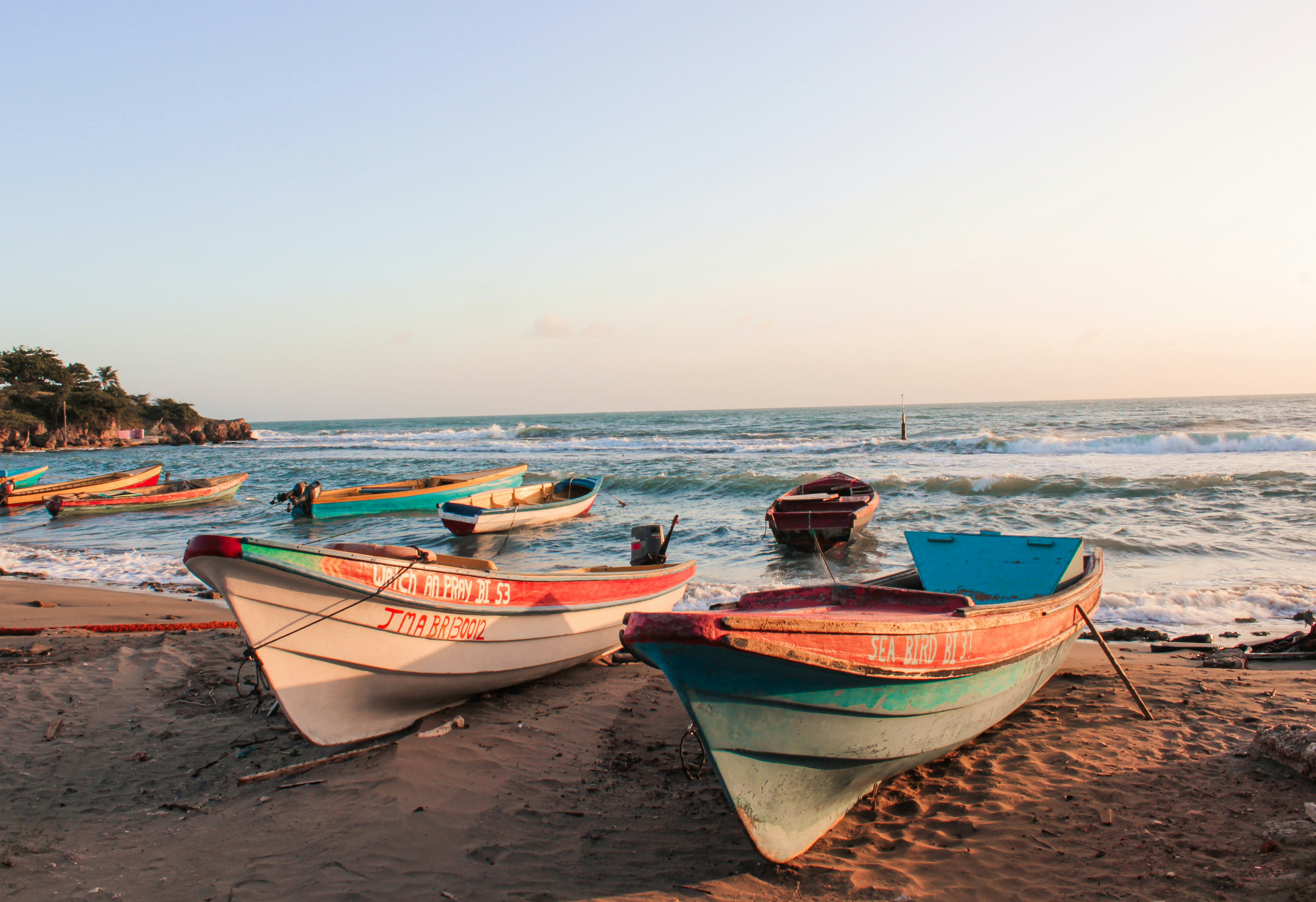
3 Days in Jamaica: A Day-by-Day Itinerary
A detailed 3-day itinerary for Jamaica with daily activities, costs, neighborhoods, and transport tips.
12 June 2026
Jamaica in 5 Days: The Perfect Extended Itinerary
A detailed 5-day itinerary for Jamaica with daily activities, costs, neighborhoods, and transport tips for an extended stay.
6 May 2026
Jamaica in 10 Days: The Ultimate Travel Itinerary
A comprehensive 10-day itinerary for Jamaica covering top attractions, hidden gems, daily costs, and transport between cities.
20 June 2026
Jamaica Travel Budget Guide: Daily Costs and Money Tips
How much does it cost to travel in Jamaica? Daily budget breakdowns for budget, mid-range, and luxury travellers.
25 February 2026
Jamaica Currency & Money Guide: Exchange, Cards, and Tips
Currency exchange, credit card acceptance, ATM tips, tipping culture, and money-saving advice for Jamaica.
27 July 2026
Jamaica Visa & Entry Requirements for Singapore Passport Holders
Visa requirements, passport validity, customs allowances, and entry tips for Singapore citizens travelling to Jamaica.
9 July 2026
Jamaica Safety Guide: Tips for a Safe Trip
Safety tips, health advisories, emergency contacts, common scams, and travel insurance advice for Jamaica.
19 July 2026
Getting Around Jamaica: Transport Guide for Travellers
Airport transfers, public transport, ride-hailing apps, inter-city travel, and driving tips for Jamaica.
25 May 2026
More Travel Guides
Destination Guide
Complete Bosnia and Herzegovina Travel Guide 2026
Everything you need to know about travelling to Bosnia and Herzegovina — budget, visa, food, transport, eSIM connectivity, and itineraries.
Destination Guide
Complete Bahamas Travel Guide 2026
Everything you need to know about travelling to Bahamas — budget, visa, food, transport, eSIM connectivity, and itineraries.
Destination Guide
Complete Bahrain Travel Guide 2026
Everything you need to know about travelling to Bahrain — budget, visa, food, transport, eSIM connectivity, and itineraries.
Destination Guide
Complete Sint Eustatius Travel Guide 2026
Everything you need to know about travelling to Sint Eustatius — budget, visa, food, transport, eSIM connectivity, and itineraries.