Key Takeaways
- ✓June–September is best for first-time trips, while late August–April is ideal for Northern Lights and February–April for dog sledding.
- ✓Greenland is an expensive destination in 2026; plan on roughly DKK 1,100–6,500 per person per day depending on your travel style.
- ✓Greenland is outside Schengen, and some travellers need a Greenland-specific visa or permit even if they hold a Schengen visa.
- ✓Internal travel relies on flights and boats rather than roads; build flexibility into your itinerary for weather-related changes.
- ✓Hello eSIM is the simplest way to stay connected in Greenland, supporting navigation, safety alerts, and trip management.
- ✓Safety in Greenland hinges on respecting nature—pack serious cold-weather gear and buy robust travel insurance.
- ✓Cultural awareness matters: learn basic etiquette and local phrases using the Greenland Cultural Guide before you go.
- ✓Use this pillar guide with Hello’s app features and the linked cluster articles to design 3-, 5-, or 10-day Greenland itineraries that match your budget and interests.
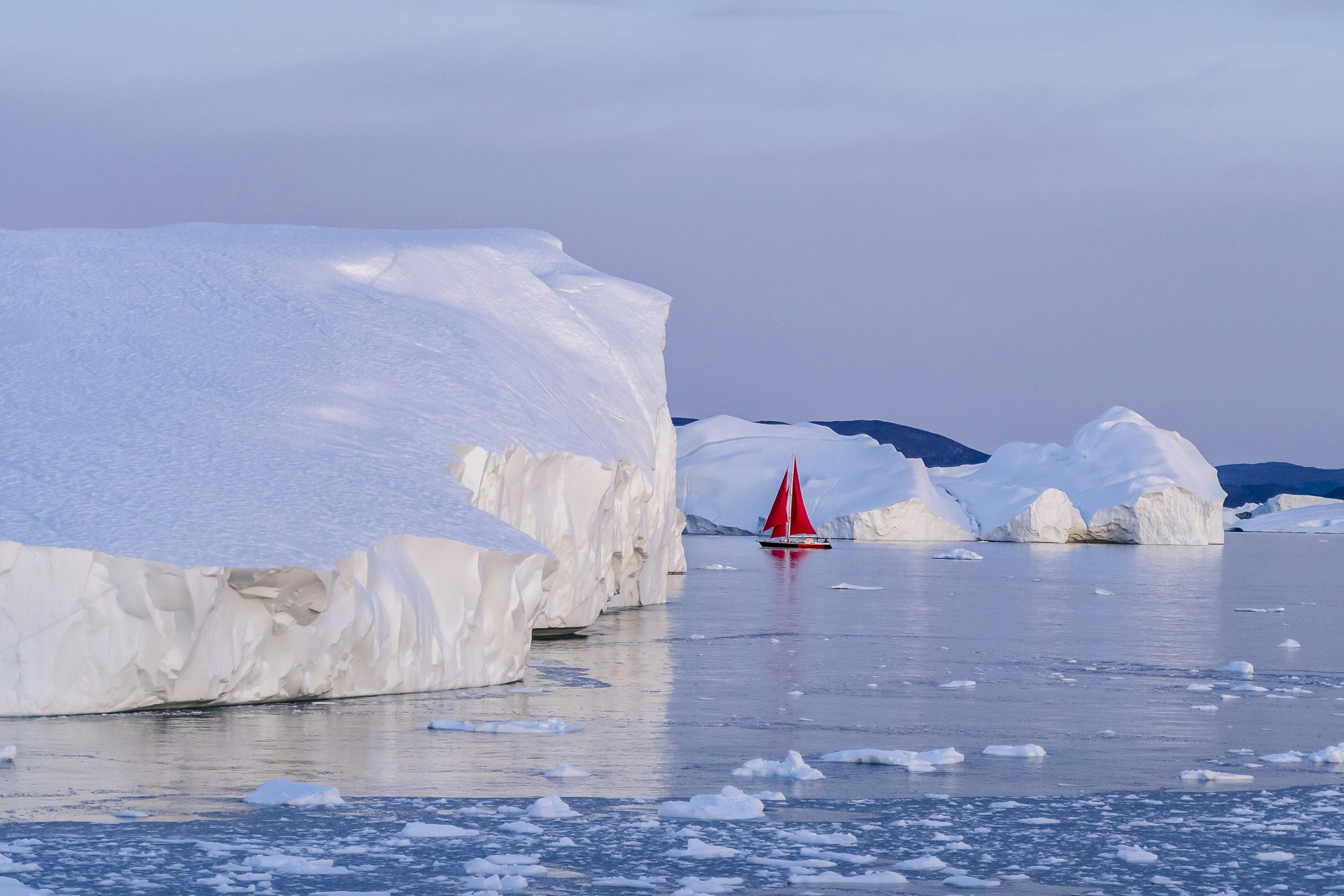
Greenland is the kind of place that stays with you long after you’ve left: icebergs glowing pink at midnight, small harbours framed by colourful houses, and Arctic silence broken only by cracking ice and sled dogs. This Complete Greenland Travel Guide 2026 is your high-level trip planner, pulling together the essentials so you can design your perfect adventure.
In this guide, you’ll get an at-a-glance understanding of when to visit, what kind of budget you’ll need, and how visa and entry work for different travellers (with a specific cluster guide for Singapore passport holders). You’ll learn how to get around a country with almost no roads between towns, what to expect from Greenlandic food, and which top experiences are worth prioritising for a trip of 3, 5, or 10 days.
We’ll also cover Hello eSIM connectivity, so you can stay online without hunting for local SIM cards, plus safety, money, and cultural tips that make travel smoother and more respectful. Throughout, you’ll see links to detailed cluster articles like Greenland Travel Budget Guide, Getting Around Greenland: Transport Guide for Travellers, and more, so this pillar guide becomes your master hub.
Whether you’re planning a quick 3-day stopover or a 10-day deep dive, use this guide as your Greenland trip planner—and let Hello help with eSIM, budgeting, and coordination along the way.
Why Visit Greenland in 2026
Greenland in 2026 offers a rare mix of raw Arctic wilderness, reliable travel infrastructure, and peak solar activity for Northern Lights, making it ideal for adventurous travellers who still want good logistics, eSIM connectivity, and clear planning tools.
If you’re drawn to destinations that still feel genuinely remote compared to Japan or Thailand, Greenland delivers: there are no inter-city roads, most movement happens by boat or plane, and you’ll share hiking trails with more reindeer than people. Yet, as of 2026, tourism services have matured enough that first-time visitors can comfortably plan trips in the 3–10 day range using itineraries like 3 Days in Greenland: A Day-by-Day Itinerary, Greenland in 5 Days: The Perfect Extended Itinerary, and Greenland in 10 Days: The Ultimate Travel Itinerary.
Expect striking contrasts: summer brings midnight sun, boat trips among icebergs, coastal hikes, and whale watching; winter and early spring deliver Northern Lights, dog sledding, skiing, and frozen fjords. Culturally, Greenland mixes Inuit traditions with Danish influences, best understood through the Greenland Cultural Guide: Etiquette, Customs, and Tips.
Compared with more classic Arctic gateways like Iceland or northern Norway, Greenland is wilder, less crowded, and generally more expensive per day—but also more immersive. This pillar guide gives you the high-level overview: when to go, how much to budget, what to eat, how to stay connected with Hello eSIM, and which experiences to prioritise, with cluster articles for deeper planning where needed.
Best Time to Visit Greenland (Season-by-Season)
In Greenland, June–September is best for first-time visitors seeking milder temperatures and easy logistics, while late August–April is ideal for Northern Lights, and February–April is prime for dog sledding and winter adventures.
As of 2026, tourist boards and recent travel data agree that summer (especially mid-July to early September) offers the most accessible travel: coastal waters are largely ice-free, hiking trails are open, boat tours run frequently, and temperatures often sit in the high single digits to low teens Celsius. Shoulder months like May and late September can be quieter and cheaper but may see more variable weather and limited services.
For Northern Lights, the main window is late August to April, with peak activity around October–February, coinciding with a strong solar cycle in 2025–2026. Winter and early spring (February–April) bring good snow conditions for dog sledding and skiing, though you’ll face colder temperatures and shorter days.
Here’s a simple seasonal comparison for Greenland:
| Season (approx.) | Weather & Light | Best For | Trade-offs |
|---|---|---|---|
| Jun–Sep | Milder, long days, midnight sun (Jun–Jul) | First-time trips, hiking, boat tours, whales | Higher prices, more visitors, some fog |
| Feb–Apr | Cold, snow, increasing daylight | Dog sledding, skiing, late-season aurora | Requires winter gear, some routes weather-dependent |
| Oct–Jan | Very cold, long nights | Northern Lights, deep-winter feel | Limited daylight, fewer tours, possible cancellations |
| May & late Sep | Shoulder, variable | Fewer crowds, better deals | Uncertain conditions, limited operations |
For detailed trip timing and activity ideas, pair this overview with the itineraries: 3 Days in Greenland: A Day-by-Day Itinerary, Greenland in 5 Days, and Greenland in 10 Days.
Budget Overview: How Expensive is Greenland in 2026?
Greenland is a high-cost destination in 2026; expect roughly DKK 1,100 per day for strict budget travel, DKK 2,500 for mid-range comfort, and DKK 6,500+ for luxury, excluding long-haul flights.
Recent 2026 budget analyses show Greenland’s daily costs well above many destinations like Thailand or Japan. Accommodation, internal flights, and guided tours are the biggest cost drivers, while everyday items like groceries and restaurant meals are also expensive due to import reliance.
A Hello-based synthesis of current budget ranges for 2026:
| Category | Budget Traveller (DKK/day) | Mid-Range (DKK/day) | Luxury (DKK/day) |
|---|---|---|---|
| Accommodation | 350–500 (hostels, simple guesthouses) | 900–1,300 (standard hotels, nicer guesthouses) | 2,500+ (top hotels, lodges) |
| Food & Drink | 250–350 (self-catering, occasional meals out) | 500–800 (mix of restaurants and snacks) | 1,200+ (fine dining, frequent eating out) |
| Transport (local) | 150–250 (limited transfers, walking) | 300–700 (short flights, boat trips) | 1,500+ (helicopters, private tours) |
| Activities | 150–300 (free hikes, one paid tour) | 500–900 (several guided experiences) | 1,500+ (multi-day expeditions) |
| Daily Total | ~1,100 | ~2,500 | 6,500+ |
For multi-day stays, a typical 5–10 day trip with internal flights and at least a few tours can easily reach several thousand USD per person. To optimise, use cluster resources like the Greenland Travel Budget Guide: Daily Costs and Money Tips and Greenland Currency & Money Guide to refine your numbers, check sample daily budgets, and learn how Hello’s budgeting features can help track expenses and split costs with friends.
Visa & Entry: What You Need to Know for Greenland
As of 2026, Greenland is not part of the EU or Schengen, and visa rules follow Danish regulations; some passport holders (including Singaporeans) enjoy visa-free short stays, but others need a Greenland-specific entry permit.
Official 2026 guidance from Visit Greenland confirms that a standard Schengen visa for Denmark or other European countries does not automatically grant entry to Greenland. Greenland is outside the Schengen area, so travellers from visa-required countries must apply for permission that explicitly covers Greenland, usually via Danish authorities.
For many high-trust passports, including Singapore, trips of up to roughly 90 days for tourism are visa-free, provided you meet standard conditions: valid passport, proof of funds, and a return or onward ticket. However, non-tourist stays (work, study, residence) require specific permits and cannot rely on tourist visa exemptions.
Key points for 2026:
- Transit via Denmark or another gateway is common; check separate entry requirements for the country you route through.
- Schengen visa ≠ Greenland visa: if your nationality normally needs a visa, confirm you have documentation explicitly mentioning Greenland.
- Singapore passport holders can consult Greenland Visa & Entry Requirements for Singapore Passport Holders for tailored advice, customs allowances, and example scenarios.
Regardless of nationality, always:
- Check rules 3–6 months before travel, as visa policies can change.
- Ensure passport validity (often at least 6 months from entry date).
- Keep travel insurance details and accommodation bookings accessible—using the Hello app as a single trip planner can make border checks smoother.
Getting Around Greenland: Flights, Boats, and Local Transport
Greenland has no roads linking its major towns, so you’ll rely on domestic flights, boats, and occasional helicopters for inter-city travel, plus walking and short transfers within each settlement.
As of 2026, the core reality is unchanged: Greenland’s rugged coastline and ice sheet make road networks impractical, so the main connections are air and sea. Domestic flights link hubs like Nuuk and Ilulissat, while coastal ferries and boats connect smaller communities and offer scenic travel opportunities. Weather can affect schedules year-round, especially in winter and shoulder seasons, so flexibility is essential.
Inside towns, you’ll usually move on foot, by taxi, or on limited local buses. There are a few areas where driving is possible on short road networks, but classic road-trip style travel between cities is not an option. Instead, think of your route as a chain of flight and boat segments, supported by good planning.
For a deep dive into how this works in practice—airport transfers, public transport, and driving tips—use Getting Around Greenland: Transport Guide for Travellers. To see real-world patterns, pair that with itineraries like Greenland in 5 Days: The Perfect Extended Itinerary and Greenland in 10 Days: The Ultimate Travel Itinerary, which show typical sequences of flights, boat rides, and local movements.
Using the Hello app, you can log your transport bookings, keep boarding passes and schedules in one place, and track shared costs if you’re travelling with friends.
Food & Dining: What to Eat in Greenland
Greenland’s food scene blends traditional Arctic ingredients—fish, seafood, and game—with Danish-influenced comfort dishes; expect higher-than-average meal prices, limited fast food, and surprisingly cosy cafés.
As of 2026, typical Greenlandic dining leans on what the environment provides: fresh fish, shrimp, halibut, musk ox, reindeer, and seasonal berries. In coastal towns, you’ll find both local-style restaurants and simple diners, often serving stew-like dishes alongside Danish classics such as open sandwiches. Prices are generally high compared with many countries, reflecting import costs and remoteness.
For a structured look at dishes, price ranges, and dietary options, use the Greenland Food Guide: Must-Try Dishes, Prices, and Tips. It breaks down what you can expect to pay at different types of venues, plus guidance for vegetarians, vegans, and travellers with allergies—important in a region where fresh produce can be limited.
Money-wise, pair your food planning with the Greenland Currency & Money Guide and the Greenland Travel Budget Guide. You’ll learn how to use cards and cash efficiently, understand tipping norms, and avoid budget surprises.
On Hello, you can log each meal, split restaurant bills with travel companions, and keep your food spending in view. This matters in Greenland, where a few unplanned splurges can quickly push you from a mid-range budget to luxury-level daily costs.
Top Experiences & Suggested Itineraries
Greenland’s headline experiences centre on ice, light, and culture: iceberg cruises, glacier hikes, Northern Lights, dog sledding, coastal hiking, and time spent in colourful harbour towns like Ilulissat and Nuuk.
In summer, expect boat tours among icebergs, day trips to calving glaciers, whale watching, and long hikes on coastal trails with near-24-hour daylight near the Arctic Circle. In winter and early spring, highlights include aurora watching, dog sledding across snowy terrain, skiing, and deep-winter photography. Cultural experiences—community visits, museums, and local food—run year-round and help you understand modern Greenlandic life and Inuit heritage.
To turn these into concrete plans, start with:
- 3 Days in Greenland: A Day-by-Day Itinerary – ideal for short stopovers or adding Greenland to a broader Arctic trip.
- Greenland in 5 Days: The Perfect Extended Itinerary – balances ice experiences, town time, and flexible days.
- Greenland in 10 Days: The Ultimate Travel Itinerary – for travellers wanting multiple regions and deeper exploration.
Use this pillar guide’s seasonal and budget tables to choose when to go and what you can reasonably afford; then use the itineraries to plug in specific tours, transit legs, and free days. The Hello app can store your chosen route, sync accommodation and activity bookings, and keep a running total of your trip budget.
Hello eSIM Connectivity in Greenland
In 2026, the easiest way to stay online in Greenland is with Hello eSIM, giving you mobile data without hunting for physical SIM cards, so you can navigate, message, and manage bookings across towns and seasons.
Connectivity in Greenland is concentrated around populated areas; larger towns and some tourist hubs have mobile coverage and Wi‑Fi, while remote areas and deep fjords can see limited or no signal. This makes a flexible, pre-configured data solution especially useful. With Hello eSIM, you can:
- Activate data plans for Greenland instantly from the Hello app.
- Avoid local SIM shops and language barriers on arrival.
- Use data for maps, weather forecasts, and flight/boat updates.
For step-by-step setup and plan comparisons, see eSIM for Greenland: Best Plans, Coverage, and Setup Tips. That cluster article explains how to install Hello eSIM profiles, check coverage before you go, and adjust your data usage in areas where signal is intermittent.
Because Greenland’s transport can be weather-dependent, staying connected is more than convenience—it’s a safety and logistics tool. Combine Hello eSIM with the Getting Around Greenland: Transport Guide for Travellers and Greenland Safety Guide: Tips for a Safe Trip to ensure you always have the latest information on delays, route changes, and emergency contacts.
All of this integrates with Hello’s trip planning and expense tools, so your connectivity, budgeting, and itinerary live in one place.
Safety, Money & Practical Tips
Greenland is generally safe for travellers in 2026, with the main risks linked to nature—weather, cold, and remoteness—rather than crime; careful planning, proper clothing, and good insurance are essential.
Crime rates in Greenland’s tourist areas are low, but conditions can be harsh and change quickly. Storms, sea ice, and low visibility can affect flights and boat trips, and winter temperatures demand serious cold-weather gear. The Greenland Safety Guide: Tips for a Safe Trip provides detailed advice on clothing, emergency numbers, local healthcare, and insurance.
On the money side, Greenland uses the Danish krone (DKK). Cards are widely accepted in towns, but having some cash is wise for smaller businesses and remote communities. Prices are high; the Greenland Currency & Money Guide and Greenland Travel Budget Guide explain ATMs, exchange strategies, tipping norms, and money-saving tactics.
A simple practical matrix for first-time visitors:
| Topic | Key Tip |
|---|---|
| Clothing | Pack serious layers, waterproof outerwear, and insulated boots—even in summer. |
| Health & Safety | Buy travel insurance that covers evacuations and weather-related delays. |
| Bookings | Pre-book internal flights and popular tours, especially June–September. |
| Cash & Cards | Use cards where possible, keep a backup stash of DKK for small purchases. |
| Connectivity | Use Hello eSIM to keep weather alerts, maps, and emergency contacts handy. |
Use Hello’s safety and notes features to store emergency contacts, policy details, and key phrases from the Greenland Cultural Guide so you have everything accessible offline if needed.
Culture, Etiquette & Local Life
Greenland’s culture is a blend of Inuit heritage and Danish influence; showing respect means learning basic etiquette, dressing appropriately, and understanding that life in small communities runs at its own pace.
In 2026, most visitors spend time in towns like Nuuk and Ilulissat, where you’ll find museums, community centres, and everyday life unfolding in harsh but beautiful surroundings. Core etiquette themes include:
- Greeting people politely and not assuming everyone is comfortable being photographed.
- Respecting local hunting and fishing traditions, even if they differ from your own norms.
- Being mindful of noise and behaviour in small settlements, where everyone knows each other.
The Greenland Cultural Guide: Etiquette, Customs, and Tips covers greeting customs, dress codes, useful phrases, and how to behave in homes, on tours, and around religious sites. It also highlights how climate and geography shape daily routines.
From a practical perspective, remember that schedules are often tuned to weather and community needs, not visitor expectations. Tours may adjust timings, shops may close earlier than you’d expect, and events can be spontaneous. Embracing this rhythm is part of the experience.
Use Hello to store key phrases, etiquette notes, and addresses for cultural sites and restaurants, then combine them with routes from the itineraries (like Greenland in 5 Days) to ensure you balance nature time with immersion in local life.
Before You Go: Greenland 2026 Checklist
Before your 2026 Greenland trip, confirm your season, budget, visa status, insurance, clothing, and Hello eSIM setup—then pre-book key flights and tours, and save all documents into the Hello app.
To turn the high-level advice in this guide into a concrete plan, use this pre-departure checklist as a starting point:
Trip Planning
- Choose dates based on your priorities: midnight sun (Jun–Jul), hiking/boat trips (Jun–Sep), Northern Lights (late Aug–Apr), dog sledding (Feb–Apr).
- Select a core itinerary: 3 Days in Greenland, 5 Days, or 10 Days.
Documents & Money
- Check visa rules for your nationality; if you’re from Singapore, review Greenland Visa & Entry Requirements for Singapore Passport Holders.
- Confirm passport validity (usually 6+ months) and keep travel insurance covering evacuations and delays.
- Read the Greenland Currency & Money Guide and Travel Budget Guide to finalise budgets.
Packing & Safety
- Pack layered clothing, waterproof outerwear, insulated boots, and any specialist gear recommended in the Greenland Safety Guide.
- Save emergency numbers and cultural notes from the Greenland Cultural Guide.
Connectivity & Apps
- Set up Hello eSIM using eSIM for Greenland: Best Plans, Coverage, and Setup Tips.
- Build your trip in Hello: add flights, accommodation, tours, expected daily budget, and shared expenses.
Use this checklist alongside the cluster articles for deeper detail, and treat Hello as your one-stop companion for Greenland planning and on-the-ground travel.
3 Days in Greenland: A Day-by-Day Itinerary
ItinerariesGreenland in 5 Days: The Perfect Extended Itinerary
ItinerariesGreenland in 10 Days: The Ultimate Travel Itinerary
Visa & EntryGreenland Visa & Entry Requirements for Singapore Passport Holders
eSIM & ConnectivityeSIM for Greenland: Best Plans, Coverage, and Setup Tips
Budget PlanningGreenland Travel Budget Guide: Daily Costs and Money Tips
Currency & MoneyGreenland Currency & Money Guide: Exchange, Cards, and Tips
Safety & HealthGreenland Safety Guide: Tips for a Safe Trip
Cultural GuideGreenland Cultural Guide: Etiquette, Customs, and Tips
Frequently Asked Questions
Is Greenland safe to visit in 2026?
Yes, Greenland is generally safe for travellers in 2026, with low crime in tourist areas. The main risks are environmental: cold temperatures, fast-changing weather, and remoteness. Good insurance, proper clothing, and flexible plans are essential. For detailed guidance, see the Greenland Safety Guide: Tips for a Safe Trip.
How much should I budget for a trip to Greenland?
As of 2026, a strict budget traveller might spend around DKK 1,100 per day, mid-range travellers about DKK 2,500, and luxury visitors DKK 6,500+ per day, excluding long-haul flights. Costs vary by season and activities. Use the Greenland Travel Budget Guide and Greenland Currency & Money Guide to refine your budget.
Do I need a visa to visit Greenland?
Greenland is outside the EU and Schengen area, and visa rules follow Danish regulations. Some nationalities, including Singapore passport holders, can enter visa-free for short tourist stays, while others need a Greenland-specific entry permit—even if they already hold a Schengen visa. For Singapore-specific details, see Greenland Visa & Entry Requirements for Singapore Passport Holders. Always check current rules before booking.
When is the best time to see the Northern Lights in Greenland?
Northern Lights are typically visible from late August to April, with peak activity around October–February. The years 2025–2026 coincide with a strong solar cycle, making aurora displays especially impressive. For trips focused on aurora plus winter activities like dog sledding, consider travelling between February and April.
Can I use Hello eSIM in Greenland instead of buying a local SIM?
Yes. Hello offers eSIM data plans that work in Greenland, letting you activate mobile data instantly through the Hello app without buying a physical SIM at arrival. This is ideal given Greenland’s limited infrastructure and variable opening hours. For plan and setup details, see eSIM for Greenland: Best Plans, Coverage, and Setup Tips.
How many days do I need for a good Greenland trip?
You can get a strong taste of Greenland in 3 days by focusing on one hub such as Ilulissat, but 5 days allows more activities and a slightly slower pace, while 10 days lets you visit multiple regions and mix seasons or experiences. For sample routes and daily breakdowns, explore 3 Days in Greenland, Greenland in 5 Days, and Greenland in 10 Days.
What is the easiest way to move between towns in Greenland?
There are no roads linking Greenland’s major towns, so you’ll use domestic flights, boats, and sometimes helicopters to move between places, with walking, taxis, or local buses inside each settlement. Weather can affect schedules, especially in winter. For detailed transport advice, read Getting Around Greenland: Transport Guide for Travellers.
eSIM Plans for Greenland
Detailed Articles
Dive deeper into specific topics covered in this guide.
3 Days in Greenland: A Day-by-Day Itinerary
A detailed 3-day itinerary for Greenland with daily activities, costs, neighborhoods, and transport tips.
11 June 2026
Greenland in 5 Days: The Perfect Extended Itinerary
A detailed 5-day itinerary for Greenland with daily activities, costs, neighborhoods, and transport tips for an extended stay.
6 May 2026
Greenland in 10 Days: The Ultimate Travel Itinerary
A comprehensive 10-day itinerary for Greenland covering top attractions, hidden gems, daily costs, and transport between cities.
19 June 2026
Greenland Cultural Guide: Etiquette, Customs, and Tips
Essential do's and don'ts, greeting customs, dress codes, local phrases, and cultural tips for Greenland.
2 June 2026
Greenland Travel Budget Guide: Daily Costs and Money Tips
How much does it cost to travel in Greenland? Daily budget breakdowns for budget, mid-range, and luxury travellers.
24 February 2026
Greenland Currency & Money Guide: Exchange, Cards, and Tips
Currency exchange, credit card acceptance, ATM tips, tipping culture, and money-saving advice for Greenland.
26 July 2026
Greenland Visa & Entry Requirements for Singapore Passport Holders
Visa requirements, passport validity, customs allowances, and entry tips for Singapore citizens travelling to Greenland.
9 July 2026
Greenland Safety Guide: Tips for a Safe Trip
Safety tips, health advisories, emergency contacts, common scams, and travel insurance advice for Greenland.
18 July 2026
More Travel Guides
Destination Guide
Complete Nauru Travel Guide 2026
Everything you need to know about travelling to Nauru — budget, visa, food, transport, eSIM connectivity, and itineraries.
Destination Guide
Complete Kyrgyzstan Travel Guide 2026
Everything you need to know about travelling to Kyrgyzstan — budget, visa, food, transport, eSIM connectivity, and itineraries.
Destination Guide
Complete Kosovo Travel Guide 2026
Everything you need to know about travelling to Kosovo — budget, visa, food, transport, eSIM connectivity, and itineraries.
Destination Guide
Complete Trinidad and Tobago Travel Guide 2026
Everything you need to know about travelling to Trinidad and Tobago — budget, visa, food, transport, eSIM connectivity, and itineraries.