Key Takeaways
- ✓Georgia in 2026 offers a rare mix of affordability, culture, mountains, and wine, ideal for 5–10 day trips.
- ✓Spring and autumn are the best all-round seasons, while summer favours high-altitude hiking and winter suits city and ski trips.
- ✓Daily budgets from roughly US$30–45 (budget) to US$60–100 (mid-range) make Georgia very competitive globally.
- ✓Check visa and entry rules for your nationality well before travelling, and ensure your passport has sufficient validity.
- ✓Hello eSIM provides simple, reliable connectivity in Georgia, making navigation, messaging, and trip planning easier from day one.
- ✓Use Georgia’s transport mix—metro, buses, marshrutkas, trains, and private transfers—based on your comfort level and itinerary.
- ✓Respect local culture by dressing modestly in religious sites, learning basic phrases, and following etiquette at traditional feasts.
- ✓Plan ahead with the dedicated budget, currency, food, safety, and cultural guides, then use Hello to keep your Georgia trip organised and on budget.
Georgia is one of those rare destinations that feels both wonderfully unfamiliar and instantly welcoming. Between the cobbled streets of Tbilisi, the vineyards of Kakheti, and the mountain vistas of Kazbegi, it’s a country that packs history, nature, and hearty food into a very manageable size. As of 2026, Georgia remains remarkably budget-friendly, easy to navigate, and increasingly well-connected thanks to Hello eSIM, making it perfect for first-time visitors and seasoned travellers alike.
This Complete Georgia Travel Guide 2026 brings together everything you need to plan a smooth, memorable trip: when to go, how much to budget, visa and entry rules, transport options, must-try dishes, safety basics, and connectivity tips. Think of it as your high-level trip planner, with each section linking out to focused guides like the Georgia Travel Budget Guide, Georgia Food Guide, and our day-by-day itineraries for 3 Days in Georgia, 5 Days, and 10 Days.
You’ll also find comparison tables (budget ranges by travel style, weather by season) and simple decision frameworks to help you choose the best time to visit, where to spend your days, and how to mix cities, mountains, and wine country. Use this guide as your starting point, then dive into the linked cluster articles for step-by-step detail. Whether you’re planning a quick stop between Japan and Thailand or a dedicated Georgia adventure, you’ll have everything you need in one place.
Why Visit Georgia in 2026
Georgia in 2026 is a sweet spot: still incredibly affordable, full of character, and now far easier to explore thanks to better infrastructure and digital tools like Hello eSIM. Expect atmospheric cities, dramatic mountain landscapes, and one of the most generous food cultures you’ll experience anywhere.
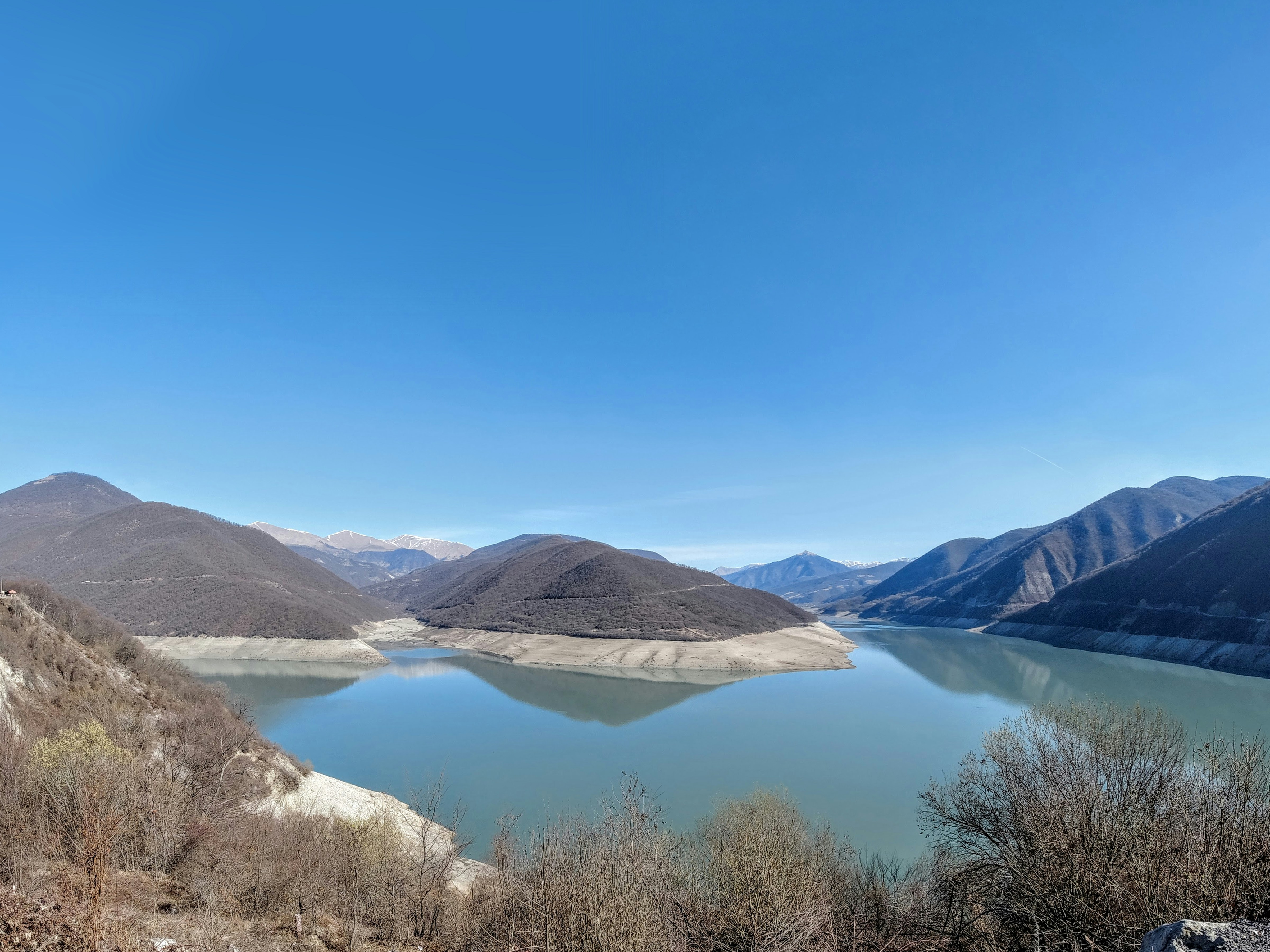
At a glance, Georgia offers a compact mix of culture, nature, and food that many travellers only find across multiple countries. Tbilisi charms with sulphur baths and street art, Kutaisi gives you Western Georgia’s older feel, Kazbegi and Svaneti deliver high-altitude drama, and Kakheti lets you sip wine where winemaking is over 8,000 years old.
For trip structure, start with our itineraries: 3 Days in Georgia works perfectly for a quick city-and-mountains escape; Georgia in 5 Days: The Perfect Extended Itinerary adds more neighbourhoods and day trips; and Georgia in 10 Days: The Ultimate Travel Itinerary lets you see several regions at a relaxed pace.
Compared with nearby favourites like Turkey or Thailand, Georgia feels more intimate and less commercial, yet you still get great cafés, decent public transport, and growing English signage. Safety is generally good for tourists (see the Georgia Safety Guide), and as of 2026, card payments and ATMs are common in cities (details in the Georgia Currency & Money Guide).
If you love hearty food, strong coffee, wine, and layered architecture, you’ll quickly see why so many travellers consider Georgia one of their most memorable trips and recommend visiting before it gets dramatically more expensive or crowded.
3 Days in Georgia: A Day-by-Day Itinerary
ItinerariesGeorgia in 5 Days: The Perfect Extended Itinerary
ItinerariesGeorgia in 10 Days: The Ultimate Travel Itinerary
Safety & HealthGeorgia Safety Guide: Tips for a Safe Trip
Currency & MoneyGeorgia Currency & Money Guide: Exchange, Cards, and Tips
Best Time to Visit: Seasons, Weather, and Crowds
The best time to visit Georgia depends on what you want: spring and autumn for comfortable sightseeing and wine, summer for hiking in the high Caucasus, and winter for skiing and cosy city breaks. As of 2026, shoulder seasons remain the sweet spot for fewer crowds and mellow prices.
Georgia has four distinct seasons, and temperatures change significantly between lowlands and mountains. Tbilisi summers can be hot (often above 30°C), while mountain areas like Stepantsminda stay much cooler. To choose your dates, first decide whether your priority is city wandering, vineyard visits, or serious hiking, then match that to the table below.
Georgia by Season (Tbilisi & general trends, 2026)
| Season (approx.) | Weather & temps (Tbilisi) | Best for | Crowds & prices |
|---|---|---|---|
| Mar–May (Spring) | Mild, ~10–22°C, some rain | City walks, first hikes, early wine trips | Moderate; good deals |
| Jun–Aug (Summer) | Warm–hot, ~20–32°C | High-altitude hiking, festivals | Higher in popular spots |
| Sep–Oct (Autumn) | Pleasant, ~15–25°C | Wine harvest, mixed city & nature | Popular but not packed |
| Nov–Feb (Winter) | Cold, ~0–8°C, chance of snow | Skiing, budget city breaks | Lowest prices overall |
For detailed daily structure and seasonal suggestions, check 3 Days in Georgia, Georgia in 5 Days, and Georgia in 10 Days. These itineraries highlight how to adapt your plans in summer (more mountains, longer days) versus winter (more baths, museums, and food).
If you’re flexible, aim for late April–early June or mid-September–mid-October. You’ll avoid peak heat, get photogenic colours in the countryside, and still find good availability for accommodation and transport without needing to plan every detail months in advance.
Budget Overview: How Much Does a Trip to Georgia Cost?
Georgia remains one of the best-value destinations in 2026. Budget travellers can get by on around US$30–45 per day, mid-range visitors on US$60–100, and comfort or luxury travellers from US$150+ daily, excluding flights. Your main variables: accommodation level, dining style, and inter-city transport.
The Georgia Travel Budget Guide breaks down typical costs (rooms, meals, transport, attractions) across three travel styles. This section gives you a quick, comparative overview so you can decide where you want to sit on the spectrum and use Hello’s trip planning and expense tracking to stay on target.
Estimated Daily Budget Ranges (per person, 2026)
| Travel style | Approx. daily budget | Typical accommodation | Eating style | Notes |
|---|---|---|---|---|
| Budget | US$30–45 | Hostel, guesthouse | Bakeries, small local eateries | Use marshrutkas (minibuses), shared taxis |
| Mid-range | US$60–100 | Boutique hotel, good guesthouse | Mix of local restaurants & cafés | Occasional tours, inter-city trains or private transfer |
| Comfort/Luxury | US$150+ | High-end boutique, 4–5★ hotels | Top restaurants, wine tastings | Private driver, guided experiences |
Cash and cards both work, but you’ll want some cash for markets and rural areas. The Georgia Currency & Money Guide explains exchange options, ATM tips, and how widely cards are accepted. For splitting costs with friends and tracking group budgets, Hello’s expense-splitting and budget features make it much easier to stay on top of shared taxis, dinners, and accommodation.
To refine these estimates, use the detailed daily examples in the Georgia Travel Budget Guide, then adjust up or down based on how often you plan to drink wine, take day tours, or stay in more characterful boutique properties.
Visa & Entry Requirements: What You Need Before Landing
As of 2026, Georgia offers relatively friendly visa policies, with many nationalities enjoying visa-free stays for tourism. Still, you must check your passport validity, entry rules, and customs allowances before flying to avoid issues at the border.
If you’re travelling on a Singapore passport, the Georgia Visa & Entry Requirements for Singapore Passport Holders provides up-to-date rules: length of stay, whether you need a visa, required passport validity (commonly at least six months), and what to expect upon arrival. For other nationalities, always confirm your status with official government sources or your airline as rules can change.
Most visitors arrive via Tbilisi International Airport, with smaller but growing connections to Kutaisi and Batumi. On arrival, expect standard immigration checks: passport stamping, occasional questions about your plans, and possible verification of onward travel or accommodation. Keep copies of your bookings and return flights on your phone (and ideally in the Hello app’s trip planner) so you can show them quickly.
Customs rules cover duty-free limits on alcohol and tobacco, plus restrictions on certain items. The cluster visa-entry guide explains typical allowances and what’s considered personal use versus commercial. If you carry medications, bring prescriptions and keep them in original packaging.
A simple decision framework for 2026:
- If your nationality is widely visa-exempt for Georgia: focus on passport validity, accommodation proof, and travel insurance.
- If you require a visa: apply well in advance, carry printed approvals, and keep digital copies accessible.
Either way, pair your paperwork with basic safety and health prep using the Georgia Safety Guide so you’re covered beyond just border formalities.
Getting Around: Transport in Cities and Across Georgia
Getting around Georgia in 2026 is easier than it looks at first glance: Tbilisi has workable public transport and ride-hailing, inter-city travel is supported by trains, minibuses, and private drivers, and roads to major tourist areas are steadily improving. Your transport mix will depend on your budget and comfort level.
The Getting Around Georgia: Transport Guide for Travellers walks through airport transfers, metro and bus systems, marshrutkas (shared minibuses), train routes, and driving tips. Here’s a high-level way to think about your choices.
Simple Transport Decision Guide (2026)
- City movement (Tbilisi, Batumi): combine metro/bus with ride-hailing or taxis for late nights and hills.
- Budget inter-city: use marshrutkas or standard trains — cheapest but less predictable schedules.
- Comfort inter-city: upgrade to faster trains (where available) or pre-booked private transfers.
- Remote areas & flexible exploring: consider renting a car, especially for regions like Kakheti or parts of the Greater Caucasus.
Hello’s trip planner can help you slot in timed departures and keep tickets, confirmations, and shared costs in one place if you’re travelling with friends.
For specific routes and timings, itineraries like Georgia in 5 Days and Georgia in 10 Days show how to realistically connect Tbilisi to places like Kazbegi, Mtskheta, and wine regions without feeling rushed.
Driving is possible with an international license and some confidence in mountain roads. However, if you’re not used to winding passes or variable driving styles, private transfers for key stretches can be worth the extra cost. The transport guide also covers seasonal considerations, such as winter conditions in the mountains and busier coastal routes in summer.
Food & Dining: What to Eat, Where to Eat, and How Much It Costs
Georgia’s food scene is a major reason people fall in love with the country. Expect generous portions, cheese, bread, herbs, and spices, with regional variations that keep meals exciting. As of 2026, you can eat very well at almost any budget, from street snacks to contemporary restaurants.
The Georgia Food Guide: Must-Try Dishes, Prices, and Tips covers classics like khachapuri (cheese-filled bread), khinkali (soup dumplings), and hearty stews, plus typical prices in local eateries versus more polished venues. This section helps you quickly understand how much to budget per meal and how to navigate menus confidently.
Typical 2026 ranges:
- Simple local meal at a small eatery: often US$3–7 per person.
- Mid-range restaurant with drinks: around US$10–20 per person.
- Wine bar or tasting in Kakheti: variable, but many options from US$10–30 for flights and snacks.
Vegetarian travellers usually fare well thanks to cheese, bread, salads, and bean dishes. Vegans need to look a bit harder but still have options, especially in Tbilisi’s newer cafés and restaurants. The food guide discusses dietary considerations and what to watch for if you have specific allergies.
To plan your eating days, pair the food guide with itineraries like 3 Days in Georgia or Georgia in 10 Days, which show how to build meals around bathhouse visits, viewpoints, and day trips.
For budgeting across a whole trip, use the Georgia Travel Budget Guide and track your spending with Hello’s budget tools. You’ll quickly see how extra wine tastings and café stops add up—and where Georgia’s affordability leaves room for a few splurge dinners.
Top Experiences & Recommended Itineraries
Georgia’s standout experiences cluster around three themes: Tbilisi’s characterful streets and baths, the dramatic Caucasus mountains, and wine country in Kakheti. As of 2026, you can combine all three in as little as 5–10 days with smart routing and realistic pacing.
Use our itineraries as building blocks:
- 3 Days in Georgia: A Day-by-Day Itinerary for a quick hit of Tbilisi plus a nearby day trip (often Mtskheta or the mountains).
- Georgia in 5 Days: The Perfect Extended Itinerary to add more neighbourhood exploration, baths, and a taste of wine country.
- Georgia in 10 Days: The Ultimate Travel Itinerary to stretch into multiple regions at a comfortable pace.
A simple experience planner:
- Culture & city focus: Base yourself mostly in Tbilisi, with side trips to Mtskheta and maybe Gori/Uplistsikhe.
- Mountains & nature: Prioritise Kazbegi/Stepantsminda and, if time allows, Svaneti or Racha.
- Wine & slow travel: Spend nights in Kakheti (Telavi or Sighnaghi), visiting small wineries and viewpoints.
Each itinerary cluster article includes approximate daily costs, transport options, and suggested neighbourhoods, so you can decide where to stay and how early to start days.
To connect experiences smoothly, combine them with the Getting Around Georgia: Transport Guide for Travellers. Hello’s trip planning features help you save key stops, add transport legs, and share plans with friends, keeping everyone aligned on which days are city-heavy, which are hiking days, and where the wine tastings fit in.
Connectivity & Hello eSIM: Staying Online in Georgia
Staying connected in Georgia in 2026 is straightforward with Hello eSIM, which offers instant activation, solid data coverage in major cities and many tourist regions, and an easy way to manage your usage directly from your phone. That means maps, messaging, and trip planning work smoothly from the moment you land.
The eSIM for Georgia: Best Plans, Coverage, and Setup Tips explains how Hello eSIM works specifically in Georgia: compatible devices, typical data packages, expected speeds, and where coverage is strongest or more limited (such as some remote mountain valleys).
Key advantages of using Hello eSIM in Georgia:
- Activate before or right after landing, so you can handle airport transport without hunting for a local SIM.
- Keep your physical SIM free for calls or backup, especially if you’re coming from Japan, Thailand, or another recent destination.
- Track data usage and trip expenses in one place if you’re using Hello for budget monitoring and group cost splitting.
For remote hiking and long mountain drives, don’t rely solely on connectivity—download offline maps, save key addresses in the Hello app, and keep emergency contacts from the Georgia Safety Guide accessible. In cities and towns, you’ll find plenty of Wi‑Fi in cafés and hotels, but a stable eSIM connection makes ride-hailing, restaurant searches, and translation apps much smoother.
When planning your trip, pair the eSIM guide with the Georgia Transport Guide so you know where you’ll benefit most from navigation and live timetables, and adjust your data plan accordingly.
Culture, Etiquette & Safety: Travelling Respectfully and Confidently
Georgia is generally welcoming and safe for visitors in 2026, but a bit of cultural awareness and basic safety preparation goes a long way. Learning simple etiquette, dress norms, and common scams will help you feel more comfortable and avoid unnecessary stress.
The Georgia Cultural Guide: Etiquette, Customs, and Tips outlines greeting customs, how to behave at supra (traditional feasts), what’s considered modest dress in churches and rural areas, and useful local phrases. Georgians often appreciate even small efforts to say hello and thank you in their language.
For safety, the Georgia Safety Guide: Tips for a Safe Trip covers health advisories, emergency numbers, and typical issues like pickpocketing in crowded places or overcharging with taxis. Serious crime against tourists is relatively uncommon, but standard urban awareness is still important.
A quick cultural-safety checklist:
- Dress modestly when visiting religious sites; cover shoulders and legs where requested.
- Ask before photographing people, especially in rural or religious settings.
- Use licensed taxis or ride-hailing, and confirm prices before rides if meters aren’t used.
- Keep a copy of your passport and insurance details stored securely (and digitally in Hello).
When combining Georgia with other destinations such as Japan or Thailand, remember that norms can shift sharply between countries. The cultural guide helps you recalibrate expectations, so you don’t accidentally apply habits from previous stops where they don’t fit.
Pair cultural awareness with practical safety from the dedicated guide, and you’ll find that Georgia’s warmth and hospitality are easy to enjoy responsibly.
Money, Payments & Using Hello for Budget Tracking
Georgia uses the Georgian lari (GEL), and as of 2026, you’ll find a growing mix of card payments and cash-only spots. Understanding how to access money, where cards work, and how to track spending will help you stay within budget without stress.
The Georgia Currency & Money Guide: Exchange, Cards, and Tips explains where to exchange, typical ATM fees, tipping norms, and money-saving advice. Combine that with the Georgia Travel Budget Guide to see how daily costs add up across meals, accommodation, and transport.
Practical money pointers for 2026:
- Carry some GEL in cash for small shops, markets, marshrutkas, and rural guesthouses.
- Expect cards to be accepted widely in Tbilisi, Batumi, and many hotels and restaurants.
- Keep a backup card and some emergency cash separate from your main wallet.
Hello’s budget tracking and expense-splitting features make it easier to manage shared taxis, group dinners, and apartment rentals, especially if you’re travelling with friends through multiple countries like Japan, Thailand, and Georgia in one trip.
To build a simple money plan:
- Use the budget guide to choose your daily target (budget, mid-range, or comfort).
- Set that target in Hello and log major expenses (accommodation, tours, transfers).
- Check the currency guide for local ATM and exchange tips to minimise fees.
Between good value pricing and a bit of organisation, Georgia is a place where you can enjoy a lot without constantly worrying about overspending.
Before You Go: Checklist for a Smooth Georgia Trip
A short, focused checklist before you leave home makes Georgia in 2026 much easier to enjoy. Think of it as covering documents, money, connectivity, health, and a rough itinerary, all saved neatly in Hello so you’re not scrambling on arrival.
Use this section alongside the Georgia Visa & Entry Requirements for Singapore Passport Holders, Georgia Safety Guide, and eSIM for Georgia: Best Plans, Coverage, and Setup Tips as your pre-departure trio.
Pre-Departure Checklist (2026)
- Documents: Passport with sufficient validity, any required visas, travel insurance, and copies of accommodation bookings.
- Money: Read the Georgia Currency & Money Guide, decide how much cash vs card, and notify your bank of travel.
- Connectivity: Set up Hello eSIM for Georgia using the dedicated guide, and download offline maps.
- Health & safety: Review the safety guide for emergency numbers, local health advice, and insurance tips.
- Itinerary: Choose your framework—3 Days, 5 Days, or 10 Days—and add key stops and transport to Hello.
- Culture: Skim the Georgia Cultural Guide for etiquette and basic phrases.
If you’re coming from other destinations like Japan or Thailand, also check how climate and clothing needs differ, especially if you’re moving into Georgia’s cooler seasons or mountain areas.
Completing this checklist a week or two before departure gives you time to fix any gaps—whether that’s a missing visa confirmation, an eSIM setup question, or a need to tweak your daily budget expectations.
Georgia Visa & Entry Requirements for Singapore Passport Holders
Safety & HealthGeorgia Safety Guide: Tips for a Safe Trip
eSIM & ConnectivityeSIM for Georgia: Best Plans, Coverage, and Setup Tips
Currency & MoneyGeorgia Currency & Money Guide: Exchange, Cards, and Tips
Itineraries3 Days in Georgia: A Day-by-Day Itinerary
ItinerariesGeorgia in 5 Days: The Perfect Extended Itinerary
ItinerariesGeorgia in 10 Days: The Ultimate Travel Itinerary
Cultural GuideGeorgia Cultural Guide: Etiquette, Customs, and Tips
Frequently Asked Questions
How many days do I need in Georgia for a first trip?
For a first visit in 2026, 5–7 days is a great starting point: enough time for Tbilisi, a mountain day trip, and at least one night in wine country. Use Georgia in 5 Days as a base, or extend towards Georgia in 10 Days if you want more regions and slower pacing.
Is Georgia expensive compared to other popular destinations?
As of 2026, Georgia is generally cheaper than many European countries and still very competitive with regional favourites like Thailand. Budget travellers can manage on roughly US$30–45 per day, while mid-range visitors often spend US$60–100. The Georgia Travel Budget Guide gives detailed daily examples by travel style.
Do I need a visa to visit Georgia?
Many nationalities can enter Georgia visa-free for tourism, but rules depend on your passport. If you hold a Singapore passport, see Georgia Visa & Entry Requirements for Singapore Passport Holders for current details as of 2026. Other travellers should check their government’s advice or Georgian official sources well before departure.
What is the best way to stay connected in Georgia?
The simplest way in 2026 is to use Hello eSIM, which offers instant activation and solid coverage in major cities and many tourist areas. The eSIM for Georgia: Best Plans, Coverage, and Setup Tips explains plan options, device compatibility, and how to set everything up before or right after you land.
Is Georgia safe for solo travellers?
Georgia is generally considered safe for solo travellers in 2026, including solo women, especially in main tourist areas. Normal city awareness still applies—watch belongings in crowds, use reputable transport, and avoid very isolated spots at night. The Georgia Safety Guide offers detailed safety tips and emergency contacts.
What are the must-try Georgian dishes?
Start with khachapuri (cheese bread), khinkali (soup dumplings), badrijani (eggplant with walnut), and local stews and salads. Prices are very reasonable, especially in local eateries. For a structured list of dishes, price ranges, and dining tips, see the Georgia Food Guide: Must-Try Dishes, Prices, and Tips.
Can I use credit cards easily in Georgia?
Cards are widely accepted in Tbilisi, Batumi, and many hotels and restaurants as of 2026, but you’ll still want cash for markets, small shops, and rural guesthouses. The Georgia Currency & Money Guide explains where cards work best, how to handle ATMs, and smart ways to minimise fees.
eSIM Plans for Georgia
Detailed Articles
Dive deeper into specific topics covered in this guide.
3 Days in Georgia: A Day-by-Day Itinerary
A detailed 3-day itinerary for Georgia with daily activities, costs, neighborhoods, and transport tips.
11 June 2026
Georgia in 5 Days: The Perfect Extended Itinerary
A detailed 5-day itinerary for Georgia with daily activities, costs, neighborhoods, and transport tips for an extended stay.
5 May 2026
Georgia in 10 Days: The Ultimate Travel Itinerary
A comprehensive 10-day itinerary for Georgia covering top attractions, hidden gems, daily costs, and transport between cities.
19 June 2026
Georgia Safety Guide: Tips for a Safe Trip
Safety tips, health advisories, emergency contacts, common scams, and travel insurance advice for Georgia.
17 July 2026
Georgia Currency & Money Guide: Exchange, Cards, and Tips
Currency exchange, credit card acceptance, ATM tips, tipping culture, and money-saving advice for Georgia.
26 July 2026
Georgia Travel Budget Guide: Daily Costs and Money Tips
How much does it cost to travel in Georgia? Daily budget breakdowns for budget, mid-range, and luxury travellers.
24 February 2026
Georgia Visa & Entry Requirements for Singapore Passport Holders
Visa requirements, passport validity, customs allowances, and entry tips for Singapore citizens travelling to Georgia.
8 July 2026
Getting Around Georgia: Transport Guide for Travellers
Airport transfers, public transport, ride-hailing apps, inter-city travel, and driving tips for Georgia.
24 May 2026
More Travel Guides
Destination Guide
Complete Sweden Travel Guide 2026
Everything you need to know about travelling to Sweden — budget, visa, food, transport, eSIM connectivity, and itineraries.
Destination Guide
Complete Romania Travel Guide 2026
Everything you need to know about travelling to Romania — budget, visa, food, transport, eSIM connectivity, and itineraries.
Destination Guide
Complete Réunion Travel Guide 2026
Everything you need to know about travelling to Réunion — budget, visa, food, transport, eSIM connectivity, and itineraries.
Destination Guide
Complete Qatar Travel Guide 2026
Everything you need to know about travelling to Qatar — budget, visa, food, transport, eSIM connectivity, and itineraries.