Key Takeaways
- ✓Gabon in 2026 is ideal for nature‑focused travellers who prefer uncrowded parks and authentic culture over polished tourism.
- ✓Plan your visit around the drier months (June–September and December–February) for easier logistics and better wildlife viewing.
- ✓Expect daily budgets of roughly US$60–90 (budget), US$90–150 (mid‑range), and US$150–250+ (wildlife‑heavy trips).
- ✓Check visa and entry rules early, using the Singapore‑specific guide as a structured template for documentation.
- ✓Hello eSIM is the simplest way to stay connected in cities and major towns; download offline tools for remote parks.
- ✓Combine the Safety and Cultural guides to travel both safely and respectfully, especially when taking photos or visiting markets.
- ✓Use the 3‑, 5‑, and 10‑day itineraries as building blocks, then adapt based on your budget, season, and interests.
- ✓Prepare a pre‑departure checklist covering documents, health, money, connectivity, and cultural basics to ensure a smooth arrival.
Gabon is one of Central Africa’s best-kept secrets: lush rainforests, low-impact wildlife encounters, and a laid‑back coastal vibe along the Atlantic. This 2026 Gabon Travel Guide pulls everything together so you can confidently plan your trip, whether it’s 3 days in Libreville or a 10‑day adventure deep into national parks.
You’ll find clear breakdowns of budget levels, when to go, how visas work, and the easiest ways to get around. We’ll show you how to stay connected with Hello eSIM, what to eat (and where), and how to build an itinerary that fits your time and travel style — from city cafés to forest lodges. Each section links to detailed guides like Gabon Travel Budget Guide: Daily Costs and Money Tips, Gabon Cultural Guide: Etiquette, Customs, and Tips, and the 3‑, 5‑, and 10‑day itineraries.
Think of this as your Gabon hub: an at‑a‑glance overview, comparison tables, and decision frameworks that help you answer “Is Gabon right for me?”, “How much will it cost?”, and “What should I do first?”. Use this pillar guide to sketch your trip, then dive into the linked cluster articles to fine‑tune the details, book confidently, and make the most of your time in Gabon.
Why Visit Gabon in 2026: An Underrated Central African Gem
If you’re looking for a destination that combines rainforest wildlife, uncrowded beaches, and authentic everyday culture, Gabon in 2026 is a compelling choice. It’s ideal for curious travellers who’ve already been to Japan or Thailand and want something wilder yet still welcoming.
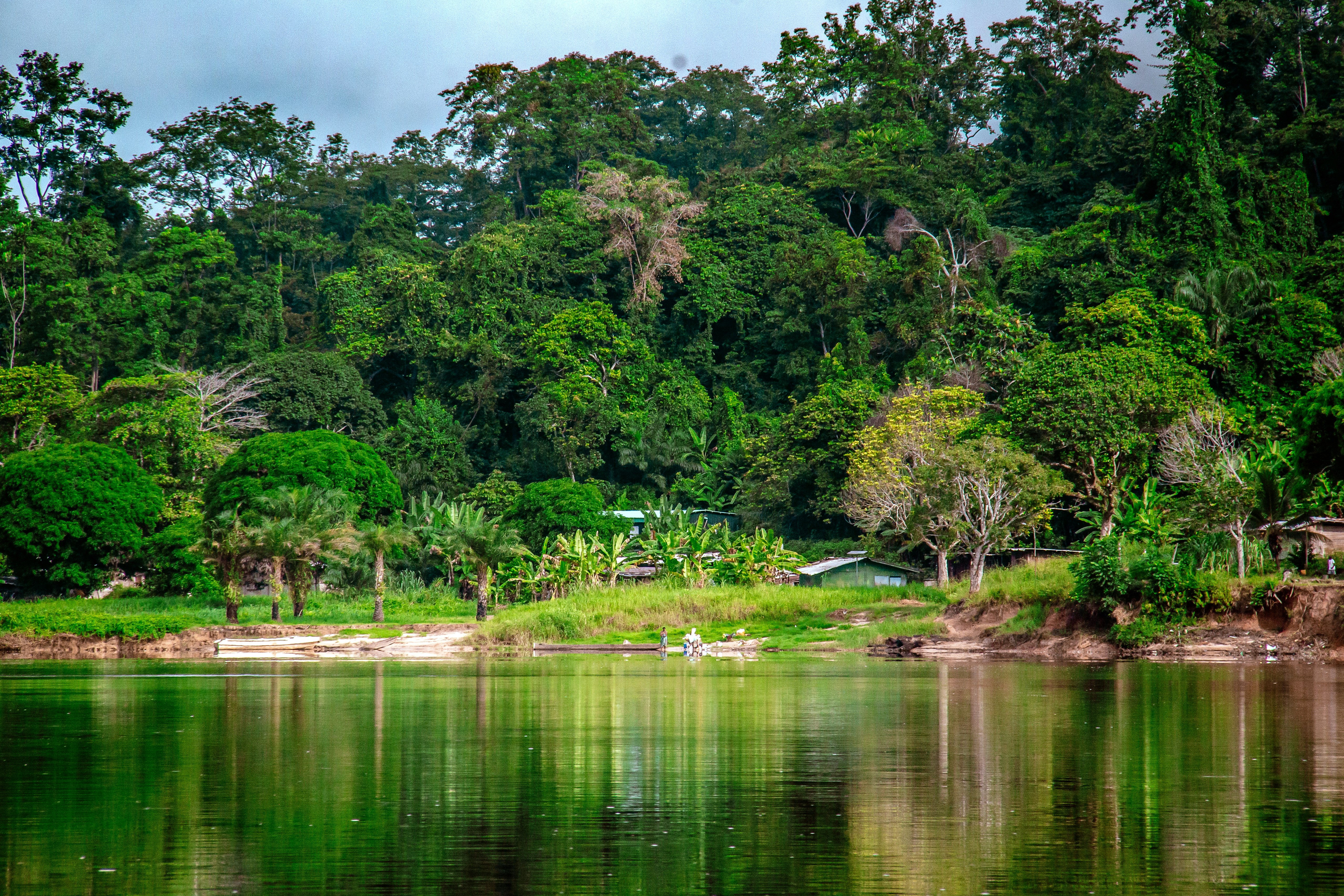
Gabon sits on the Atlantic coast of Central Africa and is often called “Africa’s last Eden” thanks to its large protected areas and relatively low tourist numbers. While its tourism infrastructure isn’t as polished as more famous destinations, that’s part of the charm: you get national parks and coastal towns largely free of mass tourism, plus the chance to see forest elephants, hippos on beaches, and nesting sea turtles.
Libreville, the capital, makes a great entry point with seafront boulevards, local markets, and easy access to day trips. From there, you can expand to multi‑day adventures using the itineraries in 3 Days in Gabon: A Day-by-Day Itinerary, Gabon in 5 Days: The Perfect Extended Itinerary, and Gabon in 10 Days: The Ultimate Travel Itinerary.
Who will love Gabon most?
- Travellers who value wildlife and nature over nightlife.
- People comfortable with a bit of unpredictability and basic infrastructure.
- Those keen to experience Central African culture beyond superficial tourist shows.
If you enjoy national parks in other countries but want a quieter, less commercial experience, Gabon is an exciting alternative. Use this guide as your high‑level roadmap, then dive into the linked cluster articles to piece together the exact trip you want, from quick city breaks to long, park‑hopping journeys.
Best Time to Visit Gabon: Weather, Seasons, and Trip Types
You can visit Gabon year‑round, but 2026 travellers generally find the drier months from June to September and December to early February best for wildlife viewing, park access, and less humidity. Your ideal time depends on whether you prioritize beaches, forests, or cultural events.
Gabon has an equatorial climate with relatively stable temperatures around 25–30°C, but rainfall patterns shape the travel experience. The main dry season (roughly June–September) offers more reliable roads and easier park logistics, making it great for itineraries like Gabon in 10 Days: The Ultimate Travel Itinerary. The shorter dry spell around December–February is also popular, particularly for combining Libreville with coastal trips.
Rainy seasons (roughly October–December and February–May) bring lush greenery and fewer visitors, but also muddy tracks, potential road closures, and more trip flexibility needed. If you’re planning shorter city‑based trips such as those in 3 Days in Gabon: A Day-by-Day Itinerary or Gabon in 5 Days: The Perfect Extended Itinerary, the rain is less disruptive, as you can focus on urban activities, museums, and dining.
Here’s a simple season vs. travel style comparison to help you decide:
| Season (approx.) | Weather & Roads | Best For |
|---|---|---|
| Jun–Sep (dry) | Drier, better roads | National parks, longer road trips, wildlife focus |
| Oct–Dec (wet) | Heavy showers, lush landscapes | Fewer tourists, photography, city‑based trips |
| Dec–Feb (short dry) | Pleasant mix, moderate rain | Coastal + city combos, flexible itineraries |
| Feb–May (wet) | Humid, frequent rain | Budget trips, slower travel, indoor activities |
Regardless of season, pack lightweight rain gear, quick‑dry clothing, and at least one set of slightly smarter clothes for cultural occasions, as suggested in the Gabon Cultural Guide: Etiquette, Customs, and Tips.
Budget Overview: How Much Does a Trip to Gabon Cost in 2026?
As of 2026, most travellers can enjoy Gabon on around US$60–150 per person per day, depending on whether you stick to cities and simple guesthouses or add national parks and domestic flights. Wildlife‑heavy itineraries can push daily averages above US$200.
The Gabon Travel Budget Guide: Daily Costs and Money Tips breaks down typical daily spending for budget, mid‑range, and higher‑end travellers, including accommodation, food, transport, and activities. Use it for detailed line‑items; here we’ll give you an at‑a‑glance comparison so you can quickly place your own travel style.
Approximate daily budget ranges (per person, excluding international flights, as of 2026):
| Travel Style | Daily Budget (USD) | Typical Inclusions |
|---|---|---|
| Budget | US$60–90 | Basic guesthouse, local eateries, shared taxis, simple activities |
| Mid‑range | US$90–150 | Comfortable hotels, mix of local & restaurant dining, private taxis |
| Wildlife‑focus | US$150–250+ | Park fees, guided excursions, 4x4 transport, occasional domestic air |
Your actual costs will depend heavily on how many park days and guided activities you add, so the itineraries in 3 Days in Gabon: A Day-by-Day Itinerary, Gabon in 5 Days: The Perfect Extended Itinerary, and Gabon in 10 Days: The Ultimate Travel Itinerary are useful for realistic, day‑by‑day totals.
For handling money on the ground, the Gabon Currency & Money Guide: Exchange, Cards, and Tips explains the local currency, ATMs, card acceptance, and practical details like tipping and cash vs. card. Combine that with Hello’s budget tracking and expense‑splitting features to keep your spending under control if you’re travelling with friends.
Gabon Travel Budget Guide: Daily Costs and Money Tips
Currency & MoneyGabon Currency & Money Guide: Exchange, Cards, and Tips
Itineraries3 Days in Gabon: A Day-by-Day Itinerary
ItinerariesGabon in 5 Days: The Perfect Extended Itinerary
ItinerariesGabon in 10 Days: The Ultimate Travel Itinerary
Visa & Entry Requirements: Planning Ahead for 2026
By 2026, Gabon’s visa and entry rules remain straightforward but vary significantly by nationality, so you should check requirements early, especially if you plan multiple stops in Central Africa. Singaporeans have specific guidance, but other passports need to verify current policy.
The Gabon Visa & Entry Requirements for Singapore Passport Holders details exactly what Singapore citizens need: visa options, passport validity, proof of onward travel, and customs rules. Even if you’re not from Singapore, it’s useful to see the types of documents typically requested at Gabonese border control.
For non‑Singapore travellers, apply the same checklist structure:
- Passport validity: Aim for at least 6 months beyond your arrival date.
- Visa type: Tourist visas may be obtained in advance or, for some nationalities, via e‑visa platforms; check your foreign ministry or Gabon’s official channels.
- Supporting documents: Proof of accommodation, return or onward ticket, and sufficient funds may be requested.
- Health requirements: Yellow fever vaccination proof is common for entry from certain countries; cross‑check current health advisories and the Gabon Safety Guide: Tips for a Safe Trip.
When planning routes like those in Gabon in 5 Days: The Perfect Extended Itinerary or Gabon in 10 Days: The Ultimate Travel Itinerary, factor visa timing into your trip planner in the Hello app so you don’t book domestic flights or park stays before confirming your entry permission. As of 2026, regulations can change quickly, so aim to recheck your visa status 4–6 weeks before departure, and again a few days before your flight.
Getting Around Gabon: Transport Options and City vs. Wilderness Travel
Getting around Gabon in 2026 is very doable, but you’ll need to mix taxis, shared transport, and occasional flights or 4x4s if you’re heading into national parks. Expect decent options in cities and more improvisation in rural areas.
The Getting Around Gabon: Transport Guide for Travellers covers practical details: airport transfers in Libreville, city taxis, inter‑city connections, and driving tips. Use it as your ground‑level handbook; here’s a strategic overview to match transport choices with your trip style.
How most visitors move around:
- Within Libreville: Taxis are the main option; agree on fares in advance or confirm they’re using standard rates. Short trips are affordable and make it easy to follow urban‑focused itineraries like 3 Days in Gabon: A Day-by-Day Itinerary.
- Between cities: Depending on route, you might use shared minibuses, domestic flights, or private drivers. These start to matter more for journeys suggested in Gabon in 5 Days: The Perfect Extended Itinerary and Gabon in 10 Days: The Ultimate Travel Itinerary.
- To national parks and remote areas: Often require 4x4 vehicles and guides. This can be arranged in advance or via local operators.
A simple decision framework:
- Only Libreville + nearby day trips? Taxis and occasional hired drivers are enough.
- Multiple cities, limited time? Add at least one domestic flight and budget for private transfers.
- Park‑heavy trip? Expect higher costs and more planning for vehicles and guides.
The transport guide also touches on safety and road conditions, which you can cross‑reference with the Gabon Safety Guide: Tips for a Safe Trip to decide whether you’re comfortable self‑driving or prefer hired drivers.
Food & Dining: What to Eat in Gabon and How Much It Costs
Eating in Gabon is one of the highlights of visiting, with hearty local dishes, grilled fish, and market‑style street food at generally reasonable prices as of 2026. Expect generous portions, simple flavours, and a mix of African and French influences.
The Gabon Food Guide: Must-Try Dishes, Prices, and Tips dives into specific dishes, restaurant types, and typical meal costs. At a high level, you can think of three main dining patterns:
- Local canteens and street food: Cheapest, most informal option, great for everyday meals.
- Casual restaurants and cafés: Moderate prices, often with French‑inspired menus.
- Hotel and upscale dining: Higher prices, better ambience, and more international dishes.
As of 2026, typical price ranges per person:
- Local meals: roughly what you’d pay for a simple lunch in mid‑range neighbourhoods of Thailand, often cheaper than big‑city dining in Japan.
- Restaurant mains: mid‑level prices, rising sharply in upscale hotel venues.
Use the food guide to build a list of must‑try dishes and understand how to order, then cross‑check with the Gabon Cultural Guide: Etiquette, Customs, and Tips for norms around mealtimes, sharing plates, and what’s polite. If you have dietary restrictions, the food guide highlights which dishes are more adaptable, and you can save key phrases for explaining your needs in the Hello app.
Budget‑wise, combine the food pricing from the dining guide with the overall numbers in the Gabon Travel Budget Guide: Daily Costs and Money Tips to estimate how much you’ll spend each day if you eat mostly local vs. mostly restaurant meals.
Top Experiences & Suggested Itineraries: 3, 5, and 10 Days
If you’re wondering how many days to spend in Gabon, 3, 5, and 10‑day itineraries cover most travel styles: quick city break, extended stay with day trips, or a full‑on adventure including national parks and coastal escapes.
Three key cluster articles make planning easy:
- 3 Days in Gabon: A Day-by-Day Itinerary for short breaks focused on Libreville and nearby highlights.
- Gabon in 5 Days: The Perfect Extended Itinerary for a mix of city life and regional exploration.
- Gabon in 10 Days: The Ultimate Travel Itinerary for travellers ready to go deeper into nature and smaller towns.
Use these as building blocks, then adapt based on your budget and season (see the earlier sections on costs and weather). A simple framework:
- City explorer (3 days): Focus on Libreville’s markets, seafront promenades, and cafés, plus one or two short excursions.
- Balanced traveller (5 days): Combine city time with at least one extended day trip or overnight in another area.
- Nature‑forward adventurer (10 days+): Allocate multiple days to national parks, wildlife watching, and slower travel between regions.
As of 2026, longer trips tend to be more cost‑intensive due to park fees and transport, but also far more rewarding in terms of wildlife and cultural immersion. To keep things organized, you can sketch your overall route in the Hello app’s trip planner, split expenses as you go, and then open the relevant itinerary articles for granular, day‑by‑day suggestions and estimated costs.
Staying Connected: Hello eSIM and Mobile Data in Gabon
In 2026, the simplest way for travellers to stay online in Gabon is to use Hello eSIM for data, then rely on local Wi‑Fi and offline maps to fill the gaps. Coverage is strongest in cities, with more limited reach in remote parks.
The eSIM for Gabon: Best Plans, Coverage, and Setup Tips explains everything you need to know about Hello eSIM in Gabon — from which plans make most sense for short vs. long stays to how to activate instantly after landing. The guide also outlines typical coverage patterns, helping you understand where you’ll have solid data and where you’ll mostly rely on offline tools.
A simple decision rule:
- Short urban stay (3–5 days): A smaller Hello eSIM data pack is usually enough for maps, messaging, and occasional browsing.
- Mixed city + nature (5–10 days): Choose a mid‑sized data plan and download offline maps and translator apps in advance.
- Park‑heavy trip (10+ days): Plan for limited connectivity in remote areas; use Hello eSIM mainly in transit and cities, and keep critical documents stored offline.
Pair your Hello eSIM setup with safety and health guidance from the Gabon Safety Guide: Tips for a Safe Trip, especially if you’re travelling solo or heading off the beaten path. And remember: beyond connectivity, the Hello app also helps you track budgets and split expenses with friends, which is especially handy when sharing taxi rides or park fees.
Safety, Health, and Local Culture: Travelling Responsibly in Gabon
Travelling safely and respectfully in Gabon in 2026 is very achievable if you combine basic precaution with an understanding of local customs. Most trips are incident‑free, especially when you follow standard city awareness and prepare for health needs in advance.
The Gabon Safety Guide: Tips for a Safe Trip covers street‑level safety, common scams, emergency contacts, and travel insurance advice. It’s your go‑to reference for practical steps like securing valuables, choosing safe transport at night, and protecting yourself against health risks such as mosquito‑borne illnesses.
Complement this with the Gabon Cultural Guide: Etiquette, Customs, and Tips, which explains greetings, dress codes, and everyday manners. Understanding how people interact — from handshakes to expectations around photography — not only helps you avoid missteps, but also makes conversations and market visits more enjoyable.
A simple safety‑and‑culture checklist:
- Respect modest dress norms, especially outside major cities.
- Ask permission before photographing individuals.
- Use registered or recommended taxis, particularly after dark.
- Keep a small card with emergency numbers and your accommodation details.
- Have proof of travel insurance, including coverage for medical evacuation if you’re visiting remote parks.
As of 2026, it’s also wise to keep digital copies of key documents in the Hello app or secure cloud storage and to share your itinerary from guides like Gabon in 10 Days: The Ultimate Travel Itinerary with a trusted contact back home. That way, even if connectivity dips in remote areas, someone knows your rough route and timing.
Money, Currency, and Paying in Gabon: Practical 2026 Tips
By 2026, travellers in Gabon need to be comfortable using local currency, ATMs, and a mix of cash and cards, especially outside the most modern hotels and restaurants. Planning how you’ll pay for things is as important as planning your route.
The Gabon Currency & Money Guide: Exchange, Cards, and Tips explains the local currency, where to find ATMs, how widely cards are accepted, and tipping norms. Use it to understand whether your home‑country cards are likely to work and when you’ll need cash on hand.
In practice:
- Larger hotels and some restaurants often accept cards, but it’s not universal.
- Smaller shops, markets, and local transport lean heavily towards cash.
- ATMs may be more concentrated in cities, so plan withdrawals before heading to remote areas.
The Gabon Travel Budget Guide: Daily Costs and Money Tips then helps you translate this into actual daily spending, so you know how much cash to carry and how often to top up. As of 2026, keeping a mix of card and cash is the safest strategy.
If you’re travelling with friends, Hello’s expense‑splitting and budget tracking features are particularly handy in Gabon, where many payments — like taxis or shared tours — are done in cash and split informally. Log each expense as you go, then reconcile at the end of the day instead of trying to remember who paid what.
Tie these money habits into your overall itinerary planning (using the 3‑, 5‑, and 10‑day guides) and you’ll have a smoother time paying for everything from snacks and souvenirs to park fees and hotel bills.
Gabon Currency & Money Guide: Exchange, Cards, and Tips
Budget PlanningGabon Travel Budget Guide: Daily Costs and Money Tips
Itineraries3 Days in Gabon: A Day-by-Day Itinerary
ItinerariesGabon in 5 Days: The Perfect Extended Itinerary
ItinerariesGabon in 10 Days: The Ultimate Travel Itinerary
Before You Go: 2026 Gabon Pre‑Departure Checklist
Before you fly to Gabon, run through a simple 2026 pre‑departure checklist: documents, health prep, money, connectivity, and cultural basics. Doing this 1–2 weeks before departure will smooth your arrival and first few days.
Use the Gabon Visa & Entry Requirements for Singapore Passport Holders as a template for documentation, even if you’re not Singaporean: make sure your passport has enough validity, your visa (if required) is approved, and your onward travel proof is ready. Then check the Gabon Safety Guide: Tips for a Safe Trip and any current health advisories to confirm vaccinations and travel insurance.
For money, review the Gabon Currency & Money Guide: Exchange, Cards, and Tips and Gabon Travel Budget Guide: Daily Costs and Money Tips so you know how much cash to bring and which cards to pack. For connectivity, set up your Hello eSIM using the steps in eSIM for Gabon: Best Plans, Coverage, and Setup Tips, and download offline maps and important documents.
A quick before‑you‑go checklist:
- Passport, visa/e‑visa approval, and printed copies.
- Travel insurance with medical and evacuation coverage.
- Yellow fever and other relevant vaccinations confirmed.
- Initial cash and primary + backup cards.
- Hello eSIM plan activated or ready to activate upon landing.
- Key cultural notes from the Gabon Cultural Guide: Etiquette, Customs, and Tips saved on your phone.
Finally, decide whether you’re following a 3‑, 5‑, or 10‑day itinerary, and add the relevant article to your Hello trip planner so you have your day‑by‑day ideas handy from the moment you arrive.
Gabon Visa & Entry Requirements for Singapore Passport Holders
Safety & HealthGabon Safety Guide: Tips for a Safe Trip
Currency & MoneyGabon Currency & Money Guide: Exchange, Cards, and Tips
Budget PlanningGabon Travel Budget Guide: Daily Costs and Money Tips
eSIM & ConnectivityeSIM for Gabon: Best Plans, Coverage, and Setup Tips
Cultural GuideGabon Cultural Guide: Etiquette, Customs, and Tips
Itineraries3 Days in Gabon: A Day-by-Day Itinerary
ItinerariesGabon in 5 Days: The Perfect Extended Itinerary
ItinerariesGabon in 10 Days: The Ultimate Travel Itinerary
Frequently Asked Questions
Is Gabon worth visiting in 2026 compared to more popular destinations?
Yes, Gabon is a fantastic choice in 2026 if you value nature, wildlife, and authentic culture over polished tourist infrastructure. It won’t replace hyper‑organized trips to Japan or beach‑resort holidays in Thailand, but it offers quieter parks, fewer crowds, and a sense of discovery many travellers are seeking.
How many days should I spend in Gabon on my first trip?
For a first visit, 3–5 days work well if you mainly want to explore Libreville and nearby areas, while 10 days or more are ideal if you’re adding national parks and multiple regions. Use 3 Days in Gabon: A Day-by-Day Itinerary, Gabon in 5 Days: The Perfect Extended Itinerary, and Gabon in 10 Days: The Ultimate Travel Itinerary to match your time and interests.
How much should I budget per day for Gabon in 2026?
As of 2026, most travellers should plan roughly US$60–90 per person per day for budget travel, US$90–150 for mid‑range comfort, and US$150–250+ for wildlife‑heavy trips with park visits and guided activities. The Gabon Travel Budget Guide: Daily Costs and Money Tips offers detailed breakdowns by category.
Do I need a visa to visit Gabon and what documents are required?
Visa requirements depend on your nationality, but you’ll generally need a valid passport (often with at least six months’ remaining validity), proof of onward travel, and possibly a visa or e‑visa approval. Singaporeans can follow the steps in Gabon Visa & Entry Requirements for Singapore Passport Holders; other nationalities should use this structure as a checklist and verify current rules with official sources.
Is Gabon safe for solo travellers?
Solo travel in Gabon is possible in 2026, especially if you stick to well‑known areas, use reputable transport, and follow standard precautions. The Gabon Safety Guide: Tips for a Safe Trip outlines safety tips, common scams, and emergency contacts, while the Gabon Cultural Guide: Etiquette, Customs, and Tips helps you navigate everyday interactions respectfully.
How do I stay connected to mobile data and Wi‑Fi in Gabon?
The easiest solution in 2026 is to use Hello eSIM data, particularly in cities and major towns, and rely on hotel or café Wi‑Fi where available. The eSIM for Gabon: Best Plans, Coverage, and Setup Tips explains Hello eSIM options, coverage, and how to activate your plan instantly upon arrival.
What are the biggest challenges travellers face in Gabon?
The main challenges are variable infrastructure outside cities, occasional language barriers, and the need to plan transport and park visits carefully. These are manageable if you budget extra time and money for logistics, read the Getting Around Gabon: Transport Guide for Travellers, and follow safety and health recommendations from the Gabon Safety Guide: Tips for a Safe Trip.
eSIM Plans for Gabon
Detailed Articles
Dive deeper into specific topics covered in this guide.
3 Days in Gabon: A Day-by-Day Itinerary
A detailed 3-day itinerary for Gabon with daily activities, costs, neighborhoods, and transport tips.
11 June 2026
Gabon in 5 Days: The Perfect Extended Itinerary
A detailed 5-day itinerary for Gabon with daily activities, costs, neighborhoods, and transport tips for an extended stay.
5 May 2026
Gabon in 10 Days: The Ultimate Travel Itinerary
A comprehensive 10-day itinerary for Gabon covering top attractions, hidden gems, daily costs, and transport between cities.
19 June 2026
Gabon Cultural Guide: Etiquette, Customs, and Tips
Essential do's and don'ts, greeting customs, dress codes, local phrases, and cultural tips for Gabon.
2 June 2026
Gabon Travel Budget Guide: Daily Costs and Money Tips
How much does it cost to travel in Gabon? Daily budget breakdowns for budget, mid-range, and luxury travellers.
24 February 2026
Gabon Currency & Money Guide: Exchange, Cards, and Tips
Currency exchange, credit card acceptance, ATM tips, tipping culture, and money-saving advice for Gabon.
26 July 2026
Gabon Visa & Entry Requirements for Singapore Passport Holders
Visa requirements, passport validity, customs allowances, and entry tips for Singapore citizens travelling to Gabon.
8 July 2026
Gabon Safety Guide: Tips for a Safe Trip
Safety tips, health advisories, emergency contacts, common scams, and travel insurance advice for Gabon.
17 July 2026
More Travel Guides
Destination Guide
Complete Qatar Travel Guide 2026
Everything you need to know about travelling to Qatar — budget, visa, food, transport, eSIM connectivity, and itineraries.
Destination Guide
Complete Paraguay Travel Guide 2026
Everything you need to know about travelling to Paraguay — budget, visa, food, transport, eSIM connectivity, and itineraries.
Destination Guide
Complete Namibia Travel Guide 2026
Everything you need to know about travelling to Namibia — budget, visa, food, transport, eSIM connectivity, and itineraries.
Destination Guide
Complete Mayotte Travel Guide 2026
Everything you need to know about travelling to Mayotte — budget, visa, food, transport, eSIM connectivity, and itineraries.