Key Takeaways
- ✓The DRC is a rewarding but challenging 2026 destination best suited to experienced, well-prepared travellers.
- ✓Dry seasons (roughly June–August and December–February) are generally the most practical times to visit.
- ✓Expect higher costs for permits and logistics; use the budget guide to plan daily spending and big-ticket activities.
- ✓Most visitors need a visa and yellow fever vaccination, so start entry prep several weeks before departure.
- ✓Hello eSIM offers instant connectivity in major DRC regions, supporting navigation, messaging, and safety.
- ✓Use 3-, 5-, and 10-day itineraries to decide how many regions to include based on your time and comfort level.
- ✓Local culture, etiquette, and safety awareness are central to a smooth trip—read the cultural and safety guides in advance.
- ✓A structured checklist covering documents, health, money, connectivity, and packing will make DRC travel far more manageable.
The Democratic Republic of the Congo (DRC) is one of Africa’s last true frontiers: vast rainforests, iconic wildlife, powerful rivers, and complex, vibrant cities like Kinshasa and Goma. As of 2026, it’s a destination for experienced, curious travellers who crave raw adventure, deep culture, and genuine encounters.
This Complete Democratic Republic of the Congo Travel Guide 2026 gives you everything you need to plan a smart, safe, and rewarding trip. You’ll find practical advice on visas and entry, how much to budget per day, what to eat, and how to get around a country where infrastructure can be challenging but incredibly memorable. We’ll help you understand seasons and weather, compare itineraries from 3 to 10 days, and decide whether to focus on gorilla trekking, city life, or river journeys.
You’ll also learn how to stay connected with Hello eSIM, manage money and ATMs, and navigate safety and health considerations with confidence. Throughout the guide, you’ll see links to in-depth articles on food, transport, culture, safety, currency, and more, so you can dive deeper into the topics that matter most to you.
Think of this pillar guide as your DRC trip planner: a high-level overview with unique comparison tables, checklists, and decision frameworks that tie all the details together. Whether it’s your first time in Central Africa or your next big expedition after Japan or Thailand, this guide will help you decide if the DRC is right for you, and how to make the most of every day you’re there.
Why Visit the Democratic Republic of the Congo in 2026?
The Democratic Republic of the Congo in 2026 is best suited to travellers seeking wild nature, off-the-beaten-path adventure, and rich cultural encounters rather than polished tourism infrastructure. It rewards curiosity and flexibility with experiences you simply won’t find elsewhere in Africa.
Stretching across Central Africa, the DRC is huge, diverse, and still relatively untouristed compared with neighbours like Kenya or Tanzania. Expect dramatic contrasts: bustling Kinshasa beside the Congo River, volcanic landscapes and gorilla trekking around Goma, and remote national parks where you may be one of only a handful of visitors.
It’s not a destination for absolute beginners, but for those who have already travelled in places like Thailand or Japan and want something more challenging, the DRC offers:
- Iconic wildlife: opportunities for lowland gorilla tracking, chimpanzee viewing, and birdwatching in dense rainforests.
- Epic landscapes: volcanoes, crater lakes, and the mighty Congo River.
- Lively urban culture: music, nightlife, markets, and contemporary art in Kinshasa and other cities.
Because conditions can be fluid, planning is crucial. Use the detailed itineraries in Democratic Republic Of The Congo in 5 Days: The Perfect Extended Itinerary, 3 Days in Democratic Republic Of The Congo: A Day-by-Day Itinerary, and Democratic Republic Of The Congo in 10 Days: The Ultimate Travel Itinerary to see what’s realistic for your timeframe and budget.
Local etiquette, dress norms, and language can be quite different from what you’ll find in more touristed regions, so read the Democratic Republic Of The Congo Cultural Guide: Etiquette, Customs, and Tips before you go. It will help you connect respectfully with locals and avoid unintentional faux pas. Pair that with the Democratic Republic Of The Congo Safety Guide: Tips for a Safe Trip for up-to-date safety and health advice tailored to 2026 travel conditions.
Democratic Republic Of The Congo in 5 Days: The Perfect Extended Itinerary
Itineraries3 Days in Democratic Republic Of The Congo: A Day-by-Day Itinerary
ItinerariesDemocratic Republic Of The Congo in 10 Days: The Ultimate Travel Itinerary
Cultural GuideDemocratic Republic Of The Congo Cultural Guide: Etiquette, Customs, and Tips
Safety & HealthDemocratic Republic Of The Congo Safety Guide: Tips for a Safe Trip
Best Time to Visit the Democratic Republic of the Congo
The best time to visit the DRC is usually the dry seasons, when roads are more passable, trekking trails are less muddy, and humidity is slightly lower. For most travellers, that means planning trips between June–August or December–February.
Because the DRC is enormous and straddles the equator, weather varies by region. Broadly, expect a tropical climate with high humidity, heavy rainfall during wet seasons, and consistently warm temperatures year-round. If you’re focusing on Kinshasa and western regions, the main dry season typically runs roughly June to September, while the eastern highlands around Goma and Bukavu often have more complex microclimates.
For wildlife experiences like gorilla trekking, visibility and trail conditions are generally better during drier months. However, wet season (roughly March–May and October–November, depending on region) can mean lush landscapes, fewer tourists, and potentially lower accommodation prices, if you’re comfortable with more mud and occasional transport disruptions.
Here’s an at-a-glance overview you can use when planning:
| Season (approx.) | Conditions & Highlights | Who it’s best for |
|---|---|---|
| Dec–Feb (short dry) | Warm, relatively drier; good for trekking and city travel | First-time visitors, gorilla trekking |
| Mar–May (long wet) | Heavy rains, difficult roads; green landscapes | Experienced travellers, budget-conscious |
| Jun–Aug (long dry) | Best overall for many regions; cooler evenings | Most travellers, mixed itineraries |
| Sep–Nov (short wet) | Storms, humidity, fewer crowds | Flexible travellers, photographers |
Your ideal time depends on your priorities. If you value smoother logistics, choose a dry period. If you’re more focused on unique photography, fewer travellers, and don’t mind occasional disruption, shoulder wet seasons can work.
Before locking dates, cross-check your chosen itinerary in Democratic Republic Of The Congo in 5 Days: The Perfect Extended Itinerary and Democratic Republic Of The Congo in 10 Days: The Ultimate Travel Itinerary, as they often include notes on seasonal conditions for specific routes and activities.
Budget Overview: How Much Does a Trip to the DRC Cost?
As of 2026, the DRC is not a classic “cheap” destination, mainly because logistics, park fees, and specialist tours drive costs up. Everyday expenses can be relatively affordable, but safaris, gorilla permits, and flights quickly push budgets into mid-range or higher territory.
The Democratic Republic Of The Congo Travel Budget Guide: Daily Costs and Money Tips breaks down typical daily spending by budget type. At a high level, you can think in these ranges (per person, per day, excluding international flights):
| Travel Style (2026) | Approx. Daily Budget | What it typically includes |
|---|---|---|
| Shoestring | US$40–60 | Basic guesthouses, local eateries, shared taxis, limited paid activities |
| Budget | US$60–100 | Comfortable guesthouse, mix of street food & simple restaurants, domestic flights or private transport sparingly |
| Mid-range | US$100–200 | Mid-range hotels, guided day trips, some internal flights, occasional higher-end meals |
| Adventure/Luxury | US$250+ | Specialist tours, national park fees, gorilla permits, private drivers, better hotels |
Gorilla permits, multi-day treks, and specialist safaris can add several hundred to over a thousand US dollars to your total budget, so factor those in separately when planning. Cash is still important in many areas, and card acceptance can be patchy.
To understand how money works in practice, read the Democratic Republic Of The Congo Currency & Money Guide: Exchange, Cards, and Tips for details on ATMs, exchange options, tipping, and card usage. Pair it with the Democratic Republic Of The Congo Safety Guide: Tips for a Safe Trip to learn best practices around carrying cash, using money belts, and avoiding common scams.
If you’re planning with friends, the Hello app’s expense-splitting and budget tracking tools are particularly handy in the DRC, where costs can fluctuate and group tours or transport are common. Log shared expenses in real time so you don’t need complicated spreadsheets during your trip.
Visa & Entry: Getting into the DRC Smoothly
Visa and entry rules for the DRC are strict and can change, so you must verify requirements for your nationality before booking flights. As of 2026, most travellers need a visa in advance and must arrive with proper documentation and proof of yellow fever vaccination.
If you hold a Singapore passport, the Democratic Republic Of The Congo Visa & Entry Requirements for Singapore Passport Holders provides step-by-step instructions tailored to you: application process, fees, processing times, and special notes about entry ports and onward travel. Even if you’re not Singaporean, this article is useful as a template for understanding the kinds of documents you may need.
Typical entry checks can include:
- Valid passport (often with at least 6 months of remaining validity).
- Confirmed onward or return ticket.
- Evidence of sufficient funds for your stay.
- Accommodation details or invitation letter.
- Yellow fever vaccination certificate.
Because rules can shift quickly, especially around health or security, consider this simple decision framework:
- If your nationality has an embassy or consulate in Kinshasa: Apply through official channels and keep digital and paper copies of everything.
- If not: Work with the nearest DRC embassy in a neighbouring country where you reside or travel through.
On arrival, stay patient and polite, and keep documents organized in a folder or digital wallet. The Democratic Republic Of The Congo Safety Guide: Tips for a Safe Trip also covers dealing with officials, checkpoints, and what to do if you encounter requests for unofficial fees.
For all nationalities, verify the latest requirements with your local DRC embassy or consulate and airlines before departure. Policies around e-visas, invitation letters, and special permits for certain regions may evolve through 2026.
Getting Around: Transport in the DRC
Getting around the DRC can be an adventure in itself: expect a mix of domestic flights, rough roads, river crossings, and city traffic. As of 2026, you should plan transport carefully and allow extra time for delays and changing conditions.
The Getting Around Democratic Republic Of The Congo: Transport Guide for Travellers is your core reference for city and inter-city movement. It explains airport transfers, local taxis, moto-taxis, public transport, and options for travel between major hubs.
In broad strokes:
- Domestic flights: Often the most practical way to cover long distances given the country’s size and variable road infrastructure.
- Road transport: Ranges from paved highways near cities to rough tracks in rural areas. Conditions can deteriorate in rainy seasons.
- City transport: Taxis and moto-taxis are common. Agree fares in advance and prioritize vehicles recommended by your accommodation.
When choosing transport, use this basic framework:
- Short urban trips: Taxi or moto-taxi; weigh cost vs safety, and consider daylight travel.
- Medium inter-city trips: If roads are decent and you’re experienced, consider private driver or reputable bus; otherwise, look at flights.
- Remote park access: Usually best arranged through licensed tour operators or your lodge.
The Democratic Republic Of The Congo Safety Guide: Tips for a Safe Trip covers driving risks, night travel, and how to choose safe vehicles and routes. Combine this with real-time map access via Hello eSIM so you can check directions, confirm locations, and stay in contact with your accommodation even if signage or local information is limited.
In many cases, letting trusted local guides handle logistics is the most efficient and stress-free way to travel, especially for national parks or more remote regions.
Food & Dining: What to Eat in the DRC
Food in the DRC is hearty, flavorful, and rooted in local staples like cassava, plantains, rice, and river fish. As of 2026, you’ll find everything from home-style Congolese dishes to international options, especially in larger cities.
The Democratic Republic Of The Congo Food Guide: Must-Try Dishes, Prices, and Tips is your in-depth companion for understanding local cuisine, restaurant price ranges, and street food etiquette.
Expect dishes such as:
- Fufu or cassava served with stews and sauces.
- Grilled fish and meat with chili and tomato-based sides.
- Plantain dishes ranging from savory to sweet.
Prices vary widely. Simple local eateries can be quite affordable, while hotel restaurants and expat-focused venues charge more. Use the food guide to align dining choices with your budget level from the Democratic Republic Of The Congo Travel Budget Guide: Daily Costs and Money Tips.
For travellers with dietary restrictions, larger cities may offer more options, but in rural areas flexibility is key. Vegetarians and vegans can often rely on plantains, beans, greens, and rice, but should communicate clearly and be prepared with snacks.
Food safety is crucial. Focus on:
- Freshly cooked, hot food.
- Bottled or treated water.
- Careful selection of raw salads and street snacks.
The Democratic Republic Of The Congo Safety Guide: Tips for a Safe Trip discusses health precautions, including avoiding foodborne illness and what to pack in a basic medical kit.
As you explore markets and local restaurants, consider learning key phrases from the Democratic Republic Of The Congo Cultural Guide: Etiquette, Customs, and Tips so you can order politely, show appreciation, and connect more deeply with the people preparing your meals.
Democratic Republic Of The Congo Food Guide: Must-Try Dishes, Prices, and Tips
Budget PlanningDemocratic Republic Of The Congo Travel Budget Guide: Daily Costs and Money Tips
Safety & HealthDemocratic Republic Of The Congo Safety Guide: Tips for a Safe Trip
Cultural GuideDemocratic Republic Of The Congo Cultural Guide: Etiquette, Customs, and Tips
Top Experiences & Suggested Itineraries
The DRC’s top experiences revolve around wildlife, landscapes, and immersive city life. As of 2026, most visitors focus on a few key hubs rather than trying to “see it all” in one trip, due to distances and logistics.
To understand concrete day-by-day options, explore:
- 3 Days in Democratic Republic Of The Congo: A Day-by-Day Itinerary
- Democratic Republic Of The Congo in 5 Days: The Perfect Extended Itinerary
- Democratic Republic Of The Congo in 10 Days: The Ultimate Travel Itinerary
At a high level, top experiences often include:
- Gorilla or primate tracking in suitable national parks.
- Exploring volcanic landscapes and crater lakes in the east.
- City culture in Kinshasa, with music, markets, and local art.
- River journeys or lakeside relaxation where conditions allow.
Here’s a simple itinerary decision table:
| Trip Length | Focus | Who it suits |
|---|---|---|
| 3 days | One city + nearby activity | Business travellers, regional visitors |
| 5 days | Mix of city + short nature trip | First-time DRC visitors with limited time |
| 10 days | Multi-region route (city + parks) | Adventure travellers, photographers |
If you’ve already travelled to places like Japan or Thailand, think of the DRC as a more logistically intense but deeply rewarding next step, where you prioritise fewer destinations with more depth.
The Democratic Republic Of The Congo Safety Guide: Tips for a Safe Trip should be part of your experience planning, especially for parks and border regions. Use the Democratic Republic Of The Congo Cultural Guide: Etiquette, Customs, and Tips to frame your visits to villages, markets, and local music venues in a respectful way.
Finally, let the Hello app help you assemble your chosen itinerary, track bookings, and share plans with friends travelling with you, so everyone has the same schedule and budget overview.
3 Days in Democratic Republic Of The Congo: A Day-by-Day Itinerary
ItinerariesDemocratic Republic Of The Congo in 5 Days: The Perfect Extended Itinerary
ItinerariesDemocratic Republic Of The Congo in 10 Days: The Ultimate Travel Itinerary
Safety & HealthDemocratic Republic Of The Congo Safety Guide: Tips for a Safe Trip
Cultural GuideDemocratic Republic Of The Congo Cultural Guide: Etiquette, Customs, and Tips
Staying Connected: Hello eSIM & Internet in the DRC
In 2026, staying connected in the DRC is much easier with Hello eSIM, which gives you instant data access on arrival without hunting for local SIM cards or queues. Coverage and speeds vary by region, but it’s a major upgrade for navigation, messaging, and safety.
The dedicated eSIM for Democratic Republic Of The Congo: Best Plans, Coverage, and Setup Tips article walks you through choosing the right Hello eSIM data plan, checking supported devices, and activating service before or upon landing. It also covers typical network coverage patterns and practical tips for conserving data.
Think about connectivity in three layers:
- Core cities (e.g., Kinshasa, Goma): Best coverage; Hello eSIM data generally supports maps, messaging apps, and social media comfortably.
- Secondary towns: Coverage may be patchier; download offline maps and key documents before arrival.
- Remote parks and rural areas: Expect weak or no signal; plan to be offline and coordinate with your lodge or guide.
With Hello eSIM, you can:
- Use navigation apps in real time to avoid getting lost.
- Keep copies of visas, permits, and insurance policies in the cloud.
- Communicate quickly with accommodations and drivers.
Combine the eSIM guide with the Getting Around Democratic Republic Of The Congo: Transport Guide for Travellers for a complete picture of how connectivity supports safe transport. The Democratic Republic Of The Congo Safety Guide: Tips for a Safe Trip also explains why having reliable data can be an important safety asset.
Before departing, check in the Hello app which DRC plans are available, their data caps, and validity periods. Consider buying enough data for high-usage days like long drives, navigation-heavy walks, or remote check-ins, and rely on Wi‑Fi in hotels or guesthouses when possible to conserve.
Culture, Safety & Practical Tips
Successful travel in the DRC depends on understanding local culture and taking safety seriously. As of 2026, you should approach the country with respect, situational awareness, and good preparation rather than fear.
Start with the Democratic Republic Of The Congo Cultural Guide: Etiquette, Customs, and Tips, which explains greetings, dress norms, basic phrases, and how to behave in homes, markets, and religious spaces. Knowing how to greet people properly and dress modestly in the right contexts goes a long way toward positive interactions.
The Democratic Republic Of The Congo Safety Guide: Tips for a Safe Trip is your main resource for health advisories, travel insurance, emergency contacts, and common scams. It covers topics such as:
- Avoiding risky areas and travelling in daylight when possible.
- Keeping valuables discreet and using hotel safes.
- Choosing licensed guides and operators.
For money management, the Democratic Republic Of The Congo Currency & Money Guide: Exchange, Cards, and Tips explains how to handle cash, use ATMs, and understand tipping norms. Combine this with Hello’s budget tracking and expense splitting features so your group always knows who paid for what, and how much remains in the daily budget.
Practical tips include:
- Pack a paper backup of key documents in case of device issues.
- Use Hello eSIM for navigation and emergency communication in covered areas.
- Keep a basic medical kit and any personal medications in your day pack.
It can be helpful to think of the DRC as a destination where “preparation equals freedom”: the more you understand local expectations and risks, the more confidently you can enjoy its cities and wilderness.
Before You Go: DRC Travel Checklist for 2026
A solid pre-departure checklist is essential for the DRC, where logistics and paperwork matter as much as packing. As of 2026, aim to finalize visas, health prep, and connectivity at least a few weeks before departure.
Use this simplified Before You Go checklist as a starting point, then deepen each step with the relevant cluster guides:
Documents & admin
- Confirm visa requirements, then follow the steps in Democratic Republic Of The Congo Visa & Entry Requirements for Singapore Passport Holders as a template.
- Check passport validity (ideally 6+ months remaining).
- Print and save digital copies of bookings, insurance, and permits.
Health & safety
- Review vaccination needs (including yellow fever) and health advice in the Democratic Republic Of The Congo Safety Guide: Tips for a Safe Trip.
- Pack a medical kit and any long-term prescriptions.
Money & budget
- Use the Democratic Republic Of The Congo Travel Budget Guide: Daily Costs and Money Tips to set your daily budget.
- Read the Democratic Republic Of The Congo Currency & Money Guide: Exchange, Cards, and Tips to plan cash vs cards.
- Set up budget tracking in the Hello app.
Connectivity & planning
- Purchase and configure Hello eSIM using eSIM for Democratic Republic Of The Congo: Best Plans, Coverage, and Setup Tips.
- Download offline maps and save important addresses.
Culture & packing
- Learn key phrases and etiquette from the Democratic Republic Of The Congo Cultural Guide: Etiquette, Customs, and Tips.
- Pack modest everyday clothing, with layers for cooler highland evenings.
Finally, choose your preferred itinerary length (3, 5, or 10 days) from the existing itinerary articles and load it into your Hello trip planner so every traveller in your group has the same schedule and packing list before wheels-up.
Democratic Republic Of The Congo Visa & Entry Requirements for Singapore Passport Holders
Safety & HealthDemocratic Republic Of The Congo Safety Guide: Tips for a Safe Trip
Budget PlanningDemocratic Republic Of The Congo Travel Budget Guide: Daily Costs and Money Tips
Currency & MoneyDemocratic Republic Of The Congo Currency & Money Guide: Exchange, Cards, and Tips
eSIM & ConnectivityeSIM for Democratic Republic Of The Congo: Best Plans, Coverage, and Setup Tips
Cultural GuideDemocratic Republic Of The Congo Cultural Guide: Etiquette, Customs, and Tips
Itineraries3 Days in Democratic Republic Of The Congo: A Day-by-Day Itinerary
ItinerariesDemocratic Republic Of The Congo in 5 Days: The Perfect Extended Itinerary
ItinerariesDemocratic Republic Of The Congo in 10 Days: The Ultimate Travel Itinerary
Frequently Asked Questions
Is the Democratic Republic of the Congo safe to visit in 2026?
The DRC can be visited safely with planning, but it’s not a carefree destination. Conditions vary by region, and some areas are unsuitable for tourism. Use the Democratic Republic Of The Congo Safety Guide: Tips for a Safe Trip for up-to-date regional advice, health precautions, emergency contacts, and insurance tips, and always follow guidance from local authorities and reputable tour operators.
How many days do I need for a first trip to the DRC?
For a first visit, 5–10 days is ideal. Three days works for a focused city stay, but 5 days lets you combine urban culture with a short nature experience, while 10 days supports a multi-region adventure. Compare 3 Days in Democratic Republic Of The Congo: A Day-by-Day Itinerary, Democratic Republic Of The Congo in 5 Days, and Democratic Republic Of The Congo in 10 Days to see which pace suits you.
Do I need a visa to visit the DRC, and how do I apply?
Most nationalities need a visa for the DRC as of 2026, often obtained in advance from a DRC embassy or consulate. Requirements typically include a valid passport, photos, forms, and possibly an invitation letter. If you’re a Singapore passport holder, follow the detailed steps in Democratic Republic Of The Congo Visa & Entry Requirements for Singapore Passport Holders, and use it as a structural guide if you hold another nationality.
How much should I budget per day in the DRC?
Daily costs vary widely, but as a rough guide in 2026: around US$40–60 for shoestring travel, US$60–100 for budget, US$100–200 for mid-range, and US$250+ for adventure or luxury travellers, excluding international flights. Gorilla permits and specialist tours are extra. The Democratic Republic Of The Congo Travel Budget Guide: Daily Costs and Money Tips gives detailed breakdowns by category and travel style.
Can I use Hello eSIM in the DRC, and will I have good coverage?
Yes. Hello eSIM offers data plans for the DRC as of 2026, allowing instant activation without local SIM cards. Coverage is generally best in major cities and along main corridors, but can be limited in remote parks and rural areas. Check eSIM for Democratic Republic Of The Congo: Best Plans, Coverage, and Setup Tips for plan options, device compatibility, and practical advice on staying connected.
What are the must-try foods in the DRC?
Expect cassava-based dishes, fufu, grilled river fish, meat stews, and plantain specialties, plus regional variations across the country. Prices and dining styles range from simple street stalls to hotel restaurants. For detailed dish recommendations, sample budgets, and food safety tips, read the Democratic Republic Of The Congo Food Guide: Must-Try Dishes, Prices, and Tips.
How should I handle money, ATMs, and tipping in the DRC?
Cash remains important, and card acceptance varies by establishment and region. You’ll need to understand local currency, where to find reliable ATMs, and typical tipping norms for guides, drivers, and restaurants. The Democratic Republic Of The Congo Currency & Money Guide: Exchange, Cards, and Tips explains exchange strategies, safety considerations around cash, and how to avoid unnecessary fees.
eSIM Plans for Democratic Republic Of The Congo
Detailed Articles
Dive deeper into specific topics covered in this guide.
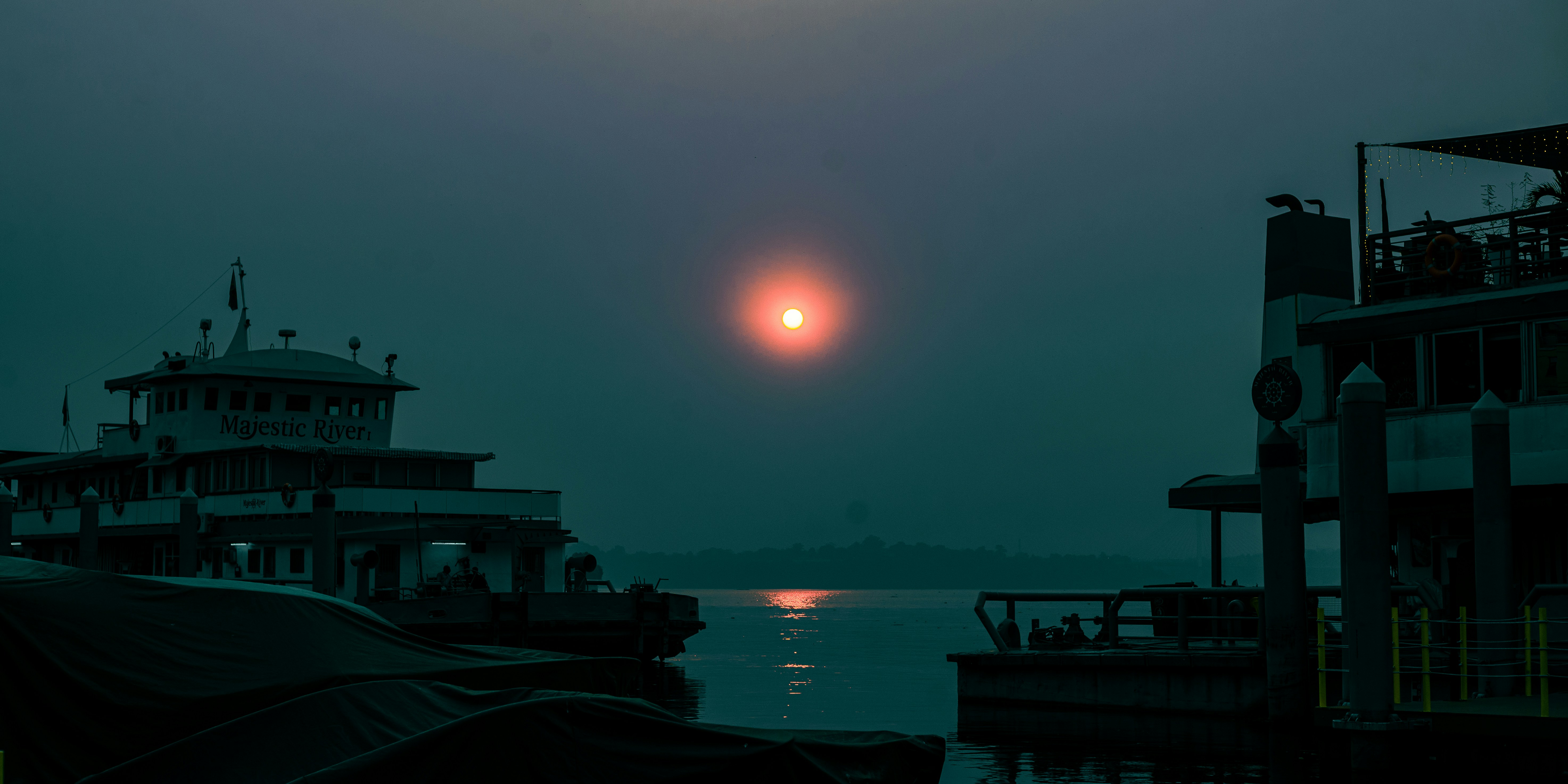
Democratic Republic Of The Congo in 5 Days: The Perfect Extended Itinerary
A detailed 5-day itinerary for Democratic Republic Of The Congo with daily activities, costs, neighborhoods, and transport tips for an extended stay.
5 May 2026
3 Days in Democratic Republic Of The Congo: A Day-by-Day Itinerary
A detailed 3-day itinerary for Democratic Republic Of The Congo with daily activities, costs, neighborhoods, and transport tips.
10 June 2026
Democratic Republic Of The Congo in 10 Days: The Ultimate Travel Itinerary
A comprehensive 10-day itinerary for Democratic Republic Of The Congo covering top attractions, hidden gems, daily costs, and transport between cities.
19 June 2026
Democratic Republic Of The Congo Cultural Guide: Etiquette, Customs, and Tips
Essential do's and don'ts, greeting customs, dress codes, local phrases, and cultural tips for Democratic Republic Of The Congo.
1 June 2026
Democratic Republic Of The Congo Safety Guide: Tips for a Safe Trip
Safety tips, health advisories, emergency contacts, common scams, and travel insurance advice for Democratic Republic Of The Congo.
17 July 2026
Democratic Republic Of The Congo Travel Budget Guide: Daily Costs and Money Tips
How much does it cost to travel in Democratic Republic Of The Congo? Daily budget breakdowns for budget, mid-range, and luxury travellers.
23 February 2026
Democratic Republic Of The Congo Currency & Money Guide: Exchange, Cards, and Tips
Currency exchange, credit card acceptance, ATM tips, tipping culture, and money-saving advice for Democratic Republic Of The Congo.
25 July 2026
Democratic Republic Of The Congo Visa & Entry Requirements for Singapore Passport Holders
Visa requirements, passport validity, customs allowances, and entry tips for Singapore citizens travelling to Democratic Republic Of The Congo.
8 July 2026
More Travel Guides
Destination Guide
Complete Bosnia and Herzegovina Travel Guide 2026
Everything you need to know about travelling to Bosnia and Herzegovina — budget, visa, food, transport, eSIM connectivity, and itineraries.
Destination Guide
Complete Bahamas Travel Guide 2026
Everything you need to know about travelling to Bahamas — budget, visa, food, transport, eSIM connectivity, and itineraries.
Destination Guide
Complete Bahrain Travel Guide 2026
Everything you need to know about travelling to Bahrain — budget, visa, food, transport, eSIM connectivity, and itineraries.
Destination Guide
Complete Sint Eustatius Travel Guide 2026
Everything you need to know about travelling to Sint Eustatius — budget, visa, food, transport, eSIM connectivity, and itineraries.