Key Takeaways
- ✓Brazil in 2026 offers a powerful mix of city life, nature, and culture, best experienced with at least 7–10 days if possible.
- ✓Daily budgets typically range from about US$45–70 (budget) to US$200+ (luxury), with big city and flight costs as the main variables.
- ✓Visa rules vary by nationality, so always check current entry requirements; Singapore passport holders can follow a dedicated visa guide.
- ✓Domestic flights and long‑distance buses are key for covering Brazil’s vast distances, while ride‑hailing and metros work well in cities.
- ✓Brazilian food is flavorful and varied, with affordable street snacks, mid‑range restaurants, and high‑end options in major hubs.
- ✓Hello eSIM is the simplest way to stay connected in Brazil, supporting instant activation, trip planning, and real‑time expense tracking.
- ✓Safety in Brazil largely comes down to sensible precautions: be discreet with valuables, choose safer areas, and know emergency contacts.
- ✓Using this pillar guide alongside detailed cluster articles helps you build a Brazil trip that fits your budget, interests, and timeframe.
Brazil is the kind of destination that stays with you long after your flight home: samba echoing through Rio’s streets, jungle mist over the Amazon, colonial towns painted in pastel colours, and beaches that stretch for miles. This Complete Brazil Travel Guide 2026 is your all‑in‑one starting point for planning a smart, safe, and unforgettable trip.
Here, you’ll find everything you need to plan your Brazil travel: when to go, how much to budget, visa and entry rules, getting around, food and dining, safety, culture, eSIM connectivity, and suggested itineraries for 3, 5, and 10 days. Each section offers a high‑level overview plus links to deeper guides like Brazil Travel Budget Guide: Daily Costs and Money Tips, Brazil Food Guide: Must-Try Dishes, Prices, and Tips, and Brazil Safety Guide: Tips for a Safe Trip.
We’ll also help you compare seasons, set a realistic 2026 budget, choose the best regions for your style of travel, and stay connected with Hello eSIM. Think of this guide as your Brazil trip planner: a friendly, well‑travelled companion that keeps everything organized, highlights what truly matters, and points you to detailed articles whenever you want to dive deeper.
Why Visit Brazil in 2026
Brazil in 2026 offers a powerful mix of big‑city energy, tropical nature, and vibrant culture, with improving infrastructure and digital tools like Hello making it easier than ever to plan, budget, and stay connected during your trip.
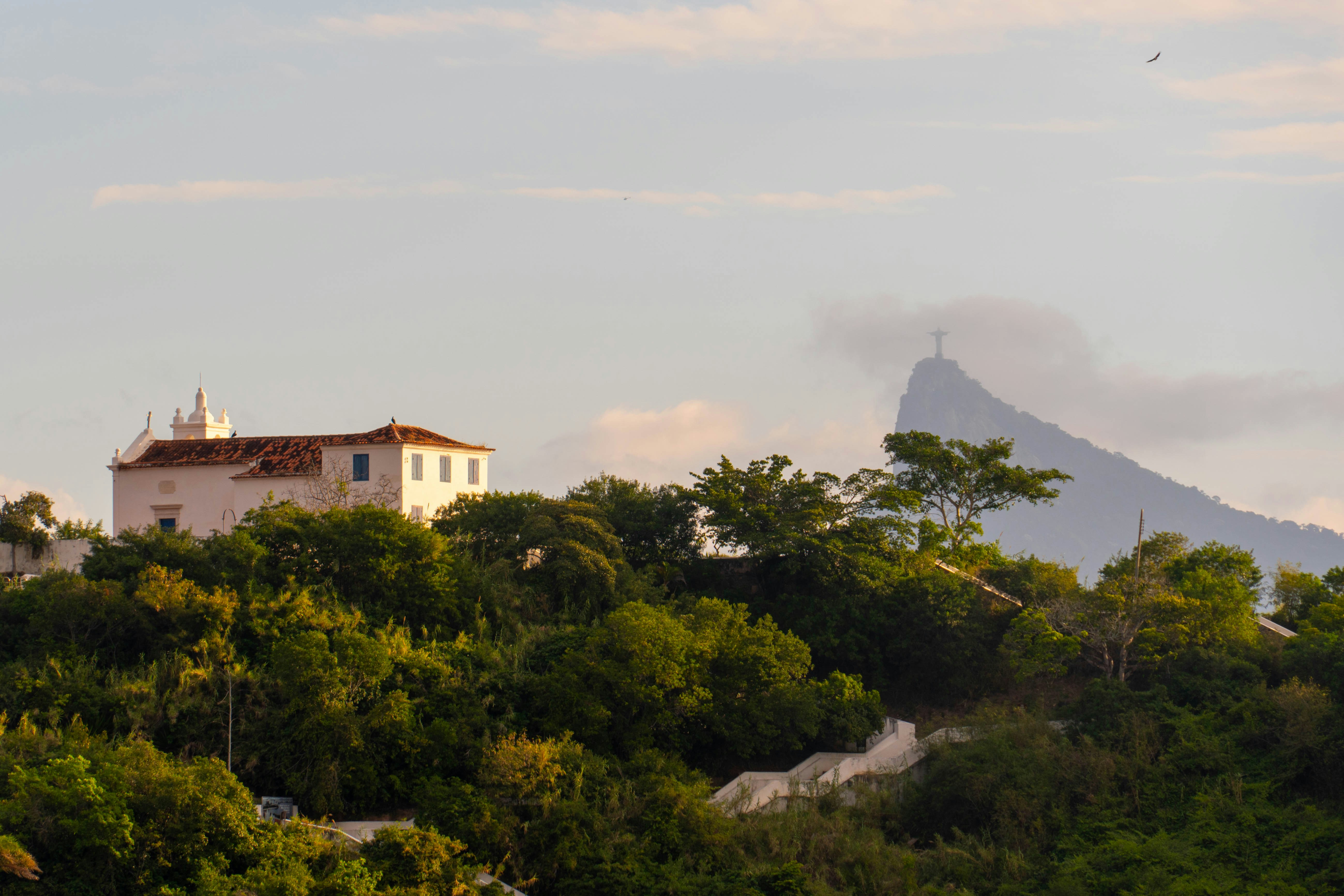
From Rio’s iconic Christ the Redeemer to the waterfalls of Iguaçu and the wetlands of the Pantanal, Brazil delivers “wow” moments in every direction. It’s a country where you can spend your morning hiking rainforest trails and your evening sipping caipirinhas on a beach, all while hearing Portuguese, indigenous languages, and global accents in the background.
For many travellers, Brazil feels like a step beyond classic favorites such as Japan or Thailand: more raw, more rhythmic, and often more spontaneous. You’ll find world‑class cities (Rio, São Paulo, Brasília), historic gems (Salvador, Ouro Preto, Paraty), and landscapes that range from desert dunes in Lençóis Maranhenses to the Amazon basin.
As of 2026, Brazil is also better connected and more traveler‑friendly. Major cities offer broad 4G/5G coverage, contactless payments are increasingly accepted, and apps simplify everything from ride‑hailing to language translation. With Hello eSIM for Brazil, you can land, activate data in minutes, and instantly access maps, messaging, and trip planning tools.
This pillar guide is your starting point. Use it alongside detailed cluster articles like Brazil Cultural Guide: Etiquette, Customs, and Tips, Brazil Safety Guide: Tips for a Safe Trip, and Brazil in 10 Days: The Ultimate Travel Itinerary to build a trip that fits your budget, style, and timeframe.
Best Time to Visit Brazil: Seasons & Weather
The best time to visit Brazil depends on what you want: December–March for beach and Carnival energy, April–June for quieter cities and better flight deals, and July–September for drier conditions in nature hotspots like the Pantanal and parts of the Amazon.
Brazil is huge, so “summer” and “winter” feel different across regions. In general, the southern hemisphere summer (December–March) is hot and humid, especially in Rio and São Paulo, with daytime highs often above 30°C (86°F). Winter (June–August) is milder, with cooler evenings and fewer storms in many areas.
Use this high‑level table to match your plans to the right season:
| Season (2026) | Weather & Cities | Beaches | Nature & Wildlife | Crowd Level |
|---|---|---|---|---|
| Dec–Mar (Summer) | Hot, humid; afternoon storms | Best for Rio/NE beaches; peak prices | Amazon very humid; Pantanal wetter | Very high (Carnival, New Year) |
| Apr–Jun (Autumn) | Warm, more comfortable | Still good, fewer crowds | Transition; good for most hikes | Medium |
| Jul–Sep (Winter) | Mild in SE; cooler nights | Good in NE, cooler in south | Drier in Pantanal; good wildlife | Medium–high (local holidays) |
| Oct–Nov (Spring) | Warming up; less rain than summer | Great shoulder season | Good across many regions | Medium |
If Carnival is on your bucket list, plan around February/March and read the Rio Carnival Travel Guide: Samba, Parades, and Practical Tips for specific dates, parade tickets, and safety tips.
For more structured trip ideas across seasons, combine this overview with itineraries like Brazil in 3 Days: A Day-by-Day Itinerary, Brazil in 5 Days: The Perfect Extended Itinerary, and Brazil in 10 Days: The Ultimate Travel Itinerary.
Brazil Trip Budget: How Much to Expect in 2026
As of 2026, a realistic daily budget for Brazil ranges from around US$45–70 for budget travellers, US$80–150 for mid‑range, and US$200+ for luxury, varying by city, season, and how much you move around.
Brazil can feel pricey compared to some South American neighbors, but with smart planning you can keep costs under control. Major cities like Rio and São Paulo tend to be more expensive, while smaller towns and inland regions are often cheaper for food and accommodation.
Here’s an at‑a‑glance budget comparison per person per day:
| Travel Style (2026) | Accommodation | Food & Drink | Transport | Activities | Approx. Daily Total |
|---|---|---|---|---|---|
| Budget | Hostel dorm / simple guesthouse | Local eateries, street food | Buses, metro | Free walks, viewpoints | US$45–70 |
| Mid‑Range | Hotels, nice guesthouses | Mix of local & mid‑range restaurants | Mix of Uber/taxis & domestic flights | Main sights, some tours | US$80–150 |
| Luxury | Boutique hotels, high‑end stays | Fine dining, bars | Private transfers, frequent flights | Guided tours, premium experiences | US$200+ |
Use the detailed Brazil Travel Budget Guide: Daily Costs and Money Tips to see line‑by‑line examples, including typical prices for accommodation, meals, and transport.
To handle cash and cards efficiently, read the Brazil Currency & Money Guide: Exchange, Cards, and Tips for up‑to‑date information on Brazilian real (BRL), ATM fees, tipping norms, and how widely cards and contactless payments are accepted.
If you’re travelling with friends, the Hello app can help you track expenses and split bills fairly, so everyone knows what they’ve spent in real time.
Visa & Entry Requirements (Plus Singapore-Specific Tips)
Most travellers need a valid passport and may need a visa to enter Brazil, with rules varying widely by nationality; Singapore citizens currently enjoy relatively straightforward entry but should still check requirements carefully before flying.
As of 2026, Brazil’s visa policy is nationality‑dependent and can change with little notice, so always confirm the latest information on an official consular website before you book. You’ll typically need:
- A passport valid for at least 6 months beyond your arrival date
- Evidence of onward or return travel
- Proof of sufficient funds and accommodation details
For Singapore passport holders, the Brazil Visa & Entry Requirements for Singapore Passport Holders breaks down whether you need a visa, how long you can stay, passport validity rules, and any vaccination or customs requirements specific to Singaporean travellers.
If you’re not travelling on a Singapore passport, use that article as a framework: know your allowed length of stay, understand any e‑visa or consular visa processes, and keep digital and printed copies of key documents.
Health‑wise, Brazil may require or strongly recommend vaccinations (like yellow fever) for certain regions. Always check current advisories and review the Brazil Safety Guide: Tips for a Safe Trip for health guidance, insurance advice, and emergency contacts.
Make sure your phone is ready too: with Hello eSIM, you can store boarding passes, visa confirmation emails, and travel insurance PDFs in the cloud, then access them on arrival even if airport Wi‑Fi is slow or crowded.
Getting Around Brazil: Cities, Flights, and Local Transport
Getting around Brazil in 2026 is easier than ever, with domestic flights, long‑distance buses, ride‑hailing apps, and metro systems in major cities, plus Hello helping you keep routes, tickets, and transport costs organized.
Brazil is huge, so you’ll often mix domestic flights for long hops (e.g., Rio to Manaus or São Paulo to Salvador) with buses, metros, and ride‑hailing apps inside each city. Planning your routes well can save both time and money.
The Getting Around Brazil: Transport Guide for Travellers walks through airport transfers, public transport systems, ride‑hailing options, and driving tips. At a glance:
- In cities: Expect Uber and other apps in most urban areas, plus metros in Rio and São Paulo.
- Between cities: Buses cover almost everywhere; domestic flights are faster but can be pricier.
- Driving: Possible, but be aware of local road rules, parking, and safety.
A simple decision framework:
- Short distance in city (under 5 km): walk or use metro/bus.
- Medium distance (5–20 km): ride‑hailing for convenience and safety at night.
- Long distance (100–800 km): compare overnight buses versus daytime flights.
- Very long distance (800+ km): usually best to fly.
Having mobile data is crucial for maps and ride‑hailing. The eSIM for Brazil: Best Plans, Coverage, and Setup Tips explains how to choose and set up Hello eSIM in Brazil, which networks to expect, and how to avoid bill shock. Use the Hello app to log transport costs and see how much you’ve spent on flights, buses, and taxis throughout your trip.
Food & Dining in Brazil: What to Eat and What It Costs
Brazilian food is hearty, diverse, and surprisingly affordable, with staples like feijoada, pão de queijo, and moqueca alongside incredible fruit juices and street snacks that can keep most travellers happily fed on a reasonable budget.
Brazil’s cuisine reflects African, Portuguese, indigenous, and immigrant influences. Each region has specialties: feijoada (rich bean and meat stew) is iconic in Rio and São Paulo, moqueca (coconut‑based fish stew) shines in Bahia, and churrasco (Brazilian barbecue) is beloved nationwide.
The Brazil Food Guide: Must-Try Dishes, Prices, and Tips breaks down classic dishes, typical price ranges, and food safety basics. You can expect:
- Budget eats: Street food, bakery snacks, and simple set lunches
- Mid‑range: Casual sit‑down restaurants and trendy cafés
- Higher‑end: Churrascarias and contemporary fine‑dining spots
A quick price snapshot per meal (2026, per person):
- Local snack / street food: roughly US$2–5
- Simple lunch menu: roughly US$6–12
- Mid‑range dinner: roughly US$15–30
- High‑end restaurant: US$40+ depending on city
Dietary needs are increasingly accommodated in big cities, with vegetarian, vegan, and gluten‑free options easier to find. The food guide above shares where to look and how to order.
To keep your food budget on track, pair that article with the Brazil Travel Budget Guide: Daily Costs and Money Tips and use the Hello app to log meal costs as you go. Staying connected with Hello eSIM also makes it easier to check reviews, find highly rated local spots, and translate menus on the fly.
Top Experiences: Cities, Nature, and Carnival
Brazil’s top experiences range from standing beneath Christ the Redeemer in Rio and dancing through Carnival to exploring the Amazon, Iguaçu Falls, and colonial towns like Paraty and Ouro Preto.
Think of Brazil as three big travel “pillars”: cities, nature, and culture/festivals. Most trips work best when you mix at least two.
City highlights include Rio de Janeiro (beaches, viewpoints, nightlife), São Paulo (food, arts, big‑city buzz), Brasília (modernist architecture), and Salvador (Afro‑Brazilian culture and music). Nature lovers gravitate toward the Amazon, Pantanal, Chapada Diamantina, Lençóis Maranhenses, and Iguaçu Falls.
Culturally, few events match Carnival in Rio, Salvador, or other cities. The Rio Carnival Travel Guide: Samba, Parades, and Practical Tips explains how parades work, where blocos (street parties) happen, how to buy tickets, and how to stay safe amid the crowds.
For structured experiences, use the itineraries:
- 3 Days in Brazil: A Day-by-Day Itinerary for an intense city‑focused trip.
- Brazil in 5 Days: The Perfect Extended Itinerary to combine city and nearby nature.
- Brazil in 10 Days: The Ultimate Travel Itinerary to cover multiple regions and big‑ticket sights.
A simple planner: if it’s your first time, aim for Rio + one more destination (e.g., Iguaçu, Salvador, or the Amazon). If you’ve done Rio before, build your trip around a theme—"food and music" in São Paulo and Salvador, or "wildlife" in the Pantanal and Amazon—then refine with those itinerary guides and keep everything organized in the Hello app.
Staying Connected: Hello eSIM & Mobile Data in Brazil
In 2026, staying online in Brazil is straightforward with Hello eSIM, which lets you activate data instantly on arrival, avoid physical SIM cards, and keep your trip planning tools and messaging apps running smoothly across the country.
Brazil’s major cities have strong mobile coverage and widespread 4G/5G, while more remote areas (deep Amazon, rural stretches) can be patchier. For most travellers, having mobile data is essential for maps, messaging, transport apps, and emergency information.
The eSIM for Brazil: Best Plans, Coverage, and Setup Tips walks through:
- How to purchase and install Hello eSIM before your trip
- Recommended data amounts based on trip length
- Network coverage differences between cities and nature destinations
- Practical setup tips so you’re connected as soon as you land
With Hello, you can:
- Activate an eSIM plan for Brazil in minutes on iOS or Android
- Track data usage so you don’t run out mid‑trip
- Use built‑in tools for expense tracking and trip planning alongside your connectivity
Compared to hunting for local SIMs at the airport or language‑barrier‑heavy phone shops, Hello eSIM saves time and stress. Pair it with the Brazil Safety Guide: Tips for a Safe Trip so you always have access to emergency numbers, embassy contacts, and insurance details.
If you’re visiting multiple countries on the same trip, like combining Brazil with Argentina or favorites such as Japan and Thailand, Hello’s multi‑country coverage makes it easier to stay on one platform instead of juggling different local SIMs and plans.
Safety, Culture, and Everyday Practical Tips
Brazil is deeply rewarding but does require street‑smart awareness; with basic precautions, cultural sensitivity, and good information, most travellers enjoy safe, welcoming experiences across the country.
Safety concerns in Brazil tend to focus on petty crime (pickpocketing, bag snatching) and occasional scams in busy, touristy areas. The Brazil Safety Guide: Tips for a Safe Trip gives detailed advice on safe neighborhoods, how to carry valuables, what to avoid at night, and why travel insurance is important.
At a high level:
- Keep phones and cameras discreet in crowded areas.
- Use registered taxis or ride‑hailing at night.
- Don’t flaunt jewelry or designer items.
- Stay aware on beaches and public transport.
Culturally, Brazil is warm, expressive, and relaxed, but there are unwritten rules. The Brazil Cultural Guide: Etiquette, Customs, and Tips explains greetings, personal space, dress codes, and useful Portuguese phrases. Smiles go a long way, and attempting basic Portuguese is always appreciated.
Practical tips:
- Carry a small amount of cash and a backup card.
- Keep digital copies of key documents stored securely.
- Learn how to use local payment apps if you’ll be there longer.
Hello supports you here too: with Hello eSIM, you can call or message friends, access translation tools, bookmark safe routes, and quickly look up emergency numbers or embassy contacts. Combined with the safety and cultural guides, it helps you move through Brazil with more confidence and less stress.
Suggested Itineraries: 3, 5, and 10 Days in Brazil
Even a short trip to Brazil can be memorable; 3 days is enough for a focused city break, 5 days lets you add nature or nearby towns, and 10 days unlocks multi‑region adventures mixing cities, beaches, and wildlife.
To avoid decision overload, anchor your trip around one or two home bases, then add day trips or short hops. The cluster itinerary articles give you detailed day‑by‑day plans:
- 3 Days in Brazil: A Day-by-Day Itinerary: Ideal for a Rio‑centric stay.
- Brazil in 5 Days: The Perfect Extended Itinerary: Great for combining city highlights and one extra region.
- Brazil in 10 Days: The Ultimate Travel Itinerary: Designed to cover multiple regions and iconic sights.
Use this quick framework:
- 3 days: Focus on one major city (usually Rio or São Paulo). Prioritize viewpoints, beaches, and one cultural experience.
- 5 days: One main city + a nearby destination (like Iguaçu Falls or Paraty). Mix urban life with nature or heritage.
- 10 days: Two or three regions. Example: Rio + Iguaçu + Salvador, or São Paulo + Pantanal + Rio.
Layer in your interests: Carnival and nightlife, food and music, or nature and wildlife. Then adjust the detailed itineraries to match your budget using the Brazil Travel Budget Guide: Daily Costs and Money Tips.
The Hello app can store your daily plan, track spending per city, and keep all your booking confirmations in one place, accessible via Hello eSIM even when you’re offline between Wi‑Fi spots.
Before You Go: Checklist for Brazil in 2026
A good pre‑departure checklist makes Brazil feel less overwhelming; by confirming documents, money, connectivity, health, and safety basics before you fly, you set yourself up for a smoother, more enjoyable trip.
Here’s a practical "Before You Go" checklist for Brazil in 2026:
Documents & Entry
- Check visa requirements for your nationality (and read Brazil Visa & Entry Requirements for Singapore Passport Holders if you’re Singaporean).
- Ensure your passport has at least 6 months’ validity.
- Print or save digital copies of flights, accommodation, and travel insurance.
Money & Budget
- Review the Brazil Travel Budget Guide: Daily Costs and Money Tips.
- Read the Brazil Currency & Money Guide: Exchange, Cards, and Tips and notify your bank of travel.
- Decide on a rough daily budget and set it up in the Hello app.
Connectivity & Planning
- Purchase and install Hello eSIM using the steps in eSIM for Brazil: Best Plans, Coverage, and Setup Tips.
- Download offline maps and key travel apps.
Health, Safety & Culture
- Check health advisories and vaccinations, then review the Brazil Safety Guide: Tips for a Safe Trip.
- Read the Brazil Cultural Guide: Etiquette, Customs, and Tips and learn basic Portuguese phrases.
Ticking through this list a week before departure—and updating anything that changes—keeps your Brazil trip running smoothly from the moment you land.
Brazil Visa & Entry Requirements for Singapore Passport Holders
Budget PlanningBrazil Travel Budget Guide: Daily Costs and Money Tips
Currency & MoneyBrazil Currency & Money Guide: Exchange, Cards, and Tips
eSIM & ConnectivityeSIM for Brazil: Best Plans, Coverage, and Setup Tips
Safety & HealthBrazil Safety Guide: Tips for a Safe Trip
Cultural GuideBrazil Cultural Guide: Etiquette, Customs, and Tips
Frequently Asked Questions
How many days do I need for a first trip to Brazil?
For a first trip, 7–10 days is ideal: it lets you experience at least one major city (often Rio de Janeiro) plus one extra region such as Iguaçu Falls, Salvador, the Amazon, or the Pantanal. Shorter trips are still worthwhile, though. Use Brazil in 3 Days, Brazil in 5 Days, and Brazil in 10 Days to see how much you can realistically fit into each timeframe.
Is Brazil safe to visit in 2026?
Yes, millions of travellers visit Brazil safely every year, and 2026 is no different—but it’s important to stay street‑smart. Focus on safer neighborhoods, be discreet with valuables, use ride‑hailing at night, and keep emergency contacts handy. The Brazil Safety Guide: Tips for a Safe Trip offers detailed, region‑specific advice plus health and insurance tips.
How much should I budget per day in Brazil?
As of 2026, typical daily budgets range from about US$45–70 for budget travellers, US$80–150 for mid‑range, and US$200+ for luxury trips, depending on where you go and how much you move around. The Brazil Travel Budget Guide: Daily Costs and Money Tips gives sample daily breakdowns and money‑saving ideas. You can track everything in real time using the Hello app.
Do I need a visa to visit Brazil?
Visa requirements depend on your passport. Some nationalities can enter visa‑free for a limited period, while others require an e‑visa or consular visa. Always check official sources before booking. If you’re a Singapore passport holder, start with Brazil Visa & Entry Requirements for Singapore Passport Holders for step‑by‑step guidance tailored to you.
What’s the best way to stay connected in Brazil?
The easiest way in 2026 is to use Hello eSIM, which lets you activate mobile data for Brazil instantly on arrival without hunting for physical SIM cards. The eSIM for Brazil: Best Plans, Coverage, and Setup Tips explains recommended data amounts, coverage expectations, and setup tips, and the Hello app helps with trip planning and expense tracking while you’re online.
Is Brazil expensive compared to other destinations like Japan or Thailand?
Brazil generally sits between classic budget destinations such as Thailand and higher‑cost countries like Japan. City expenses and domestic flights can add up, but food and local transport can be good value. The Brazil Currency & Money Guide: Exchange, Cards, and Tips and Brazil Travel Budget Guide help you benchmark costs and set a realistic budget for 2026.
What should I not do in Brazil culturally?
Avoid assumptions and stereotypes, don’t flash wealth, and respect local norms around personal space and clothing (especially in churches and traditional neighborhoods). It’s also polite to greet people, be patient with slower service, and avoid loud criticism of local customs. The Brazil Cultural Guide: Etiquette, Customs, and Tips lists key do’s and don’ts plus useful phrases to help you connect respectfully.
eSIM Plans for Brazil
Detailed Articles
Dive deeper into specific topics covered in this guide.
Brazil Cultural Guide: Etiquette, Customs, and Tips
Essential do's and don'ts, greeting customs, dress codes, local phrases, and cultural tips for Brazil.
31 May 2026
Brazil Safety Guide: Tips for a Safe Trip
Safety tips, health advisories, emergency contacts, common scams, and travel insurance advice for Brazil.
16 July 2026
Brazil in 10 Days: The Ultimate Travel Itinerary
A comprehensive 10-day itinerary for Brazil covering top attractions, hidden gems, daily costs, and transport between cities.
18 June 2026
Rio Carnival Travel Guide: Samba, Parades, and Practical Tips
Plan your trip to Rio Carnival — parade tickets, street parties, safety, and budget advice.
14 July 2026
3 Days in Brazil: A Day-by-Day Itinerary
A detailed 3-day itinerary for Brazil with daily activities, costs, neighborhoods, and transport tips.
9 June 2026
Brazil in 5 Days: The Perfect Extended Itinerary
A detailed 5-day itinerary for Brazil with daily activities, costs, neighborhoods, and transport tips for an extended stay.
4 May 2026
Brazil Travel Budget Guide: Daily Costs and Money Tips
How much does it cost to travel in Brazil? Daily budget breakdowns for budget, mid-range, and luxury travellers.
22 February 2026
Brazil Currency & Money Guide: Exchange, Cards, and Tips
Currency exchange, credit card acceptance, ATM tips, tipping culture, and money-saving advice for Brazil.
24 July 2026
More Travel Guides
Destination Guide
Complete Bosnia and Herzegovina Travel Guide 2026
Everything you need to know about travelling to Bosnia and Herzegovina — budget, visa, food, transport, eSIM connectivity, and itineraries.
Destination Guide
Complete Bahamas Travel Guide 2026
Everything you need to know about travelling to Bahamas — budget, visa, food, transport, eSIM connectivity, and itineraries.
Destination Guide
Complete Bahrain Travel Guide 2026
Everything you need to know about travelling to Bahrain — budget, visa, food, transport, eSIM connectivity, and itineraries.
Destination Guide
Complete Sint Eustatius Travel Guide 2026
Everything you need to know about travelling to Sint Eustatius — budget, visa, food, transport, eSIM connectivity, and itineraries.