United States Safety Guide: Tips for a Safe Trip
Safety tips, health advisories, emergency contacts, common scams, and travel insurance advice for United States.
By Hello Travel Team
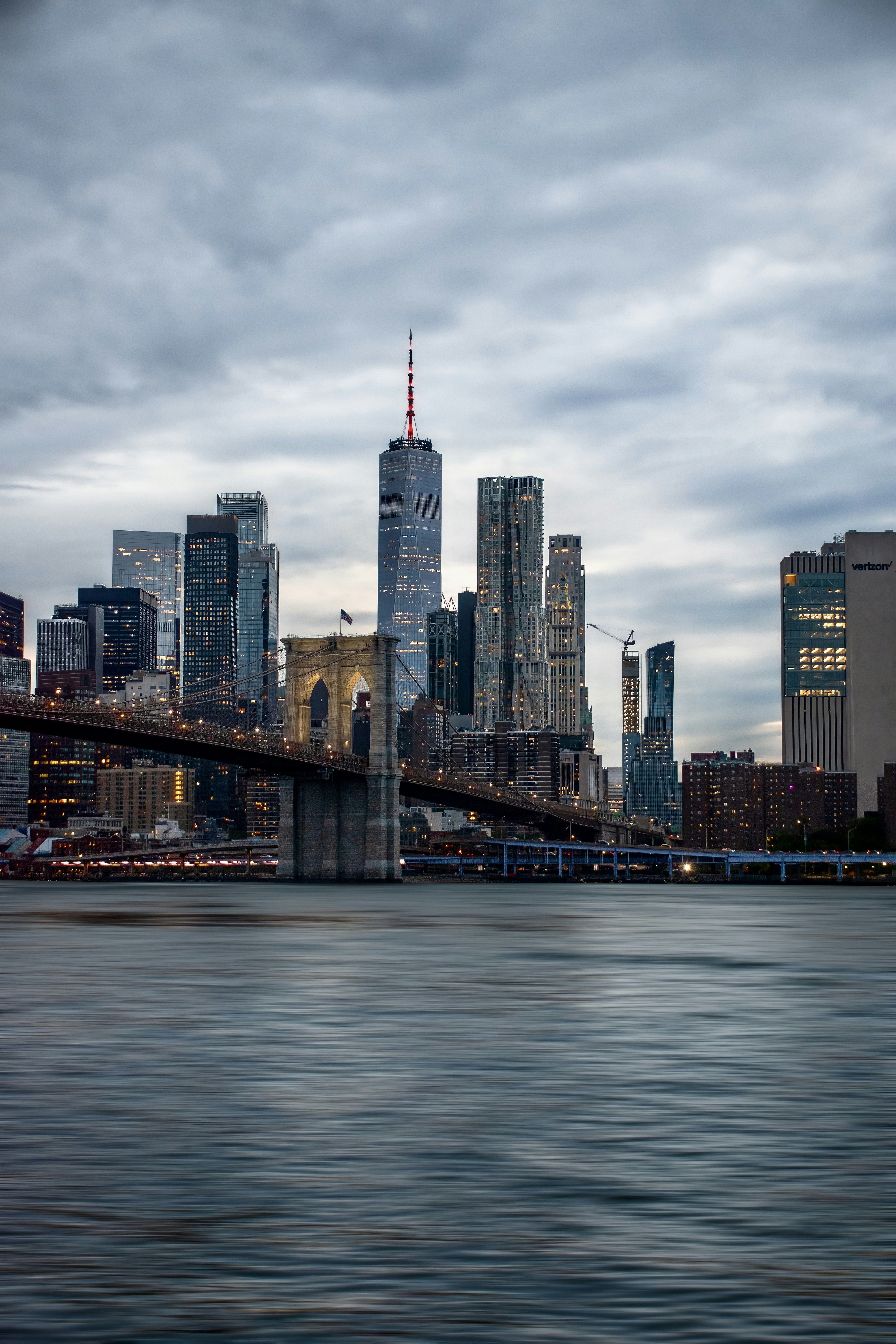
TL;DR: Is the United States Safe for Travellers?
Yes, the United States is generally safe for visitors who use ordinary urban, road-trip, and outdoor-travel precautions, but safety varies considerably between cities, neighbourhoods, and natural areas. The most practical United States travel safety steps are protecting valuables, using licensed transport, checking local conditions, avoiding isolated areas at night, and carrying comprehensive travel insurance. For emergencies, dial 911 for police, fire, or ambulance services. Singaporeans can contact the Singapore Embassy in Washington, D.C., at +1 202 537 3100, including for after-hours urgent consular assistance. Before departure, check current government advisories, keep routine vaccinations up to date, and arrange reliable mobile data with Hello eSIM for the United States so you can access maps, alerts, translation tools, and emergency services.
United States Travel Safety: Cities, Transport, and Everyday Precautions
The United States is safe for most tourists, but the right precautions depend more on the specific city and neighbourhood than on the country as a whole. Large destinations such as New York, Los Angeles, San Francisco, Chicago, Miami, and Las Vegas are heavily visited, yet petty theft, vehicle break-ins, nightlife incidents, and scams can occur in busy tourist districts.
Use these habits throughout your trip:
- Keep passports, extra cards, and most cash in a hotel safe; carry only what you need.
- Use official taxis, recognised rideshare services, airport shuttles, or public transport; confirm the vehicle and driver before boarding.
- Avoid displaying expensive watches, phones, or cameras in crowded areas.
- At night, stay on well-lit streets and use a door-to-door ride rather than walking through unfamiliar districts.
- Never leave luggage or electronics visible in a parked car, particularly at trailheads, beaches, viewpoints, and tourist car parks.
- In national parks, follow marked trails, carry water, and tell someone your route; mobile coverage can be unreliable.
Tipping is customary: restaurant servers commonly receive about 18–22% for good service, while hotel and transport tips vary. Prices also exclude sales tax in many states, so a menu item listed at $20 may cost more at checkout.
United States Scams and How to Avoid Losing Money
The most common United States scams target visitors through fake transport offers, payment pressure, inflated prices, or impersonation messages; slowing down and verifying details prevents most losses. Never give card details, passwords, passport numbers, or one-time verification codes to an unsolicited caller, text sender, or email contact.
Watch for these United States scams:
- Fake airport or street taxis: Use the official taxi rank or a booked rideshare, and avoid drivers who approach you inside arrivals halls.
- Card skimming and tampered ATMs: Prefer ATMs inside banks, hotel lobbies, or reputable shops; cover your PIN and check the machine for unusual attachments.
- Ticket and accommodation fraud: Buy from the venue, airline, hotel, or an established booking platform. Be cautious of unusually cheap offers requiring wire transfers, gift cards, cryptocurrency, or cash deposits.
- Police, immigration, or government impersonation: Genuine officials do not demand immediate payment through gift cards or threaten arrest over a phone call.
- Overpriced nightlife bills: Confirm drink prices, cover charges, and service fees before ordering, and keep your card in sight.
- Rental-car damage disputes: Photograph the vehicle from every side before leaving and retain the inspection record.
For an extra layer of control, Hello’s app can scan receipts, categorise spending, track exchange rates, and split expenses across multiple currencies when travelling with friends.
United States Emergency Numbers, Embassy Help, and Connectivity
For an immediate threat, serious injury, fire, or crime in progress, call 911 and state your exact location, including the hotel name, street address, room number, or nearest landmark. The United States uses one emergency number for police, ambulance, and fire services, and operators can usually send help even when you are visiting from overseas.
| Situation | Number or action |
|---|---|
| Police, fire, ambulance | 911 |
| Non-emergency police help | Use the local city or county police number |
| Poisoning emergency | Call 1-800-222-1222 in the United States |
| Singapore Embassy, Washington, D.C. | +1 202 537 3100 |
| Singapore MFA travel assistance | Contact the nearest Singapore mission or MFA through official channels |
The Singapore Embassy is at 3501 International Place NW, Washington, D.C. 20008. Singapore’s Ministry of Foreign Affairs advises citizens to contact the nearest Singapore Overseas Mission for consular assistance; the embassy also encourages overseas Singaporeans to register through its e-Register. Consular staff cannot replace travel insurance, pay medical bills, or guarantee release from legal obligations, but they can provide guidance after incidents such as arrest, lost documents, or serious emergencies.
Before flying, install the Hello app and activate a Hello eSIM for the United States. Connected maps, translation, rideshare access, accommodation details, and emergency calls are especially useful when moving between states or travelling outside major cities.
United States Health Advisories, Vaccinations, and Water Safety
Most visitors do not need special vaccinations for the United States, but travellers should be current on routine immunisations and review their itinerary with a healthcare professional at least a month before departure. The CDC recommends staying up to date with routine vaccines such as measles-mumps-rubella, tetanus, and influenza; hepatitis A or other vaccines may be considered according to personal health, activities, and destinations.
Practical health advice includes:
- Pack prescription medicines in original labelled containers and carry copies of prescriptions.
- Bring travel insurance details and check whether your policy covers pre-existing conditions, emergency treatment, and medical evacuation.
- Use sunscreen and drink regularly, especially in Arizona, Nevada, Texas, Florida, and other hot regions.
- Take altitude precautions in places such as Colorado, Utah, and mountain areas.
- Use insect repellent during warm-weather trips and check local alerts for mosquitoes and ticks.
- Avoid touching wild animals; keep distance from bears, bison, snakes, and marine wildlife.
Tap water is generally safe in established hotels, restaurants, and cities, although local boil-water notices can occur after storms or infrastructure problems. In remote parks, drink only treated, filtered, or officially supplied water. Heat, cold, storms, wildfire smoke, hurricanes, and flash floods are more realistic travel hazards than infectious disease in many itineraries, so check National Weather Service and park-service alerts before outdoor activities.
Solo Female and LGBTQ+ Travel Safety in the United States
Solo women and LGBTQ+ travellers can visit the United States comfortably, but should choose accommodation, transport, and nightlife plans with the same situational awareness used in any large destination. Safety conditions differ by state and neighbourhood, while attitudes and legal protections can vary between jurisdictions.
Solo female travel tips:
- Share your itinerary and accommodation details with someone at home.
- Use a hotel room safe, avoid announcing your room number, and request a room away from isolated stairwells where possible.
- Meet new people in public places and arrange your own way back.
- Avoid accepting open drinks from strangers and trust your instincts if a situation feels uncomfortable.
- Keep a charged phone, backup battery, identification copy, and emergency funds separately.
LGBTQ+ visitors will find welcoming communities and established Pride destinations in cities including New York, Chicago, Los Angeles, San Francisco, Seattle, and Washington, D.C. However, laws and local social climates are not uniform, and some areas may be less accepting. Check current state and local guidance, especially if travelling with gender-affirming medication, planning nightlife, or attending protests. In every destination, avoid confrontations, monitor local news, and use 911 if facing an immediate threat.
Travel Insurance and Common Questions About United States Safety
Travel insurance is strongly recommended for the United States because medical care, ambulance transport, cancellations, and evacuation can be extremely expensive without coverage. Choose a policy that includes substantial emergency medical expenses, hospital treatment, medical evacuation, trip interruption, baggage loss, and 24-hour assistance, then read exclusions before paying.
Is the United States safe for tourists? Generally yes, particularly when you research neighbourhoods, protect valuables, use reputable transport, and follow local weather and park guidance. No nationwide safety rating describes every destination accurately.
What are the United States emergency numbers? Dial 911 for police, ambulance, or fire. Give the operator your location first and explain whether anyone is injured or in immediate danger.
Is tap water safe in the United States? Usually yes in cities, hotels, and restaurants, unless a local boil-water notice applies. In wilderness areas, treat water before drinking.
How much travel insurance is enough? There is no universal amount, but medical and evacuation limits should be high enough for private hospital care and air transport. Confirm whether your policy covers adventure activities, rental-car excess, hurricanes, wildfire disruption, and pre-existing medical conditions.
How can travellers manage costs? Track accommodation, fuel, meals, tips, sales tax, and attraction fees in Hello. Its AI receipt scanning, voice expense entry, bank-statement import, automatic exchange rates, and multi-currency expense splitting help groups see their true trip budget in real time.
Explore These Destinations
Stay Connected
🇺🇸 eSIM Plans for United States
Ready for United States?
eSIM data, expense splitting, budget tracking, and more. Everything you need for a smooth trip in one app.
Related Articles
United States Visa & Entry Requirements for Singapore Passport Holders
Visa requirements, passport validity, customs allowances, and entry tips for Singapore citizens travelling to United States.
14 July 2026
eSIM for United States: Best Plans, Coverage, and Setup Tips
Everything you need to know about using eSIM in United States. Best data plans, network coverage, and setup instructions.
5 July 2026
United States in 10 Days: The Ultimate Travel Itinerary
A comprehensive 10-day itinerary for United States covering top attractions, hidden gems, daily costs, and transport between cities.
25 June 2026