United Kingdom Cultural Guide: Etiquette, Customs, and Tips
Essential do's and don'ts, greeting customs, dress codes, local phrases, and cultural tips for United Kingdom.
By Hello Travel Team
This article contains affiliate links. If you book through them, Hello may earn a commission at no additional cost to you. Our editorial recommendations are independent. Learn more.
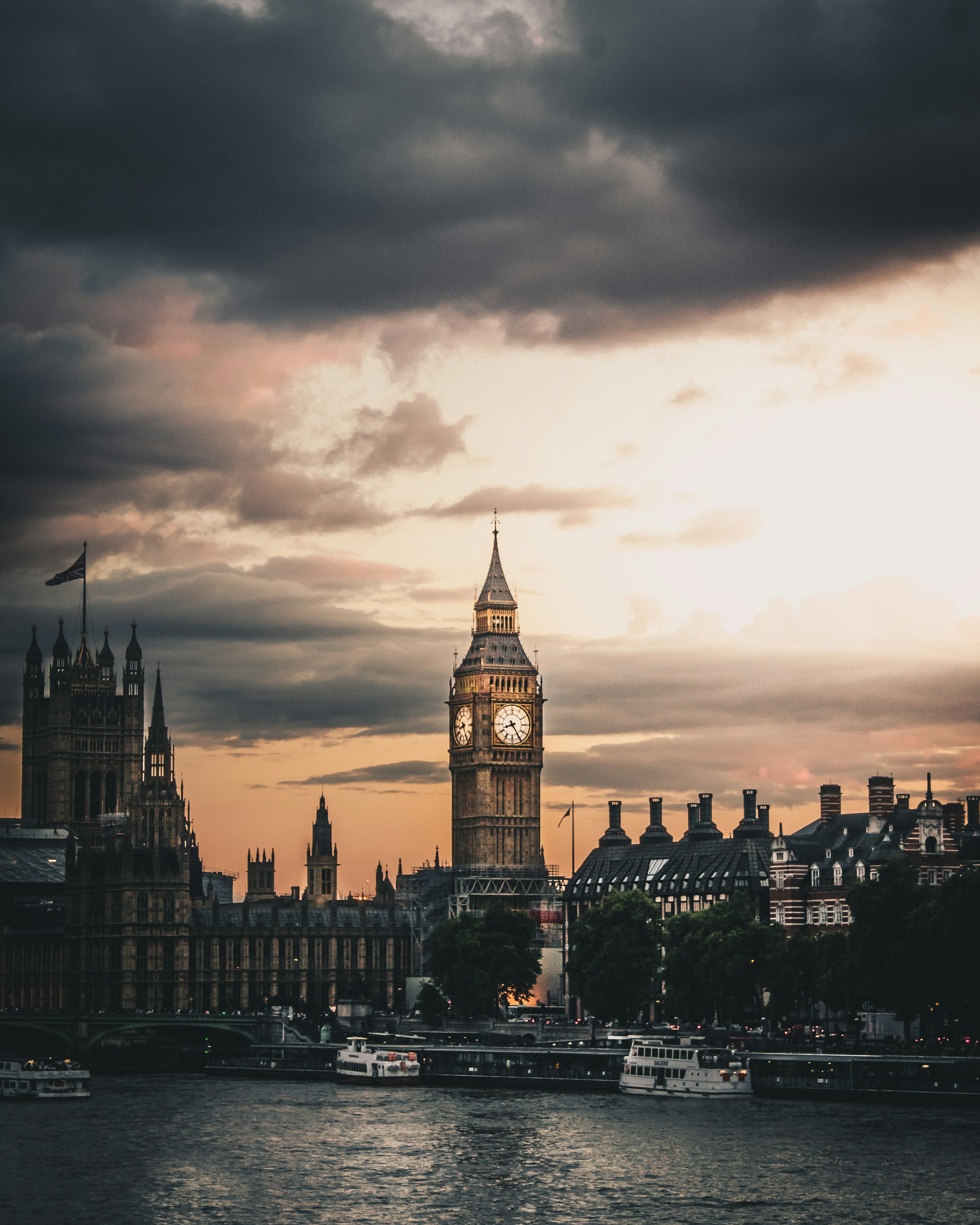
TL;DR: United Kingdom culture, etiquette, and dos and don’ts in a nutshell
The United Kingdom rewards polite, low‑key behaviour: say “please” and “thank you”, respect queues, avoid loud voices, and don’t push into conversations about politics or money unless invited. Dress is generally casual but modest, with stricter rules in religious sites, historic colleges, and some private clubs.
If you remember just a few United Kingdom etiquette basics, you’ll be fine: queue patiently, apologise when you bump into someone (even if it wasn’t your fault), and keep public spaces clean and quiet. Locals value understatement and humour, but they also appreciate visitors who try a few British phrases like “cheers” and “lovely” in everyday chat.
United Kingdom customs can vary between London, Scotland, Wales, and Northern Ireland, yet common threads run through all: punctuality, respect for personal space, and a strong pub culture. Pub visits are social, not just about drinking, and it’s good manners to offer to buy a round when you’re with a group.
On a practical note, tipping in restaurants is usually 10–12.5% when service isn’t included, tap water is free in most eateries, and tap‑to‑pay cards or phones are widely accepted on transport and in shops. Staying connected with a Hello eSIM for the United Kingdom makes it much easier to navigate trains, book attractions, and split costs with friends in real time.
Plan ahead around major holidays like Christmas and Easter, when reduced transport schedules and shorter shop hours can affect your trip. Keep your tone friendly but not overly familiar, and you’ll find that most people are warm, helpful, and happy to chat once you’ve broken the ice.
Greeting customs and local phrases: how to say hello in the United Kingdom
In the United Kingdom, greetings are friendly but reserved: a simple “hi” or “hello” and a handshake or nod is usually enough, with hugs reserved for close friends and family rather than new acquaintances or business contacts.
When it comes to United Kingdom culture, starting interactions politely goes a long way. In everyday situations, “hi”, “hello”, or “you alright?” (often shortened to “alright?”) are common greetings in England, while “hiya” is popular across many cities. In Scotland and Wales, you’ll hear regional greetings alongside English: in Wales, you may see “Croeso” (welcome) on signs, and in Scottish Gaelic areas, “Fàilte” also means welcome.
Use first names only when invited; many professionals, especially in more formal sectors, will begin with titles (Mr, Ms, Dr) but quickly shift to first names once rapport is established. A firm but not crushing handshake is standard in business meetings, while in social settings a simple verbal greeting and smile is enough.
Some handy phrases to remember:
- “Please” and “thank you” – used frequently, even for small requests.
- “Cheers” – used to say thanks, or when clinking glasses.
- “Sorry” – often used to soften interactions, even when you’re not truly at fault.
If you ride buses or trains, thanking the driver or staff when you get off (“cheers, driver” or “thanks”) is common in many cities. Keeping these small customs in mind helps you blend into United Kingdom etiquette quickly and makes everyday encounters feel smoother and friendlier.
United Kingdom dos and don’ts: everyday etiquette, queues, tipping, and pubs
The most important dos and don’ts in the United Kingdom are simple: do queue patiently, do say “please” and “thank you” often, and don’t be loud or pushy, especially on public transport or in small spaces.
Queuing is a core part of United Kingdom customs. Whether you’re boarding a bus in London, waiting for the Tube, or ordering at a food stall in Manchester, always join the end of the line and avoid cutting in. People can get visibly annoyed if you skip the queue, even by accident, so it’s worth paying attention.
Tipping etiquette is fairly straightforward. In mid‑range restaurants, a 10–12.5% service charge is common when not already added to the bill; many places in London automatically include service, so check before adding more. For casual cafés or pubs, rounding up or leaving £1–2 per drink or order is appreciated but not mandatory in 2026. Taxi drivers often receive a small tip by rounding up the fare (£8.50 to £9 or £10).
Pub culture is a big part of United Kingdom culture. Order at the bar, pay as you go, and take your drinks to your table—table service exists but is less common outside gastropubs. If you’re drinking with a group, it’s good manners to offer to buy a round when it’s your turn. Many pubs serve classic dishes like fish and chips for around £12–18 in 2026, with Sunday roasts from £18–25 in London.
Some useful dos and don’ts:
- Do keep your voice moderate on trains and buses.
- Don’t talk loudly on your phone in quiet carriages.
- Do hold doors for people behind you when practical.
- Don’t start heated debates about politics, Brexit, or the Royal Family unless locals bring it up first.
These small details of United Kingdom etiquette help you avoid social missteps and enjoy more relaxed interactions with locals.
Dress codes, religious sites, photography rules, and privacy expectations
Dress in the United Kingdom is generally relaxed, but modest clothing and respect for photography rules are expected in religious sites, historic colleges, and some private clubs and restaurants.
For most sightseeing days, jeans, trainers, and layered tops are perfectly acceptable, reflecting the casual side of United Kingdom culture. However, when visiting churches, cathedrals, mosques, synagogues, or temples, it’s best to dress conservatively: covered shoulders, knee‑length trousers or skirts, and closed‑toe shoes are ideal. In iconic sites like Westminster Abbey, St Paul’s Cathedral, York Minster, or Durham Cathedral, photography may be restricted in certain chapels or during services, and flash is often prohibited.
At some university colleges in Oxford and Cambridge, there may be areas where photos are limited or forbidden, particularly during formal events or exams. Always look for posted signs and respect staff instructions. In museums like the British Museum, National Gallery, or Tate Modern, non‑flash photography is usually allowed, but tripods and commercial shoots require permission.
Privacy expectations are strong in United Kingdom customs. Avoid taking close‑up photos of strangers—especially children—without permission, and be cautious when filming in pubs, small restaurants, or residential streets. Many workplaces and government buildings have strict no‑photography rules.
More formal dress codes apply to upscale restaurants and clubs, where “smart casual” may mean no sportswear, flip‑flops, or football shirts. High‑end venues in London’s West End or Mayfair might expect collared shirts and smarter shoes, with some bars discouraging large groups in fancy‑dress costumes.
A compact comparison can help you plan outfits:
| Setting | Typical Dress Code | Photography Rules |
|---|---|---|
| Everyday sightseeing | Casual, layered | Mostly allowed, avoid flash |
| Cathedrals and churches | Modest, covered shoulders | Often limited during services |
| Mosques and temples | Modest; headscarves as required | Permission needed, no flash |
| Upscale restaurants/clubs | Smart casual or dressy | Discreet only, no professional gear |
| Government buildings/courts | Formal or business | Usually prohibited |
Planning outfits with these United Kingdom etiquette principles in mind saves you from awkward moments at entrances or during services.
Business etiquette, meetings, and professional communication in the UK
Business etiquette in the United Kingdom blends formality with friendliness: punctuality, clear communication, and understated confidence matter more than flashy displays or hard‑sell tactics.
For professional settings, United Kingdom customs lean towards modest, tidy dress and punctual arrivals. Arriving 5–10 minutes early for meetings is considered good form, especially in London’s financial districts like the City and Canary Wharf. Business dress varies by industry: finance and law often expect suits or smart business wear, while tech and creative sectors are more relaxed, leaning towards smart‑casual.
Titles and forms of address follow United Kingdom etiquette norms. Initial emails and meetings may use titles (Mr, Ms, Dr) and surnames, quickly moving to first names once a relationship is established. Handshakes are common at the start and end of meetings; hugs or kisses on the cheek are reserved for social contexts, not business.
Communication style in United Kingdom culture is often indirect. People may soften criticism with phrases like “I’m not sure that will work” or “That might be difficult” instead of outright “no”. Reading between the lines is important: “interesting idea” could mean genuine interest or a polite dismissal, depending on tone and context.
Meetings typically stick to agendas, and small talk about the weather, travel, or weekend plans helps build rapport. However, diving immediately into controversial topics—politics, religion, or personal income—is best avoided.
Expense‑related logistics can be streamlined with tools like the Hello app, which lets you track work trip spending, scan receipts in multiple currencies, and split shared costs with colleagues—especially useful for group stays in cities like Edinburgh or Manchester where dinners can run £25–40 per person in 2026.
Email communication tends to be polite and concise, with phrases like “Kind regards” or “Best wishes” used widely. Even in disagreements, maintaining a calm, respectful tone is key to good professional relationships in the United Kingdom.
Public holidays, events, and travel planning around UK customs
Public holidays and major events in the United Kingdom can significantly affect opening hours, transport schedules, and accommodation prices, so it’s wise to plan around them when building your itinerary.
The United Kingdom’s calendar includes several key bank holidays that shape travel plans. England and Wales share major dates such as New Year’s Day (1 January), Good Friday and Easter Monday (March or April), Early May Bank Holiday, Spring Bank Holiday (late May), and Summer Bank Holiday (late August). Scotland and Northern Ireland have additional holidays, like St Andrew’s Day (30 November in Scotland) and the Battle of the Boyne/Orangemen’s Day (12 July in Northern Ireland).
According to UK government tourism statistics, the country welcomed over 39 million international visitors in 2019, and while numbers dipped during the pandemic, inbound tourism has been steadily recovering through the mid‑2020s. London alone accounts for a large share of visits, which means Christmas markets, New Year events, and summer festivals can drive hotel prices up substantially. It’s common to see central London hotel rates grow 30–50% around New Year’s Eve, with mid‑range rooms reaching £200–350 per night in 2026.
On Christmas Day (25 December) and Boxing Day (26 December), many shops close or operate shortened hours, and public transport runs reduced services. In smaller towns, you may find almost everything closed on Christmas Day. Easter Sunday can also bring closures, especially in more traditional areas.
Popular events like Edinburgh Festival Fringe (August), Glastonbury Festival (late June), and major football matches can create local surges in demand. Booking trains in advance on UK rail networks and coaches often secures better prices; for instance, booking intercity tickets 4–6 weeks ahead can save 30–40% compared with last‑minute fares.
Using Hello’s trip planning and budget tracking helps you visualise costs across peak and off‑peak periods, so you can choose when United Kingdom culture is at its liveliest—or when the streets are quieter and prices lower.
Common questions about United Kingdom etiquette, customs, and connectivity
Most first-time visitors to the United Kingdom ask the same core questions: how to behave in public, what to wear, how much to tip, and how to stay connected without blowing their budget—all of which have fairly straightforward answers once you know local norms.
Is the United Kingdom very formal?
Day‑to‑day United Kingdom culture is less formal than many visitors think. People dress casually, especially in cities, and first names are widely used. Formality appears more in business meetings, official events, and certain social clubs, where smart clothing and polite address are expected.
How much should I tip?
In restaurants where service isn’t included, 10–12.5% is standard. For casual cafés, pubs, and bars, tipping is optional but appreciated; rounding up or leaving £1–2 is common in 2026. In taxis, it’s usual to round up to the nearest pound or add a small amount.
Is it rude to talk to strangers?
United Kingdom etiquette leans towards politeness but not intrusive friendliness. Casual small talk—about the weather, a football match, or a shared queue—is fine. On trains or buses, most people prefer quiet, especially during commuting hours.
What are the biggest dos and don’ts?
Do: queue properly, say “please”, “thank you”, and “sorry”, and respect personal space. Don’t: speak loudly on public transport, aggressively debate politics, or cut into lines.
How do I stay connected easily?
Mobile data is essential for maps, rail tickets, and restaurant bookings. An eSIM from Hello for the United Kingdom lets you arrive with data active, check live transport disruptions, and use Hello’s expense splitting tools to share costs with friends in pounds and your home currency.
Is tap water safe to drink?
Yes, tap water is safe throughout most of the UK, and restaurants often provide it free on request—an easy way to save £2–3 per drink and keep your travel budget in check.
Explore These Destinations
Stay Connected
Book this trip
Compare options on trusted travel sites
Plan activities for this trip
Continue to a reviewed booking partner to check schedules, inclusions, and terms.

Make the most of United Kingdom
From eSIM connectivity to expense tracking, Hello is the all-in-one companion that keeps your trip stress-free.
Related Articles
United Kingdom Safety Guide: Tips for a Safe Trip
Safety tips, health advisories, emergency contacts, common scams, and travel insurance advice for United Kingdom.
23 July 2026
United Kingdom Visa & Entry Requirements for Singapore Passport Holders
Visa requirements, passport validity, customs allowances, and entry tips for Singapore citizens travelling to United Kingdom.
14 July 2026
eSIM for United Kingdom: Best Plans, Coverage, and Setup Tips
Everything you need to know about using eSIM in United Kingdom. Best data plans, network coverage, and setup instructions.
5 July 2026