United Kingdom Safety Guide: Tips for a Safe Trip
Safety tips, health advisories, emergency contacts, common scams, and travel insurance advice for United Kingdom.
By Hello Travel Team
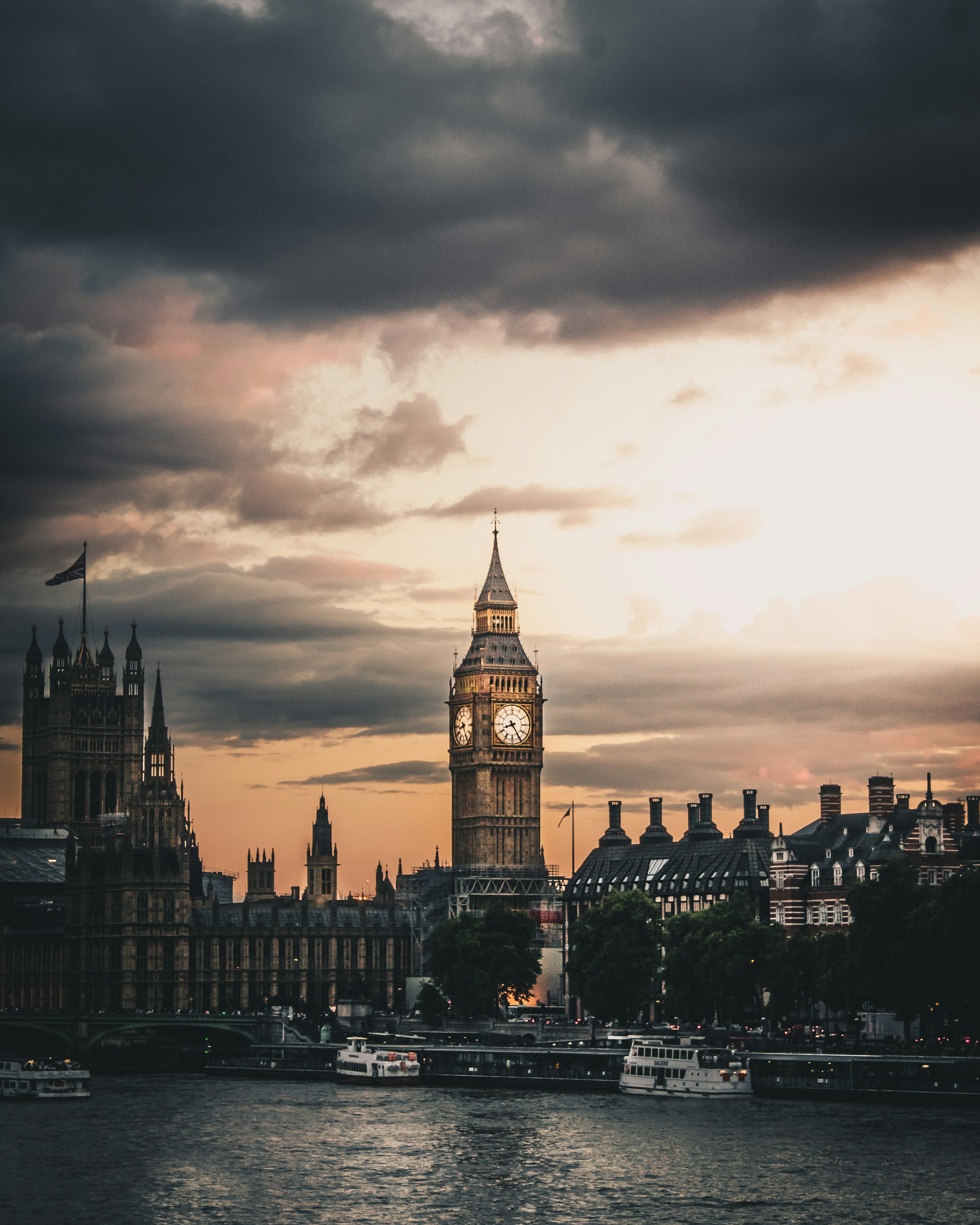
TL;DR: Is the United Kingdom Safe for Travellers?
Yes, the United Kingdom is generally safe for visitors, particularly in established tourist areas, but sensible precautions remain important. The main everyday risks are pickpocketing, phone theft, nightlife-related incidents, road accidents, and occasional terrorism concerns; the U.S. travel advisory recommends increased caution because of terrorism and petty crime. Save 999 for police, fire, or ambulance emergencies, 101 for non-emergency police matters, and 111 for urgent medical advice. Buy comprehensive travel insurance, protect your belongings in crowded places, and check current government advice before departure. Singapore citizens needing urgent consular help can contact the Singapore High Commission in London at +44 (0)7710 348 335 or Singapore’s MFA Duty Office at +65 6379 8800/8855.
United Kingdom Travel Safety: Crime, Terrorism, and Everyday Precautions
The United Kingdom is safe for most tourists when they use ordinary city-travel precautions, remain alert in crowded areas, and follow official instructions during unusual security incidents. London, Edinburgh, Manchester, Liverpool, Birmingham, Belfast, and other popular destinations receive large numbers of visitors, but busy transport hubs and nightlife districts can attract opportunistic crime. Keep phones and wallets out of sight on the London Underground, at major railway stations, in crowded queues, and around attractions such as Westminster, the Tower of London, Edinburgh Castle, and football stadiums. Use licensed taxis or reputable ride-booking services, particularly late at night, and avoid walking alone through unfamiliar parks or poorly lit streets. The U.S. advisory describes most crimes affecting foreigners as crimes of opportunity, including purse or cellphone snatching and pickpocketing. Terrorist incidents are uncommon, but remain aware of your surroundings, avoid unattended bags, and follow police instructions if an area is cordoned off. Northern Ireland also has isolated risks linked to dissident groups, although tourist areas are generally well visited and policed.
United Kingdom Scams and How to Avoid Them
The most effective way to avoid United Kingdom scams is to pause before paying, sharing personal information, or following an unsolicited instruction from someone claiming to be an official. Common risks include fake taxi drivers outside airports and stations, card-payment scams, distraction theft, counterfeit accommodation listings, and people posing as police officers who demand to inspect cash or passports. Legitimate police officers may ask for identification, but you should not hand over your bank card or disclose a PIN. At ticket machines, shield your PIN and check that your card has not been retained before walking away. Buy rail and attraction tickets through official operators or clearly branded ticket offices, and confirm short-term rental details before sending a deposit. In pubs and clubs, keep your drink with you and check the bill before paying. If your phone is stolen, use your bank’s official app or telephone number to freeze cards rather than responding to messages claiming to offer recovery help. Keep digital copies of your passport, insurance policy, and emergency contacts separately from the originals.
United Kingdom Emergency Numbers, Health Advice, and Medical Care
For any immediate threat in the United Kingdom, call 999 for police, fire, or ambulance; call 101 for non-emergency police matters and 111 for urgent medical advice when the situation is not life-threatening. The Singapore Ministry of Foreign Affairs confirms that 999 is the emergency number for police, fire, and ambulance services, while NHS 111 can help visitors locate appropriate medical care. Go directly to an emergency department or call 999 for severe breathing difficulty, chest pain, major bleeding, loss of consciousness, or suspected stroke. Routine NHS treatment may not be free for overseas visitors, so ask about charges and keep receipts for your insurer. No routine vaccination is generally required for entry from Singapore, but travellers should be up to date with routine vaccines such as measles, tetanus, diphtheria, and polio. Discuss individual needs with a doctor several weeks before travel, especially for pregnancy, chronic conditions, or longer stays. Tap water is generally safe to drink throughout the UK. Take extra care near beaches, rivers, canals, and cold open water: swim only in designated areas, check local warnings, and never underestimate tides around coastal locations.
Solo Female, LGBTQ+, and Nightlife Safety in the United Kingdom
Solo female and LGBTQ+ travellers can enjoy the United Kingdom comfortably, but should use the same practical precautions recommended in any busy international destination, especially after dark. Choose accommodation with strong recent reviews, share your itinerary with a trusted person, and use licensed taxis or public transport rather than accepting unsolicited rides. In London, sit near the driver or other passengers on late buses, and consider travelling in a group after nightlife. Do not leave drinks unattended, and arrange a route home before entering a club or pub. The UK has visible LGBTQ+ communities and established venues in London, Manchester, Brighton, Edinburgh, Glasgow, and other cities, but harassment can still occur. Public displays of affection are common, yet travellers should assess the local atmosphere at large gatherings and report abuse or threats to police. Keep your phone charged, carry a small backup payment method, and avoid displaying expensive jewellery or large amounts of cash. If you feel followed, enter a hotel, shop, station, or staffed venue and ask personnel to contact police rather than going directly to your accommodation.
Travel Insurance, Connectivity, and Budget Planning for a Safer Trip
Travel insurance is strongly recommended for the United Kingdom because visitors may face costly treatment, cancellations, lost belongings, or transport disruption even when crime risk is low. Choose a policy that covers medical expenses, emergency evacuation where appropriate, baggage and phone theft, trip cancellation, pre-existing conditions, and activities such as hiking or winter sports if planned. Check exclusions carefully: alcohol-related incidents and unattended belongings may not be covered. Keep the policy number and assistance hotline offline as well as in your phone. Reliable data also improves safety by enabling maps, translation, transport updates, digital tickets, and emergency calls. Before departure, buy and activate Hello eSIM for the United Kingdom so you can arrive connected without relying on airport Wi-Fi. Hello offers eSIM plans for more than 200 countries with instant activation, and its app also supports multi-currency budget tracking, AI receipt scanning, bank-statement imports, and expense splitting with automatic exchange-rate conversion. For destination planning, see the United Kingdom guide. Keep a small cash reserve, but use contactless payments only on trusted terminals and review transactions regularly.
Common Questions About United Kingdom Travel Safety
The United Kingdom is usually straightforward to visit safely, and the most useful preparation is knowing how to obtain help quickly, protect valuables, and arrange insurance before departure.
Is the United Kingdom safe for first-time visitors? Generally, yes. Tourist centres are well served by transport, police, hospitals, and accommodation, although pickpocketing and phone theft can occur in crowded places.
What are the United Kingdom emergency numbers? Call 999 for police, fire, or ambulance emergencies. Use 101 for non-emergency police matters and 111 for urgent NHS medical advice. Call 999 for immediate danger or serious injury.
What should Singapore travellers do if they need consular help? Contact the Singapore High Commission’s 24-hour emergency number at +44 (0)7710 348 335. If unreachable, call Singapore MFA’s 24-hour Duty Office at +65 6379 8800/8855. The High Commission is at 9 Wilton Crescent, Belgravia, London SW1X 8SP.
Is tap water safe in the UK? Yes, tap water is generally safe. Use extra caution around coastal currents, tidal zones, canals, and unsupervised open-water swimming.
Do visitors need vaccinations? Routine vaccinations should be current, but no general vaccination requirement normally applies to travellers entering from Singapore. Confirm personal recommendations with a healthcare professional before travel.
Explore These Destinations
Stay Connected
Ready for United Kingdom?
eSIM data, expense splitting, budget tracking, and more. Everything you need for a smooth trip in one app.
Related Articles
United Kingdom Visa & Entry Requirements for Singapore Passport Holders
Visa requirements, passport validity, customs allowances, and entry tips for Singapore citizens travelling to United Kingdom.
14 July 2026
eSIM for United Kingdom: Best Plans, Coverage, and Setup Tips
Everything you need to know about using eSIM in United Kingdom. Best data plans, network coverage, and setup instructions.
5 July 2026
eSIM for Europe Travel: Complete Coverage Guide
Everything you need to know about using eSIM in Europe. Multi-country plans, EU roaming, and tips for staying connected across borders.
25 June 2026