Panama Cultural Guide: Etiquette, Customs, and Tips
Essential do's and don'ts, greeting customs, dress codes, local phrases, and cultural tips for Panama.
By Hello Travel Team
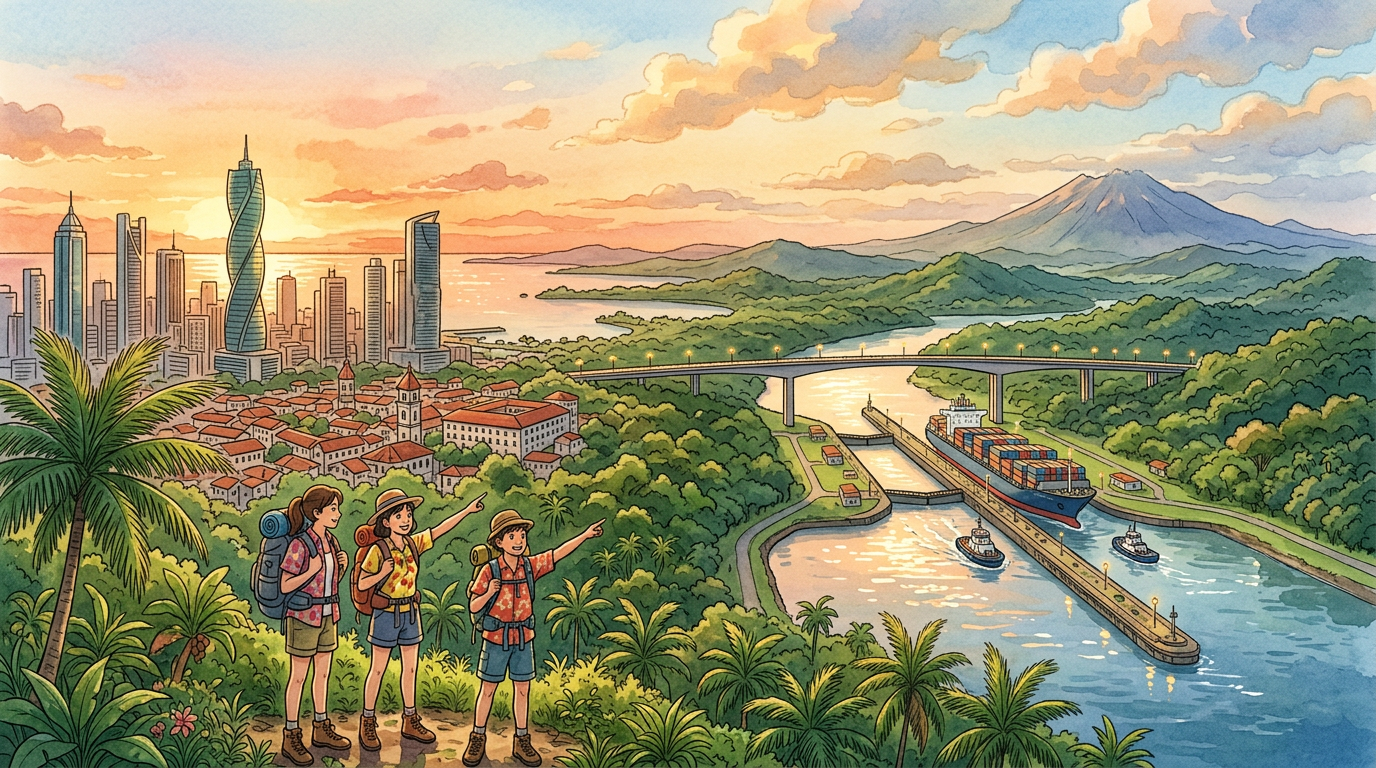
TL;DR: Panama Culture, Etiquette, and Essential Do’s and Don’ts
Panama’s culture blends Latin American warmth, Indigenous heritage, and Caribbean vibes, so polite greetings, modest dress in religious spaces, and relaxed but respectful behavior will take you far. Learn a few Spanish phrases, avoid sensitive topics, and plan around local holidays to enjoy a smoother, more authentic trip.
Panama is friendly and informal, but there are a few cultural touchpoints that make travel feel easier. People tend to be warm and welcoming, especially outside Panama City, and a simple “Buenos días” or “Buenas tardes” instantly improves any interaction. Shaking hands is common in everyday situations; hugs and cheek kisses are usually reserved for closer friends and family.
To avoid missteps, keep volume moderate in public places, dress modestly in churches and Indigenous communities, and ask before taking photos of people or their homes. In business or more formal settings, expect punctuality and smart-casual to business attire, especially in Panama City’s financial district.
Connectivity and payments are increasingly digital: according to the Panamanian Chamber of Commerce, card and mobile payments have grown steadily since 2023, especially in urban areas. Having an eSIM from Hello helps you stay online for maps, translations, and expense tracking as you move between city, jungle, and islands, where coverage can vary.
If you remember three things—be polite, dress a bit more modestly than you might at home, and show interest in local customs—you’ll find Panama remarkably easy and rewarding to navigate.
Greeting Customs in Panama: How to Say Hello the Local Way
In Panama, simple, polite Spanish greetings and a friendly tone are usually all you need for smooth social interactions, with handshakes for formal situations and cheek kisses reserved for friends and family. Starting conversations with “Buenos días” shows respect and helps you connect quickly with locals.
Daily greetings are straightforward:
- Buenos días (good morning)
- Buenas tardes (good afternoon)
- Buenas noches (good evening/night)
People in Panama often address each other using Señor, Señora, or Señorita, especially with older adults or in service settings. A typical first interaction might be: “Buenos días, Señor, ¿cómo está?” (Good morning, sir, how are you?). Using the more formal usted instead of tú with strangers and older people is polite and widely appreciated.
In urban areas like Panama City, greetings in business or official settings are usually a firm handshake, direct eye contact, and a brief verbal greeting. Among close friends, especially in more traditional or Caribbean-influenced areas, women may greet with a single cheek kiss; men often use a handshake or a friendly shoulder pat.
Learning a few basic phrases makes a visible difference:
- Por favor – please
- Gracias – thank you
- Disculpe – excuse me / sorry to bother
- ¿Habla inglés? – do you speak English?
Panama’s tourism authority has highlighted that over 2.5 million visitors arrived in 2023, many from North America and Europe, and locals are increasingly used to tourists. Still, starting interactions in Spanish first shows respect and usually leads to more helpful, patient responses.
Do’s and Don’ts in Panama: Everyday Etiquette and Social Norms
The key to Panama etiquette is simple: be polite and relaxed, but avoid being loud, pushy, or dismissive of local customs, especially in rural or Indigenous areas. A mix of patience, modesty, and basic Spanish goes much further than perfectly following every unwritten rule.
Everyday do’s in Panama:
- Do greet people when entering small shops, restaurants, or guesthouses.
- Do wait your turn and avoid line-cutting; queues are respected in banks, bus stations, and supermarkets.
- Do tip modestly: 10–15% in restaurants is common when service isn’t already included. In 2026, a mid-range meal is typically $10–18 per person in Panama City.
- Do carry some cash, especially outside the capital, as small family-run businesses may not accept cards.
Important don’ts:
- Don’t be overly loud on public transport or in quiet neighborhoods, especially at night.
- Don’t photograph police, military, or strategic infrastructure such as border posts and certain government buildings.
- Don’t assume everyone speaks English—many Panamanians do, especially in tourism areas, but Spanish remains the default.
- Don’t discuss politics or canal management in a confrontational way; these can be sensitive topics.
According to data cited by Panama’s Ministry of Tourism, tourism has been steadily rebounding since 2022, with a strong focus on sustainable and community-based tourism. This means visitors are increasingly interacting directly with local communities. Respectful behavior—asking permission, dressing appropriately, and paying fair prices—supports these communities and is noticed.
If in doubt, follow locals’ lead: how they dress, speak, and move through a space is often your best guide to culturally appropriate behavior.
Dress Codes, Religious Sites, and Photography Rules in Panama
In Panama, casual clothing is fine in most tourist areas, but modest dress is expected in churches, Indigenous communities, and some rural towns, and asking before taking photos of people or ceremonies is an essential sign of respect. Beachwear belongs at the beach, not in city streets.
Panama’s climate is tropical and humid, so light, breathable clothing is standard. In Panama City’s malls and restaurants, shorts and T-shirts are acceptable, but avoid very revealing outfits away from beach areas. For churches, colonial cathedrals in Casco Viejo, and religious sites, aim for:
- Covered shoulders
- Knee-length or longer shorts/skirts
- Closed or smart sandals (flip-flops are often seen as too casual)
In Indigenous territories such as Guna Yala or Emberá communities, leaders may request specific dress standards—typically modest, non-transparent clothing. It’s best to ask your guide and err on the conservative side.
Photography etiquette is crucial. Always ask before photographing individuals, especially in markets, villages, or during religious or cultural events. Some artisans or performers may charge a small fee (often $1–3 in 2026) for photos, especially if their craft or costume is part of the attraction.
You should also avoid photographing:
- Security checkpoints, police, and military personnel
- Certain government facilities
- Areas where signage explicitly prohibits photos
Panama’s cultural authorities have emphasized in recent campaigns that respectful tourism includes seeking consent before recording or sharing images of traditional ceremonies. When you’re unsure, a simple “¿Puedo tomar una foto?” (May I take a photo?) is the best way to protect both your experience and local privacy norms.
Business Etiquette, Meetings, and Working Culture in Panama
Business etiquette in Panama combines Latin American relationship-building with punctual, formal meetings, so dress smartly, use titles, and prioritize trust over speed when dealing with Panamanian professionals. First impressions matter, especially in Panama City’s financial and logistics sectors.
Panama’s position as a global hub—thanks to the Canal and major logistics infrastructure—means you’ll encounter international standards mixed with local customs. According to Panama’s Investment Promotion Agency, the country hosts thousands of multinational regional headquarters, and professional settings tend to be relatively formal.
Key business etiquette points:
- Punctuality is expected for meetings, even if they occasionally start a few minutes late.
- Dress code: business casual to business formal in the city; men often wear collared shirts and slacks, women wear blouses and skirts or dresses. Jackets are common in high-level meetings, though tropical heat makes full suits less frequent.
- Greetings: a firm handshake, eye contact, and a light smile. Use titles like Licenciado/a (for professionals), Ingeniero/a (engineer), or Doctor/a where relevant.
- Meetings start with small talk about family, travel, or general topics before getting down to business.
Trust and relationships are central. Decisions can take time, and repeated in-person or video meetings build confidence. It’s considered rude to jump straight into numbers without any personal rapport.
If you’re traveling for work, staying connected is essential. Using Hello’s eSIM for Panama means you can handle email, calendar invites, and expense tracking without relying on hotel Wi-Fi. With multi-currency tracking and expense splitting, the Hello app makes it easier to manage shared business dinners (often $20–35 per person in Panama City in 2026) and taxi costs without losing receipts or miscalculating exchange rates.
Holidays, Gift-Giving, and Cultural Customs That Affect Travel in Panama
Major holidays in Panama, like Independence celebrations and Carnival, can bring vibrant street parties, crowded transport, and higher prices, so planning around these dates—and understanding basic gift-giving etiquette—helps you avoid surprises and enjoy local traditions respectfully.
Panama’s calendar features several key dates:
- Carnival: The days leading up to Ash Wednesday (often February or early March)—expect parades, water parties, and road closures in cities like Las Tablas.
- Independence Days: November 3 (separation from Colombia) and November 28 (independence from Spain), plus other November civic holidays. Parades, school bands, and official ceremonies can disrupt normal schedules.
- Religious holidays: Holy Week (Semana Santa) often includes processions; some businesses close or operate limited hours.
According to Panama’s tourism promotions, Carnival and November festivities attract significant domestic and international tourism each year, sometimes increasing hotel prices by 20–30% during peak days compared to shoulder seasons.
For gift-giving, small, thoughtful items are appreciated when visiting homes or communities:
- Chocolates, good coffee, or local sweets
- Books or small toys when visiting families with children
- Practical items (school supplies, for example) when invited to community projects
Avoid overly expensive or flashy gifts, which can feel uncomfortable. When buying crafts from Indigenous groups—such as molas from Guna Yala—pay the asked price or negotiate gently and respectfully; these items are often important sources of income.
If you’re traveling with friends or family during busy holiday periods, the Hello app’s expense splitting can help you track shared accommodation, tours, and festival tickets, which may run $20–50 per event in 2026 in popular areas. This keeps money conversations simple, even when prices temporarily spike.
Common Questions About Panama Culture, Etiquette, and Connectivity (Q&A)
Most cultural questions about Panama have simple answers: be polite, dress modestly away from the beach, ask before taking photos, and plan around major holidays if you prefer quieter travel. With a bit of Spanish and reliable connectivity, navigating Panama’s customs becomes straightforward and rewarding.
Q: Is Panama safe and friendly for tourists?
A: Yes. Panama is generally welcoming to visitors, especially in established destinations like Panama City, Boquete, and Bocas del Toro. The Ministry of Tourism reports steady growth in visitor numbers since 2022, reflecting renewed confidence in safety and infrastructure. Use normal city smarts and avoid poorly lit areas at night.
Q: Do I need to speak Spanish?
A: Not strictly, but basic Spanish helps a lot. English is more common in tourism zones and among younger Panamanians, yet Spanish remains the main language. A translation app plus a few phrases—hola, gracias, disculpe—covers most everyday needs.
Q: How should I tip in Panama?
A: In mid-range restaurants, 10–15% is standard if service isn’t already included. In 2026, coffee is roughly $2–3, casual local meals (corrientes) can cost $6–10, and sit-down dinners in Panama City often run $15–25 per person before drinks.
Q: What’s the best way to stay connected?
A: Using an eSIM from Hello for Panama lets you arrive with data working immediately, useful for maps, rideshares, and WhatsApp. You can purchase and activate via the Hello app before your trip, and plans typically start from 5GB with live pricing.
Q: Are there any taboo topics?
A: Avoid aggressive discussions about politics, the Canal, or social issues, especially with people you’ve just met. Observing, listening, and asking open, respectful questions is the best way to learn about Panama culture without causing discomfort.
Explore These Destinations
Stay Connected
Make the most of Panama
From eSIM connectivity to expense tracking, Hello is the all-in-one companion that keeps your trip stress-free.
Related Articles
Panama Safety Guide: Tips for a Safe Trip
Safety tips, health advisories, emergency contacts, common scams, and travel insurance advice for Panama.
21 July 2026
Panama Visa & Entry Requirements for Singapore Passport Holders
Visa requirements, passport validity, customs allowances, and entry tips for Singapore citizens travelling to Panama.
12 July 2026
eSIM for Panama: Best Plans, Coverage, and Setup Tips
Everything you need to know about using eSIM in Panama. Best data plans, network coverage, and setup instructions.
3 July 2026