Northern Cyprus Food Guide: Must-Try Dishes, Prices, and Tips
Best local dishes, street food, restaurant prices, dietary options, and food safety tips for Northern Cyprus.
By Hello Travel Team
TL;DR: What to Eat in Northern Cyprus and What It Costs
Northern Cyprus is all about hearty kebabs, meze spreads, and fresh seaside seafood, with everyday meals ranging from 120–250 TRY (about $4–8) in 2026 for simple dishes and 350–600 TRY ($12–20) for full dinners at mid-range restaurants.
If you’re wondering what to eat in Northern Cyprus, think grilled meats, rich stews, cheesy pastries, and super-fresh salads, backed by strong Turkish and Mediterranean influences. Street food is cheap and filling, sit-down dinners are still very affordable by European standards, and there’s growing availability of halal, vegetarian, and even vegan options in towns like Kyrenia (Girne) and Famagusta (Gazimağusa).
Expect to pay around 40–70 TRY ($1.50–2.50) for street snacks, 120–220 TRY ($4–7) for a kebab or pide at casual lokantas, and 450–700 TRY ($15–23) for a full three-course dinner with drinks in 2026. According to the Turkish Statistical Institute, annual food inflation has been high in recent years, so prices may rise during peak season.
To keep all these small daily food costs in check, the Hello app’s AI receipt scanning is handy for logging each meal in local currency while automatically converting to your home currency. That way you can enjoy Northern Cyprus’ food scene without worrying about going over budget.
Northern Cyprus Must-Try Food: Classic Dishes You Shouldn’t Miss
Northern Cyprus must-try food centers on grilled meats, meze, and comforting home-style dishes like şeftali kebabı, molehiya, and hellim (halloumi), with typical restaurant plates starting around 150 TRY ($5) and meze spreads from 300–500 TRY ($10–17) in 2026.
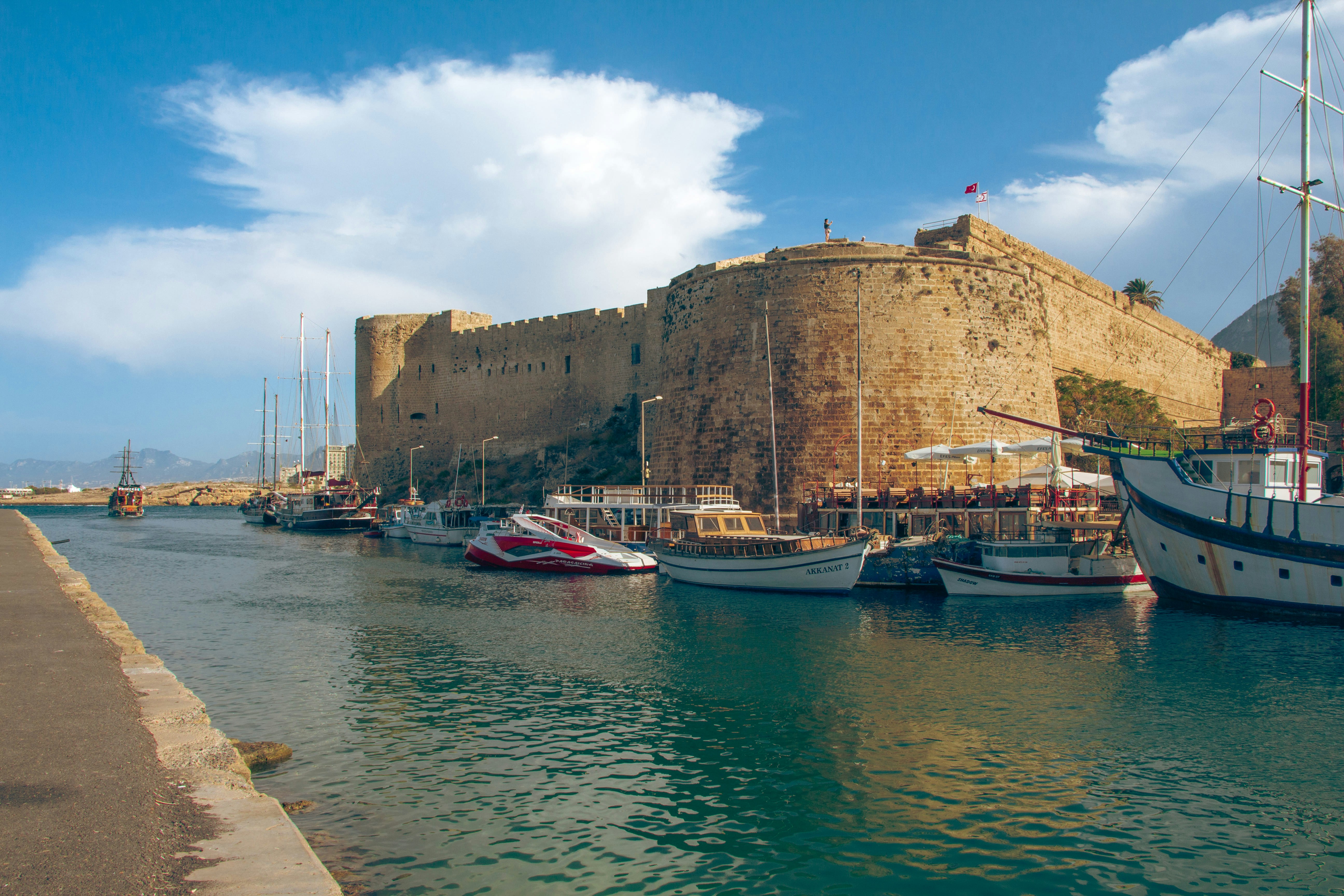
The island’s cuisine blends Turkish, Cypriot, and broader Mediterranean flavors, so your first stop should be a meze table: small plates of hummus, cacık (yogurt-cucumber dip), olives, grilled vegetables, and salads, often served before mains. In local tavernas in Kyrenia’s harbor, a mixed meze for two usually costs 350–500 TRY ($12–17) depending on how many hot dishes and seafood items you add.
For meat lovers, şeftali kebabı is a Northern Cyprus essential: spiced minced meat wrapped in lamb casing, grilled over charcoal and served with salad and flatbread. A portion in a local kebab house in Nicosia (Lefkoşa) generally runs 160–230 TRY ($5–8) in 2026. Another local favorite is molehiya, a slow-cooked stew of jute leaves and meat, perfect if you like rich, comforting flavors.
You’ll also see hellim (halloumi) everywhere—grilled, baked, or in sandwiches—often around 120–200 TRY ($4–7) for a portion. Pair these with traditional sweets like lokma (fried dough with syrup) or şamali (semolina cake) for 40–80 TRY ($1.50–3) from bakeries and dessert cafés.
If you’re tracking which dishes are costing you most, you can snap a photo of each restaurant bill with the Hello app and let AI categorize it as dining, snacks, or coffee automatically.
Street Food vs Restaurants: Prices, Portions, and Where to Eat
Northern Cyprus street food is ideal if you’re on a budget, with filling snacks from 40–100 TRY ($1.50–3.50) in 2026, while casual sit-down restaurants charge 150–250 TRY ($5–8) for mains and mid-range venues closer to 450–700 TRY ($15–23) for full dinners.
In busy areas like Kyrenia’s old town or around university districts in Nicosia, street food keeps locals and students fuelled. You’ll find döner wraps, lahmacun (thin meat-topped flatbread), gözleme (stuffed flatbread), and simit (sesame bread rings). A döner wrap usually costs 80–130 TRY ($3–4.50), and a large lahmacun around 60–110 TRY ($2–4) in 2026.
Lokantas (local canteens) are the next step up—think daily stews, grilled chicken, or baked pasta for 120–200 TRY ($4–7), plus salad and bread. In coastal towns like Famagusta and Morphou (Güzelyurt), simple fish restaurants offer set plates of fried or grilled fish with salad from around 220–300 TRY ($7–10).
Mid-range tavernas and tourist-facing restaurants in harbor areas charge more but still feel reasonable by Western European standards. A three-course dinner (meze, main, dessert) with soft drinks or a glass of wine often lands at 450–700 TRY ($15–23) in 2026. According to the World Tourism Organization, Türkiye and Northern Cyprus have seen steady tourism growth over the past decade, which has pushed prices up in popular coastal spots.
To compare how street snacks vs sit-down dinners are impacting your overall trip budget, you can use Hello’s multi-currency budget tracking to see daily food totals in both TRY and your home currency.
Price Guide and Budget Planning: What Meals Cost in 2026
Most travellers can budget 250–350 TRY ($8–12) per day for simple street food and café meals in Northern Cyprus, or 500–900 TRY ($17–30) per day if you plan to mix casual lunches with nicer seafood dinners in 2026.
Here’s a quick Northern Cyprus food price guide to help you plan:
| Meal Type | Typical Price in 2026 | Approx. USD (2026) | Example |
|---|---|---|---|
| Street snack (simit, lokma) | 40–80 TRY | $1.50–3 | Bakery or street cart |
| Döner / lahmacun | 80–130 TRY | $3–4.50 | Student areas in Nicosia |
| Casual kebab plate | 150–230 TRY | $5–8 | Local lokanta in Kyrenia |
| Café breakfast | 120–220 TRY | $4–7 | Eggs, bread, tea |
| Mid-range dinner (per person) | 450–700 TRY | $15–23 | Harbor taverna with meze |
According to Türkiye’s central bank data, the Turkish lira has been volatile in recent years, so these ranges may shift slightly during your trip and prices can feel lower or higher depending on exchange rate timing. In practice, Northern Cyprus still offers good value compared to many EU destinations.
For a one-week trip with mixed dining—some street food lunches, a few harbor dinners, and daily coffee—you might set aside roughly 3,500–5,500 TRY ($120–190) per person in 2026. The Hello app’s bank statement import (CSV/PDF) and AI categorization make it easy to see exactly how much of your trip spending has gone on restaurants, snacks, and bar tabs.
To stay connected while you hop between cafés and seaside tavernas, an eSIM from Hello for Northern Cyprus lets you check today’s exchange rate and restaurant reviews without hunting for Wi‑Fi.
Dietary Needs and Food Safety: Halal, Vegetarian, and Vegan in Northern Cyprus
Northern Cyprus dining is predominantly halal-friendly, with most local meat dishes prepared according to Islamic dietary rules, and there’s a growing but still limited vegetarian and vegan scene concentrated in larger cities and tourist hubs.
Because Northern Cyprus is closely tied to Turkish culture, halal food is the norm: kebab shops, lokantas, and family restaurants almost always serve halal meat, especially in Nicosia and Kyrenia. Pork is uncommon on traditional menus, though some international hotel restaurants may offer it. When in doubt, you can ask "helal mi?" (Is it halal?) and most staff will understand.
For vegetarian travellers, meze spreads are your best friend—salads, grilled vegetables, cheeses, olives, and dips can easily form a full meal. Many places will happily serve a vegetarian version of popular dishes, swapping meat for legumes or extra vegetables. Expect to pay similar prices to regular meze: around 300–500 TRY ($10–17) for a shared spread.
Vegan options are more limited but not impossible. Plain salads, ezme (spicy tomato dip), tahini-based dishes, and vegetable stews can be vegan, but you’ll need to ask about butter or yogurt. In university neighborhoods and modern cafés, you’re more likely to find plant milks and clearly labeled vegan items.
Food safety is generally good in established restaurants, especially in tourist areas where international visitors are common. According to European food safety reports, Türkiye has made steady improvements in food hygiene standards over the past decade, and similar practices are followed in Northern Cyprus. Stick to busy places with high turnover, drink bottled water if you have a sensitive stomach, and be cautious with raw seafood.
If you get an upset stomach and need to switch to bland foods and pharmacy runs, you can log all those extra expenses in the Hello app with quick voice entries so you don’t lose track while you recover.
Staying Connected, Food Delivery Apps, and Paying the Bill (Plus Tipping)
Most travellers rely on local delivery platforms and card payments at restaurants in Northern Cyprus, with tipping at 5–10% appreciated but not mandatory for casual meals, and a reliable mobile data connection making it much easier to order and navigate.
In the main cities, food delivery apps and local platforms are widely used by residents and students to order kebabs, pizza, and meze from nearby lokantas. While specific apps and coverage can change year to year, you’ll usually find at least one major delivery service operating in Nicosia and Kyrenia; hotels and guesthouses can often recommend which one locals are using at the moment.
Card payments are common in mid-range and tourist-focused restaurants, though small family-run spots and street vendors may be cash-only. It’s wise to keep some Turkish lira on hand for simit carts, market stalls, and rural tavernas.
As for tipping, leaving 5–10% or rounding up the bill is appreciated when service is good, especially in sit-down restaurants. In very casual lokantas or street food spots, tipping is less expected but still welcomed if you enjoyed the experience.
Staying connected while you explore Northern Cyprus’ food scene is much easier with Hello’s eSIM connectivity. With Hello eSIM for Northern Cyprus, you can check updated opening hours, browse delivery menus, look up allergy information, and track spending in the Hello app in real time without hunting for Wi‑Fi.
If you’re dining with friends and splitting meze platters or shared seafood, Hello’s expense splitting tool handles multiple currencies and automatic exchange rates, so everyone pays their fair share without awkward math at the table.
Common Questions: Northern Cyprus Food Guide Q&A
Northern Cyprus food is affordable, heavily influenced by Turkish and Mediterranean flavors, and generally halal, with street food from around 40–100 TRY ($1.50–3.50) and restaurant mains at 150–250 TRY ($5–8), plus plenty of meze and grilled halloumi for vegetarians.
Q: What are the absolute must-try foods in Northern Cyprus? A: Start with a mixed meze spread, şeftali kebabı (local-style grilled kebab), hellim (halloumi) grilled or baked, and a traditional dessert like lokma or şamali. In coastal towns, add fresh grilled fish or calamari to your list.
Q: How much does food cost per day for a typical traveller? A: If you’re mixing street food lunches with simple restaurant dinners, plan around 500–900 TRY ($17–30) per day in 2026. According to UN tourism data, Türkiye and Northern Cyprus continue to attract budget-conscious travellers who rate local food as high value for money.
Q: Is Northern Cyprus food safe, and can I drink the tap water? A: Food in established restaurants is generally safe, especially in popular tourist zones. Tap water quality can vary, so many travellers prefer bottled water, as advised in various regional travel health notices.
Q: Is it easy to eat halal, vegetarian, or vegan? A: Halal is the default in most local restaurants. Vegetarians can thrive on meze and cheese dishes; vegans will need to ask questions but can usually find salads, dips, and vegetable stews, especially in city cafés.
Q: How can I keep track of my food spending on a Northern Cyprus trip? A: Use the Hello app’s AI receipt scanning and multi-currency tracking to log street snacks, restaurant bills, and delivery orders in Turkish lira, then see the totals in your home currency and share costs with friends using expense splitting.
Explore These Destinations
Stay Connected
🇨🇾 eSIM Plans for Northern Cyprus
Make the most of Northern Cyprus
From eSIM connectivity to expense tracking, Hello is the all-in-one companion that keeps your trip stress-free.
Related Articles
Northern Cyprus Safety Guide: Tips for a Safe Trip
Safety tips, health advisories, emergency contacts, common scams, and travel insurance advice for Northern Cyprus.
20 July 2026
Northern Cyprus Visa & Entry Requirements for Singapore Passport Holders
Visa requirements, passport validity, customs allowances, and entry tips for Singapore citizens travelling to Northern Cyprus.
11 July 2026
eSIM for Northern Cyprus: Best Plans, Coverage, and Setup Tips
Everything you need to know about using eSIM in Northern Cyprus. Best data plans, network coverage, and setup instructions.
2 July 2026