Northern Cyprus Safety Guide: Tips for a Safe Trip
Safety tips, health advisories, emergency contacts, common scams, and travel insurance advice for Northern Cyprus.
By Hello Travel Team
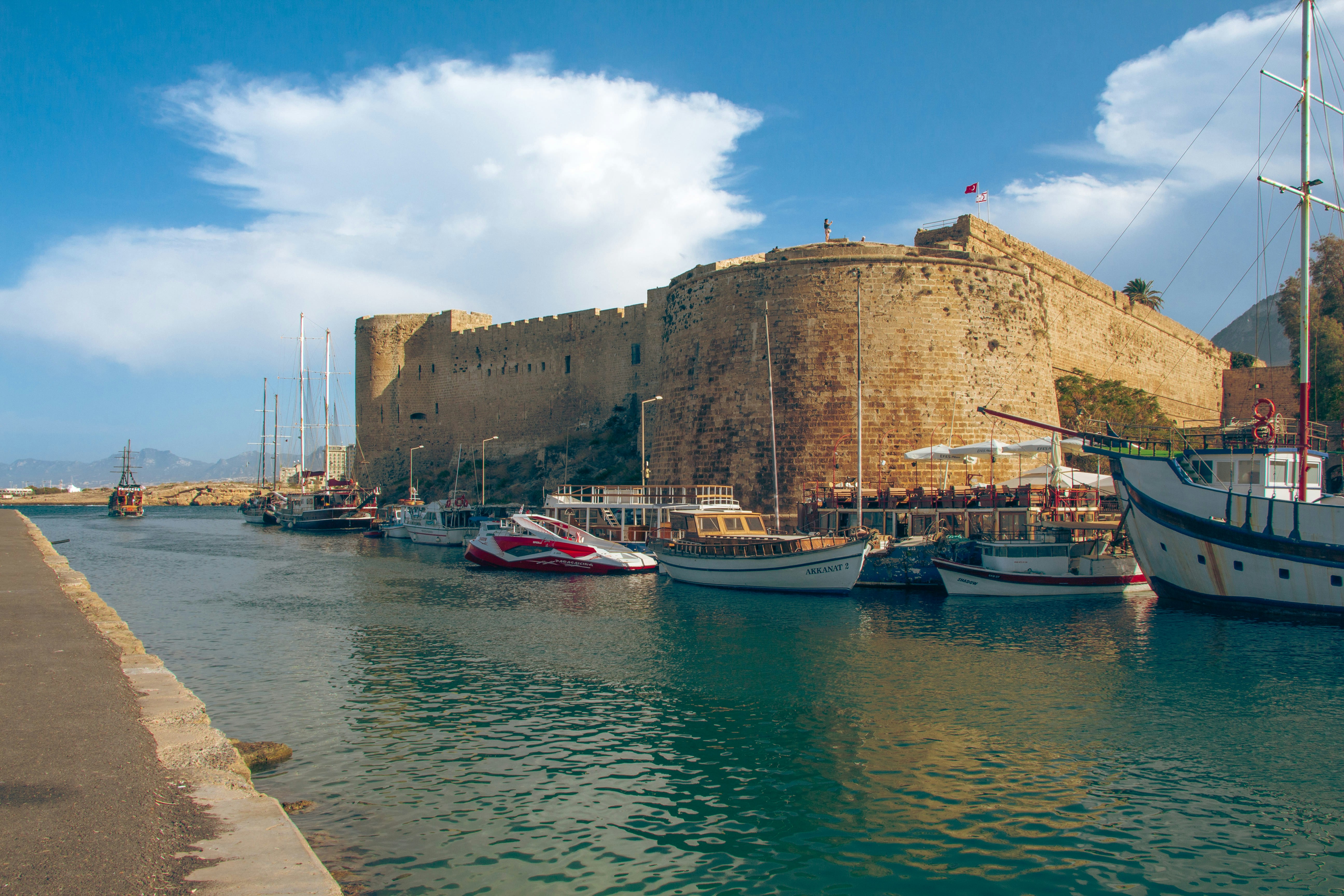
TL;DR: Is Northern Cyprus Safe for Travellers?
Northern Cyprus is generally safe for visitors who use normal precautions, particularly in tourist areas such as Kyrenia, Famagusta and Nicosia. Serious violent crime is uncommon, but road accidents, petty theft, swimming hazards and unclear cross-border logistics deserve attention. Keep valuables discreet, use licensed transport, follow beach warnings and carry comprehensive travel insurance. For emergencies, call 112 or 199 where available; in the north, 155 is commonly used for police and roadside assistance. Singaporeans should also save the Singapore Ministry of Foreign Affairs 24-hour Consular Response Centre at +65 6379 8800 before departure. For a broader destination overview, see the Northern Cyprus travel guide.
Northern Cyprus Travel Safety: Crime, Scams and Everyday Precautions
Northern Cyprus travel safety is usually straightforward: most visitors enjoy a trouble-free holiday, but petty theft, nightlife overcharging and road-related incidents are more realistic concerns than serious crime. Keep your passport, phone and wallet secure in crowded streets, ferry terminals, markets and nightlife districts, and avoid displaying large amounts of cash.
Common Northern Cyprus scams include inflated taxi fares, unofficial currency conversions, card-payment disputes, misleading restaurant bills and casino-related pressure to spend more. Reduce the risk by agreeing on a taxi fare before departure, checking menus for prices, reviewing card receipts and using ATMs attached to reputable banks. Never hand over your passport as security for a rental vehicle or activity; show it when legally required and keep a photocopy separately.
Driving requires particular care. Traffic drives on the left, mountain roads can be narrow, and local driving styles may feel unpredictable. Check exactly what your rental insurance covers, photograph the vehicle before leaving and avoid driving after drinking. Crossings between north and south Cyprus can involve document, vehicle and insurance restrictions, so confirm the latest rules before planning a day trip.
Northern Cyprus Emergency Numbers and Singapore Consular Help
Save emergency contacts before arrival because mobile coverage, language barriers and border arrangements can complicate a stressful situation. Cyprus-wide guidance identifies 112 as the general emergency number, while 199 is also used for police, fire and ambulance services in the Republic of Cyprus. In Northern Cyprus, 155 is commonly listed for police or emergency roadside assistance; ask your hotel to confirm the appropriate local number for your location.
| Situation | Number or action |
|---|---|
| General emergency | 112 |
| Police, fire or ambulance in Cyprus systems | 199 |
| Northern Cyprus police or roadside assistance | 155 |
| Singapore consular assistance | MFA 24-hour line: +65 6379 8800 |
| Immediate danger | Move to a staffed public place and ask hotel or police for help |
For Singaporeans, Northern Cyprus does not have a Singapore diplomatic mission, so check the Singapore MFA Cyprus advisory before travelling for the latest arrangements and nearest diplomatic support. Save your insurer’s emergency-assistance number, accommodation address and passport details offline. If you lose your passport, report it promptly to local police and contact Singapore’s MFA for guidance on replacement travel documents.
Northern Cyprus Health Advice: Vaccinations, Water and Sea Safety
Most travellers need no special medical preparation beyond routine vaccinations, sensible food and water precautions, and protection from Cyprus’s strong sun. The CDC recommends hepatitis A vaccination for unvaccinated travellers visiting Cyprus and advises seeing a healthcare professional at least a month before departure. Ensure routine protection such as MMR, tetanus, diphtheria, pertussis, polio and seasonal influenza is current; discuss hepatitis B, rabies or other vaccines according to your itinerary and activities.
Tap-water quality and taste can vary by accommodation and locality. Bottled water is the simplest choice if you are uncertain, and avoid ice when its source is unclear. Wash produce, choose busy food venues with good turnover and carry oral rehydration salts for stomach illness. Use high-factor sunscreen, drink water regularly and avoid strenuous hikes during the hottest part of the day.
Swim only at designated beaches, obey lifeguard flags and never dive into unfamiliar water. Coastal conditions can change quickly, while cliffs and rocky shorelines create fall hazards. Wear water shoes where appropriate and use a life jacket for boating. Travellers with chronic conditions should bring prescriptions in original packaging and confirm how to access private medical care before arrival.
Solo Female and LGBTQ+ Travel Safety in Northern Cyprus
Solo female travellers and LGBTQ+ visitors can generally explore Northern Cyprus safely by choosing reputable accommodation, using licensed transport and applying extra awareness after dark. Kyrenia’s central areas, established resorts and busy restaurant districts are usually easier for independent travellers than isolated beaches, unlit mountain roads or unfamiliar nightlife venues.
Share your itinerary with someone at home, avoid accepting drinks from strangers and arrange a hotel taxi rather than walking alone through quiet areas late at night. Keep emergency contacts and accommodation details in your phone and on paper. If someone behaves aggressively, move into a hotel, restaurant or shop and ask staff to call police.
LGBTQ+ travellers may find attitudes more conservative outside tourist centres, particularly in some religious or rural settings. Public displays of affection can attract unwanted attention, so use personal judgement and prioritise comfort over confrontation. Book accommodation with recent reviews, check its location before paying and confirm whether staff are accustomed to international guests. These precautions are practical risk management rather than a reason to avoid the destination.
Travel Insurance and Staying Connected in Northern Cyprus
Comprehensive travel insurance is strongly recommended because medical treatment, evacuation, rental-car damage and missed connections can become expensive, while coverage across Cyprus may vary by territory and border crossing. Choose a policy that explicitly covers Northern Cyprus, emergency medical care, hospitalisation, repatriation or evacuation, baggage theft, personal liability and activities such as hiking, boating or diving.
Check exclusions carefully. Many policies exclude driving without the correct licence, motorbike incidents, alcohol-related claims, unattended belongings and pre-existing conditions that were not declared. Keep the policy number, assistance telephone number and claim instructions offline. A private clinic consultation may cost less than a hospital admission, but prices vary; do not rely on insurance reimbursement without confirming the process first.
Reliable mobile data helps with maps, translation, bookings and emergency calls. Before departure, travellers can buy and activate Hello eSIM for Northern Cyprus and arrive connected, subject to device compatibility and local network availability. Hello also supports expense splitting and multi-currency budget tracking, useful when sharing rental cars, meals or excursions with friends. Keep some Turkish lira available, and check card receipts before leaving any venue.
Common Questions About Northern Cyprus Safety
Northern Cyprus is generally safe for tourists, but visitors should take normal precautions, drive defensively, protect valuables and check current crossing, health and insurance rules. The most useful preparation is saving emergency numbers, arranging suitable insurance and keeping offline copies of important documents.
Is Northern Cyprus safe for solo travellers? Yes, especially in established tourist areas during daylight. Choose well-reviewed accommodation, share your plans, use licensed taxis and avoid isolated roads or beaches at night.
What are the Northern Cyprus emergency numbers? Call 112 for general emergencies where available. Cyprus guidance also lists 199 for emergency services, while 155 is commonly used for police or roadside assistance in Northern Cyprus. Ask local accommodation staff to confirm the correct number for your exact location.
Is tap water safe in Northern Cyprus? Water standards and taste can vary. Bottled water is a practical option when you are unsure, and travellers should avoid ice or untreated water from uncertain sources.
What should Singaporeans do in an emergency? Call local emergency services first, then contact Singapore’s MFA 24-hour Consular Response Centre at +65 6379 8800. Carry passport copies and check the MFA Cyprus advisory before travel.
Do I need travel insurance? Yes. Select coverage that explicitly includes Northern Cyprus, medical evacuation, personal liability, cancellation, baggage and planned activities.
Explore These Destinations
Stay Connected
🇨🇾 eSIM Plans for Northern Cyprus
Ready for Northern Cyprus?
eSIM data, expense splitting, budget tracking, and more. Everything you need for a smooth trip in one app.
Related Articles
Northern Cyprus Visa & Entry Requirements for Singapore Passport Holders
Visa requirements, passport validity, customs allowances, and entry tips for Singapore citizens travelling to Northern Cyprus.
11 July 2026
eSIM for Northern Cyprus: Best Plans, Coverage, and Setup Tips
Everything you need to know about using eSIM in Northern Cyprus. Best data plans, network coverage, and setup instructions.
2 July 2026
Northern Cyprus in 10 Days: The Ultimate Travel Itinerary
A comprehensive 10-day itinerary for Northern Cyprus covering top attractions, hidden gems, daily costs, and transport between cities.
22 June 2026