Northern Cyprus Cultural Guide: Etiquette, Customs, and Tips
Essential do's and don'ts, greeting customs, dress codes, local phrases, and cultural tips for Northern Cyprus.
By Hello Travel Team
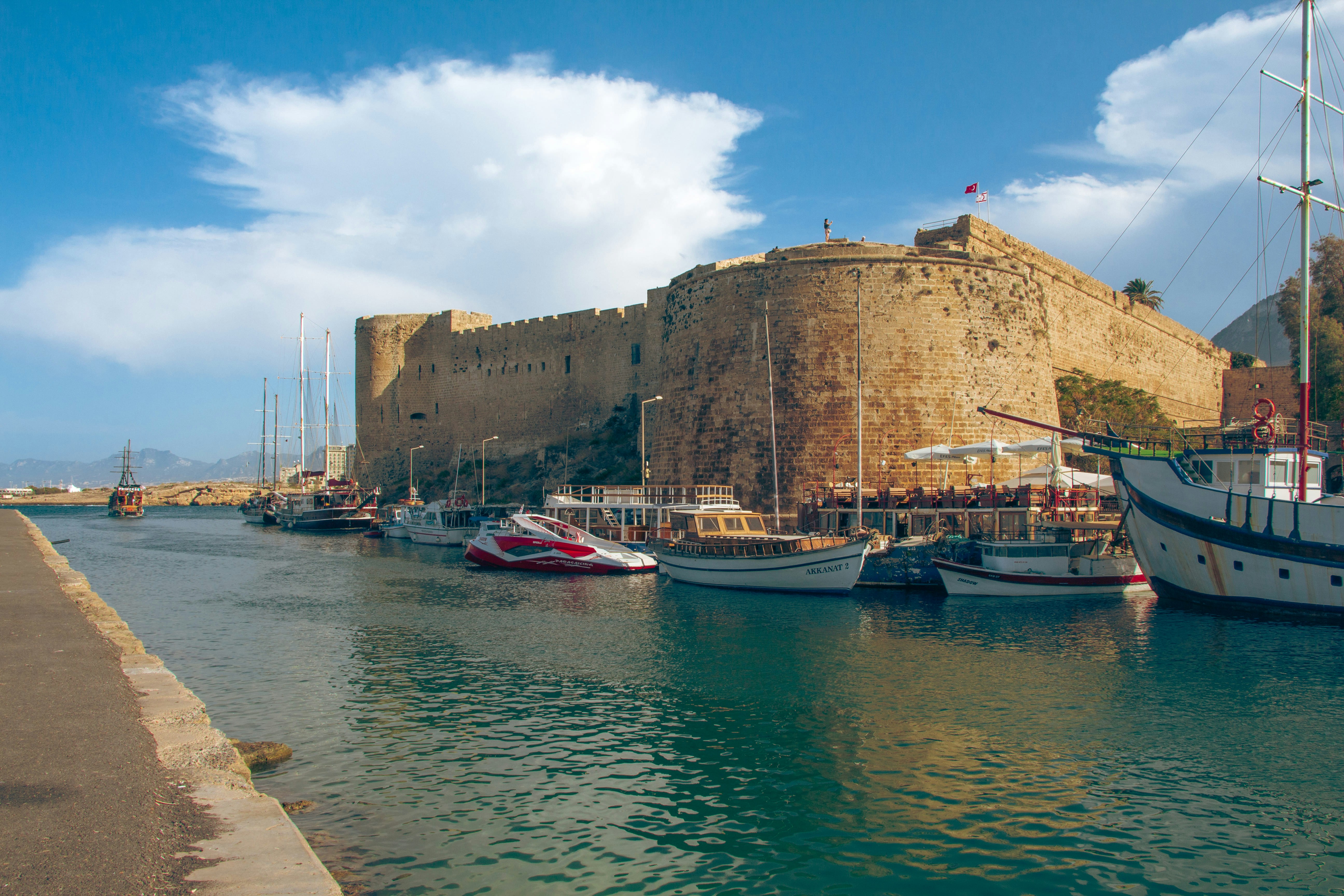
TL;DR: Northern Cyprus Culture, Etiquette, and Travel Basics
Northern Cyprus is generally warm, relaxed, and hospitable, but the most respectful visitors are the ones who dress modestly in religious spaces, greet people politely, and avoid rushing social interactions. If you follow a few simple Northern Cyprus etiquette rules, you will fit in comfortably and make everyday encounters much smoother.
Northern Cyprus Etiquette: Greetings, Respect, and Everyday Do’s and Don’ts
The best way to navigate Northern Cyprus customs is to be polite, punctual enough for business, and flexible in social settings. A handshake is a safe first greeting in most professional situations, while close friends and family may exchange cheek kisses; wait for the other person to lead. In conversations, it is courteous to use titles and last names at first, especially with older people or officials. Small talk matters, and asking about someone’s family, health, or journey is common before getting to business.
Do keep your voice calm in public, remove your shoes when entering a home if invited, and accept tea if offered—it is a standard sign of hospitality. Don’t point the soles of your feet toward people, interrupt elders, or assume everyone wants a fast, transactional interaction. In markets and local shops, a friendly greeting goes a long way.
If you are traveling with friends, Hello’s expense splitting and budget tracking tools can make shared taxis, meals, and day trips easier to manage without awkward money conversations. For staying connected on arrival, an eSIM from Hello is a practical way to have data ready before you land, especially if you need maps, translations, or reservation access on the move.
Dress Codes in Northern Cyprus: What to Wear at Mosques, Villages, and Beach Areas
The safest dress approach in Northern Cyprus culture is smart-casual and modest, with extra coverage for religious sites and rural areas. In coastal towns and beach resorts, shorts and sleeveless tops are common, but away from the waterfront—especially in villages, government offices, or family-run restaurants—more conservative clothing is better received. Lightweight fabrics help in the summer heat, which often climbs into the low 30s °C (mid-80s °F) in peak season.
At mosques and other religious sites, dress modestly: shoulders and knees should be covered, and women may be asked to cover their hair in some places. Men should avoid sleeveless tops and very short shorts. Carrying a scarf or light wrap is a practical option for women, and easy slip-on shoes are helpful because you may need to remove them before entering prayer areas.
Here’s a simple reference for common settings:
| Setting | What to wear | Notes |
|---|---|---|
| Beach areas | Swimwear, cover-up for walking | Avoid wearing only swimwear away from the beach |
| Town centers | Casual clothes, covered shoulders preferred | Cleaner, neater outfits are appreciated |
| Mosques | Modest clothing, covered shoulders and knees | Hair covering may be requested |
| Village visits | Conservative, comfortable clothing | Dress more modestly than in resort areas |
If you’re planning a multi-stop trip, the Northern Cyprus destination guide is a useful companion for matching outfits to the places you’ll actually visit.
Local Phrases, Communication Style, and Business Etiquette in Northern Cyprus
A few basic words in Turkish can make a noticeable difference, because even simple attempts to speak locally are appreciated. For travel conversations, start with Merhaba (hello), Teşekkür ederim (thank you), Lütfen (please), Evet/Hayır (yes/no), and Ne kadar? (how much?). In service settings, polite tones matter more than perfect pronunciation, and people are usually patient with visitors who try.
Business etiquette in Northern Cyprus tends to be respectful but not overly formal. Meetings may begin with conversation before moving to the agenda, and eye contact plus a firm handshake are standard. Be on time, but expect some flexibility in pace and scheduling. If you are invited to a café or office, accept tea or coffee if offered—it is often part of relationship-building rather than a distraction.
Useful phrases for travelers:
- Merhaba — Hello
- Teşekkür ederim — Thank you
- Lütfen — Please
- Afedersiniz — Excuse me / Sorry
- Ne kadar? — How much?
- Tuvalet nerede? — Where is the toilet?
For travelers who need to look up translations, addresses, or meeting details on the go, Hello eSIM for Northern Cyprus can help you stay connected without hunting for Wi‑Fi as soon as you arrive.
Photography Rules, Religious-Site Etiquette, and Gift-Giving Customs
The most important photography rule in Northern Cyprus etiquette is simple: ask before photographing people, especially elders, market vendors, and anyone in a religious or private setting. Many locals are friendly, but not everyone wants to be photographed, and permission is especially important in mosques, ceremonies, and small family businesses. If you are unsure, a smile and a hand gesture toward your camera usually makes your intention clear.
For religious sites, be discreet and follow posted signs or staff instructions. Avoid flash in interiors, keep your voice low, and do not photograph worshippers during prayer unless you have explicit permission. In historic or archaeological areas, such as older town centers or castles, photography is usually fine, but drones and commercial equipment may require permission.
Gift-giving is not a major part of short visits, but small gestures matter when you are invited into someone’s home. Good options include sweets, pastries, or a modest souvenir from your home country. Avoid giving overly expensive gifts too early, because that can feel uncomfortable in a casual setting. If a host offers tea, coffee, or a snack, accepting is often the best gift you can return.
A practical travel note: many local shops and taxis still prefer cash, and daily life moves at a human pace. If you’re sharing costs with friends, Hello’s budget tracking and expense splitting can help keep the trip friendly and organized without repeated math at the end of the day.
Northern Cyprus Customs, Holidays, and Travel Planning Tips by Season
The easiest way to avoid surprises in Northern Cyprus customs is to check holiday dates before you book transport, museum visits, or restaurant reservations. Official holidays and religious observances can affect opening hours, traffic, and the availability of services, especially around Ramadan, Bayram celebrations, and national commemorations. During holiday periods, some businesses shorten hours or close entirely, while family gatherings may make coastal roads and town centers busier than expected.
For planning purposes, it helps to remember that summer is the busiest travel season and also the hottest, with beach weather drawing more visitors to Kyrenia/Girne, Famagusta, and surrounding coastal areas. Spring and autumn are usually the most comfortable times for sightseeing, especially if you plan to visit castles, monasteries, or hillside villages. A taxi ride within town may be affordable, but longer scenic transfers add up quickly, so budgeting matters.
Before you go, build in flexibility for:
- Holiday closures at museums, small shops, and restaurants
- Heat-related schedule changes in midsummer
- Reduced public transport frequency in some areas
- Longer lunch breaks in smaller towns
If you need reliable data for maps, restaurant searches, or last-minute schedule changes, an eSIM from Hello is a useful way to arrive prepared. For deeper trip planning, the Northern Cyprus destination page pairs well with practical connectivity and budgeting tools.
Common Questions About Northern Cyprus Culture and Etiquette
What is the most important Northern Cyprus etiquette rule for visitors? The key rule is to be respectful, modest, and patient: greet people politely, dress appropriately for the setting, and ask before photographing people or entering sensitive spaces.
Is tipping expected in Northern Cyprus? Tipping is appreciated rather than strictly required, and small amounts for good service are usually enough in cafés, restaurants, and taxis.
What should I wear to a mosque or religious site? Wear clothing that covers your shoulders and knees, and bring a scarf if you may need to cover your hair in a mosque.
Can I use English in Northern Cyprus? English is commonly understood in many tourist areas, but learning a few Turkish phrases shows respect and often improves service interactions.
Are holidays important for travel planning? Yes. Religious holidays and public commemorations can change opening hours, so it is wise to check ahead before booking tours or timing transfers.
What should I bring if I’m visiting someone’s home? A small sweet treat, pastries, or a modest souvenir is usually appreciated, and accepting tea is a polite way to participate in hospitality.
Explore These Destinations
Stay Connected
🇨🇾 eSIM Plans for Northern Cyprus
Make the most of Northern Cyprus
From eSIM connectivity to expense tracking, Hello is the all-in-one companion that keeps your trip stress-free.
Related Articles
Northern Cyprus Safety Guide: Tips for a Safe Trip
Safety tips, health advisories, emergency contacts, common scams, and travel insurance advice for Northern Cyprus.
20 July 2026
Northern Cyprus Visa & Entry Requirements for Singapore Passport Holders
Visa requirements, passport validity, customs allowances, and entry tips for Singapore citizens travelling to Northern Cyprus.
11 July 2026
eSIM for Northern Cyprus: Best Plans, Coverage, and Setup Tips
Everything you need to know about using eSIM in Northern Cyprus. Best data plans, network coverage, and setup instructions.
2 July 2026