3 Days in Nauru: A Day-by-Day Itinerary
A detailed 3-day itinerary for Nauru with daily activities, costs, neighborhoods, and transport tips.
By Hello Travel Team
This article contains affiliate links. If you book through them, Hello may earn a commission at no additional cost to you. Our editorial recommendations are independent. Learn more.
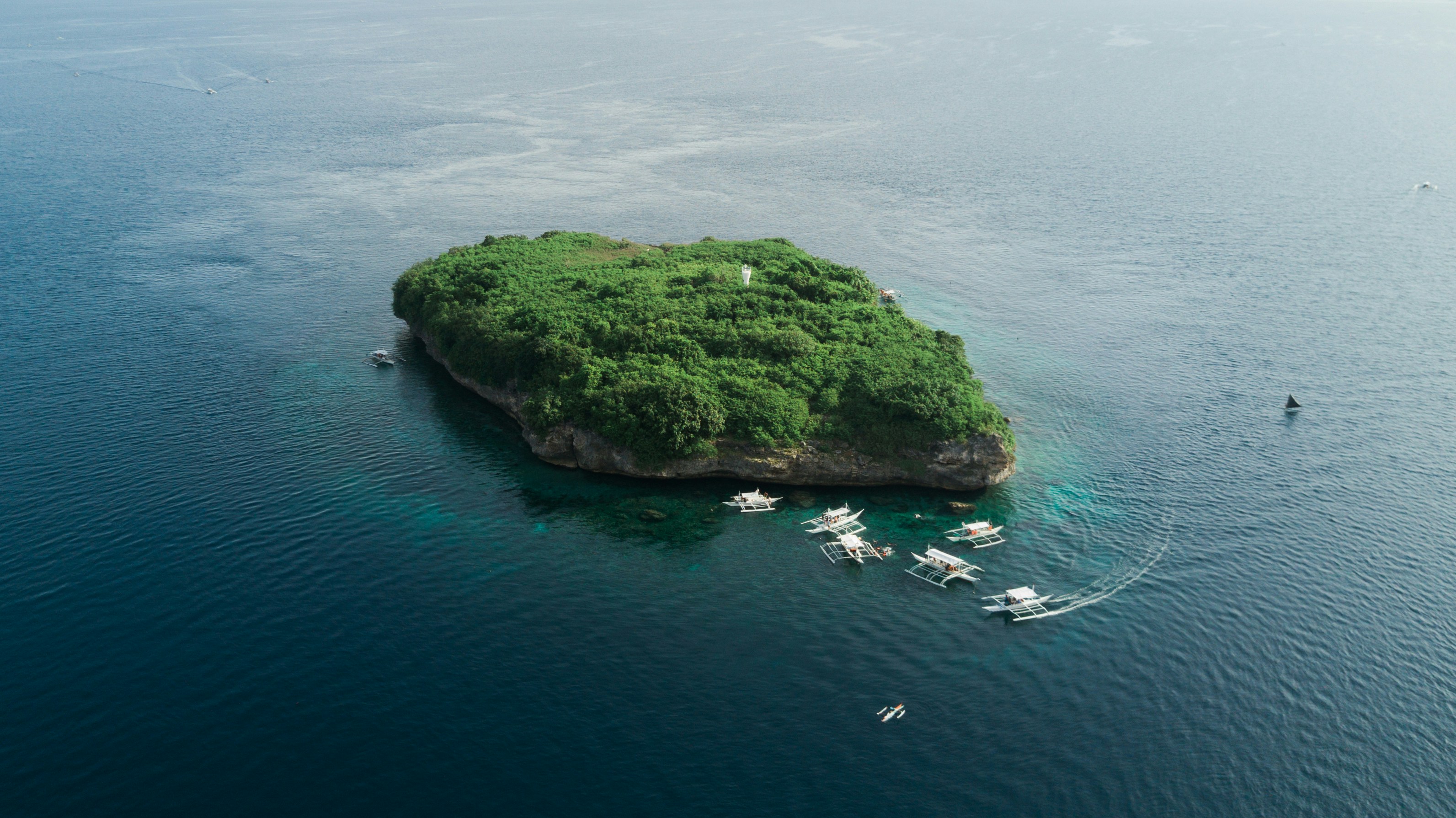
- 1
Arrival, Ring Road Drive & WWII Sites
- MorningAirport transfer to hotel (Aiwo/Yaren area)~$15
- MorningBrunch at hotel or local café~$12
- MiddayCar rental pickup and fuel for the day~$60
- AfternoonCoastal ring road drive with beach and WWII stops
- EveningSunset dinner by the sea (hotel restaurant)~$25
YarenAiwoMenenAnibareStay near Aiwo or Yaren for easy access to Nauru International Airport. Rent a car for ~US$60 per day to drive the 19 km ring road; fuel for the day is around US$15–20.
Budget$90Mid-range$150Luxury$280 - 2
Buada Lagoon, Phosphate Plateau & Command Ridge
- MorningHotel breakfast~$14
- MorningDrive to and walk around Buada Lagoon
- AfternoonCasual lunch at roadside eatery~$10
- AfternoonExplore phosphate plateau and Command Ridge viewpoints
- EveningDinner at local restaurant or hotel~$22
BuadaInterior PlateauCommand Ridge areaAiwoYarenUse the same rental car to reach Buada Lagoon and the interior roads. Distances are short, but road surfaces inland can be rough—drive slowly and avoid night driving.
Budget$60Mid-range$100Luxury$190 - 3
Anibare Bay, Cafes, Souvenirs & Departure
- MorningEarly swim and photos at Anibare Bay
- MorningTaxi or fuel costs to reach Anibare Bay~$12
- AfternoonLunch at café or hotel restaurant~$18
- AfternoonSouvenir and snack shopping~$15
- EveningAirport transfer for departure~$15
AnibareAiwoYarenReturn your rental car or arrange a taxi/transfer to the airport. Most hotels are 10–15 minutes from Nauru International Airport; allow extra time if flying on the limited regional connections.
Budget$55Mid-range$90Luxury$180
Trip Summary
Trip starter
Turn this 3-day itinerary into a Hello trip
Start with a prefilled trip for Nauru, then add dates, invite friends, track expenses, and pick an eSIM before you land.
Name and destination carried into the app.
Split costs and settle up during the trip.
Choose data for the destination before departure.
TL;DR: The Perfect 3-Day Nauru Itinerary & Budget Snapshot
A 3-day Nauru itinerary is enough to drive the full coastal ring road, explore WWII relics, hike the rugged phosphate interior, and swim in crystal-clear bays while still keeping things relaxed. You’ll base yourself in Aiwo or Yaren, loop the island by car, and keep costs predictable with the Hello app.
Nauru is one of the world’s least visited countries, with under 200 tourists per year reported by regional tourism studies in the early 2020s, so expect a quiet, local experience rather than big-resort tourism. Most stays are centered around the southwest coast near Aiwo, Yaren, and Menen, just a short drive from Nauru International Airport.
For your Nauru 3 day itinerary, plan on:
- Day 1: Coastal ring road drive, WWII sites, sunset by the ocean
- Day 2: Buada Lagoon, phosphate plateau, Command Ridge viewpoints
- Day 3: Swimming, local culture, last-minute photo stops and cafes
As of 2026, simple guesthouses start around US$60–80 per night, mid-range hotels near US$120–150, and top rooms or suites about US$200–250. Meals at local eateries run US$8–15 and hotel restaurants US$15–25 per person.
Use the Hello app to set a trip budget, log cash expenses in Australian dollars (Nauru uses AUD), and split costs if you’re traveling with friends. An eSIM from Hello means you arrive connected, check your hotel location instantly, and navigate the ring road without worrying about finding a local SIM.
Day 1 Nauru Itinerary: Coastal Ring Road & WWII History
Day 1 in Nauru is best spent driving the island’s 19 km ring road, stopping at beaches and WWII relics, then ending with a sunset dinner on the southwest coast. You’ll mostly stay near Aiwo and Yaren, just a few minutes’ drive from Nauru International Airport.
Morning (Arrival & Settling In)
Most flights to Nauru arrive via Nauru from hubs like Brisbane or Fiji a few times per week, according to regional airline schedules. After landing in Yaren District, take a hotel shuttle or pre-booked car – budget A$15–25 per vehicle for the short 10–15 minute transfer. Check into your hotel in Aiwo, Menen, or Yaren.
Grab a simple brunch of toast, eggs, and coffee at your hotel or a small café for about A$10–15 per person in 2026. Turn on your Hello eSIM for Nauru (purchased in advance via the app) so you can pull up maps, confirm bookings, and message home without hunting for Wi‑Fi.
Afternoon (Ring Road Drive & WWII Relics)
Rent a car from a local operator near Aiwo or the airport – expect A$60–80 per day including basic insurance. Drive clockwise along the coastal road, stopping at:
- Anibare Bay for photos of one of the island’s prettiest beaches
- Japanese WWII bunkers and pillboxes, scattered mainly along the northeast coast
- Small villages where you can pick up snacks and cold drinks (A$3–5)
Fuel for the day will be roughly A$20–30 for a full loop, given the island’s compact size.
Evening (Sunset & Dinner by the Sea)
Aim to be back on the southwest coast for sunset over the Pacific. Enjoy dinner at a hotel restaurant in Aiwo or Menen – fish, rice, and local-style dishes run A$20–30 per person with a drink. Use the Hello app’s AI receipt scanner to snap your dinner bill and see how you’re tracking against your day-one budget.
Estimated Day 1 Spend (per person, excluding flights)
- Budget: A$90–110 (guesthouse, shared car, simple meals)
- Mid-range: A$150–190 (mid hotel, car hire, restaurant dinner)
- Luxury: A$260–320 (top hotel, private driver at ~A$120/day, premium meals)
Day 2 Nauru 3 Day Itinerary: Buada Lagoon, Phosphate Plateau & Command Ridge
Day 2 in Nauru focuses on the island’s rugged interior: tranquil Buada Lagoon, the scarred phosphate fields, and panoramic views from Command Ridge. You’ll spend more time off the coast, so having your own car and offline maps is especially useful today.
Morning (Buada Lagoon & Village Life)
Start with breakfast at your hotel (often A$12–18 per person for a buffet or cooked plate). By 9:00 am, drive inland from Aiwo or Yaren toward Buada Lagoon, Nauru’s only inland body of water, ringed by coconut palms and simple houses.
Spend 1–2 hours walking around the lagoon, greeting locals with a friendly smile or simple "hello" – English and Nauruan are widely spoken. Dress modestly (shoulders and knees covered) out of respect for local customs, especially when passing homes. Bring water and sun protection; mid-morning temperatures can easily pass 28–30°C, according to Pacific climate data.
Afternoon (Phosphate Fields & Command Ridge)
After a quick roadside lunch or take-away from a small eatery (A$8–12 for fried rice, noodles, or chicken and chips), continue into the interior’s former phosphate mining areas. Much of the plateau is jagged limestone pinnacles, illustrating how intensely the island was mined during the 20th century.
Drive or walk up to Command Ridge, the island’s highest point at around 65 meters above sea level, where remnants of Japanese WWII installations remain, as documented by Pacific war history surveys. On a clear day you’ll get sweeping views over the entire island and the ocean.
Evening (Local Dinner & Night Sky)
Head back to the coast by late afternoon. Try a more local-style dinner spot if your accommodation or taxi driver can recommend one – budget A$15–25 for a meal with soft drink. Later, walk along the seafront and look up; with very little light pollution and such a small population (about 12,000 residents, per UN estimates), Nauru often has excellent star visibility.
Log today’s fuel, lunch, and dinner in the Hello app using voice expense entry – it’s an easy way to keep your Nauru travel plan on budget without spreadsheets.
Estimated Day 2 Spend (per person, excluding accommodation)
- Budget: A$50–70 (self-drive, simple meals)
- Mid-range: A$80–110 (restaurant lunch/dinner, extra snacks)
- Luxury: A$150–200 (private guide at ~A$80–100, nicer meals, extra stops)
Day 3 Nauru Travel Plan: Beaches, Swimming & Last-Minute Exploring
Day 3 in Nauru is ideal for a relaxed coast-hopping day: swim in calm bays, photograph the jagged limestone shoreline, revisit favorite viewpoints, and pick up any last-minute souvenirs or snacks before your departure.
Morning (Anibare Bay Swim & Coastal Photos)
If you didn’t swim yet, start early at Anibare Bay on the island’s east side, often considered Nauru’s most attractive stretch of coastline in regional travel reports. Pack reef-safe sunscreen, a hat, and drinking water. A local taxi from Aiwo to Anibare might cost A$10–15 each way, while using your rental car only adds a bit of fuel.
The bay’s sandy sections and palm trees make it perfect for relaxed photos. There are no full-scale beach clubs, but you may find small local stalls selling drinks or snacks for A$3–6. Always check the water conditions with locals before swimming, and avoid sharp coral and strong currents.
Afternoon (Cafes, Souvenirs & Church Visit)
Head back toward Aiwo or Yaren and stop at a café or hotel restaurant for lunch (A$15–20 per person in 2026). Then visit a small store to pick up snacks, local crafts, or island T‑shirts – budget A$10–25 depending on how much you like souvenirs.
If your visit overlaps with a Sunday or religious holiday, and you’re comfortable, consider quietly attending or observing a church service, which plays a central social role in many Pacific island communities. Dress modestly and avoid photography inside unless clearly welcomed.
Evening (Departure or Final Sunset)
Many travelers depart on Day 3, so allow plenty of time to reach Nauru International Airport (10–15 minutes by car from most hotels). Airport transfers generally cost A$15–25 per vehicle.
Before you leave, open the Hello app to:
- View your total trip spend in AUD and your home currency
- Split costs with friends using automatic exchange rates
- Save your Nauru trip as a template for future planning
Estimated Day 3 Spend (per person, excluding accommodation)
- Budget: A$40–60 (simple meals, minimal taxis)
- Mid-range: A$70–100 (extra taxis, café time, souvenirs)
- Luxury: A$140–200 (late checkout fees, premium dining, generous souvenir budget)
Costs, Daily Budgets & Transport: Your Nauru Trip Planner in One Place
A realistic 3-day Nauru budget ranges from around US$150–200 for very frugal travelers to US$700–900 for comfort-focused visitors, excluding flights. The biggest variables are accommodation type and whether you rent a car or rely on taxis and hotel transport.
Typical Cost Ranges in 2026 (per person)
| Category | Budget (US$) | Mid-range (US$) | Luxury (US$) |
|---|---|---|---|
| Accommodation (per night) | 40–55 (guesthouse/shared) | 80–110 (hotel room) | 130–180 (suite/top room) |
| Meals (per day) | 20–30 (local eateries) | 35–55 (mix of local & hotel) | 60–90 (hotel/room service) |
| Transport (per day) | 10–20 (share taxis) | 40–60 (car hire split) | 80–140 (private driver) |
| Activities & misc. | 5–15 | 15–30 | 30–60 |
Using these ranges, a 3-day Nauru itinerary (excluding flights) typically comes to:
- Budget: about US$150–220 total
- Mid-range: about US$350–500 total
- Luxury: about US$750–900 total
According to UN tourism statistics, small Pacific island nations receive a tiny fraction of global visitor numbers (under 2% of worldwide arrivals), which is reflected in Nauru’s limited but simple tourism infrastructure. That means fewer paid attractions and more self-guided exploring, keeping activity costs modest but also requiring more planning.
For transport, the island’s 19 km coastal ring road is fully paved, and you can drive the whole loop in under an hour without stops. Budget roughly A$60–80 per day for a rental car, or A$10–20 per short taxi ride if available. Some hotels offer informal transfers; always confirm prices in advance.
Use the Hello app’s multi-currency budget tracking to set a total trip limit in your home currency, then record expenses in Australian dollars (Nauru’s currency) with automatic exchange rate conversion. That way, your Nauru itinerary stays aligned with your overall travel budget across Nauru and other Pacific stops.
Connectivity, Money & Practical Tips for 3 Days in Nauru
Planning ahead for connectivity, cash, and cultural norms will make your Nauru 3 day itinerary smoother, especially since tourism infrastructure here is still very low-key. Treat Nauru as a remote island stop where self-sufficiency and offline backup plans are essential.
Connectivity & Hello eSIM
Mobile coverage is concentrated around the coast and more populated districts. Buy and activate a Hello eSIM for Nauru before flying so your phone connects as soon as you land at Nauru International Airport. Plans start from 5 GB with live pricing in the app, and you can tether data to your laptop if you need to work while traveling.
With a connection from Hello eSIM, download offline maps of the island, save your hotel location, and keep digital copies of your passport, insurance, and flight details. This is especially useful because public Wi‑Fi is not widespread and hotel connections can be slow.
Money & Payments
Nauru uses the Australian dollar (AUD). ATMs and card acceptance are limited, so arrive with enough cash for a few days. According to regional banking reports on small Pacific islands, outages and cash shortages can happen, so keep a mix of small and larger notes.
Use the Hello app to:
- Scan receipts in any currency with AI and store them in one place
- Import a bank statement later and match it to your Nauru expenses
- Split shared car rentals, hotel rooms, and meals with friends in multiple currencies
Local Etiquette & Safety
Dress modestly away from the beach, especially near villages and churches. Always ask before photographing people or private property. Violent crime is rare, but as in any small community, respectful behavior and sober driving are essential.
Pack strong sun protection, a reusable water bottle, and reef-safe sunscreen; Pacific climate data show high UV indexes year-round across equatorial islands like Nauru.
Common Questions About a 3-Day Nauru Itinerary
Three days is usually enough to circle Nauru, visit its key inland sites, and still relax by the ocean, making it a realistic stop on a wider Pacific trip. This Q&A-style section answers the most common planning questions for a Nauru 3 day itinerary.
Q1: Is 3 days enough time in Nauru?
Yes. With only 21 square kilometers of land area, according to UN geographic data, Nauru is one of the world’s smallest countries. Three days lets you drive the ring road, see WWII sites, explore Buada Lagoon and Command Ridge, and enjoy at least one full beach day.
Q2: How much should I budget for 3 days (excluding flights)?
Most travelers spend US$150–220 on a tight budget, US$350–500 for mid-range comfort, or up to US$700–900 if choosing the best rooms and private drivers. The Hello app can help you test different scenarios in your Nauru trip planner and keep track in real time.
Q3: Do I need a car, or can I use taxis?
A rental car makes the most of your time. Expect A$60–80 per day. Taxis or informal lifts may be available but are not as predictable as in larger destinations, so consider a car essential for independent travel.
Q4: Is Nauru safe for solo travelers?
Nauru has a small population (about 12,000 people) and a reputation for being generally calm and community-oriented, per Pacific Islands regional reports. Usual common-sense precautions apply: secure valuables, avoid walking on unlit roads late at night, and respect local customs.
Q5: How do I stay connected?
There’s limited Wi‑Fi, so it’s best to arrive with an eSIM from Hello already installed. You can purchase it through the Hello app before departure, and data activates as soon as you land, which is ideal for maps, messaging, and expense tracking.
Q6: Where should I stay?
Most visitors stay near Aiwo, Menen, or Yaren on the southwest and southeast coasts to stay close to the airport, small shops, and seafront views. This also minimizes transport costs and makes ring road drives easy.
Explore These Destinations
Book this trip
Compare options on trusted travel sites
Plan stays for this trip
Continue to a reviewed booking partner to check current property details and terms.

Make the most of Nauru
From eSIM connectivity to expense tracking, Hello is the all-in-one companion that keeps your trip stress-free.
Related Articles
Nauru Safety Guide: Tips for a Safe Trip
Safety tips, health advisories, emergency contacts, common scams, and travel insurance advice for Nauru.
20 July 2026
Nauru Visa & Entry Requirements for Singapore Passport Holders
Visa requirements, passport validity, customs allowances, and entry tips for Singapore citizens travelling to Nauru.
11 July 2026
eSIM for Nauru: Best Plans, Coverage, and Setup Tips
Everything you need to know about using eSIM in Nauru. Best data plans, network coverage, and setup instructions.
2 July 2026