Nauru Safety Guide: Tips for a Safe Trip
Safety tips, health advisories, emergency contacts, common scams, and travel insurance advice for Nauru.
By Hello Travel Team
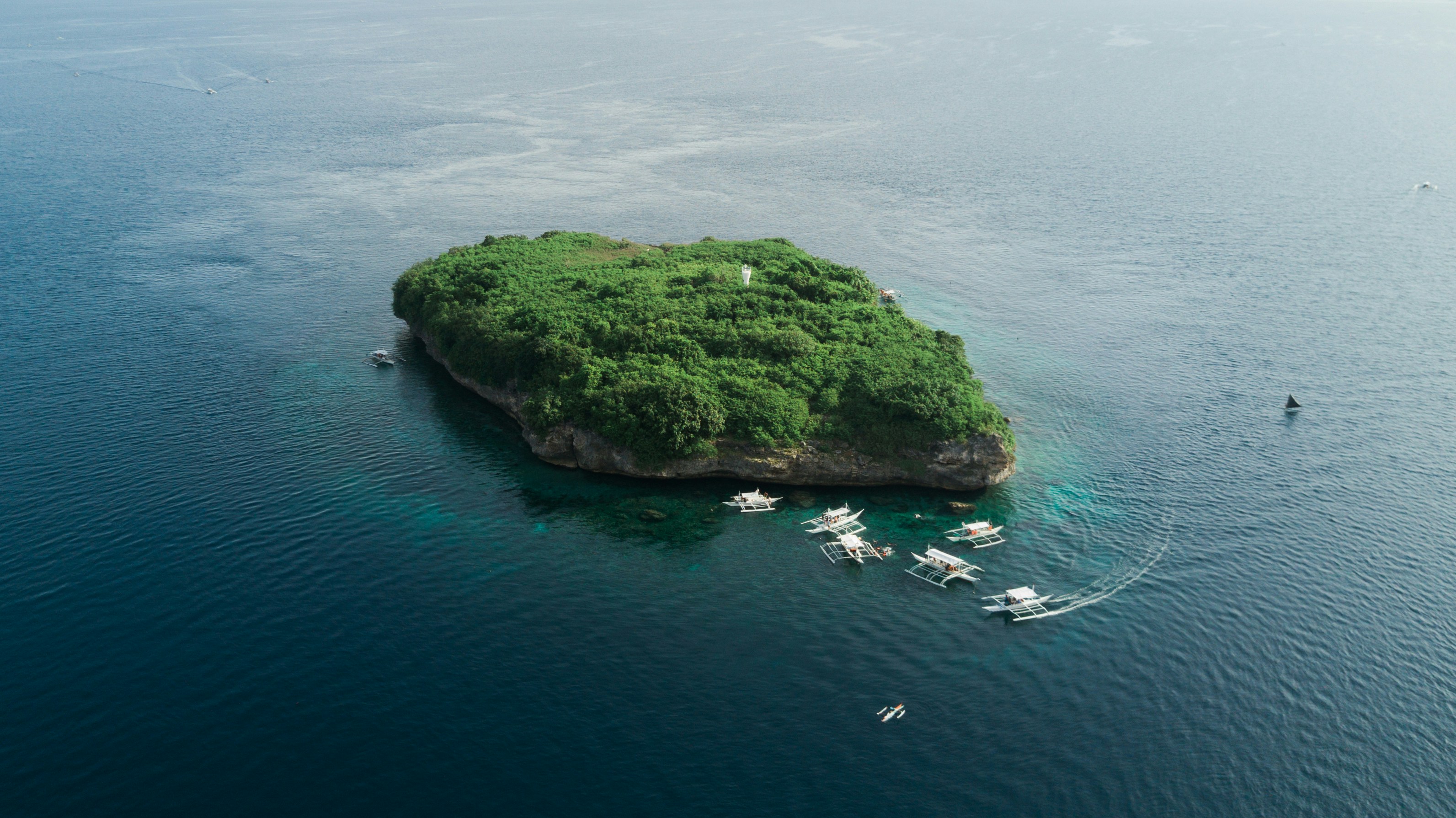
Nauru Safety Guide: Is Nauru Safe for Travellers?
TL;DR: Nauru is generally safe for visitors who take normal precautions, but limited healthcare, unreliable infrastructure, rough seas, and scarce transport make preparation essential. The U.S. Department of State rates Nauru Level 1, meaning travellers should exercise normal precautions, while Canada’s travel advice describes crime as low but notes that petty theft can occur. Nauru is a small, remote Pacific island, so travel insurance, a medical plan, secure belongings, and reliable communication matter more than they might in a major city.
For most travellers, the main risks are not violent crime but swimming conditions, dehydration, food- and water-related illness, stray dogs, road hazards, and delays in obtaining medical care. Bring prescription medicines, copies of important documents, sun protection, insect repellent, and a backup payment method. Before departure, check current government advice and arrange insurance that includes emergency evacuation.
Nauru has no widely available nationwide tourist transport network, and accommodation and supplies can be limited. Download offline maps and save emergency contacts before arrival. Hello’s travel companion app can also help with trip planning, expense tracking, and staying connected through Hello eSIM for Nauru, allowing you to activate mobile data before landing where the plan and local network support it.
Nauru Travel Safety: Crime, Scams, Roads, and Local Customs
Nauru travel safety is mainly about protecting valuables, driving carefully, and respecting a quiet local community rather than avoiding the island altogether. Official travel advisories describe the crime rate as low, although pickpocketing, purse snatching, and opportunistic theft remain possible. Keep your passport, phone, cash, and electronics secured, especially in vehicles, shared accommodation, beaches, and public areas.
Nauru scams are not commonly reported as a major organised-tourist problem, but standard small-island precautions still apply:
- Confirm prices for taxis, vehicle hire, tours, and accommodation before agreeing.
- Avoid sending deposits to unverified social-media accounts or paying by unusual methods.
- Count change and check card receipts; keep transaction notifications enabled.
- Do not share passport images or banking details unless dealing with a verified provider.
- Be cautious if a stranger urgently requests money, transport, or personal information.
Driving is often the most practical way to explore the coastal road, but roads may be uneven, visibility can be poor at night, and pedestrians, bicycles, animals, or unlit vehicles may appear unexpectedly. Drive slowly, wear a seat belt, and avoid drinking before driving. Dress modestly away from the beach, ask before photographing people, and follow local advice around churches, community events, and privately managed land. Keep valuables out of sight and lock accommodation doors and windows.
Nauru Emergency Numbers and Getting Help
Save Nauru emergency numbers before travelling: police are 110, ambulance is 111, and fire services are 112; medical facilities are basic, so call early rather than waiting for a minor problem to become serious. These numbers are listed by several government travel-advice services, although travellers should also confirm local details with their accommodation on arrival because emergency arrangements can change.
| Service | Number | Practical advice |
|---|---|---|
| Police | 110 | Report theft, threats, accidents, or immediate danger |
| Ambulance | 111 | Request urgent medical assistance |
| Fire | 112 | Report fire or rescue emergencies |
| Nauru General Hospital | +674 557 3150 | Use for non-urgent medical enquiries where available |
When calling, explain your location using a hotel, landmark, road, district, or nearby government building. Ask hotel staff or a local host to assist if language, directions, or phone coverage create difficulties. Keep your insurer’s emergency-assistance number stored separately from your phone, ideally on paper.
Singapore does not maintain a resident embassy in Nauru. Singaporean travellers should check Singapore’s Ministry of Foreign Affairs for the latest accredited mission and consular arrangements; Australia’s High Commission in Nauru may also be a useful local diplomatic contact for general practical guidance, but it cannot replace Singaporean consular assistance. Register your trip if your government offers that service, and carry digital and printed copies of your passport, policy, tickets, and emergency contacts.
Nauru Health Advisories, Vaccinations, Water, and Swimming Safety
The biggest health precautions in Nauru are arranging vaccines in advance, using safe drinking water, preventing mosquito and sun exposure, and avoiding unsupervised swimming in rough seas. Canada and the United Kingdom advise travellers to consult a healthcare professional or travel clinic around six to eight weeks before departure. Routine vaccinations should be current, including measles, mumps, rubella, tetanus, diphtheria, pertussis, polio, chickenpox, and seasonal influenza.
Hepatitis A vaccination is commonly recommended because infection can spread through contaminated food or water, and hepatitis B vaccination may be advised for all travellers or according to personal risk. A clinician may discuss typhoid, rabies, or other vaccines based on activities, health history, and trip length. There is no yellow-fever transmission in Nauru, but entry requirements can depend on recent travel through a risk country.
Healthcare facilities are very basic, supplies of prescription and common medicines can be limited, and serious cases may require evacuation to Australia. Bring enough medication for the complete trip, plus extra days, in original packaging with documentation. Tap water is not potable in many areas, so choose sealed bottled water or confirm that water has been treated. Eat food served hot, wash hands, use mosquito repellent, apply high-SPF sunscreen, and avoid swimming alone. Tides and rip currents can be powerful, and beaches generally lack lifeguards. Do not enter the water after heavy rain, near reef channels, or when local residents advise against it.
Solo Female, LGBTQ+, and Family Travel Safety in Nauru
Solo travellers, women, LGBTQ+ visitors, and families can visit Nauru, but should use low-key situational awareness and avoid isolated areas after dark because support services and transport choices are limited. Nauru is socially conservative and community-oriented, so modest clothing away from swimming areas and respectful behaviour are sensible. Ask before photographing residents, homes, ceremonies, or government facilities.
Solo female travellers should choose accommodation with secure locks, tell a trusted person their daily plans, avoid accepting unsolicited rides, and use a known driver or accommodation-arranged transport. Keep drinks attended, avoid walking alone on poorly lit roads at night, and carry a charged phone plus a small cash reserve. Families should supervise children closely near the shoreline, roads, abandoned industrial areas, and stray dogs.
LGBTQ+ travellers should review current legal and social conditions before arrival and consider displaying affection discreetly in public. Avoid assuming that attitudes or protections are the same as at home; consult a reputable destination-specific advisory for current information. This is practical risk management, not a reason to avoid the destination.
Nauru’s former phosphate-mining areas can include uneven ground, restricted land, exposed debris, and industrial hazards. Do not enter fenced or abandoned sites, and follow signs and local instructions. Download maps before leaving accommodation, tell someone when exploring the island, and return before darkness if you are travelling without a guide.
Travel Insurance, Connectivity, and Practical Safety Planning
Travel insurance for Nauru should cover medical treatment, emergency evacuation, trip interruption, baggage loss, and activities such as boating or diving because local healthcare capacity is limited. A cheap policy that excludes evacuation, pre-existing conditions, or adventure activities may leave you paying tens of thousands of dollars if treatment in Australia becomes necessary. Confirm the insurer’s 24-hour assistance process and whether direct payment or reimbursement is used.
Before departure, prepare a simple safety folder containing your passport copy, visa or entry documents, policy number, emergency contacts, medication list, flight details, and accommodation address. Carry multiple payment methods because card acceptance and cash access may be limited. Budget extra for transport, bottled water, replacement flights, or unexpected accommodation; remote-island disruptions can be expensive.
Connectivity is useful for maps, weather alerts, insurer calls, and contacting family. Hello offers eSIM connectivity in 200+ countries, with plans starting from 5GB and instant activation; check the live plan details and network compatibility before buying Hello eSIM for Nauru. Install and activate it before departure when possible, but keep your accommodation’s phone number and emergency numbers offline in case data service is unavailable.
The Hello app can also scan receipts in different languages and currencies, import bank statements, track a multi-currency budget, categorise spending, and split shared costs automatically. That is especially helpful when friends share accommodation, taxis, fuel, or meals and prices are quoted in different currencies.
Common Questions About Nauru Safety
Most visitors can travel safely in Nauru by preparing for limited services, checking the sea before swimming, protecting valuables, and arranging comprehensive insurance before arrival. These answers address common searches about is Nauru safe, Nauru scams, and Nauru emergency numbers.
Is Nauru safe for tourists? Generally yes. Official advice describes low crime and the United States rates Nauru Level 1, or exercise normal precautions. The more significant risks are weak medical capacity, rough water, heat, road conditions, and limited supplies.
What are Nauru’s emergency numbers? Dial 110 for police, 111 for an ambulance, and 112 for fire services. Save the numbers offline and ask your hotel to confirm local procedures after arrival.
Are there common Nauru scams? There is no widely documented tourist-scam pattern comparable with larger destinations. Still, verify prices, avoid unconfirmed payment requests, protect passport information, and be wary of urgent requests for money or personal details.
Can I drink tap water in Nauru? Do not assume tap water is safe everywhere. The U.S. State Department notes that tap water is not potable in many areas. Use sealed bottled or properly treated water and take care with ice and uncooked food.
Is swimming safe? Not automatically. Tidal changes and rip currents can be powerful, beaches usually lack lifeguards, and local conditions can change quickly. Ask locally, avoid isolated water, and never swim alone.
Do I need travel insurance? Yes. Choose cover that includes medical evacuation to Australia, hospital treatment, cancellations, baggage, and any planned water activities.
Explore These Destinations
Ready for Nauru?
eSIM data, expense splitting, budget tracking, and more. Everything you need for a smooth trip in one app.
Related Articles
Nauru Visa & Entry Requirements for Singapore Passport Holders
Visa requirements, passport validity, customs allowances, and entry tips for Singapore citizens travelling to Nauru.
11 July 2026
eSIM for Nauru: Best Plans, Coverage, and Setup Tips
Everything you need to know about using eSIM in Nauru. Best data plans, network coverage, and setup instructions.
2 July 2026
Nauru in 10 Days: The Ultimate Travel Itinerary
A comprehensive 10-day itinerary for Nauru covering top attractions, hidden gems, daily costs, and transport between cities.
22 June 2026