Moldova Cultural Guide: Etiquette, Customs, and Tips
Essential do's and don'ts, greeting customs, dress codes, local phrases, and cultural tips for Moldova.
By Hello Travel Team
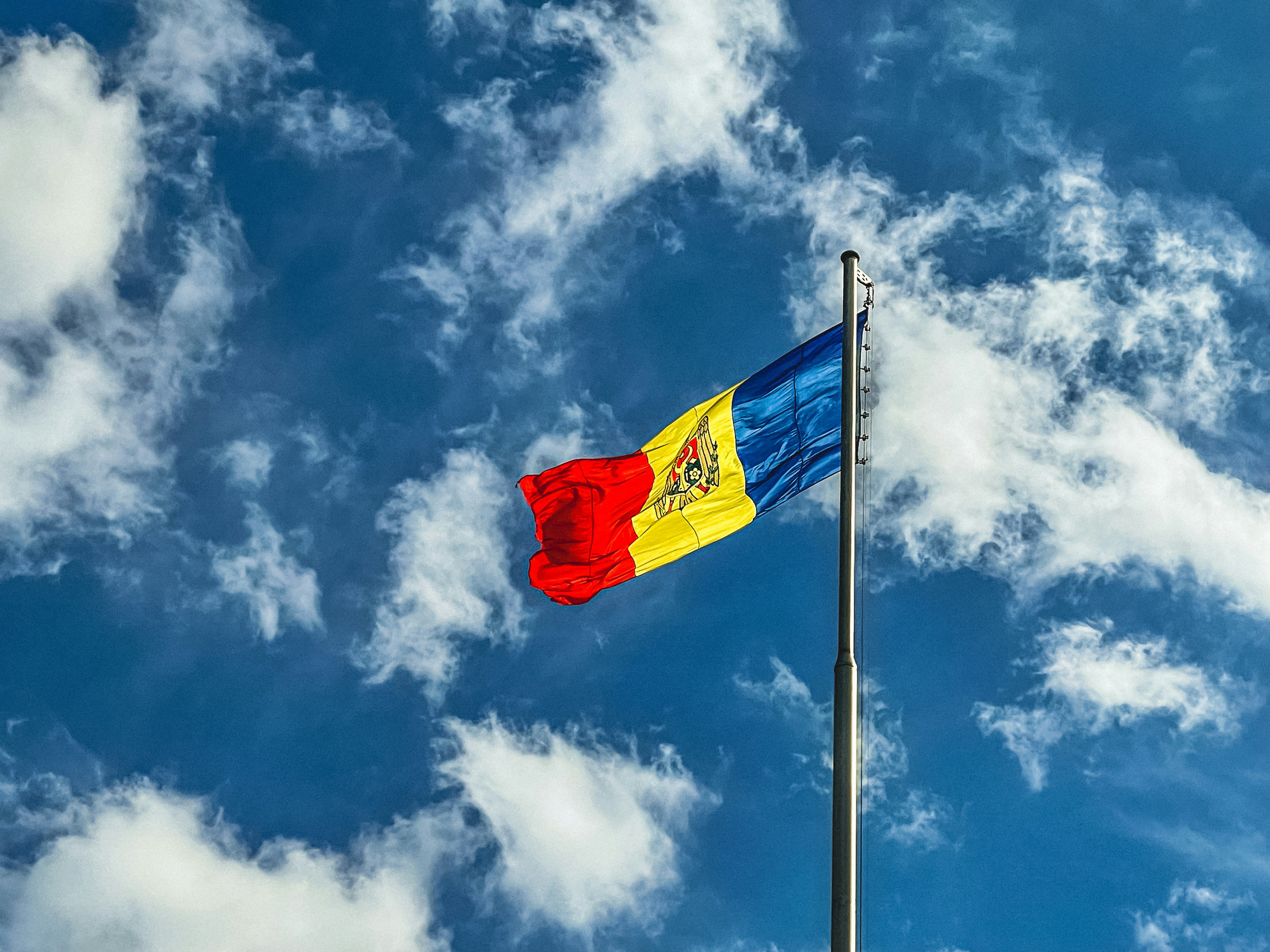
TL;DR: Moldova culture is warm, formal at first, and polite in public
Moldova culture is rooted in hospitality, family values, and respect for age, faith, and personal space, so the safest approach is to be courteous, modest, and punctual. For most travellers, the biggest Moldova etiquette wins are simple: greet people properly, dress conservatively for churches, and avoid loud or overly familiar behavior in small towns and traditional settings.
Moldova etiquette basics: greetings, manners, and everyday dos and don’ts
The quickest way to make a good impression in Moldova is to greet people politely and match the room’s level of formality. A firm handshake is common in first-time introductions, while friends may exchange cheek kisses, especially among women or close acquaintances; wait for the other person to set the tone. Using titles and surnames is appreciated in business or official settings, and older people are generally treated with extra respect.
When it comes to Moldova customs, keep conversations calm and avoid interrupting. It is normal to be offered food or drink in someone’s home, and accepting at least a small amount is a courteous gesture. If you are invited to a local’s home, bring a small gift such as chocolates, flowers in odd numbers, or a bottle of wine. At the table, try a little of everything and don’t start eating until the host does.
Helpful phrases go a long way. “Bună ziua” means hello/good day, “Mulțumesc” means thank you, and “Vă rog” means please. “Scuzați-mă” is useful for excuse me. In urban areas, many people understand Romanian/Russian and some English, but a few polite words in Romanian are always appreciated.
Dress codes in Moldova: what to wear in churches, villages, and city restaurants
A modest outfit is the safest choice in Moldova, especially for churches, monasteries, and formal dinners. In cities like Chișinău, dress is generally casual-smart, but in religious or rural settings, travellers should avoid sleeveless tops, very short shorts, ripped clothing, or anything too revealing. If you plan to visit sites such as the Nativity Cathedral or the Orthodox monasteries around the country, bring a light scarf or shawl and wear clothing that covers shoulders and knees.
For business meetings or upscale restaurants, smart-casual is a good baseline: closed shoes, neat trousers or a skirt, and a collared shirt or simple blouse. In summer, temperatures can rise sharply, so breathable fabrics help, but keep one respectful layer handy for churches and memorials. In winter, durable boots are practical because pavements can be icy.
If you are travelling with Hello, using an eSIM from Hello can help you check opening hours, transit options, and dress rules on the go without hunting for Wi‑Fi. That is especially useful when moving between Chișinău, wine regions like Cricova, and day trips to monasteries or village sites where logistics can change quickly.
Photography, public behavior, and Moldova customs around religion and privacy
In Moldova, photography is usually fine in public spaces, but always be careful around people, security personnel, and religious services. Ask before photographing individuals, especially in villages, markets, or family settings, because many people prefer not to be photographed without permission. In churches and monasteries, some clergy or attendants may restrict photos inside the building, particularly during services, so look for signs or ask first.
Public behavior is generally calm and restrained. Loud arguments, visible intoxication, or disruptive behavior can draw negative attention, especially in smaller communities. Smoking rules vary by venue, so follow posted signs and step away from entrances if needed. On public transport and in queues, a quiet, orderly approach is the norm.
If you are attending a religious event or commemorative ceremony, observe before joining in. Stand when others stand, keep your phone silent, and avoid moving around too much. These small adjustments go a long way in showing respect for Moldovan customs without making a fuss of being a visitor.
Business etiquette and holiday timing: how Moldova culture affects meetings and travel
Business etiquette in Moldova is formal at the start and becomes warmer once trust is established. Arrive on time, use surnames and titles unless invited to do otherwise, and bring printed materials if you are meeting partners face to face. Meetings often begin with a handshake and brief small talk before getting to business, and decisions may take time because relationship-building matters.
If you are planning a trip around Moldova holidays, check dates in advance because some offices, banks, and museums may close or run reduced hours. Major observances include New Year, Orthodox Christmas on 7 January, Martisor on 1 March, Easter according to the Orthodox calendar, Independence Day on 27 August, and Language Day on 31 August. During large religious holidays, transport schedules and restaurant hours can also shift, especially outside Chișinău.
For travellers balancing meetings, sightseeing, and receipts, Hello’s budget tools can be useful. The app’s expense splitting and multi-currency tracking help groups share taxis, meals, and winery bills without messy manual calculations, especially if you are moving between cash payments and card payments during a short stay.
Common questions about Moldova dos and don’ts, gift-giving, and local phrases
What are the main Moldova dos and don’ts? Be respectful, punctual, and modest; greet people properly; accept hospitality graciously; and avoid being loud, dismissive, or overly casual with strangers.
What should I bring if I’m invited to a Moldovan home? A small gift is thoughtful. Flowers, sweets, or a bottle of wine are common choices, and presenting them neatly shows good manners. Avoid giving an even number of flowers, which is often associated with funerals in local custom.
What language should I use? Romanian is the official language, but Russian is also widely understood in some areas. A few simple phrases such as “Bună ziua,” “Mulțumesc,” and “Vă rog” are enough to make a positive impression.
Do people tip in Moldova? Tipping is appreciated but usually not as formalized as in some Western countries. In restaurants, rounding up or leaving around 5–10% for good service is a practical guideline, though you should check whether service is already included.
Are there any travel-specific tips? Yes: keep some cash handy for small purchases, confirm opening times during holidays, and use an eSIM from Hello if you want reliable data for maps, translation, and last-minute schedule changes while exploring Moldova culture.
Moldova cultural tips for first-time visitors: what to expect in daily life
Moldova customs are shaped by hospitality, practicality, and a strong sense of family, so visitors who show patience and respect usually have a smooth trip. In daily life, people may seem reserved at first, but that often changes quickly once you share a meal, accept tea or wine, or show real interest in local life. The best approach is friendly, calm, and never overly pushy.
A few practical habits make travel easier. Carry small cash for markets, village cafes, and taxis; keep your phone charged for maps and translation; and allow extra time for slower service in smaller towns. In 2026, a simple lunch in Chișinău may cost roughly $8–15, while a nicer dinner or wine-focused meal can easily run $20–35 per person, depending on the venue and drinks. For winery visits, expect tastings and tours to vary widely by location and package, so check in advance.
If you want to stay connected from arrival, Hello eSIM for Moldova can help you land with data ready for navigation, messaging, and travel planning. That is especially useful when you are moving between city sights, wine regions, and countryside stays where signal quality can vary.
Explore These Destinations
Stay Connected
Make the most of Moldova
From eSIM connectivity to expense tracking, Hello is the all-in-one companion that keeps your trip stress-free.
Related Articles
Moldova Safety Guide: Tips for a Safe Trip
Safety tips, health advisories, emergency contacts, common scams, and travel insurance advice for Moldova.
20 July 2026
Moldova Visa & Entry Requirements for Singapore Passport Holders
Visa requirements, passport validity, customs allowances, and entry tips for Singapore citizens travelling to Moldova.
11 July 2026
eSIM for Moldova: Best Plans, Coverage, and Setup Tips
Everything you need to know about using eSIM in Moldova. Best data plans, network coverage, and setup instructions.
2 July 2026