Moldova Safety Guide: Tips for a Safe Trip
Safety tips, health advisories, emergency contacts, common scams, and travel insurance advice for Moldova.
By Hello Travel Team
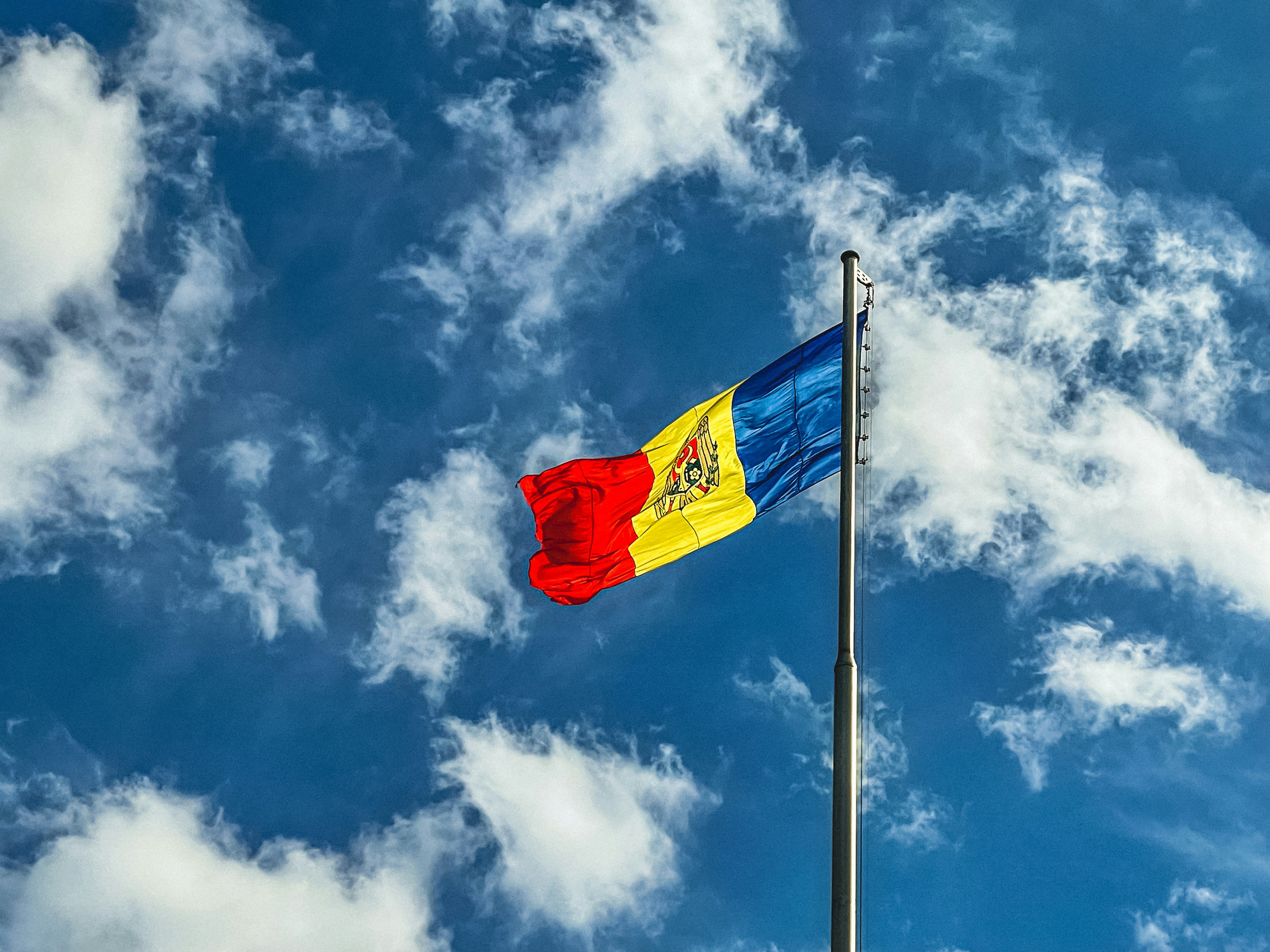
Moldova Safety Guide: Is Moldova Safe for Travellers?
Moldova is generally safe for visitors who use normal precautions, particularly in Chișinău, wine regions, and established tourist areas; the main concerns are petty theft, road safety, occasional scams, and avoiding Transnistria. Current foreign-government advice recommends increased caution in Moldova and reconsidering travel to Transnistria because of armed-conflict risks.
TL;DR: Is Moldova safe? For most tourists, yes, but stay alert in crowded places, use reputable taxis, avoid political demonstrations, and do not enter Transnistria without a compelling reason. Save Moldova’s emergency number, arrange travel insurance, and prepare for limited English outside Chișinău.
Moldova is not typically associated with violent crime against tourists, and friendly local hospitality is common. However, uneven pavements, poor rural lighting, aggressive driving, and inconsistent road conditions can create more practical risk than crime. Keep valuables discreet, carry a photocopy of your passport, and store your original securely.
Download offline maps before travelling to wineries, monasteries, or rural villages. An eSIM from Hello can provide mobile data for navigation, translation, ride-hailing, and emergency communication immediately after arrival. Hello offers plans starting from 5GB, with prices updated live.
Moldova Travel Safety: Crime, Scams, and Practical Precautions
The most useful Moldova travel-safety habits are protecting your phone and wallet, checking prices before accepting services, and using official or app-booked transport instead of unlicensed taxis. Petty theft is the most likely problem for visitors, especially around Chișinău’s Central Market, bus and railway stations, crowded trolleybuses, nightlife venues, and busy cafés.
Common Moldova scams and ways to avoid them include:
- Taxi overcharging: Agree on the fare before departure or use a reputable ride-hailing service; confirm the vehicle and driver details before entering.
- Unofficial currency exchange: Use banks or authorised exchange offices, count money at the counter, and keep the receipt.
- Card or cash confusion: Check the total on the terminal and count change. Keep small Moldovan leu notes for markets, buses, and rural stops.
- Distraction theft: Be cautious if someone spills something, creates an argument, or asks for urgent help in a crowded area.
- Bar and nightlife overcharging: Confirm menu prices and avoid accepting unsolicited drinks from strangers.
Do not photograph military sites, border infrastructure, police activity, or demonstrations. Keep political conversations neutral, particularly regarding Moldova, Ukraine, Russia, and Transnistria.
Moldova Emergency Numbers, Road Safety, and Singapore Consular Help
For an immediate emergency in Moldova, call 112, the nationwide number for police, ambulance, and fire services; operators may speak Romanian or Russian, so state your location clearly and use a translation app if needed. In Transnistria, emergency services use separate numbers, but the safest advice is to avoid travelling there.
| Service | Moldova number | Practical advice |
|---|---|---|
| Police | 112 | Ask a hotel or local host to help explain the incident |
| Ambulance | 112 | Give a landmark, street name, or map pin |
| Fire service | 112 | Leave the building first if there is immediate danger |
| European-style general emergency | 112 | Available nationwide according to international travel advisories |
Road safety deserves particular attention. Avoid travelling at night on unfamiliar rural roads, wear a seat belt, and never assume a vehicle will stop at a crossing. Marshrutka minibuses can be crowded and may drive quickly; keep bags closed and avoid standing near doors.
Moldova does not have a resident Singapore embassy. Singaporean travellers should check Singapore’s Ministry of Foreign Affairs directory for the current non-resident mission or nearest diplomatic representation before departure, register their itinerary where available, and save the MFA emergency contact. For lost passports, contact the nearest Singapore mission before visiting any border crossing.
Moldova Health Advice: Vaccinations, Water, and Medical Care
Most travellers can visit Moldova safely with routine medical preparation, but arrange a health consultation around four to six weeks before departure, carry essential medicines, and purchase insurance that covers overseas treatment and medical evacuation. The CDC recommends hepatitis A vaccination for unvaccinated travellers aged one year and older visiting Moldova, because infection can occur through contaminated food or water.
Check that routine vaccinations are current, including measles, mumps, rubella, tetanus, diphtheria, pertussis, polio, and seasonal influenza. Hepatitis B may be appropriate for travellers expecting medical treatment, tattoos, piercings, or sexual contact with a new partner. Discuss rabies vaccination if you will work with animals, spend time in remote areas, explore caves, or have prolonged outdoor exposure.
Tap water quality can vary by location and building. Many visitors choose sealed bottled water, particularly outside Chișinău; check that the cap is intact. Avoid untreated well water and use bottled water for brushing your teeth if uncertain. Wash produce, eat food that is thoroughly cooked, and carry hand sanitiser.
Private clinics in Chișinău can be more suitable for non-emergency care, but treatment may require upfront payment. Keep prescriptions in original packaging and ensure your policy covers hospital care, evacuation, pre-existing conditions, and cancellation.
Solo Female and LGBTQ+ Travel Safety in Moldova
Solo female travellers can visit Moldova successfully by choosing central accommodation, arranging airport transport in advance, limiting late-night walking, and sharing daily plans with someone at home. Chișinău’s central districts are generally the easiest base, while rural travel requires more planning because transport, signage, and English-language assistance can be limited.
Use practical precautions rather than avoiding the destination. Keep your accommodation address written in Romanian or Russian, do not reveal that you are travelling alone to strangers, and trust your instincts if a conversation or invitation feels uncomfortable. At night, use a booked taxi rather than accepting a lift. In bars, watch your drink and keep your phone and passport secure.
LGBTQ+ travellers may encounter conservative attitudes, and public displays of affection can attract unwanted attention, especially outside the capital. Moldova has LGBTQ+ communities and events, but social acceptance is uneven. Travellers should research current local conditions, choose established accommodation, avoid confrontational political gatherings, and use discretion in unfamiliar areas.
Dress is generally casual in Chișinău, but modest clothing is considerate at monasteries and churches. Ask before photographing people, religious ceremonies, or private property. A local guide can make visits to wineries, villages, and monasteries smoother, particularly when Romanian or Russian is needed.
Moldova Travel Insurance, Connectivity, and Budget Safety
Travel insurance is strongly recommended for Moldova because a relatively inexpensive policy can protect against much larger costs from hospital treatment, evacuation, cancellation, theft, or transport disruption. Choose cover that includes medical expenses, emergency evacuation, personal liability, baggage, passport loss, and activities such as cycling, hiking, or wine-tour excursions if relevant.
Save your insurer’s 24-hour assistance number offline and keep digital and paper copies of the policy. Check exclusions carefully: some policies may not cover travel to areas subject to government warnings, including Transnistria. Declare pre-existing conditions and confirm whether direct billing is available at Moldovan clinics.
Connectivity improves safety as well as convenience. Hello’s travel companion app provides an eSIM for 200+ countries, trip planning, expense splitting, budget tracking, AI receipt scanning, voice expense entry, bank-statement import, and multi-currency tracking with automatic exchange rates. Activate Hello eSIM for Moldova before departure so maps, translation, accommodation details, and emergency calls over data are available on arrival.
For budgeting, keep a small reserve of Moldovan lei alongside a card. Track winery visits, taxis, meals, and shared costs in Hello; its expense-splitting feature converts multiple currencies automatically, which is useful when travelling with friends.
Common Questions About Moldova Safety
Moldova is usually manageable for tourists who plan transport, protect valuables, monitor official advisories, and avoid Transnistria; the most important preparation is knowing how to obtain help if plans change.
Is Moldova safe for solo travellers? Generally, yes. Stay in central accommodation, avoid isolated areas after dark, use reputable taxis, and share your itinerary. Rural excursions are safest with an organised tour or trusted local driver.
Is Chișinău safe at night? Central areas can be lively, but use normal city precautions. Avoid poorly lit parks and side streets, do not display expensive electronics, and book transport rather than walking long distances alone.
What are Moldova’s emergency numbers? Dial 112 for police, ambulance, or fire services nationwide. Give your exact address, nearby landmark, and phone number. In rural areas, ask accommodation staff to assist with Romanian or Russian communication.
Should travellers visit Transnistria? Government advisories recommend reconsidering or avoiding travel because of armed-conflict and consular-access risks. Do not treat it as an ordinary day trip, and check current official advice before making any plans.
Can visitors drink tap water? Standards and infrastructure vary. Sealed bottled water is the lower-risk choice, especially outside Chișinău or when staying in older buildings.
What should travel insurance cover? Look for medical care, evacuation, cancellation, baggage, liability, and destinations excluded by government travel warnings.
Explore These Destinations
Stay Connected
Ready for Moldova?
eSIM data, expense splitting, budget tracking, and more. Everything you need for a smooth trip in one app.
Related Articles
Moldova Visa & Entry Requirements for Singapore Passport Holders
Visa requirements, passport validity, customs allowances, and entry tips for Singapore citizens travelling to Moldova.
11 July 2026
eSIM for Moldova: Best Plans, Coverage, and Setup Tips
Everything you need to know about using eSIM in Moldova. Best data plans, network coverage, and setup instructions.
2 July 2026
Moldova in 10 Days: The Ultimate Travel Itinerary
A comprehensive 10-day itinerary for Moldova covering top attractions, hidden gems, daily costs, and transport between cities.
22 June 2026