Mexico Food Guide: Must-Try Dishes, Prices, and Tips
Best local dishes, street food, restaurant prices, dietary options, and food safety tips for Mexico.
By Hello Travel Team
This article contains affiliate links. If you book through them, Hello may earn a commission at no additional cost to you. Our editorial recommendations are independent. Learn more.
TL;DR: What to Eat in Mexico, What It Costs, and How to Stay Safe
Mexico’s must-try food ranges from tacos al pastor and tamales to mole and fresh seafood, with typical traveller meals costing about MXN 80–250 (USD 4–13) in 2026, plus safe, affordable street food if you follow basic hygiene tips and local advice.
Think of this Mexico food guide as your shortcut to eating like a local without blowing your budget. You’ll find everything from market tacos for MXN 20–35 (about USD 1–2) each to sit-down dinners in popular cities like Mexico City, Oaxaca, or Mérida for MXN 200–350 (USD 11–18) per person, excluding drinks in 2026. According to Mexico’s Ministry of Tourism, the country welcomed more than 42 million international visitors in 2023, and food is one of the main reasons travellers keep coming back.
We’ll walk through Mexico must try food (including regional specialties), price ranges for street stalls vs restaurants, how to spot safe food and drinking water, and what to do if you’re vegetarian, vegan, or looking for halal options. You’ll also get practical tips on tipping, food delivery apps, and how to track your daily food spend.
If you’re watching your budget, the Hello app’s AI receipt scanning and multi-currency tracking make it easy to log every taco, coffee, and market meal automatically, so you can see your Mexico food costs in MXN and USD at a glance and avoid end-of-trip surprises.
Mexico Must-Try Food: Classic Dishes You Should Eat at Least Once
Mexico’s must-try food list starts with tacos al pastor, tamales, mole, and fresh seafood, with most iconic dishes easily found in local markets or fondas for MXN 80–180 (USD 4–9) per plate in 2026.
When you’re wondering what to eat in Mexico, start with the essentials:
- Tacos al pastor – Marinated pork shaved from a spit, usually with pineapple and cilantro. Expect MXN 20–35 (USD 1–2) per taco at street stands in Mexico City and Puebla.
- Tamales – Corn dough filled with meat, cheese, or sweet ingredients and steamed in husks. Often a breakfast staple at MXN 25–40 (USD 1–2) each.
- Mole – A rich, complex sauce (chocolate, spices, nuts) served over chicken, best tried in Oaxaca or Puebla. Restaurant plates typically cost MXN 140–220 (USD 7–11).
- Pozole – Hearty hominy-and-meat soup, garnished with lettuce, radish, and lime, usually MXN 90–160 (USD 5–8) per bowl.
- Chilaquiles – Fried tortilla chips with salsa, cream, cheese, and sometimes eggs or chicken; common at brunch spots for MXN 100–180 (USD 5–9).
According to the Mexican government’s UNESCO submissions, traditional Mexican cuisine was recognized as Intangible Cultural Heritage in 2010, highlighting dishes like mole, tamales, and nixtamalized corn techniques. That’s your cue to prioritize regional specialties: try cochinita pibil in Yucatán, carnitas in Michoacán, and tlayudas in Oaxaca to experience Mexico’s culinary diversity rather than just sticking to generic tacos.
Mexico Street Food vs Restaurants: Prices, Where to Eat, and Budget Tips
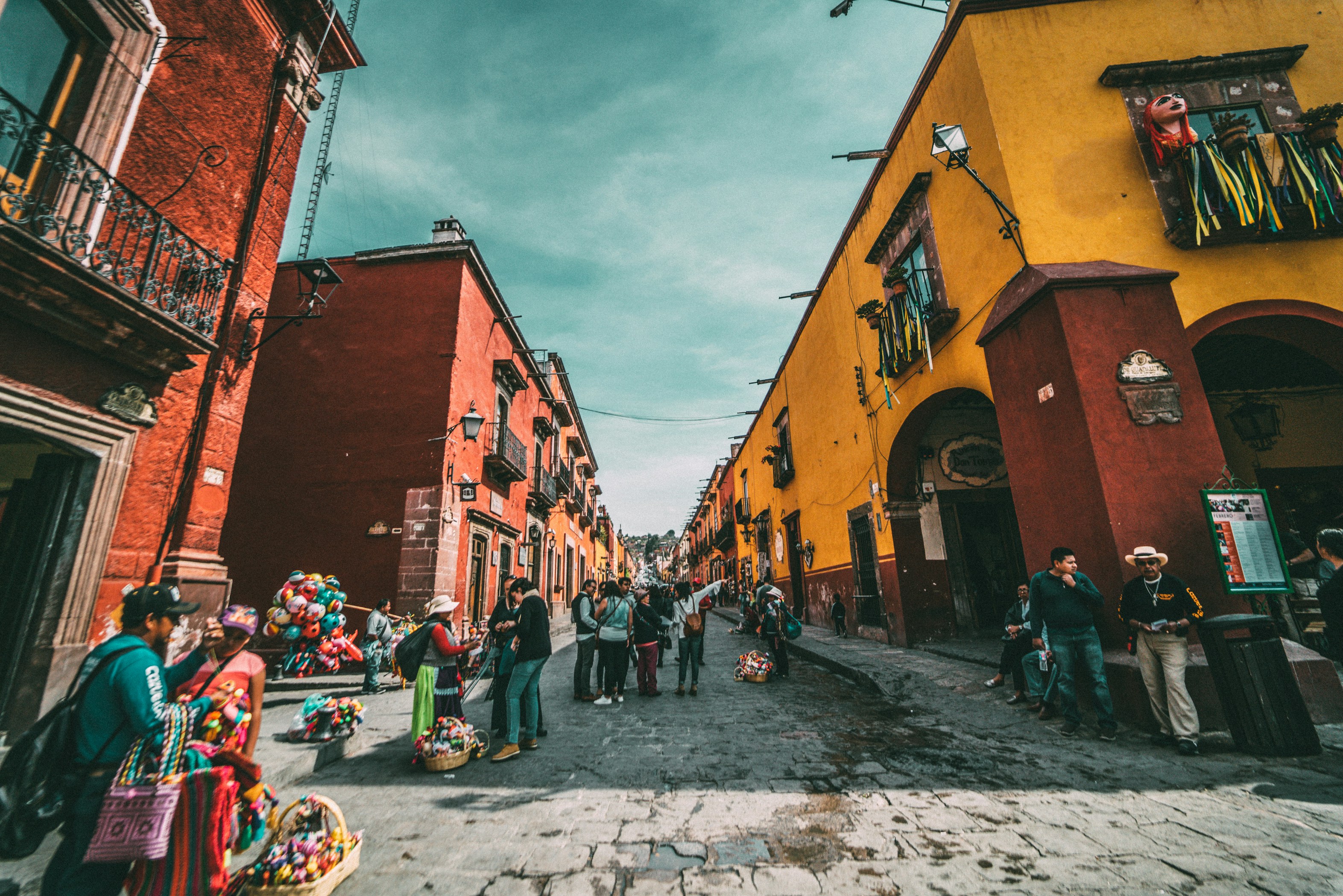
Mexico street food is often cheaper and more authentic than restaurants, with tacos, quesadillas, and tortas from MXN 20–60 (USD 1–3), while casual restaurant meals typically run MXN 150–300 (USD 8–15) per person in 2026, excluding drinks.
For travellers comparing Mexico street food to restaurant dining, price is the first big difference. At street stalls in Mexico City, Guadalajara, or Monterrey, you’ll find:
- Tacos: MXN 20–35 each
- Quesadillas: MXN 30–60
- Tortas (sandwiches): MXN 40–80
That means a filling street-food meal can easily fall under MXN 100–150 (USD 5–8) if you stick to a couple of items and a drink. According to Mexico City’s local consumer price data, informal food vendors remain one of the most affordable ways to eat out.
In contrast, mid-range restaurants or trendy spots in neighborhoods like Roma Norte, Condesa, or Polanco typically charge MXN 150–250 (USD 8–13) for a main dish, with starters at MXN 80–150 and desserts around MXN 70–120. Add a cocktail or craft beer for another MXN 90–180.
A simple way to keep daily costs in check is to mix: street breakfast (tamales or tacos), casual local lunch at a fonda (home-style eatery), and one sit-down dinner. Use the Hello app’s AI receipt scanning and multi-currency budget tracking to log your street snacks and restaurant bills in real time; over a 7-day stay, most travellers spend around MXN 3,500–6,000 (USD 180–310) on food, depending on how many restaurant meals they choose.
Food Safety in Mexico: Eating Street Food Without Getting Sick
Eating street food in Mexico can be safe and rewarding if you choose busy stalls, watch food handling, and stick to bottled or purified water, helping you avoid the most common traveller stomach issues.
Food safety is the biggest worry many people have when reading any Mexico food guide. The good news: millions of residents eat street food daily without problems, and travellers can too with a few habits.
Key tips:
- Pick busy stalls with a fast turnover; fresh ingredients spend less time sitting out.
- Watch hygiene: vendors using gloves or tongs, covered ingredients, and clean oil are safer bets.
- Avoid lukewarm food; hot items should be steaming, cold items kept chilled.
- Stick to bottled water or restaurants that clearly use purified water (often marked as "agua purificada").
According to Mexico’s National Health Ministry, foodborne illness risks are highest where temperature control is poor and water sanitation is questionable, so be extra cautious with raw seafood and salads from unknown vendors. In coastal areas like Cancún or Puerto Vallarta, fresh ceviche can be excellent, but choose reputable spots and eat seafood early in the day.
To manage risk further, ease into spiciness (chilies can upset sensitive stomachs) and keep hand sanitizer on you. If you’re tracking costs and health, note any meals that felt questionable in the Hello app along with expenses. That way, if you do feel unwell, you can quickly see what you ate, when, and how much you spent, and adjust your choices for the rest of the trip.
Dietary Restrictions in Mexico: Vegetarian, Vegan, and Halal Options
Vegetarian and vegan food is increasingly available in major Mexican cities, while halal options are limited but growing, especially in Mexico City and resort destinations, so planning ahead is key for specific dietary needs.
Many travellers worry if Mexico must try food can fit vegetarian, vegan, or halal requirements. Traditionally, Mexican cuisine is meat-forward, but urban areas and tourist hubs are adapting fast. According to industry reports on global restaurant trends, Mexico City has seen steady growth in plant-based and specialty cuisine since 2020.
Vegetarian or vegan travellers will find:
- Traditional options like chiles rellenos (cheese-stuffed peppers), nopales (cactus) tacos, quesadillas with mushrooms or squash blossoms, and bean-based dishes.
- Modern spots offering vegan tacos, plant-based burgers, and dairy-free desserts in cities like Mexico City, Guadalajara, and Monterrey.
Look for phrases like "vegetariano", "vegano", and "sin lácteos" on menus, and don’t hesitate to ask for substitutions; many kitchens will swap meat for beans or mushrooms.
Halal food is less common but available in areas with international communities and high tourism. Mexico City, Cancún, and some Baja California destinations have a small number of halal restaurants and Middle Eastern eateries; online maps and community groups are your best resource. According to informal traveller surveys shared by tourism boards, most halal travellers rely on seafood, vegetarian dishes, and verified halal venues.
To make things easier, use the Hello app to plan your days around specific restaurants, track costs, and split bills with friends who have different dietary needs, so everyone can enjoy their preferred meals without budget confusion.
What Meals Cost in Mexico: Example Budgets and a Handy Price Comparison
Typical daily food costs in Mexico range from budget-friendly MXN 250–400 (USD 13–21) for mostly street food to MXN 600–900 (USD 31–47) for a mix of cafes and mid-range restaurants in 2026.
According to Mexico’s national statistics office (INEGI), consumer food prices have risen modestly since 2022, but Mexico remains cheaper to eat in than many North American and European destinations. For travellers, this translates into very manageable daily budgets if you plan ahead.
Here’s a simple comparison of typical food costs:
| Type of Meal / Snack | Typical Price (MXN, 2026) | Approx. USD (2026) |
|---|---|---|
| Street tacos (2–3 pieces) | 40–100 | 2–5 |
| Market breakfast (coffee + pastry or tamal) | 40–80 | 2–4 |
| Casual lunch at a local fonda (set menu) | 90–160 | 5–8 |
| Mid-range restaurant main dish | 150–250 | 8–13 |
| Café latte or specialty coffee | 45–75 | 2–4 |
| Beachfront cocktail in resort areas | 120–220 | 6–11 |
In tourist-heavy destinations like Cancún or Los Cabos, expect prices toward the upper range, especially inside resorts, while inland cities like Oaxaca or Mérida often feel more affordable. Mexico’s tourism authorities note that international visitors are staying longer as they realize they can eat well on moderate budgets.
For a week-long stay, many travellers are comfortable with a food budget of MXN 3,500–7,000 (USD 180–360), depending on how often they dine in sit-down restaurants. The Hello app’s budget tracking and bank statement import features make it easy to reconcile what you planned to spend with what you actually spent, category by category.
Common Questions About Eating in Mexico: Safety, Water, and Tipping
Most travellers can eat street food safely in Mexico by following basic hygiene rules, stick to bottled or purified water, and budget around 10–15% for restaurant tipping, especially in tourist areas.
Is Mexico street food safe to eat? If you choose busy stalls, watch how food is handled, and avoid items that look like they’ve been sitting out, Mexico street food is generally safe for travellers. National health data indicates that most foodborne issues come from poor temperature control and unsafe water, not street food itself.
Can I drink tap water in Mexico? In most parts of Mexico, visitors are advised not to drink tap water. Stick to bottled water or restaurants that explicitly use filtered or purified water. Ice in established restaurants and hotels is usually safe, as it’s commonly made from purified sources.
How much should I tip in Mexico restaurants? In sit-down restaurants and cafes, tipping 10–15% of the bill is standard practice, especially in cities and tourist destinations. For small street stalls or markets, tipping isn’t expected, though rounding up a few pesos is always appreciated.
Are there food delivery apps in Mexico? Yes. Major cities have multiple delivery apps with broad coverage, especially in Mexico City, Guadalajara, and Monterrey. According to local market reports, usage surged after 2020 as more people ordered food from home.
Staying connected with a Hello eSIM for Mexico lets you use delivery apps, navigate to top taquerías, and share restaurant finds with friends easily; you can explore data options at Hello eSIM for Mexico before you travel so you arrive online and ready to search menus.
Explore These Destinations
Stay Connected
Book this trip
Compare options on trusted travel sites
Plan activities for this trip
Continue to a reviewed booking partner to check schedules, inclusions, and terms.

Make the most of Mexico
From eSIM connectivity to expense tracking, Hello is the all-in-one companion that keeps your trip stress-free.
Related Articles
Mexico Safety Guide: Tips for a Safe Trip
Safety tips, health advisories, emergency contacts, common scams, and travel insurance advice for Mexico.
20 July 2026
Day of the Dead Mexico Guide: Traditions, Travel, and Tips
Experience Día de los Muertos in Mexico — Oaxaca, Mexico City, traditions, and travel planning.
15 July 2026
Mexico Visa & Entry Requirements for Singapore Passport Holders
Visa requirements, passport validity, customs allowances, and entry tips for Singapore citizens travelling to Mexico.
11 July 2026