Mexico Currency & Money Guide: Exchange, Cards, and Tips
Currency exchange, credit card acceptance, ATM tips, tipping culture, and money-saving advice for Mexico.
By Hello Travel Team
TL;DR: Mexico Currency, Exchange Rates, and the Best Way to Pay
Mexico uses the Mexican peso (MXN), and in everyday life you’ll usually see prices written with the $ symbol, which means pesos, not US dollars. For most travellers, the best approach is simple: pay by card where accepted, withdraw pesos from a bank ATM when you need cash, and avoid airport exchange desks unless you only need a small amount for a taxi or snack. According to recent travel-money guides, a rough planning rate in 2026 is around 17–20 MXN per 1 USD, while older travel references place 1 SGD at roughly 12.80 MXN; actual rates move daily, so check live rates before you go.
Mexico Money Basics: What the Peso Looks Like and How Far It Goes
The Mexico currency is straightforward once you know the symbols: the official currency is the Mexican peso, abbreviated MXN, and one peso is divided into 100 centavos. In shops, restaurants, and street markets, a menu item marked $350 usually means 350 pesos, not 350 US dollars, which is a common first-day mistake for visitors.
In 2026, a practical way to budget is to think in rough spending bands rather than chasing exact conversions. In many tourist areas, a casual lunch might cost 150–300 MXN, street tacos can be far cheaper, and a standard taxi or ride across town will vary a lot by city and traffic. Because prices can be very different between beach resorts, Mexico City, and smaller towns, it helps to keep a running budget in pesos and convert only when you need to compare at home. The Hello app is useful here because it tracks expenses in multiple currencies with automatic exchange-rate conversion, so you can log a meal in pesos and still see what it means in SGD without doing the math yourself.
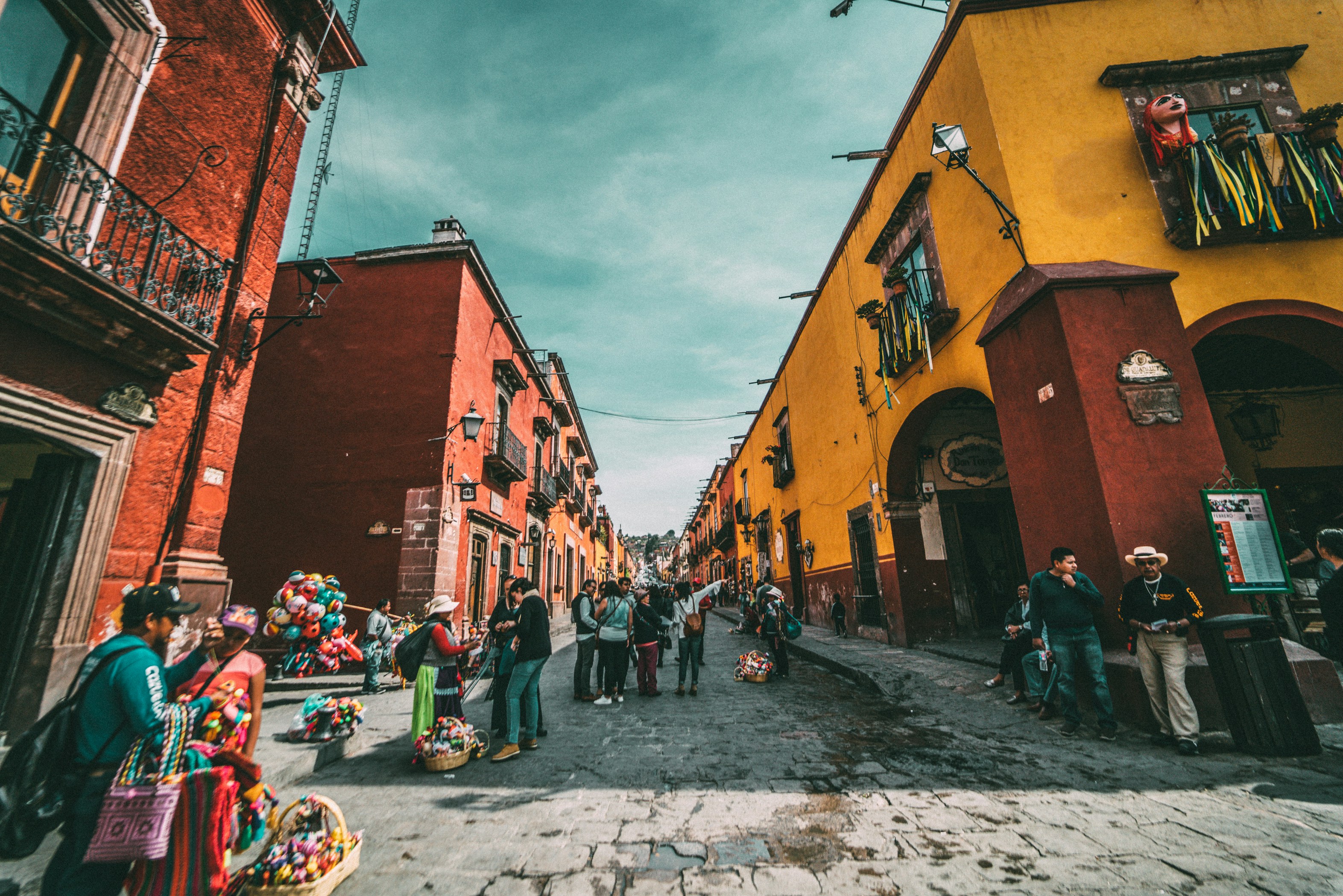
If you’re planning a trip around Mexico, it’s worth remembering that cash is still important outside big hotels and malls. Keep small notes for buses, markets, and tips, and try to avoid breaking large bills early in the day when vendors may not have change.
Mexico Exchange Rate and Where to Get Pesos for the Best Value
The best Mexico exchange rate is usually found at a bank ATM or a reputable city-centre exchange house, not at the airport, hotel, or a tourist-heavy kiosk. Travel-money guides consistently rank airport kiosks as the worst-value option, while independent casas de cambio in business districts often beat hotel desks and give you a more competitive spread.
If you need cash immediately on arrival, exchange only a small amount first—around 20 to 50 USD equivalent—just enough for transport and a quick meal, then withdraw the rest later in town. In Mexico City, exchange houses in areas such as Polanco, Condesa, and Reforma are commonly used by travellers, and you can compare posted rates before handing over money.
| Exchange method | Typical value | Best use case |
|---|---|---|
| Airport exchange desk | Poor | Emergency only |
| Hotel desk | Poor to fair | Convenience, small amounts |
| Independent casa de cambio | Fair to good | Small-to-medium cash needs |
| Bank ATM | Good | Regular cash withdrawals |
Always use a live converter when comparing rates, because quoted boards can lag the market. If you’re planning your spending in advance, the Hello app’s budget tools make it easy to track an expense in pesos and see the converted value in SGD automatically, which is helpful when you’re comparing exchange options on the fly.
Cards, Contactless Payments, and ATM Tips in Mexico
Credit cards are widely accepted in Mexico’s major cities, resorts, and mid-range restaurants, but cash still matters for street food, local buses, small shops, rural stays, and market stalls. Contactless payment is increasingly common in hotels, chain stores, and larger restaurants, yet many smaller businesses still prefer chip-and-PIN or cash, so it’s smart to carry both a card and pesos.
ATMs are available in airports, malls, bank branches, and convenience-store locations, but the safest and usually cheapest option is a bank-affiliated ATM inside a branch, mall, or guarded commercial area. Avoid random standalone machines on the street, and always check whether the ATM is offering dynamic currency conversion; if it asks to charge you in your home currency, decline and pay in pesos so your bank sets the rate.
ATM fees can add up fast: local operators may charge a withdrawal fee, and your home bank may add its own international fee. A practical strategy is to withdraw larger amounts less often, then store cash securely in separate places. If you’re staying connected with Hello eSIM for Mexico, you can open your banking app, monitor withdrawals, and check exchange rates without hunting for hotel Wi‑Fi or public hotspots. That combination makes it easier to keep track of spending in real time while you’re moving between cities.
Mexico Tipping Culture: How Much to Tip in Restaurants, Taxis, and Hotels
The Mexico tipping norm is flexible, but small gratuities are common and appreciated, especially in hospitality-heavy destinations. In restaurants, a tip of 10–15% is a safe guideline for good service, while some upscale places may include a service suggestion on the bill, so always check before adding extra.
For practical travel planning, these are common tipping ranges in 2026:
- Restaurants: 10–15% if service is not already included
- Hotel porters: 20–50 MXN per bag
- Housekeeping: 20–50 MXN per night, left daily
- Taxi drivers: round up or add 10–20 MXN for helpful service
- Tour guides: more for full-day or private tours, depending on quality
Tipping is especially normal in resort towns, beach clubs, and guided excursions, where service staff often rely on gratuities. In smaller towns, you may see more informal pricing and less pressure, but small cash tips are still a kind gesture. Use smaller bills whenever possible, because many vendors and drivers won’t have change for large notes. If you split meals or transport with friends, the Hello app’s expense splitting feature can divide the bill across currencies automatically, which is useful when some costs are in pesos and others are paid in SGD or another home currency.
Common Questions About Mexico Money, Scams, and Saving on Travel Costs
The safest money strategy in Mexico is to pay in pesos, use trusted ATMs, and ignore strangers offering “better” exchange rates. Common scams include street money changers, inflated airport rates, and card terminals that quietly convert your bill into your home currency at a bad rate.
Q: Should I bring USD to Mexico?
A: You can, but it is usually better to arrive with a small amount of cash and then use a bank ATM or reputable exchange house once you’re in town.
Q: Is cash or card better in Mexico?
A: Card is best for hotels, restaurants, and larger purchases, while cash is still essential for markets, taxis, tips, and small vendors.
Q: How do I save money on the ground?
A: Withdraw cash less often, pay in pesos, keep small notes for tips, and compare prices before exchanging anything at the airport.
Q: Are digital payment apps widely used?
A: Mexico’s everyday consumer payment culture is still card-and-cash led; travellers are more likely to rely on bank cards, contactless terminals, and local card readers than on mobile-wallet ecosystems used in places like China or Japan. For that reason, it’s safer to carry a backup card and offline access to your travel details.
A final money-saving tip: keep your receipts, especially if you’re tracking a longer trip or sharing expenses. Hello’s AI receipt scanning, multi-currency budget tracking, and automatic exchange-rate conversion make it much easier to see where your pesos went and whether you’re staying within budget.
Explore These Destinations
Stay Connected
Track your Mexico trip budget
Split expenses with friends, track spending by category, and see real-time currency conversions — all in one app.
Related Articles
Mexico Safety Guide: Tips for a Safe Trip
Safety tips, health advisories, emergency contacts, common scams, and travel insurance advice for Mexico.
20 July 2026
Day of the Dead Mexico Guide: Traditions, Travel, and Tips
Experience Día de los Muertos in Mexico — Oaxaca, Mexico City, traditions, and travel planning.
15 July 2026
Mexico Visa & Entry Requirements for Singapore Passport Holders
Visa requirements, passport validity, customs allowances, and entry tips for Singapore citizens travelling to Mexico.
11 July 2026