Mexico Cultural Guide: Etiquette, Customs, and Tips
Essential do's and don'ts, greeting customs, dress codes, local phrases, and cultural tips for Mexico.
By Hello Travel Team
This article contains affiliate links. If you book through them, Hello may earn a commission at no additional cost to you. Our editorial recommendations are independent. Learn more.
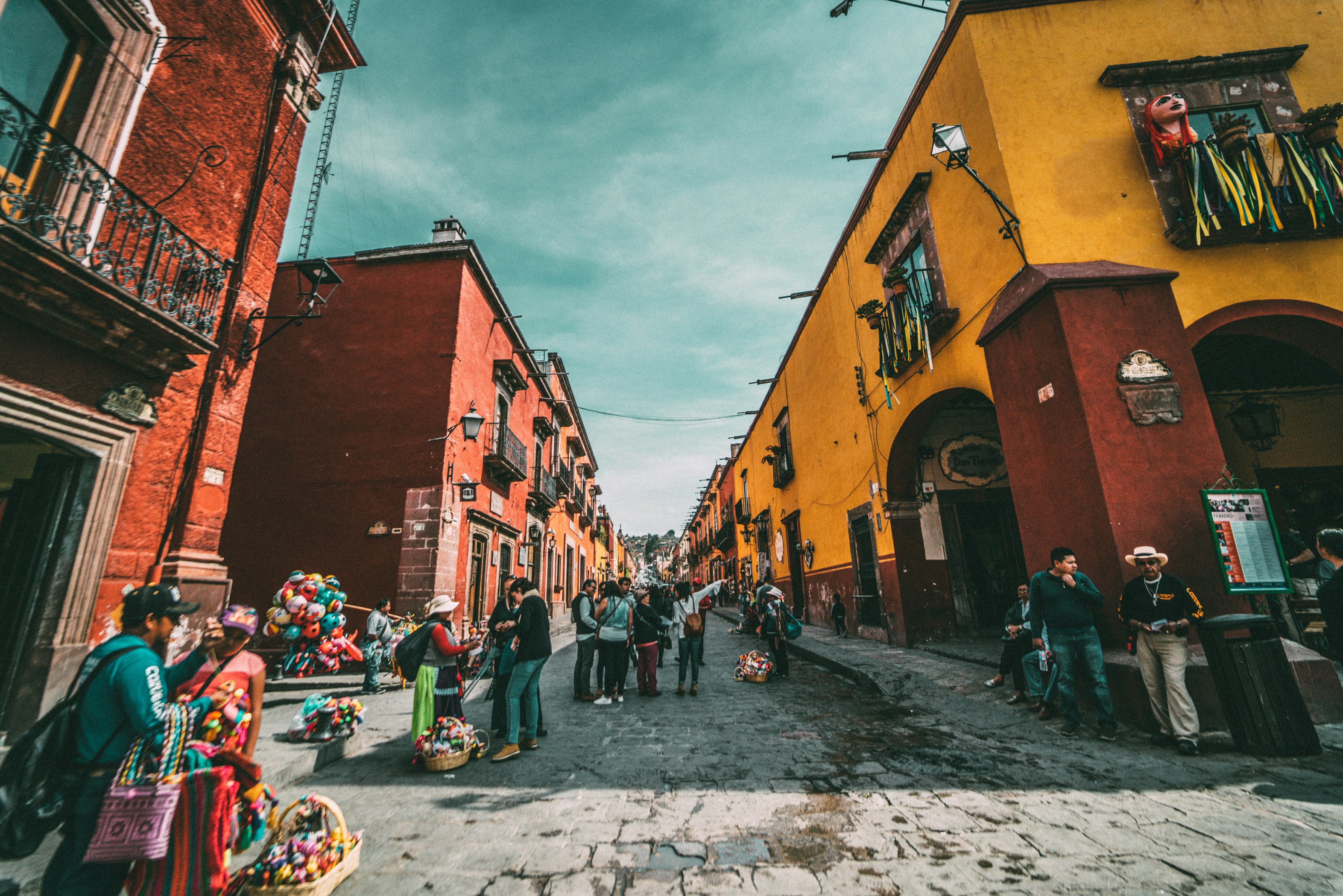
TL;DR: Mexico culture, etiquette, and essential dos and don’ts
Mexico’s culture rewards politeness, patience, and genuine curiosity—learn basic Spanish greetings, dress modestly in churches, tip regularly, and avoid sensitive jokes about politics or crime. A few Mexico etiquette basics go a long way to earning warm local hospitality and smoother travel days.
Think of Mexico as friendly but traditional in key moments: greetings matter, family comes first, and respect for elders and religious spaces is expected. A simple "Buenos días" (good morning) and a smile can transform everyday interactions, from ordering tacos to asking for directions.
Travel costs remain relatively affordable in 2026 compared to many destinations: Mexico’s Ministry of Tourism reported over 42 million international visitors in 2023, many drawn by its combination of culture and value, with typical casual meals costing around $6–12 USD and local buses $0.50–1.50 USD per ride in major cities. According to the World Tourism Organization, Mexico consistently ranks among the top 10 most visited countries globally.
This guide focuses on practical Mexico customs and dos and don’ts: how to greet people, what to wear, when it’s okay to take photos, how to behave in business meetings, and which holidays might disrupt your plans. When you’re ready to go deeper, you can explore more destination details on Mexico and manage connectivity, expenses, and trip planning through the Hello app so you spend less time worrying about logistics and more time enjoying Mexico’s vibrant everyday life.
Everyday Mexico etiquette: greetings, politeness, and social dos and don’ts
In everyday Mexico culture, etiquette is built on warmth and respect—greet people properly, use “usted” with elders, avoid complaining loudly, and be patient with slower-paced service, especially outside big cities.
Greetings are a big deal. When you enter a shop, café, or small hotel reception, a simple "Buenos días" (morning), "Buenas tardes" (afternoon), or "Buenas noches" (evening) shows you’re respectful and aware of local customs. With friends or informal contacts, "Hola" works fine. In more formal settings, or when you’re unsure, use "Mucho gusto" (nice to meet you) on first introduction.
Among Mexico’s key social dos and don’ts:
- Do say hello and goodbye when entering or leaving small spaces like family-run restaurants or hostels.
- Do be courteous with staff; tipping 10–15% in sit-down restaurants is standard in 2026.
- Do stand when shaking hands with older people or professionals.
- Don’t launch straight into business—small talk about family, hometown, or food is normal and appreciated.
- Don’t criticize Mexico culture, safety, or politics with strangers; these topics are sensitive and better avoided.
In cities like Mexico City, Guadalajara, and Mérida, you’ll find a mix of formal and informal attitudes. Younger people may switch quickly to casual "tú" (informal you), but if you’re unsure, start with "usted" (formal you) when speaking to older adults, government staff, or business contacts. This small choice often earns instant respect.
Greeting customs and useful local Spanish phrases for travelers in Mexico
Greeting customs in Mexico blend formality and warmth—start with a handshake or nod, use polite Spanish greetings, and sprinkle in key phrases like “por favor” and “gracias” to signal respect for local language and Mexico customs.
In social settings, a light handshake is common between men, while women may greet with a light handshake or cheek kiss among friends; with strangers, follow their lead rather than initiating physical contact. In business environments, a firm (but not crushing) handshake with eye contact is standard. Titles matter: "Señor" (Mr.), "Señora" (Mrs.), and "Señorita" (Miss) are used often, especially outside very informal circles.
Handy phrases for everyday Mexico etiquette:
- Hola, buenos días / buenas tardes / buenas noches – Hello, good morning / afternoon / evening
- Por favor – Please
- Gracias / Muchas gracias – Thank you / Thank you very much
- Disculpe – Excuse me (to get attention politely)
- Perdón – Sorry (for small inconveniences)
- Habla inglés? – Do you speak English?
- Cuánto cuesta? – How much does it cost?
In 2026, around 12–15% of Mexicans are estimated to have conversational English in major tourist areas, but it drops sharply in rural towns. Learning a few phrases makes daily tasks—from buying street food to negotiating taxi fares—smoother and often cheaper as you’re perceived as engaged rather than aloof.
If you use the Hello app, you can pair a Hello eSIM with offline notes of these phrases so they’re always handy, and rely on translation apps without worrying about roaming charges thanks to Hello eSIM for Mexico.
Dress codes in Mexico: religious sites, cities, beaches, and cultural expectations
Dress codes in Mexico are generally relaxed, but modest clothing is expected in churches and rural areas—cover shoulders and knees for religious sites, avoid beachwear away from the coast, and lean slightly more formal in Mexico City and business settings.
At religious sites like the Basilica de Guadalupe in Mexico City, colonial churches in Puebla, and shrines across small towns, locals often dress conservatively. Tourists aren’t expected to match exactly, but visibly respectful clothing helps: think trousers or knee-length skirts, closed shoes or simple sandals, and tops that cover shoulders and midriff. A light scarf or shawl is handy for quick coverage.
Beach resorts such as Cancún, Playa del Carmen, and Puerto Vallarta are far more relaxed: shorts, tank tops, and swimwear are normal near the water. However, walking through town in just a bikini or shirtless is generally frowned upon and can draw unwelcome attention or even refusal of service.
In cities, smart-casual works well for most Mexico culture contexts:
| Situation | Recommended Dress |
|---|---|
| Churches & shrines | Covered shoulders, knee-length bottoms |
| Casual city sightseeing | Shorts or jeans, t-shirt, comfortable shoes |
| Upscale restaurants | Smart-casual, closed shoes |
| Business meetings | Business casual or full business attire |
For business etiquette, men often wear button-down shirts and slacks, sometimes jackets; women opt for blouses, tailored trousers, or modest dresses. In 2026, many offices are slightly less formal than in the past, but overdressing a little is still safer than underdressing.
Photography, temples, and public behavior: Mexico dos and don’ts in sacred and social spaces
Respectful photography and public behavior are key to good Mexico etiquette—ask before taking close-up photos of people, follow signs in churches and museums, and avoid loud, disruptive behavior during religious services or local ceremonies.
In churches and shrines, always check for posted rules. Many prominent sites permit photos of architecture but prohibit flash or photography during Mass and private prayer. If you’re unsure, ask a staff member or local with "¿Se puede tomar fotos aquí?" (Is it allowed to take photos here?). In smaller village churches, it is often more respectful not to photograph worshippers at all.
For indigenous communities and markets—such as those in Oaxaca, Chiapas, or Yucatán—always ask before photographing craftspeople or performers, and be prepared to offer a tip if they agree. Some communities have specific rules or may request that ceremonies not be photographed; ignoring this damages trust and reinforces negative stereotypes.
Key photography dos and don’ts in Mexico customs:
- Do photograph public architecture, street scenes, and landscapes freely where allowed.
- Do ask permission for close-up portraits or children.
- Don’t use drones without checking local regulations; many areas have restrictions.
- Don’t photograph military or police installations.
Public behavior expectations are similar to many Latin American countries: lively conversation and music are normal, but aggressive drunkenness, public arguments, and loud criticism of the country or religion are considered rude. In bars and restaurants, tipping 10–15% on a $15–25 USD dinner in 2026 is standard; at informal street stalls, rounding up or leaving a few pesos is enough.
Business etiquette, punctuality, and money matters: navigating professional culture in Mexico
Business etiquette in Mexico mixes formality with relationship-building—arrive on time, dress smartly, prioritize trust and conversation before hard negotiations, and respect hierarchy and titles when addressing colleagues.
Meetings often begin with small talk, and jumping straight into numbers can be seen as brusque. Asking about someone’s hometown, family, or favorite regional food is common and not considered intrusive. Use formal titles (Licenciado, Ingeniero, Doctor) when you know them, and default to "Señor" or "Señora" plus surname when unsure.
Punctuality expectations vary: in Mexico City’s corporate circles, arriving on time—or five minutes early—is increasingly standard in 2026, especially in multinational companies. In other regions and more informal settings, a 10–15 minute delay may be tolerated. Still, as a visitor, you should aim for punctuality and be gracious if others arrive slightly late.
A simple comparison of Mexico business customs:
| Aspect | Typical Expectation in Mexico |
|---|---|
| Punctuality | Aim on time; minor delays tolerated |
| Dress code | Business casual to formal |
| Communication | Indirect, polite, relationship-focused |
| Decision-making | Often centralized, respect hierarchy |
Cash and cards: the Bank of Mexico reports that card usage is rising, but cash remains common in small towns and markets. Plan for a mix of both. Using the Hello app, you can track expenses in pesos and your home currency simultaneously, scan receipts with AI, and split trip costs with friends—particularly useful when business and leisure overlap on the same journey.
Holidays, festivals, and gift-giving customs that may affect travel plans in Mexico
Major Mexican holidays and gift-giving customs can shape your trip—expect busy travel around Easter, Independence Day, and Día de Muertos, and bring small, thoughtful gifts rather than expensive items when visiting homes or meeting close contacts.
According to Mexico’s Ministry of Tourism, domestic travel spikes significantly during Semana Santa (Holy Week), typically late March or April, with hotel occupancy in popular beach destinations often exceeding 80–90%. Prices for mid-range hotels can rise to $120–200 USD per night in 2026 in places like Cancún or Los Cabos. Other key dates:
- Día de Muertos (Day of the Dead) – 1–2 November, especially significant in Oaxaca, Pátzcuaro, and Mexico City.
- Independence Day – 16 September, with major celebrations on the evening of the 15th.
- Christmas and New Year – late December–early January, affecting transport and hotel availability.
During Día de Muertos, remember it is a living tradition honoring the dead, not a costume party. Visitors are welcome, but respectful behavior at cemeteries and altars is essential: avoid touching ofrendas (offerings), ask before taking photos, and keep voices low.
Gift-giving customs in Mexico culture emphasize thoughtfulness over price. If invited to someone’s home, bring:
- Good-quality chocolates or sweets
- A small souvenir from your country
- Flowers (avoid marigolds, often associated with funerals)
Avoid overly expensive gifts, which can feel uncomfortable, and skip sharp objects (knives) or very personal items for new acquaintances. A simple, well-chosen gift paired with a handwritten note in basic Spanish is perfect.
Common Questions: practical Mexico culture and etiquette FAQs
Most common questions about Mexico etiquette have simple answers—be polite, learn key phrases, tip modestly, dress respectfully in churches, and avoid sensitive jokes about politics, crime, or religion.
Is it okay to haggle in Mexican markets?
Yes, gentle bargaining is acceptable in many open-air markets and souvenir stalls, especially in tourist areas. Start by asking the price, then counter politely. If a vendor says no, accept it gracefully. For food, supermarkets, and most everyday shops, prices are fixed.
How much should I tip in Mexico in 2026?
In restaurants, 10–15% is standard; bars often appreciate similar tips, especially for table service. Hotel housekeeping might receive $1–2 USD (or equivalent in pesos) per night. For taxis, rounding up the fare is normal rather than a percentage tip.
Is Mexico safe for solo travelers?
Many regions are safe with normal precautions, especially central neighborhoods of Mexico City, Mérida, and parts of the Yucatán Peninsula. Official tourism statistics show millions of visitors each year without serious incident, but staying connected, using trusted transport, and avoiding isolated areas late at night remains wise.
Do I need to speak Spanish?
No, but knowing basics greatly improves interactions. In major tourist zones, hotel staff and tour operators often speak English; in smaller towns, Spanish dominates. Downloading phrase lists in the Hello app and staying online with a Hello eSIM lets you use live translation and maps without worrying about roaming.
Is tap water safe to drink?
Generally, no—most travelers stick to bottled or filtered water. Many hotels provide purified water dispensers; a 1.5L bottle costs around $0.70–1.20 USD in supermarkets in 2026.
Explore These Destinations
Stay Connected
Book this trip
Compare options on trusted travel sites
Plan activities for this trip
Continue to a reviewed booking partner to check schedules, inclusions, and terms.

Make the most of Mexico
From eSIM connectivity to expense tracking, Hello is the all-in-one companion that keeps your trip stress-free.
Related Articles
Mexico Safety Guide: Tips for a Safe Trip
Safety tips, health advisories, emergency contacts, common scams, and travel insurance advice for Mexico.
20 July 2026
Day of the Dead Mexico Guide: Traditions, Travel, and Tips
Experience Día de los Muertos in Mexico — Oaxaca, Mexico City, traditions, and travel planning.
15 July 2026
Mexico Visa & Entry Requirements for Singapore Passport Holders
Visa requirements, passport validity, customs allowances, and entry tips for Singapore citizens travelling to Mexico.
11 July 2026