Day of the Dead Mexico Guide: Traditions, Travel, and Tips
Experience Día de los Muertos in Mexico — Oaxaca, Mexico City, traditions, and travel planning.
By Hello Travel Team
This article contains affiliate links. If you book through them, Hello may earn a commission at no additional cost to you. Our editorial recommendations are independent. Learn more.
Day of the Dead Mexico TL;DR: Dates, Destinations, and Essential Planning
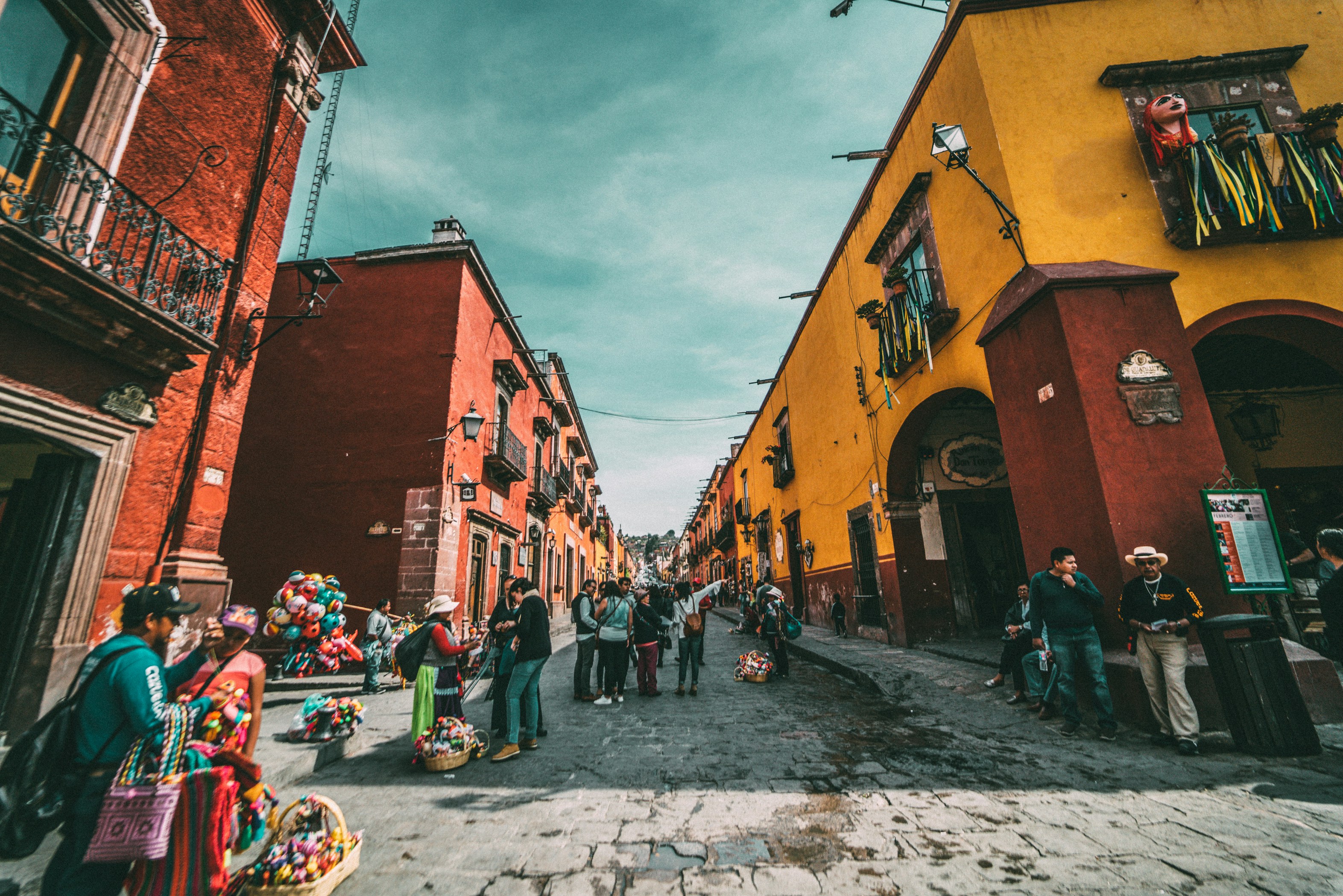
Día de los Muertos in Mexico is celebrated from October 31 through November 2, with the most atmospheric experiences in Oaxaca and Mexico City. In 2026, plan around Friday, October 30 through Monday, November 2, reserve accommodation several months ahead, and expect major public events, busy transport, and higher prices. Mexico’s tourism authorities forecast 1.6 million hotel visitors nationwide for the 2025 holiday period, showing just how significant this season is.\n\nChoose Oaxaca for community traditions, cemetery vigils, comparsas, craft villages, and regional food. Choose Mexico City for large-scale parades, public ofrendas, the Zócalo installation, museums, and easier international access. The holiday is a time to honor deceased relatives, not simply a themed costume festival, so ask before photographing families or graves.\n\nBook flights and hotels early, carry small pesos, wear comfortable shoes, and download offline maps. Crowded streets can make local WiFi unreliable, so arrange an eSIM from Hello before departure. Hello’s travel app also supports trip planning, budget tracking, receipt scanning, and expense splitting when traveling with friends.
What Is Día de los Muertos? Mexican Traditions and Local Customs
Día de los Muertos is a family-centered Mexican tradition in which loved ones remember the dead through altars, food, flowers, music, and visits to cemeteries. October 31 is commonly associated with preparing welcomes, November 1 with children and deceased relatives, and November 2 with adult souls, although customs vary by region and household.\n\nAn altar, or ofrenda, may include photographs, candles, incense, favorite meals, pan de muerto, personal objects, and bright orange cempasúchil flowers. Families may clean and decorate graves, share food in cemeteries, attend church, or hold overnight vigils. In Oaxaca, community participation is especially visible through comparsas—lively processions with musicians, dancers, elaborate makeup, and handmade costumes.\n\nTravel respectfully by following these guidelines:\n\n- Ask permission before photographing people, private altars, or mourners.\n- Treat cemeteries as sacred spaces; keep voices low and avoid blocking graves.\n- Do not remove flowers, candles, food, or decorations.\n- Join public celebrations without assuming every ceremony is open to visitors.\n- Learn a few phrases such as “¿Puedo tomar una foto?” and “Gracias.”\n\nCatrina makeup and costumes are welcome at public events, but avoid caricaturing Indigenous communities or turning funerary rituals into a photo prop.
Oaxaca Day of the Dead 2026: Comparsas, Cemeteries, and Best Bases
Oaxaca is the strongest choice for an immersive Day of the Dead Mexico trip because its celebrations combine neighborhood processions, family traditions, artisan communities, food, and cemetery visits. Oaxaca’s 2026 central program runs from October 31 through November 2, with more than 100 cultural and tourism activities announced, while related events begin earlier in the week.\n\nThe Gran Comparsa is scheduled for October 31, when decorated groups, musicians, dancers, and Catrina performers fill central streets. Oaxaca also plans exhibitions, legend walks, community activities, food events, and artisan programming from October 31 to November 2. Nearby destinations add depth: Santa Cruz Xoxocotlán is known for cemetery observances, while San Martín Tilcajete and San Antonio Arrazola are associated with woodcarving and alebrije traditions. Mitla and Tlacolula offer worthwhile day-trip options, but reserve transport in advance.\n\nStay in Centro for walkability and immediate access to processions, restaurants, and public installations. Jalatlaco is attractive and quieter, though rooms disappear quickly. For a 2026 planning estimate, budget approximately $90–$220 per night for a comfortable double room, $8–$20 for a casual meal, and $30–$70 for a guided regional excursion. Prices rise sharply around October 30–November 2. Cemetery visits may be free, but tours, workshops, and transport should be booked directly with reputable local operators.
Mexico City Day of the Dead 2026: Parade Dates, Zócalo, and Tickets
Mexico City suits travelers who want major public spectacles, museums, illuminated streets, and a dense program that can be explored without leaving the capital. The official 2026 calendar lists the Monumental Ofrenda in the Zócalo from October 29 through November 2 and “The Path” illumination on Reforma from October 23 through November 8.\n\nThe city’s 2026 program also includes the 18th Monumental Alebrije Parade on October 17, so visitors arriving early can experience an important pre-holiday event. The Gran Desfile de Día de Muertos is typically free and attracts enormous crowds; confirm the final 2026 route and start time through official Mexico City channels before traveling. Public ofrendas, Reforma installations, and street parades generally do not require tickets, while museum exhibitions, restaurants, rooftop venues, and organized tours may require advance reservations.\n\n| Experience | Typical access | Planning advice |\n|---|---|---|\n| Zócalo monumental ofrenda | Free | Visit early morning or late evening |\n| Reforma illumination | Free | Use Metro or walk between viewing areas |\n| Major parade | Free | Arrive several hours early; expect closures |\n| Cemetery or neighborhood tour | Often paid | Reserve with a local guide |\n| Museum or special dinner | Ticket or reservation | Book as soon as dates are released |\n\nStay near Centro Histórico, Roma Norte, Condesa, or Reforma depending on your priorities. Expect roughly $100–$250 per night for a mid-range double room during the 2026 peak period.
Día de los Muertos Travel Costs, Accommodation, and Connectivity Tips
The best way to manage Día de los Muertos travel is to reserve accommodation early, build flexible transport plans, and arrive with mobile data already working. Demand concentrates around October 30–November 2, and official forecasts of 1.6 million hotel visitors during the 2025 national holiday period illustrate why popular neighborhoods sell out.\n\nReserve refundable lodging by late spring or summer if possible, then recheck rates and cancellation terms. A realistic 2026 daily budget is $45–$80 for a budget traveler, $100–$180 for a comfortable traveler, or $250 and above for premium hotels, excluding international flights. Add cash for markets, taxis, cemetery donations, and small food stalls.\n\nLarge parades can overload public networks and make venue WiFi unreliable. Buy and activate Hello’s eSIM before departure so directions, translation, ride coordination, and digital tickets remain available as soon as you arrive. Hello offers plans for 200+ countries, with plans starting from 5GB and prices updated live. The Hello app for iOS and Android also includes AI receipt scanning in different languages and currencies, voice expense entry, bank statement import, automatic exchange rates, and multi-currency expense splitting.\n\nKeep a printed hotel address, a portable battery, and a small amount of cash. Save screenshots of reservations, because signal can weaken inside crowded historic centers and during major street events.
How to Navigate Crowds, Transport, Food, and Safety During the Holiday
Crowd management matters as much as sightseeing during Día de los Muertos: walk early, choose one main event per day, and avoid crossing parade routes at the last minute. In Mexico City, use Metro or Metrobús before road closures begin, then walk between central venues; in Oaxaca, many streets around Centro close or become pedestrian-only during comparsas.\n\nPractical strategies include:\n\n- Arrive two to three hours early for a major parade viewing spot.\n- Choose a landmark meeting point in case your group is separated.\n- Carry water, sunscreen, layers, and comfortable closed-toe shoes.\n- Keep phones and wallets secure in dense crowds.\n- Use official taxis, trusted ride services, or accommodation-arranged transport at night.\n- Expect restaurant waits and reserve dinner, especially on October 31 and November 1.\n\nTry pan de muerto, mole, tamales, chocolate de agua, mezcal, tlayudas, and seasonal market foods, while checking ingredients if you have allergies. In Oaxaca, many celebrations continue late into the night, but not every cemetery welcomes large tourist groups. Follow local instructions and leave quietly.\n\nHello’s connectivity is useful when meeting friends across separated crowds, translating menus, checking route changes, or recording shared costs. Its expense-splitting tools support multiple currencies and automatic conversion, making it easier to settle hotel, taxi, meal, and tour expenses after the festival.
Common Questions About Day of the Dead Mexico Travel
Most travelers should spend three to five nights in Mexico during Día de los Muertos, with Oaxaca requiring more advance cultural planning and Mexico City offering the broadest public program.\n\nWhen is Día de los Muertos in 2026? The core dates are October 31 through November 2, 2026. Events begin earlier: Mexico City’s “The Path” illumination is scheduled for October 23–November 8, and the city’s Monumental Ofrenda is scheduled for October 29–November 2.\n\nIs Día de los Muertos free? Many public parades, ofrendas, street installations, and neighborhood events are free. Museums, guided cemetery visits, workshops, special meals, and transport to nearby towns cost extra.\n\nIs Oaxaca or Mexico City better? Oaxaca is better for intimate regional traditions, comparsas, artisan villages, and cemetery customs. Mexico City is better for large parades, museums, illuminated installations, and convenient urban transport. Combining both is possible with a domestic flight, but avoid scheduling the transfer on November 1 or 2.\n\nShould accommodation be booked early? Yes. Reserve at least three to six months ahead, particularly in Oaxaca Centro and Mexico City’s Centro Histórico, Roma, Condesa, and Reforma areas.\n\nCan visitors wear Catrina makeup? Yes, at public celebrations, provided it is approached respectfully and not used to mock communities or intrude on private mourning.\n\nWhat should travelers download? Save hotel details, maps, tickets, emergency contacts, and transport information offline, then activate Hello eSIM before arrival for dependable access during crowded events.
Explore These Destinations
Stay Connected
Book this trip
Compare options on trusted travel sites
Plan activities for this trip
Continue to a reviewed booking partner to check schedules, inclusions, and terms.

Make the most of Mexico
From eSIM connectivity to expense tracking, Hello is the all-in-one companion that keeps your trip stress-free.
Related Articles
Mexico Safety Guide: Tips for a Safe Trip
Safety tips, health advisories, emergency contacts, common scams, and travel insurance advice for Mexico.
20 July 2026
Mexico Visa & Entry Requirements for Singapore Passport Holders
Visa requirements, passport validity, customs allowances, and entry tips for Singapore citizens travelling to Mexico.
11 July 2026
eSIM for Mexico: Best Plans, Coverage, and Setup Tips
Everything you need to know about using eSIM in Mexico. Best data plans, network coverage, and setup instructions.
2 July 2026