Malaysia Safety Guide: Tips for a Safe Trip
Safety tips, health advisories, emergency contacts, common scams, and travel insurance advice for Malaysia.
By Hello Travel Team
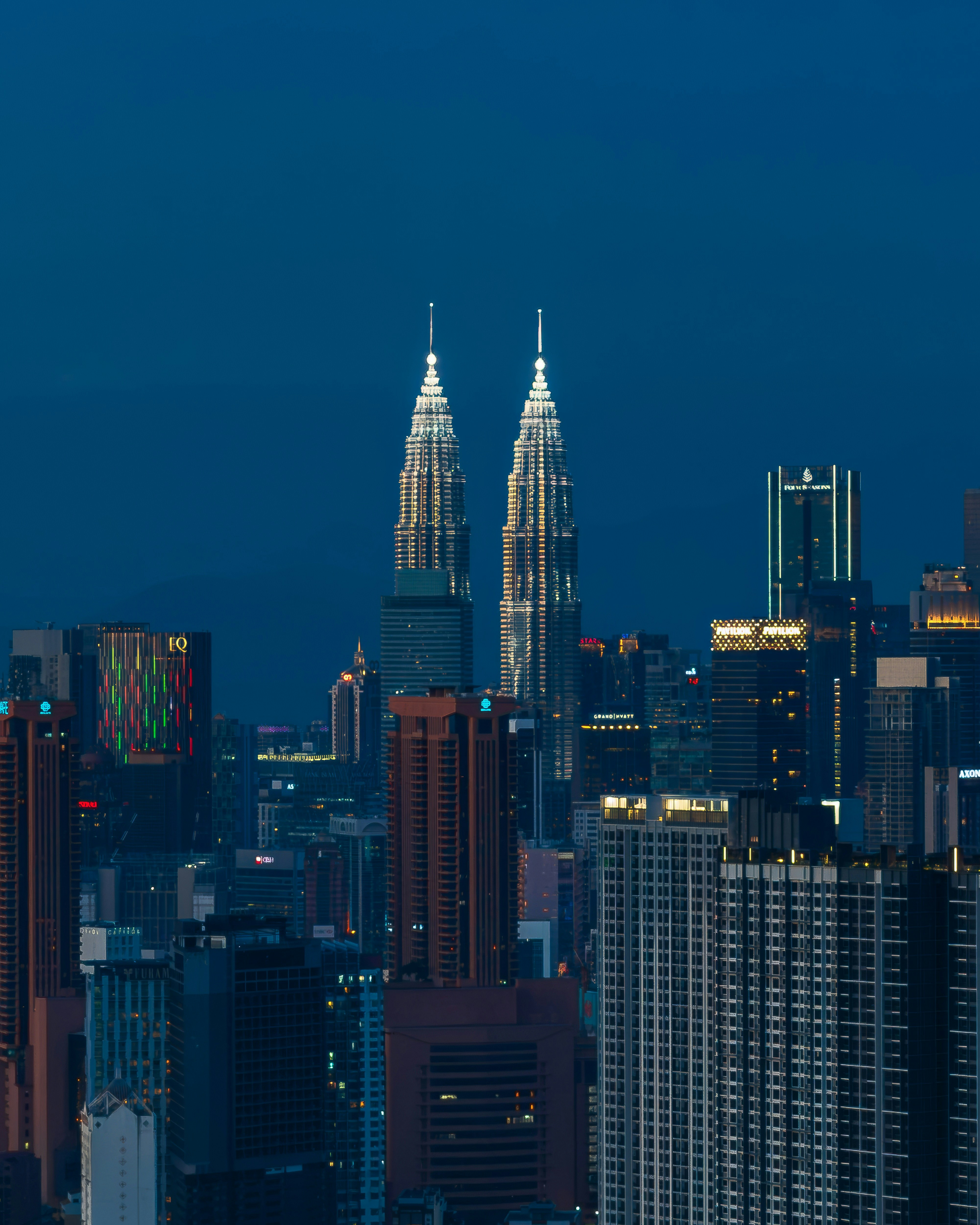
TL;DR: Is Malaysia Safe for Travellers?
Malaysia is generally a safe and welcoming destination, especially in well-visited areas such as Kuala Lumpur, George Town, Langkawi, Melaka and Kota Kinabalu. Most visitors encounter ordinary urban risks—traffic, petty theft, heat, food-related illness and scams—rather than serious crime. Practise sensible precautions, respect local laws and customs, and arrange comprehensive travel insurance before departure.
Malaysia travel safety does require extra care in parts of eastern Sabah, where official advisories may warn about kidnapping risks near certain coastal and island areas. Check your government’s latest advice before visiting. Save Malaysia’s emergency number, 999, keep digital copies of important documents, and consider arriving connected with Hello eSIM for Malaysia so you can access maps, translation and emergency information without relying on airport Wi-Fi.
Malaysia Travel Safety: Crime, Transport and Local Customs
Malaysia is considered a relatively safe destination for tourists, but staying alert in crowded transport hubs, nightlife districts and busy markets will prevent most avoidable problems. Kuala Lumpur’s Bukit Bintang, Chinatown and major rail stations are generally busy and well frequented, yet phone snatching, pickpocketing and bag theft can occur.
Use these practical habits:
- Keep phones and wallets away from the roadside when walking; motorcycle snatch theft is a known risk in some urban areas.
- Use official taxis, reputable ride-hailing services or hotel-arranged transport, and confirm the vehicle and driver before entering.
- Avoid walking alone on poorly lit streets late at night, particularly after drinking.
- Wear modest clothing when visiting mosques and religious sites; cover shoulders and knees and remove shoes where requested.
- Never photograph military facilities, border areas or sensitive government buildings.
- Take care on roads: traffic drives on the left, motorbikes are common, and pedestrian crossings are not always respected.
Malaysia’s tropical climate can make dehydration and heat exhaustion more likely. Carry water, use sunscreen and plan outdoor sightseeing around the hottest part of the afternoon. A hawker-centre meal may cost roughly RM8–25 in 2026, while a casual restaurant meal often costs RM25–60; keep small notes for markets and local buses.
Malaysia Scams: Common Tactics and How to Avoid Them
The safest response to Malaysia scams is simple: do not hand over money, cards, passports or phones because a stranger creates urgency, promises easy winnings or claims to be an authority. Canadian travel advice specifically warns about strangers inviting solo male travellers into card games, where victims have lost thousands of dollars.
Common scams include:
- Card-game invitations: Decline invitations from friendly strangers who propose gambling or a “private” social gathering.
- Fake police checks: Genuine officers may request identification, but do not hand over cash or allow anyone to inspect your wallet for supposed counterfeit notes; ask to move to a police station and call 999 if uncertain.
- Taxi overcharging: Agree on a metered fare or use a reputable app before travelling.
- ATM and card fraud: Use bank-operated ATMs inside malls or branches, shield your PIN and check your account regularly.
- Drink and food spiking: Do not accept opened drinks, snacks, cigarettes or gum from new acquaintances, particularly in nightlife settings.
- Online impersonation: Ignore messages claiming to be police, banks or delivery companies demanding urgent transfers to a “safe account.”
If a scam occurs, preserve screenshots and receipts, contact your bank immediately, and report it to police. Never try to recover money by confronting suspected scammers.
Malaysia Emergency Numbers, Embassies and Connectivity
For immediate assistance in Malaysia, call 999 for police, ambulance or fire services, explain your location clearly, and ask hotel staff or locals to help if language becomes difficult. Save emergency contacts before leaving the airport, when your phone is calm, charged and connected.
| Need | Number or action |
|---|---|
| Police, ambulance and fire | 999 |
| Tourist Police in Kuala Lumpur | 03-2146 0590; verify locally before relying on this number |
| Singapore citizens after-hours consular assistance | +60 3-2161 6277 |
| Singapore High Commission | Kuala Lumpur; use its official consular page for current office details |
| Lost cards or passport | Contact your bank and nearest embassy or high commission |
The Singapore High Commission in Kuala Lumpur provides a 24-hour duty officer for urgent consular assistance to Singaporeans. Other nationalities should save their own embassy’s emergency line before travel. Emergency operators may ask for a landmark, hotel name, street, floor and callback number.
Hello’s app combines travel planning, expense tracking and connectivity. An eSIM from Hello can be activated before departure, helping you use maps, translation, ride-hailing and emergency calls immediately after landing. Keep your phone unlocked and store key addresses offline as a backup.
Malaysia Health Advice: Vaccinations, Water and Outdoor Risks
Book a travel-health consultation about four to eight weeks before departure, although last-minute advice can still help. The CDC recommends hepatitis A vaccination for unvaccinated travellers aged one year and older visiting Malaysia, while routine vaccinations should be up to date; hepatitis B is also recommended for travellers by Canadian health guidance.
Ask a clinician whether typhoid, rabies or Japanese encephalitis vaccination suits your itinerary. Rabies precautions matter if you will hike, cycle, work with animals or spend time in rural areas: avoid unfamiliar dogs, cats and monkeys, and seek urgent medical care after any bite, scratch or saliva exposure. Yellow-fever vaccination is generally required only when arriving from a country with yellow-fever risk.
Food and water precautions are sensible rather than restrictive:
- Choose busy food stalls with high turnover and piping-hot dishes.
- Drink sealed bottled water or reliably treated water if unsure; use it for brushing teeth in remote areas.
- Wash hands before eating and carry oral rehydration salts.
- Use insect repellent and long clothing in forested or rural areas; dengue occurs in tropical cities and regions.
- Wear a life jacket for boat trips and avoid swimming after heavy rain, near strong currents or where warning flags are displayed.
Travel insurance should cover medical treatment, hospitalisation, evacuation, activities such as diving or trekking, and pre-existing conditions where declared.
Solo Female, LGBTQ+ and Family Travel Safety in Malaysia
Solo women and LGBTQ+ travellers can visit Malaysia successfully, but local laws and social expectations are more conservative than in many Western destinations. The safest approach is to choose reputable accommodation, use identifiable transport, moderate alcohol consumption and dress more conservatively outside resort areas.
Solo female travellers should share daily plans with someone at home, avoid accepting drinks from strangers, sit near other passengers on late trains or buses, and use hotel or established ride-hailing transport after dark. Keep accommodation doors locked and avoid displaying valuables. Families should use child seats where available, supervise children near traffic and check pool, beach and boat safety standards rather than assuming lifeguards are present.
LGBTQ+ travellers should understand that same-sex sexual activity is criminalised under Malaysian law, and public displays of affection can attract unwanted attention. Enforcement and social attitudes vary, but discretion is advisable, particularly in conservative states and around religious sites. Trans travellers should carry documents consistently matching their bookings where possible and consider obtaining destination-specific legal advice before departure.
For every traveller, respect Ramadan customs, avoid public intoxication, and never assume that behaviour accepted in Kuala Lumpur nightlife is appropriate in smaller towns or religious communities.
Common Questions About Malaysia Travel Safety
Malaysia is usually safe for ordinary tourism when visitors protect valuables, avoid scams, respect local laws and prepare for tropical health risks. The biggest practical concerns are traffic, petty theft, drink spiking, dengue, dehydration, difficult sea conditions and scams involving gambling or urgent money transfers.
Is Malaysia safe for solo travellers? Generally yes, particularly in established tourist areas, but use normal city precautions and take extra care at night, on isolated beaches and near remote borders.
What are Malaysia’s emergency numbers? Call 999 for police, ambulance and fire emergencies. Give a precise address or landmark and ask hotel staff to help communicate if needed.
Is tap water safe in Malaysia? Standards vary by location. Many travellers choose filtered or bottled water, especially outside major hotels and cities. Avoid ice when its water source is unclear.
Do I need travel insurance for Malaysia? Strongly consider it. A good policy should cover medical bills, hospital care, evacuation, cancellation, lost belongings and planned activities. Basic policies can exclude scooters, diving, trekking or alcohol-related incidents.
How much emergency cash should I carry? Keeping around RM100–300 in small notes is practical for transport, food and short-term disruption, while storing the remainder securely. Track shared spending in Hello with multi-currency expense splitting, receipt scanning and automatic exchange-rate conversion.
Explore These Destinations
Stay Connected
Ready for Malaysia?
eSIM data, expense splitting, budget tracking, and more. Everything you need for a smooth trip in one app.
Related Articles
Malaysia Currency & Money Guide: Exchange, Cards, and Tips
Currency exchange, credit card acceptance, ATM tips, tipping culture, and money-saving advice for Malaysia.
28 July 2026
Malaysia Visa & Entry Requirements for Singapore Passport Holders
Visa requirements, passport validity, customs allowances, and entry tips for Singapore citizens travelling to Malaysia.
10 July 2026
Best Weekend Getaways from Singapore: Short Trips Under 4 Hours
Quick weekend trips from Singapore — Bintan, Batam, Johor, Malacca, and more.
5 July 2026