Madeira Safety Guide: Tips for a Safe Trip
Safety tips, health advisories, emergency contacts, common scams, and travel insurance advice for Madeira.
By Hello Travel Team
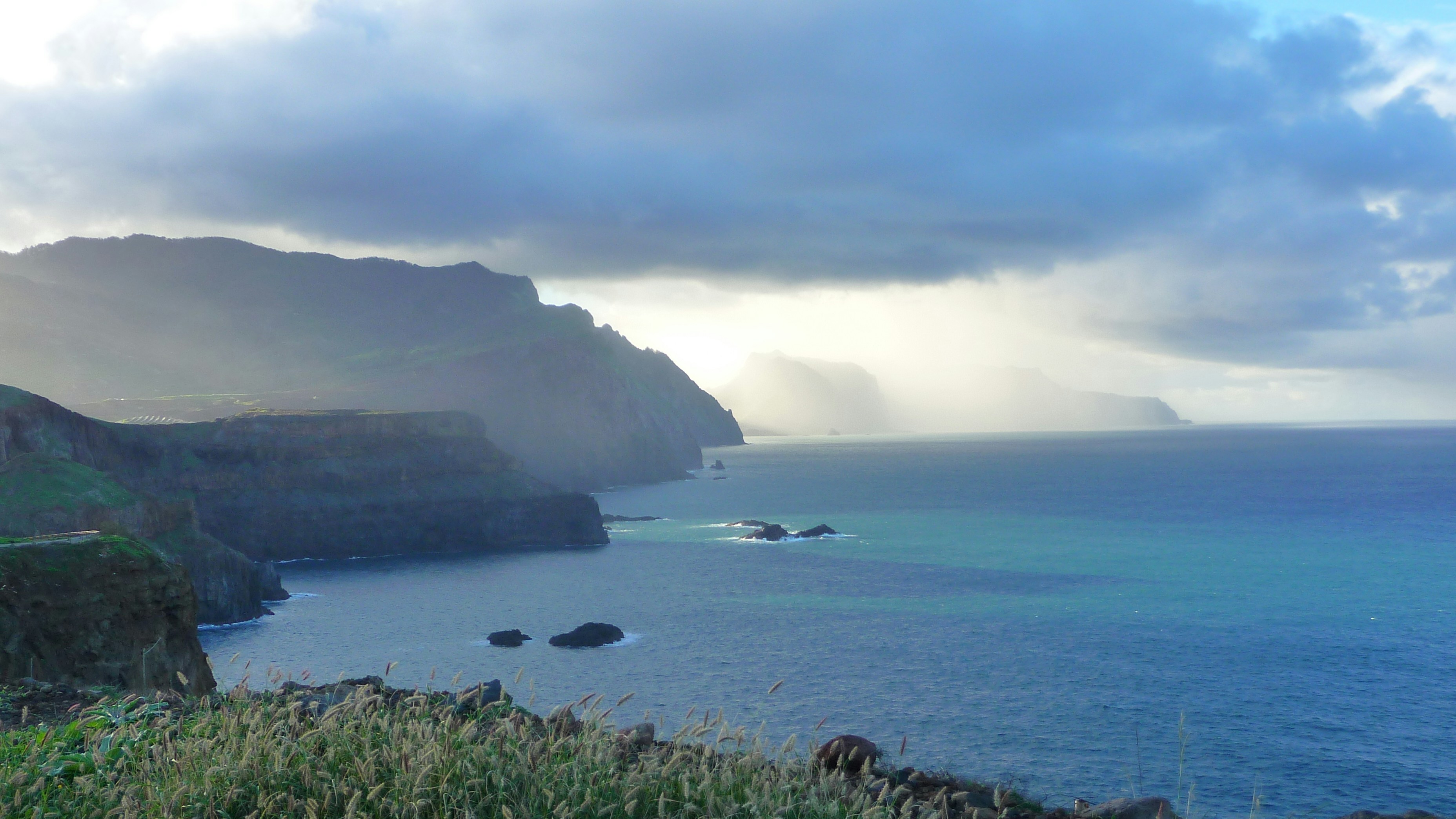
TL;DR: Is Madeira Safe to Visit?
Madeira is widely considered very safe for travelers, with low crime, friendly locals, and more risk from nature (mountain weather, cliffs, ocean) than from people. According to multiple travel safety resources, violent crime is extremely rare, and most incidents involve minor theft in busy areas of Funchal. Madeira also benefits from Portugal’s strong infrastructure and EU-level safety standards, making it a reassuring choice for solo travelers, families, and older visitors.
In practice, Madeira travel safety comes down to a few basics: secure your belongings in crowded spots, respect trail and weather warnings, and be sensible around the sea and steep roads. The universal emergency number is 112 for police, ambulance, and fire services across the island, with English-speaking operators common. Travel insurance is strongly recommended, especially if you plan to hike the levadas or rent a car on the island’s steep, winding roads.
To stay connected in an emergency, many visitors use Hello eSIM for Madeira so their phone works as soon as they land, without hunting for a local SIM at the airport. With that plus a good insurance policy and some common-sense precautions, you can focus on what Madeira does best: dramatic scenery, world-class hiking, and relaxed ocean views.
Overall Madeira Safety Rating: Crime, Nature Risks & Practical Reality
Madeira is generally safer than most mainland European cities, with low crime and the main risks coming from nature—steep terrain, sudden mountain weather changes, and strong Atlantic swells. Travel safety sites consistently describe Madeira as very safe, with violent crime noted as extremely rare compared with many destinations in Europe. One guide cites a crime index for Funchal of under 20 on Numbeo (crime index 19.76, safety index 80.24), placing it among Europe’s safer cities.
For most visitors, the biggest concerns are:
- Petty theft in crowded Funchal spots like the farmers’ market, cable car station, and waterfront promenades.
- Road safety on steep, narrow roads and older mountain routes, especially in rain or fog.
- Hiking incidents on levada trails and ridge hikes due to slips, lack of preparation, or ignoring closures.
- Ocean hazards from rough seas, strong currents, and waves on exposed coastal areas.
Portugal as a whole ranks highly on global safety indices, often appearing among the top 10–15 safest countries worldwide according to organizations like the Global Peace Index, and Madeira’s crime rate is regularly described as lower than the mainland’s. Violent attacks on tourists are exceedingly uncommon; most issues can be prevented with basic precautions such as not leaving bags unattended in rental cars and avoiding very isolated areas at night.
If you’re wondering “is Madeira safe?”, the short answer is yes—particularly compared with many other popular island destinations—provided you respect the island’s rugged landscape and keep an eye on your belongings in busy spots.
Emergency Numbers, Medical Care & Singapore Embassy Details
In any serious incident in Madeira—medical, fire, or police—the number to remember is 112, the pan-European emergency line with English-speaking operators. Multiple Madeira travel guides emphasize 112 as the single most important number, connecting you directly to ambulance, fire brigade, or police dispatch across the island. This is your first call for car accidents, serious hiking injuries, fires, or crimes in progress.
For quick reference, here are key contacts for Madeira emergency numbers and consular help:
| Service / Support | Number / Info |
|---|---|
| General emergency (police, fire, ambulance) | 112 |
| Civil Protection / weather & trail alerts | +351 291 700 112 (Madeira Civil Protection) |
| Tourist / local police (Funchal PSP) | Around +351 291 208 200–400 (station numbers often quoted in guides) |
| Non-emergency health advice (Portugal line) | 808 24 24 24 (press option for English) |
| Madeira health info line | +351 800 24 24 20 (per Portugal health guidance) |
Medical facilities in Funchal include public hospitals and private clinics; EU visitors can use their European Health Insurance Card, but all travelers are advised to carry travel medical insurance, especially if planning hiking or driving. A typical emergency consultation at a private clinic can cost €60–€120 in 2026, and hospital stays can quickly exceed several hundred euros per day.
Singapore does not maintain a resident embassy in Portugal. Consular matters for Singaporeans in Madeira are handled by the Singapore Embassy in Paris, which is concurrently accredited to Portugal and reachable by phone during working hours. In an emergency, Singapore citizens can also use the MFA Duty Office hotline listed on Singapore’s official MFA website for 24/7 consular assistance.
Health, Vaccinations, Water Safety & Natural Hazards in Madeira
Health risks in Madeira are relatively low by global standards, but travelers should still prepare for hiking-related injuries, changing weather, and strong sun rather than exotic diseases. The U.S. CDC’s traveler guidance for the Madeira Islands focuses on routine precautions such as food hygiene, sun protection, and avoiding unsafe swimming rather than on special vaccines or tropical illnesses.
For most visitors, routine vaccinations (tetanus, measles, diphtheria, polio, seasonal flu) should be up to date; some clinics may suggest hepatitis A depending on your travel style and existing coverage. Always confirm with a travel clinic 4–6 weeks before departure.
A few key health and safety tips:
- Tap water in Madeira is generally safe to drink in urban areas like Funchal; many hotels and locals drink it without issues. Sensitive stomachs may prefer filtered or bottled water, which typically costs around €0.50–€1 for 1.5L in supermarkets in 2026.
- Follow CDC-style water advice: avoid swallowing water while swimming and stick to designated swimming areas with lifeguards and clear flag systems on beaches.
- Sun is strong year-round; use SPF 30+ sunscreen, especially on exposed levada trails and coastal viewpoints.
- For hiking, pack a small first-aid kit—bandages, blister care, painkillers—and carry at least 1.5–2L of water per person for half-day walks.
Natural hazards are more significant than health ones: guides highlight flash floods, landslides, forest fires, sudden fog, and high winds, particularly in the mountains and ravines. Before hiking Pico do Arieiro–Pico Ruivo or narrow levadas, check trail status on official Madeira Civil Protection channels and avoid trails marked closed due to weather or landslide risk.
Common Scams in Madeira & How to Avoid Overpaying
Scam activity in Madeira is limited compared with major European cities, but travelers still report a few recurring issues—most involving overpricing rather than outright fraud. Several Madeira-specific guides note that the main concerns are petty theft and tourist-focused overcharging in busy Funchal areas like the farmers’ market and waterfront.
Here are Madeira scams and annoyances to watch for:
- Inflated prices at Funchal Farmers’ Market (Mercado dos Lavradores): Some visitors report being charged significantly more than locals for fruit tastings or vacuum-packed fruit. Always check prices per kilo and confirm the total before agreeing. If the price feels high, politely decline and move on.
- Restaurant “tourist menus”: In very touristy streets, menus may not include all fees. Ensure prices are clearly marked, ask if bread/olives are charged (often €1–€3 per person in 2026), and check the bill for add-ons.
- Taxi / unofficial tour markups: Most taxis are honest, but always confirm if the meter will be used or agree a fixed fare before scenic trips. For common routes (e.g., Funchal–airport), check your hotel’s guidance on typical prices.
- Minor pickpocketing: Particularly in crowded old-town lanes, viewpoints, and cable car queues. Use a cross-body bag with zips, keep wallets in front pockets, and avoid leaving phones on café tables at the edge of the street.
Compared with many destinations, Madeira travel safety issues are mild, and aggressive scams are rare. Paying with card where possible, checking receipts, and photographing rental car conditions at pickup will prevent almost all money-related issues. Staying connected with an eSIM from Hello also helps you quickly check real-time taxi prices, restaurant reviews, or trail warnings before committing to anything.
Solo Female & LGBTQ+ Traveler Safety in Madeira
Solo female and LGBTQ+ travelers generally find Madeira welcoming and low-stress, especially compared with large mainland cities. Travel safety reports and first-hand blogs routinely describe Funchal as calm, with very low violent crime and minimal street harassment, particularly during the day and in main tourist districts.
For solo female travelers, the main advice is practical rather than fear-based:
- Choose accommodation in central Funchal or well-known coastal towns, where streets are more lit and busy at night.
- At night, stick to main roads and waterfront promenades instead of very quiet back alleys.
- Standard precautions apply: watch your drink, avoid leaving bags on chair backs, and use licensed taxis or reputable ride services after late dinners.
- For hiking, share your route with your hotel, start early, and avoid very exposed ridge trails alone in bad weather.
Portugal legally protects LGBTQ+ rights and ranks highly in Europe for equality measures, and Madeira reflects this broader climate. While the island’s atmosphere can feel more traditional than cities like Lisbon, visitors commonly report little to no overt hostility. Discreet same-sex couples generally feel comfortable in hotels, restaurants, and on tours, especially in touristy areas.
For both groups, the bigger safety factor is nature rather than people: cliff paths, slippery levadas, and changing mountain conditions. Joining guided hikes or small-group tours is a good option if you prefer extra reassurance. Having mobile data via Hello eSIM for Madeira also lets you share your location with friends, quickly look up safe routes, and call 112 with your GPS position if needed.
Travel Insurance, Connectivity & Budget Safety Tips for Madeira
Because Madeira’s main risks involve hiking, driving, and the ocean—not crime—good travel insurance and reliable connectivity are your best safety tools. Multiple safety-oriented guides recommend taking out travel and medical insurance before visiting Madeira, particularly if you plan to hike narrow levadas, drive mountain roads, or try activities like canyoning or paragliding.
When choosing Madeira travel insurance, look for:
- Medical coverage that includes emergency evacuation, as helicopter rescue from remote trails can be expensive.
- Adventure sports add-ons if you plan guided canyoning, high-altitude hikes, or diving.
- Rental car coverage for damage on narrow roads or parking scrapes in steep garages.
- Coverage for trip delays and lost baggage, especially if you’re connecting via Lisbon or another European hub.
Staying connected helps you check weather alerts, navigation, and emergency contacts on the go. An eSIM from Hello lets you buy and activate data before your flight, arrive in Madeira already online, and avoid relying on patchy Wi‑Fi when you most need maps or translation. Plans typically start from 5GB and pricing is updated live in the Hello app, so you can match your budget to your trip length.
To keep your budget and safety aligned, the Hello app also offers expense tracking and splitting: AI receipt scanning (any language/currency), voice expense entry, and multi-currency tracking with automatic exchange rates. This helps you avoid bill confusion in groups, monitor spending on tours and taxis, and spot any suspicious charges quickly—another subtle layer of financial safety while you explore.
Common Questions About Madeira Safety (Q&A)
Many travelers ask the same core questions about Madeira safety, and the answers are reassuring: the island has low crime, reliable emergency services via 112, and more environmental than criminal risks. Below are concise answers to the questions people search most before booking.
Is Madeira safe for tourists?
Yes. Travel safety sites describe Madeira as very safe, with violent crime extremely rare and crime levels lower than mainland Portugal. Most issues involve minor theft or injuries from hiking and driving.
Is Madeira safe at night?
Funchal and main resort areas are generally calm at night, with families and couples out on promenades. Stick to lit streets, avoid very quiet alleys, and use taxis after late nights, especially if you’re alone.
Is Madeira safe for solo female travelers?
Largely yes. Reports highlight low harassment levels and a relaxed atmosphere. Normal precautions—watching drinks, avoiding isolated areas late, and telling someone your hiking plans—are still important.
What are the biggest dangers in Madeira?
Natural hazards: steep roads, sudden mountain weather, slippery levada paths, and strong Atlantic waves or currents. Checking trail closures and weather alerts before hikes dramatically reduces risk.
Are there many scams in Madeira?
Not many. Occasional overcharging at markets or touristy restaurants and minor pickpocketing in crowds can happen, but aggressive scams are uncommon.
What emergency number do I call in Madeira?
Dial 112 for any emergency—police, fire, or ambulance. Operators commonly speak English, and this number works anywhere on the island.
Do I need special vaccines for Madeira?
Health authorities like the CDC focus on routine vaccines and standard hygiene; there are no special Madeira-only vaccine requirements for most travelers beyond what’s typical for Europe.
Explore These Destinations
Stay Connected
Ready for Madeira?
eSIM data, expense splitting, budget tracking, and more. Everything you need for a smooth trip in one app.
Related Articles
Madeira Currency & Money Guide: Exchange, Cards, and Tips
Currency exchange, credit card acceptance, ATM tips, tipping culture, and money-saving advice for Madeira.
28 July 2026
Madeira Visa & Entry Requirements for Singapore Passport Holders
Visa requirements, passport validity, customs allowances, and entry tips for Singapore citizens travelling to Madeira.
10 July 2026
eSIM for Madeira: Best Plans, Coverage, and Setup Tips
Everything you need to know about using eSIM in Madeira. Best data plans, network coverage, and setup instructions.
1 July 2026