Luxembourg Cultural Guide: Etiquette, Customs, and Tips
Essential do's and don'ts, greeting customs, dress codes, local phrases, and cultural tips for Luxembourg.
By Hello Travel Team
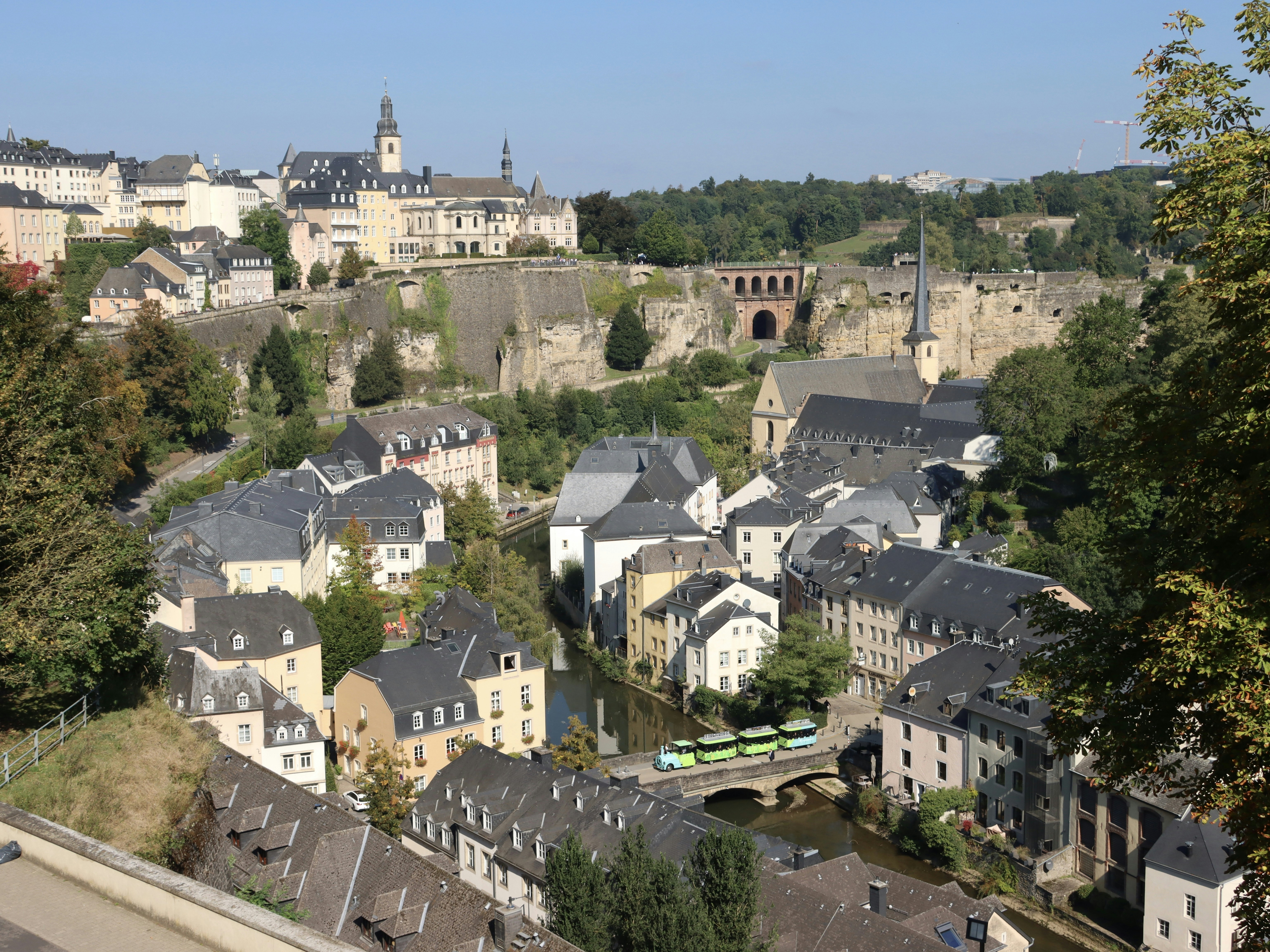
TL;DR: Essential Luxembourg etiquette and customs at a glance
Luxembourg culture is polite, multilingual, and quietly formal, with an emphasis on punctuality, modest dress, and respectful greetings in Luxembourgish, French, or German. Learn the key dos and don’ts, basic phrases, and gift-giving and business etiquette, and you’ll fit in smoothly from day one.
Think of Luxembourg as a blend of German structure, French finesse, and local Luxembourgish warmth. People tend to be reserved at first but friendly once you’ve broken the ice, and visitors who show curiosity about the country’s three official languages (Luxembourgish, French, German) are appreciated.
Key dos: arrive on time, greet with a handshake in professional settings, dress neatly in cities and more modestly for churches, and respect quiet hours in residential areas. Key don’ts: don’t assume everyone speaks English, don’t talk loudly on public transport, and avoid controversial political remarks about neighboring countries.
For everyday logistics—like staying connected, splitting trip expenses, and tracking your budget—using Hello’s travel companion app can make your visit smoother. An eSIM from Hello lets you arrive in Luxembourg with data ready to go, while shared expense tracking is ideal if you’re splitting hotel and restaurant bills across euros and other currencies.
Use this guide as a cultural shortcut: learn how to greet people, what to wear, when you can take photos, how to behave in meetings, and which local holidays could quietly shut down parts of the city during your stay.
Luxembourg culture basics: language, communication, and everyday dos and don’ts
Luxembourg culture is relaxed yet structured, with polite communication, multilingualism, and a strong respect for privacy shaping everyday etiquette and social dos and don’ts across the country’s cities and villages. If you’re considerate, punctual, and modest, you’ll rarely put a foot wrong.
Luxembourg has around 660,000 residents as of 2024, and more than 47% are foreign nationals, according to national statistics. This makes daily life highly international, but local etiquette still matters: people line up orderly for buses, keep voices moderate, and value personal space.
Common cultural norms and tips:
- Language mix: Luxembourgish at home and socially, French in administration and restaurants, German in media. English is widely understood in Luxembourg City, but not guaranteed everywhere.
- Politeness: Always say Bonjour or Moien when entering small shops and Merci when leaving.
- Punctuality: Arriving 5–10 minutes early for appointments is seen as respectful.
- Noise: Avoid loud conversations on trains and buses; headphones should be kept at a reasonable volume.
Here’s a quick comparison of everyday dos and don’ts:
| Situation | Do in Luxembourg | Don’t in Luxembourg |
|---|---|---|
| On public transport | Speak quietly, offer seats to elderly | Eat messy food or talk loudly |
| In restaurants | Greet staff, say thank you, tip modestly (5–10%) | Click fingers or shout for service |
| In residential areas | Respect quiet evenings, especially Sundays | Play loud music outdoors late at night |
| In queues | Wait your turn, keep a small distance from others | Push ahead or stand too close |
Staying connected helps you adapt quickly: Hello eSIM for Luxembourg on the Luxembourg eSIM page lets you check translations, transit apps, and maps without hunting for Wi‑Fi.
Greetings, local phrases, and polite communication in Luxembourg
Luxembourg greeting customs are formal but friendly, with handshakes, polite titles, and a mix of Luxembourgish, French, and German phrases used depending on context; learning just a few basics shows respect and instantly improves your interactions with locals.
In everyday encounters, a simple greeting and eye contact are important. In professional settings, a firm but not overpowering handshake is standard, while in more familiar social circles, three light kisses on the cheeks (starting on the left) can appear—but don’t initiate this unless the local does first.
Useful basic phrases:
- Luxembourgish: Moien (hello), Äddi (goodbye), Wann ech gelift (please), Merci (thank you).
- French: Bonjour (good day), Bonsoir (good evening), S’il vous plaît (please), Merci beaucoup (thank you very much).
- German: Guten Tag (good day), Bitte (please/you’re welcome), Danke (thank you).
Practical etiquette tips:
- In shops and cafés, start in French (Bonjour)—many staff are used to it. If you hear Luxembourgish, you can reply with Moien.
- Use formal forms (vous in French, Sie in German) with strangers and older people.
- Titles matter in business: use Monsieur/Madame or Dr./Prof. until invited to use first names.
Most people working in tourism or finance will have workable English, but making an effort in the local languages is a cultural signal that you’re interested in Luxembourg rather than just passing through. Keeping translation apps handy on your phone—powered by an eSIM from Hello—helps you read menus, ticket machines, and official notices without stress.
Dress codes, religious sites, and photography rules in Luxembourg
Dress codes in Luxembourg are smart-casual in cities, more relaxed in nature, and modest in religious sites, with photography generally allowed but sometimes restricted in churches, museums, and government buildings, so always check signage and ask when in doubt.
Luxembourg City, Esch-sur-Alzette, and other urban hubs lean towards discreet, well-presented clothing. Jeans with a neat shirt, closed shoes, and a simple jacket are fine for most restaurants and bars. In 2026, mid‑range restaurants in the city often cost €20–30 per main dish, and while dress codes aren’t strictly enforced, overly sporty or beachwear-style outfits look out of place.
For religious sites such as Notre-Dame Cathedral in Luxembourg City or smaller village churches:
- Cover shoulders and avoid very short shorts or skirts.
- Remove hats inside, except for religious reasons.
- Speak quietly and avoid phone calls.
Photography etiquette:
- In churches: flash is often discouraged during services, and some chapels may prohibit photography altogether.
- In museums and exhibitions: photography may be allowed without flash, but some temporary exhibits can be “no photos”; respect the posted rules.
- Government and military buildings: avoid taking close-up photos of security staff, vehicles, or entrances.
Here’s a snapshot of what’s appropriate:
| Location | Recommended Dress | Photo Rules |
|---|---|---|
| Cathedral or village church | Modest, shoulders covered | Ask or follow signs, avoid flash |
| Business district restaurant | Smart-casual, closed shoes | Usually fine, avoid disturbing other guests |
| Hiking trails in the Ardennes | Weather-appropriate outdoor wear | Freely allowed, respect privacy of others |
Carrying a connected phone via Hello eSIM helps you check opening hours and specific photography policies, which can change for special events or services.
Business etiquette and professional customs in Luxembourg
Business etiquette in Luxembourg combines punctuality, formal communication, and a preference for structured meetings, with hierarchies respected but not stiff and relationship-building often happening over lunches and coffees in the city’s compact business districts.
Luxembourg is a major European financial center—over half of employment in the country is in services, with finance and EU institutions playing a key role. That translates into international business norms, but with local touches:
- Punctuality is critical: arrive 10 minutes early for meetings.
- Dress code: business formal (suit and tie, tailored dresses) is common in finance, law, and government; business-casual may be fine in tech or creative sectors.
- Greetings: a firm handshake, eye contact, and the appropriate title (Mr./Ms./Monsieur/Madame) set the tone.
Meeting etiquette and communication:
- Meetings usually follow an agenda and start with small talk about travel, weather, or neutral topics—avoid diving immediately into controversial politics or fiscal debates.
- English is widely used in business, but documents may be in French or German; don’t assume everyone prefers English.
- Decisions can be made collaboratively but with respect for senior managers; interrupting or speaking over others is frowned upon.
If you’re visiting Luxembourg for work, planning and budgeting your trip carefully matters. As of 2026, a mid-range hotel in the city center often costs €120–200 per night on weekdays, reflecting the strong business demand. Using the Hello app’s expense splitting and multi-currency budget features makes it easier to claim expenses later or share costs if you’re traveling with colleagues.
In cross-border meetings involving partners from France, Germany, or Belgium, Luxembourg’s role as a multilingual hub means following local etiquette helps you build trust quickly.
Local holidays, Sunday quiet, and gift-giving customs in Luxembourg
Luxembourg’s public holidays, Sunday quiet culture, and understated gift-giving traditions can affect your travel plans, with shops closing, reduced public transport, and subtle expectations for small, thoughtful gifts in social and business contexts.
Luxembourg has around a dozen official public holidays. Key dates that often affect visitors include:
- National Day (Grand Duke’s official birthday) on 23 June: major celebrations, fireworks, and some closures.
- Christmas (25 December) and Boxing Day (26 December): many shops and restaurants closed or with limited hours.
- Easter Monday and Pentecost Monday: banks and public offices usually closed; reduced transport.
On Sundays, a European “quiet day” tradition is strong: many smaller shops outside Luxembourg City close, and residential areas remain calm. Large supermarkets may open for limited hours, but planning ahead—especially for groceries and pharmacy items—is wise.
Gift-giving customs:
- Social visits: bringing flowers, chocolates, or a bottle of wine when invited to someone’s home is appreciated; avoid red roses unless the relationship is romantic.
- Business contexts: small, high-quality branded items (pens, notebooks) or local specialties from your country are fine—avoid overly expensive gifts that could be seen as inappropriate.
- Wrapping: neat, understated wrapping is preferred; avoid very flashy styles.
Here’s how holidays and customs can impact you:
| Aspect | What to Expect in Luxembourg | Travel Tip |
|---|---|---|
| Public holidays | Office closures, reduced transport, busy city celebrations | Check timetables and book restaurants early |
| Sundays | Quieter streets, limited shopping hours | Buy essentials on Saturday |
| Gift-giving | Small, tasteful gifts, no price discussion | Avoid overly personal or lavish presents |
Tracking holiday dates and adjusting your budget is easier when your trip planning and expense tracking live in one place, such as the Hello app.
Common questions about Luxembourg etiquette and cultural dos and don’ts
Most etiquette questions in Luxembourg revolve around language, tipping, dress codes, and photography, and the short answers are: be polite, modest, and punctual; tip modestly when service is good; and always check for signs before taking photos in sensitive locations.
Is English widely spoken in Luxembourg?
Yes, especially in Luxembourg City, the financial sector, and tourist-facing businesses. However, locals often switch between Luxembourgish, French, and German, so starting in French or with Moien shows respect.
Do I need to tip in restaurants and cafés?
Service charges are generally included, but it’s common to round up or leave around 5–10% in mid-range places when service is good—for example, adding €3–4 to a €35 bill in 2026. In bars, rounding up to the nearest euro is fine.
What should I avoid talking about?
Avoid sweeping generalizations about neighboring countries, tax policies, or EU politics unless you know the group well. Luxembourg is politically engaged but appreciates nuanced, informed discussion.
Is Luxembourg expensive compared to other European countries?
Yes. According to Eurostat comparisons, Luxembourg’s price level for household consumption is among the highest in the EU. Expect mid-range meals around €20–30 per person and local public-transport day tickets around €0 because standard nationwide public transport has been fare-free since 2020.
How can I stay connected and manage my budget?
Using Hello’s eSIM for Luxembourg from the Luxembourg page lets you skip airport SIM queues and go straight to maps, translators, and messaging. The Hello app’s multi-currency expense tracking and AI-powered receipt scanning help you stay on top of your spending in one of Europe’s pricier destinations.
Explore These Destinations
Stay Connected
Make the most of Luxembourg
From eSIM connectivity to expense tracking, Hello is the all-in-one companion that keeps your trip stress-free.
Related Articles
Luxembourg Currency & Money Guide: Exchange, Cards, and Tips
Currency exchange, credit card acceptance, ATM tips, tipping culture, and money-saving advice for Luxembourg.
28 July 2026
Luxembourg Safety Guide: Tips for a Safe Trip
Safety tips, health advisories, emergency contacts, common scams, and travel insurance advice for Luxembourg.
19 July 2026
Luxembourg Visa & Entry Requirements for Singapore Passport Holders
Visa requirements, passport validity, customs allowances, and entry tips for Singapore citizens travelling to Luxembourg.
10 July 2026