Lebanon Food Guide: Must-Try Dishes, Prices, and Tips
Best local dishes, street food, restaurant prices, dietary options, and food safety tips for Lebanon.
By Hello Travel Team
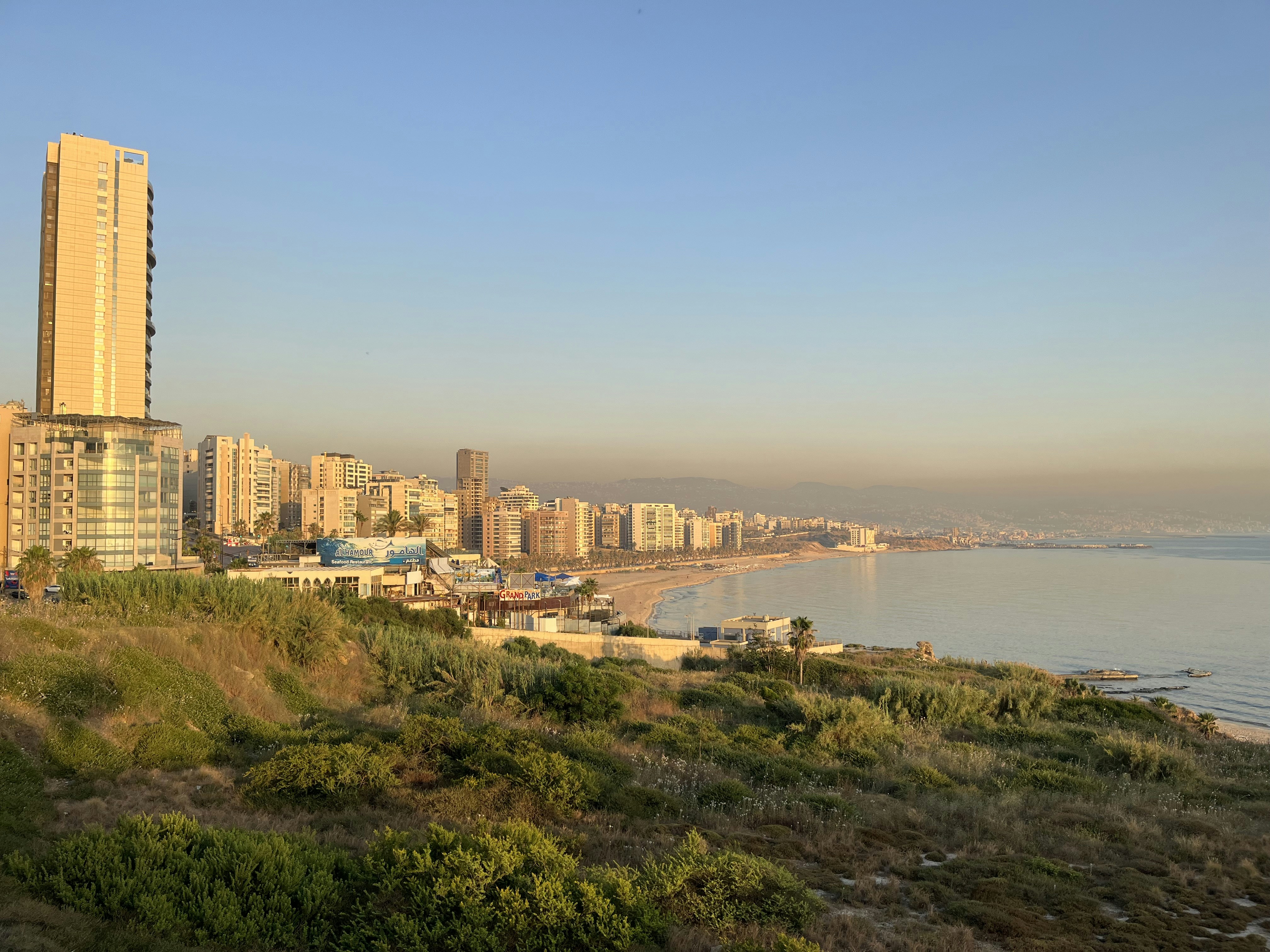
TL;DR: What to Eat in Lebanon and What It Costs
Lebanon is one of the best food destinations in the Middle East for travellers who want big flavour without spending a fortune. The must-try food in Lebanon ranges from inexpensive street snacks like manakish and falafel to generous mezze spreads, grilled meats, and seafood dinners that still cost far less than in many major cities. Lebanon’s hospitality culture means portions are often large, service is warm, and sharing plates is the norm.
Must-Try Lebanese Dishes: The Best Lebanon Food Guide Picks
The Lebanon food guide starts with the classics: hummus, tabbouleh, fattoush, kibbeh, shawarma, mana’eesh, and warak enab. If you only have a few meals, focus on dishes that show both everyday local eating and restaurant favourites. Beirut’s neighbourhoods like Gemmayze, Mar Mikhael, and Hamra are especially good for trying a wide range of dishes in one trip. Many travellers ask what to eat in Lebanon first, and the answer is simple: start with mezze, then add one grilled or baked main.
A smart first order is a mezze table with hummus, baba ghanoush, labneh, olives, pickles, and fresh bread, followed by kibbeh nayyeh if you are comfortable eating raw meat and the restaurant is reputable. For something more casual, mana’eesh za’atar is a breakfast staple and one of the cheapest ways to eat well. Falafel sandwiches are another easy win, especially for vegetarians. If you want something richer, try sayadieh (fish and rice), kafta, or a mixed grill. In coastal cities like Tyre and Byblos, seafood restaurants are especially rewarding and often very good value.
Lebanon Street Food vs Restaurant Prices in 2026
Street food in Lebanon is usually the best value, while sit-down restaurants cost more mainly because of larger portions and mezze sharing culture. In 2026, a street-food meal often costs around 150,000–400,000 LBP (roughly $2–$5 depending on exchange rates), while a mid-range restaurant meal commonly lands around 700,000–2,000,000 LBP (about $8–$23). Upscale restaurants in Beirut can go much higher, especially for seafood, cocktails, or tasting menus.
Here’s a practical comparison for planning your food budget:
| Item | Typical price in LBP | Approx. USD |
|---|---|---|
| Mana’eesh snack | 80,000–200,000 | $1–$2.50 |
| Falafel sandwich | 150,000–350,000 | $2–$4 |
| Shawarma wrap | 200,000–500,000 | $2.50–$6 |
| Mezze for one at a casual restaurant | 500,000–1,200,000 | $6–$14 |
| Main dish at a mid-range restaurant | 600,000–1,800,000 | $7–$21 |
| Upscale dinner per person | 2,500,000+ | $29+ |
Prices vary by neighbourhood, season, and currency movement, so it’s wise to check menus before ordering heavily. If you’re tracking spend across lots of little food stops, the Hello app’s AI receipt scanning makes it easy to log expenses in any currency and keep your food budget under control.
Halal, Vegetarian, and Vegan Options in Lebanon
Lebanon is one of the easiest destinations in the region for travellers with dietary preferences because halal, vegetarian, and vegan choices are widely available. Most meat in Lebanon is halal by default in many casual and traditional restaurants, but if it matters to you, it’s still worth asking the staff directly. Vegetarian travellers have an especially easy time because Lebanese cuisine naturally includes many plant-based mezze dishes.
Common vegetarian and vegan-friendly options include hummus, moutabal, foul, fattoush, tabbouleh, stuffed grape leaves, fried potatoes, lentil soup, and many bean-based dishes. Vegan travellers should still watch for butter, yoghurt, cheese, and ghee, which can appear in unexpected places, especially in breakfast items and some baked dishes.
If you are ordering in Arabic, these phrases help: “bi-la laban” means without yoghurt, “bi-la jibne” means without cheese, and “nabaati” is often understood as vegetarian. In Beirut and larger cities, many modern cafes label vegetarian and vegan items clearly, while traditional restaurants are happy to explain ingredients. For travellers who want to stay connected while navigating menus or translating ingredients, an eSIM from Hello is useful for instant data on arrival, and you can use Hello eSIM for Lebanon before you fly.
Food Safety Tips for Lebanon: How to Eat Well Without Worry
Food in Lebanon is generally safe and delicious when you choose busy, reputable places and use a few simple common-sense habits. The safest approach is to eat where food is made fresh, water is served bottled, and turnover is high, especially for street food and salads. In summer, heat can affect dairy, seafood, and pre-prepared mezze more quickly, so freshness matters more than usual.
A few practical tips go a long way: choose vendors with a steady local crowd, order cooked dishes if you are unsure about hygiene, and avoid raw items if the restaurant looks quiet or the ingredients seem unrefrigerated. If you have a sensitive stomach, peeled fruit, hot bread, grilled meat, and freshly prepared mezze are usually safer than buffet-style spreads left out for long periods. Tap water is not the safest default for visitors, so bottled water is the easiest option.
It also helps to carry small cash because some smaller eateries may not accept cards, and currency confusion can make receipts hard to track. That is where Hello’s budget tools are handy: its AI receipt scanning can organise food expenses by currency, category, and day, which is especially useful on a trip built around café hopping and mezze meals.
Lebanon Food Guide for First-Time Visitors: Where to Eat and How to Budget
The best Lebanon must try food is often found in simple neighbourhood bakeries, busy sandwich shops, and family-run restaurants rather than only in expensive dining rooms. In Beirut, Hamra is great for casual eats, Mar Mikhael for modern Lebanese restaurants, and Downtown for polished dining. Outside the capital, Byblos is excellent for scenic meals, Tyre for seafood, and the Bekaa Valley for hearty traditional cooking.
For budgeting, a realistic food spend for an average traveller in 2026 is often 1,000,000–2,500,000 LBP per day (about $12–$29) if you mix street food, simple lunches, and one nicer dinner. Add more if you want rooftop restaurants, seafood feasts, or frequent desserts like knafeh and mahalabiyeh. Tipping is common but not always mandatory; leaving around 5–10% for good service is appreciated in many sit-down restaurants, while rounding up is fine at cafés and casual spots.
If you are combining food stops with sightseeing, the easiest strategy is to save restaurant meals for dinner and use street food or bakery snacks for breakfast and lunch. That way, you get the full range of Lebanese flavours without overspending. A Hello app budget tracker can also help you split bills with friends and keep daily food costs visible at a glance.
Common Questions About Eating in Lebanon
Lebanese food is easy to enjoy on almost any budget, and most travellers can eat very well with a mix of street food and casual restaurants. Below are quick answers to the most common food questions travellers ask before visiting Lebanon.
Q: Is Lebanese food expensive for tourists? A: Not usually. Street food and casual meals are affordable, and even mid-range restaurant dining often costs less than in many Western cities.
Q: What is the cheapest food to eat in Lebanon? A: Mana’eesh, falafel sandwiches, and shawarma wraps are usually the cheapest filling options.
Q: Is it easy to find vegetarian or vegan food in Lebanon? A: Yes. Mezze culture makes vegetarian eating very straightforward, and many dishes can be vegan or easily adapted.
Q: Is street food safe in Lebanon? A: Usually yes if you choose busy vendors, eat freshly cooked food, and avoid items that have been sitting out in the heat.
Q: Do I need cash for food in Lebanon? A: Yes, it’s smart to carry cash because small eateries may prefer it, and exchange-rate volatility can make budgeting harder.
Q: How can I manage food spending on the trip? A: Use the Hello app to scan receipts, track multi-currency expenses, and split meals with friends when you’re sharing mezze or taxi rides to dinner spots.
Explore These Destinations
Stay Connected
🇱🇧 eSIM Plans for Lebanon
Make the most of Lebanon
From eSIM connectivity to expense tracking, Hello is the all-in-one companion that keeps your trip stress-free.
Related Articles
Lebanon Currency & Money Guide: Exchange, Cards, and Tips
Currency exchange, credit card acceptance, ATM tips, tipping culture, and money-saving advice for Lebanon.
28 July 2026
Lebanon Safety Guide: Tips for a Safe Trip
Safety tips, health advisories, emergency contacts, common scams, and travel insurance advice for Lebanon.
19 July 2026
Lebanon Visa & Entry Requirements for Singapore Passport Holders
Visa requirements, passport validity, customs allowances, and entry tips for Singapore citizens travelling to Lebanon.
10 July 2026