Lebanon Safety Guide: Tips for a Safe Trip
Safety tips, health advisories, emergency contacts, common scams, and travel insurance advice for Lebanon.
By Hello Travel Team
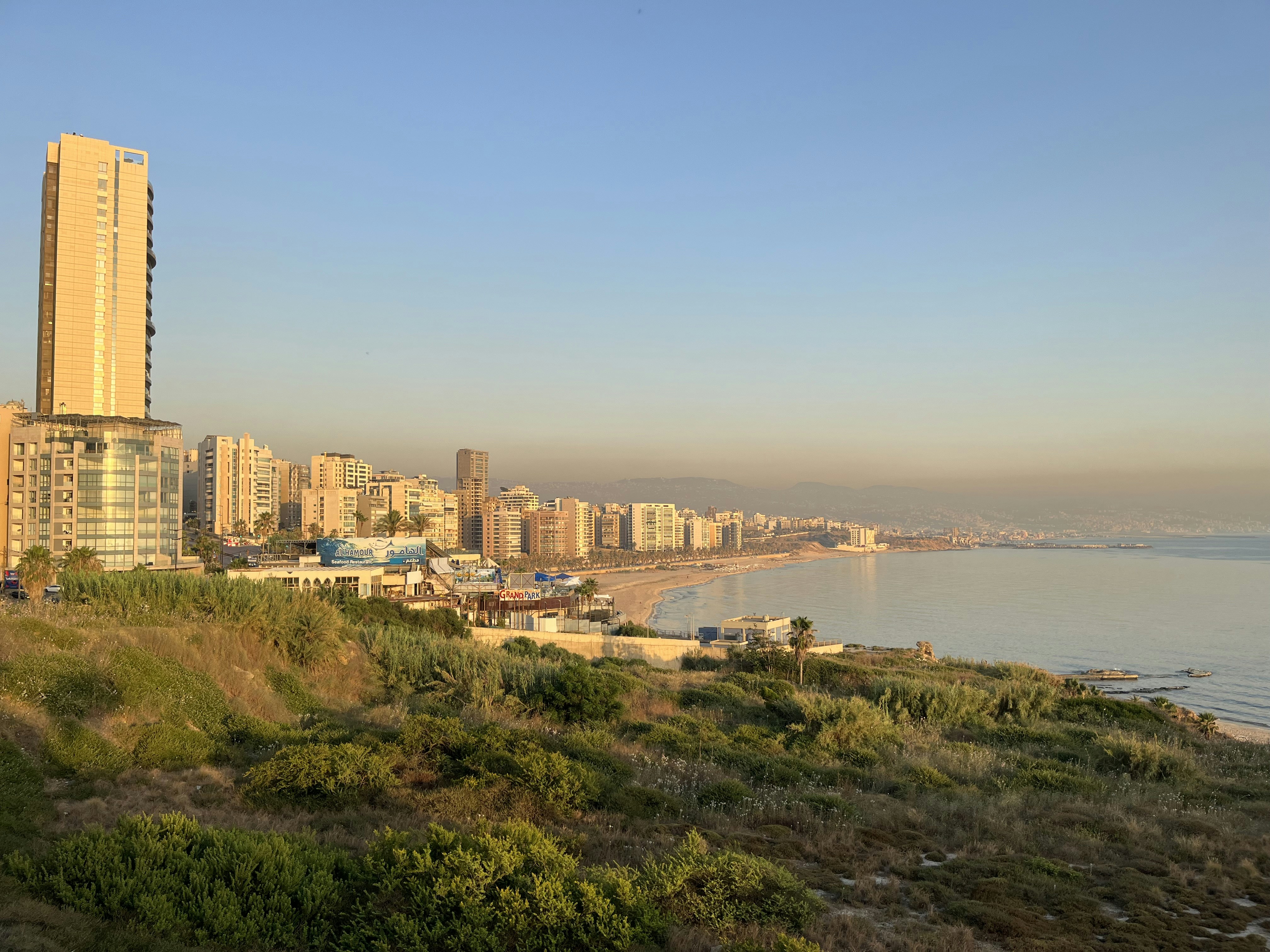
TL;DR: Is Lebanon Safe for Travel?
Lebanon is not currently a low-risk holiday destination: official advisories, including Singapore’s Ministry of Foreign Affairs, advise deferring travel because the regional security situation remains volatile. If travel is unavoidable, stay informed, avoid restricted areas, carry comprehensive insurance, and maintain a reliable departure plan. Conditions can change quickly, so check your government’s advisory immediately before departure and throughout your stay.
The most significant risks are armed conflict, civil unrest, terrorism, kidnapping, unexploded ordnance, shortages, and limited access to healthcare—not just ordinary street crime. Several governments advise against travel to southern Lebanon, the Bekaa Valley, Baalbek-Hermel, areas near Syria, Palestinian refugee camps, and parts of Beirut’s southern suburbs. This guide supports informed planning, but it does not replace official advice.
Lebanon Travel Safety: Areas to Avoid and Daily Precautions
Lebanon travel safety depends heavily on location, current events, and your ability to leave quickly; avoid conflict-affected and politically sensitive areas rather than relying on a fixed nationwide safety rating. Official advisories warn against travel to southern Lebanon, Nabatieh, the Bekaa Valley, Baalbek-Hermel, the Syrian border, Palestinian refugee camps, and several southern Beirut suburbs. Tripoli also carries elevated risks of violence and crime.
In safer, routinely visited parts of Beirut and Mount Lebanon, use practical precautions:
- Check local news and official alerts every morning.
- Avoid demonstrations, political gatherings, military sites, checkpoints, and photographing security personnel.
- Do not enter refugee camps or approach abandoned buildings, suspicious objects, or off-road areas.
- Use reputable accommodation and arrange airport transfers in advance.
- Avoid unnecessary intercity travel after dark, particularly outside major coastal routes.
- Keep your passport, medication, cash, and essential contacts accessible in case transport or banking services are disrupted.
Lebanon’s security picture can change within hours. Share your itinerary with someone at home, register with your government where available, and keep a flexible exit plan that does not depend on one airline, road, or border crossing.
Lebanon Scams, Theft, and Transport Safety Tips
Most everyday problems visitors can reduce are opportunistic theft, unclear prices, and transport misunderstandings, so agree on costs before accepting services and keep valuables discreet. Lebanon scams may include inflated taxi fares, unofficial guides, counterfeit currency, card-payment surcharges, and friendly strangers creating distractions in crowded places.
Use licensed or hotel-arranged taxis, confirm whether the fare is per vehicle or passenger, and carry small Lebanese-pound or US-dollar denominations where accepted. Ask restaurants to explain prices, service charges, and exchange rates before ordering; retain receipts and review card slips carefully. Avoid exchanging money with street traders, and use established exchange offices or banks.
Keep phones and wallets out of back pockets in busy areas such as central Beirut markets, transport hubs, and nightlife districts. ATMs may be unreliable, and power or network interruptions can affect payments, so carry a modest emergency cash reserve without displaying it publicly. Never hand over your passport as security for a rental or informal transaction.
For driving, expect congestion, inconsistent lane discipline, limited lighting, and sudden road closures. A local driver is often less stressful than self-driving. Do not photograph checkpoints or infrastructure, and avoid accepting unsolicited “help” with currency, transport, or border arrangements.
Lebanon Emergency Numbers, Singapore Consular Help, and Connectivity
Save Lebanon emergency numbers before arrival because mobile networks, electricity, and English-language assistance may not be dependable during a crisis. Commonly published numbers are 112 for police or general emergencies, 140 for Lebanese Red Cross ambulance, and 175 for fire; confirm the appropriate number with your accommodation because numbering and operator availability can vary.
When calling, state your district, nearest landmark, callback number, and whether anyone is injured. Ask your hotel or host to call as well if language or location details are difficult. Keep offline copies of your passport, insurance policy, prescriptions, emergency contacts, and flight details.
Singaporean travellers can contact the Honorary Consulate-General of Singapore in Beirut at Center Sofil, Charles Malek Avenue, Achrafieh. The published telephone numbers are +961 1 334 335, 200 786, and 200 787, with email at singaporeconsulate@cyberia.net.lb. Singapore’s Ministry of Foreign Affairs currently advises Singaporeans to defer all travel to Lebanon, so check its latest notice before departure.
Reliable data helps with maps, alerts, translation, and contacting family. Consider buying and activating Hello eSIM for Lebanon before departure so you arrive connected; Hello also supports trip planning and expense tracking when services are available.
Lebanon Health Advisories, Vaccinations, and Water Safety
Health preparation is essential because Lebanon’s public healthcare capacity is limited, private hospitals can be expensive, and shortages of medicines or supplies may occur without warning. Before travel, arrange a consultation with a travel-health professional at least four to eight weeks ahead, especially if you have chronic conditions or take temperature-sensitive medication.
Ask about routine vaccines, including measles-mumps-rubella, tetanus-diphtheria-pertussis, influenza, and COVID-19, plus destination-specific recommendations such as hepatitis A; hepatitis B, typhoid, or rabies may be advised according to your itinerary and activities. Carry medicines in original packaging with prescriptions and a reasonable extra supply.
For water safety, drink sealed bottled water or water that has been boiled. Check that the cap is intact, avoid ice unless its source is known, and use bottled water when brushing your teeth if local supply quality is uncertain. Wash hands regularly and choose busy restaurants with good food turnover. Air pollution from traffic, burning waste, and backup generators can aggravate asthma; pack prescribed inhalers and consider a well-fitting mask on poor-air days.
Travel insurance should cover medical treatment, emergency evacuation, repatriation, cancellation, and interruption. Read exclusions carefully: many policies exclude destinations subject to “do not travel” advisories or losses connected to war and civil unrest.
Solo Female and LGBTQ+ Travel Safety in Lebanon
Solo women can travel more comfortably by choosing reputable accommodation, arranging airport transport, dressing according to the neighbourhood, and sharing daily plans, but social expectations and security conditions vary considerably across Lebanon. Conservative areas and religious sites call for covered shoulders and knees; beach resorts and central Beirut are generally more relaxed, yet modest clothing remains a useful default.
Avoid isolated streets after dark, do not disclose that you are travelling alone to strangers, and use app-based or hotel-arranged transport where possible. Trust your instincts if attention becomes intrusive, and ask staff to accompany you to transport rather than walking alone. Keep emergency cash and a charged phone separate from your main bag.
LGBTQ+ travellers should understand that Lebanon’s legal and social environment is complex. Public displays of affection may attract unwanted attention, and LGBTQ+ events, venues, or online activity can carry additional risks depending on the current political climate. Avoid photographing or publicly identifying people without consent, use discretion when discussing sexuality with new acquaintances, and choose accommodation known to be respectful and professional.
For all travellers, avoid filming protests, security incidents, military locations, or sensitive infrastructure. Cultural hospitality can be warm and generous, but politeness does not require accepting invitations, rides, drinks, or personal questions that make you uncomfortable.
Common Questions About Lebanon Safety
Is Lebanon safe for tourists right now? Official guidance currently advises against or discourages travel because of volatile regional conditions. If travel is essential, follow government alerts, avoid listed high-risk areas, and maintain an evacuation plan.
What are Lebanon’s emergency numbers? Commonly listed numbers are 112 for police or general emergencies, 140 for Lebanese Red Cross ambulance, and 175 for fire. Save them offline and ask local accommodation to assist with calls.
Is tap water safe in Lebanon? Water quality can vary. Use sealed bottled or boiled water, avoid uncertain ice, and carry water during road trips or power interruptions.
What are common Lebanon scams? Watch for unmetered or inflated taxi fares, unofficial currency exchanges, unclear restaurant charges, counterfeit notes, and distraction theft. Confirm prices first and use established businesses.
Do I need travel insurance for Lebanon? Yes. Select a policy with substantial medical cover, evacuation, repatriation, cancellation, and interruption benefits, then verify whether current government warnings or conflict exclusions invalidate cover.
How can I manage costs with friends? The Hello app can scan receipts in different languages and currencies, import bank statements, categorize spending, apply exchange rates, and split expenses across multiple currencies. This is useful when groups share taxis, accommodation, meals, or guides; keep copies of receipts because connectivity and card records may be interrupted.
Explore These Destinations
Stay Connected
🇱🇧 eSIM Plans for Lebanon
Ready for Lebanon?
eSIM data, expense splitting, budget tracking, and more. Everything you need for a smooth trip in one app.
Related Articles
Lebanon Currency & Money Guide: Exchange, Cards, and Tips
Currency exchange, credit card acceptance, ATM tips, tipping culture, and money-saving advice for Lebanon.
28 July 2026
Lebanon Visa & Entry Requirements for Singapore Passport Holders
Visa requirements, passport validity, customs allowances, and entry tips for Singapore citizens travelling to Lebanon.
10 July 2026
eSIM for Lebanon: Best Plans, Coverage, and Setup Tips
Everything you need to know about using eSIM in Lebanon. Best data plans, network coverage, and setup instructions.
1 July 2026