3 Days in Lebanon: A Day-by-Day Itinerary
A detailed 3-day itinerary for Lebanon with daily activities, costs, neighborhoods, and transport tips.
By Hello Travel Team
This article contains affiliate links. If you book through them, Hello may earn a commission at no additional cost to you. Our editorial recommendations are independent. Learn more.
- 1
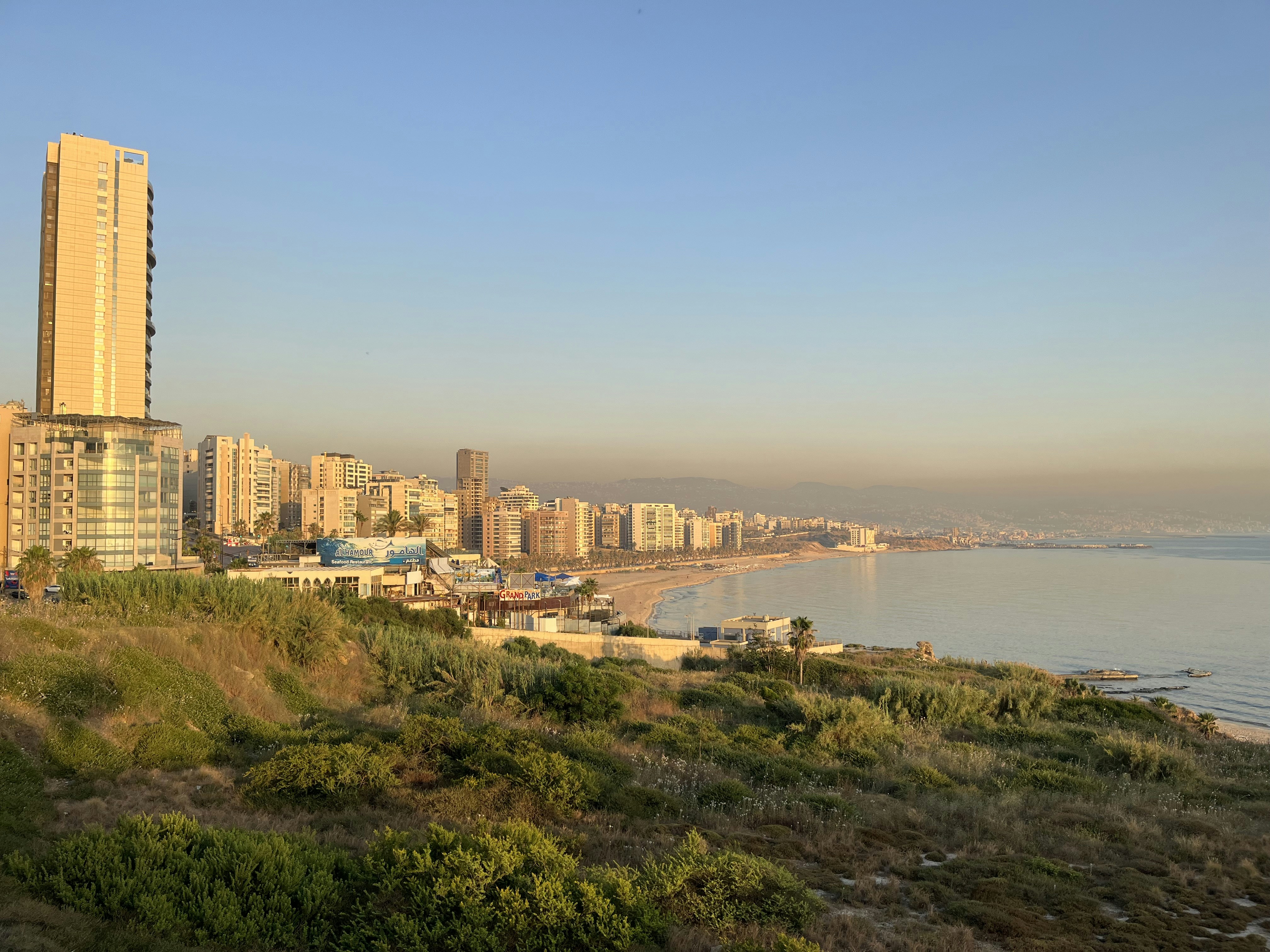
Beirut Essentials: Downtown, Corniche & Nightlife
- MorningAirport transfer to central Beirut (Hamra/Gemmayzeh)~$18
- Late MorningWalk Downtown Beirut & Martyrs’ Square
- AfternoonVisit National Museum of Beirut~$5
- Early EveningSunset stroll along the Corniche
- EveningMezze dinner & drinks in Hamra or Mar Mikhael~$25
HamraDowntown BeirutGemmayzehMar MikhaelCornicheUse airport taxis or rideshare (~$15–20) to reach central Beirut. Within the city, take yellow taxis or ride-hailing apps (~$3–8 per ride). Walking is very feasible in Downtown, Hamra, and Gemmayzeh.
Budget$55Mid-range$150Luxury$380 - 2
Byblos, Jeita Grotto & Harissa from Beirut
- MorningDrive from Beirut to Jeita Grotto with private driver~$30
- Late MorningExplore Jeita Grotto caves~$12
- Early AfternoonTransfer to Byblos and visit Byblos Castle & ruins~$6
- AfternoonSeafood or mezze lunch in Byblos harbor~$20
- Late AfternoonDrive to Harissa & cable car to Our Lady of Lebanon~$10
- EveningReturn to Beirut & casual dinner~$18
JeitaByblos (Jbeil)HarissaJouniehBeirutHire a private driver from Beirut for the full day (~$80–120 per car in 2026) and split between your group. Driving times: Beirut–Jeita ~30–40 minutes; Jeita–Byblos ~40 minutes; Byblos–Harissa ~30 minutes; Harissa–Beirut ~45–60 minutes.
Budget$70Mid-range$190Luxury$260 - 3
Baalbek & Bekaa Valley Day Trip
- MorningPrivate car from Beirut to Baalbek~$40
- Late MorningExplore Baalbek Roman ruins & hire local guide~$30
- AfternoonLunch & wine tasting at Bekaa Valley winery or meal in Zahlé~$35
- Late AfternoonReturn drive to Beirut
- EveningFarewell dinner in Beirut (Hamra/Monot)~$25
BaalbekBekaa ValleyZahléBeirutPlan on 2–2.5 hours each way between Beirut and Baalbek by private car. A full-day driver typically costs $90–130 per car in 2026 and can include a stop in Zahlé or a winery; confirm the route and price in advance in USD or LBP.
Budget$80Mid-range$210Luxury$410
Trip Summary
Trip starter
Turn this 3-day itinerary into a Hello trip
Start with a prefilled trip for Lebanon, then add dates, invite friends, track expenses, and pick an eSIM before you land.
Name and destination carried into the app.
Split costs and settle up during the trip.
Choose data for the destination before departure.
TL;DR: The Perfect 3-Day Lebanon Itinerary from Beirut
A 3-day Lebanon itinerary is best spent based in Beirut, with one full day in the city and two classic day trips to Byblos/Jeita/Harissa and to Baalbek and the Bekaa Valley. In 2026, plan on spending about $60–90 per day on a backpacker budget and $150–250 mid-range.
Lebanon welcomed around 1.7 million visitors in 2019 according to the Ministry of Tourism, and most short trips still center on Beirut because you can reach major highlights within 1–2 hours by car. With just three days, you’ll maximize your time by sleeping all nights in Beirut and using private drivers or shared taxis for day trips.
To keep data roaming simple, many travelers now use Hello eSIM for Lebanon so they can order and activate mobile data before landing and navigate directly from Beirut Airport without hunting for a SIM card queue. Once you arrive, the Hello app also helps you track spending in multiple currencies and split costs with friends, which is especially useful in Lebanon where prices may be listed in both Lebanese pounds (LBP) and US dollars.
Use this Lebanon travel plan as a flexible template: swap beach time for museums, or wine tasting for extra ruins, but keep your base in Beirut. Below, you’ll find a detailed, time-stamped schedule with transport tips, typical 2026 prices, and daily budget ranges for budget, mid-range, and luxury travelers.
Day 1 Lebanon Itinerary: Beirut Neighborhoods, History & Sunset Corniche
Day 1 in Beirut is about orienting yourself: explore Downtown, Gemmayzeh and Mar Mikhael on foot, learn the country’s modern history at a museum, and finish with sunset on the seaside Corniche and mezze in Hamra. This gives you a grounded start before venturing out on day trips.
Morning (08:00–12:30)
Land at Beirut–Rafic Hariri International Airport and head to your hotel in Hamra, Gemmayzeh, or Mar Mikhael—top areas that local guides and bloggers highlight for first-timers thanks to walkability and nightlife. A regular airport taxi to central Beirut costs around $15–20 in 2026; rideshare apps may be slightly cheaper. Drop bags and walk Downtown: see Martyrs’ Square, the renovated Beirut Souks, and the Mohammad Al-Amin Mosque nearby.
Afternoon (13:00–17:00)
After a quick shawarma ($4–6) or a sit-down Lebanese lunch ($10–15) near Downtown, visit the National Museum of Beirut, which several Lebanon travel guides call a must for understanding the civil war and ancient history. Entry is around $3–5. Allow 1.5–2 hours. Then grab coffee at a local café in Badaro or Gemmayzeh; Beirut is known for specialty spots like Kalei and Aaliya’s Books.
Evening (17:30–22:30)
Walk or taxi ($3–6 within central Beirut) to the Corniche for a classic sunset stroll along the Mediterranean, passing locals fishing and families out for a walk. Head to Hamra or Mar Mikhael for dinner: a mezze feast with hummus, tabbouleh and grilled meats runs about $15–25 per person in 2026 at mid-range spots. Night owls can sample Beirut’s bar scene in Mar Mikhael or Gemmayzeh (cocktails $7–10).
Use the Hello app to log your airport taxi, meals, and museum tickets; AI receipt scanning makes it easy to keep a running total in both USD and LBP, and you can split dinner costs with friends in a couple of taps.
Typical Day 1 spend (2026)
- Budget: hostel bed ($15–25), street food and simple restaurants ($15–20), local taxis ($5–10), museum ($3–5) → $40–60
- Mid-range: boutique hotel ($70–120), mid-range restaurants and a drink ($35–50), taxis ($8–15) → $120–180
- Luxury: 5-star hotel ($200+), fine dining and cocktails ($70–120), private transfers ($20–30) → $300–400
Day 2 Lebanon 3 Day Itinerary: Day Trip to Byblos, Jeita Grotto & Harissa
The ideal second day in a Lebanon 3 day itinerary is a northbound loop from Beirut to Jeita Grotto, Byblos (Jbeil), and Harissa, combining caves, an ancient port city, and a panoramic sunset over the Mediterranean—all reachable within about 1–1.5 hours’ drive of Beirut.
Morning (08:00–12:00): Jeita Grotto
Leave Beirut around 08:00 by private driver or tour. Many recent Lebanon trip reports suggest $80–120 for a full-day private driver in 2026, split between 2–4 people. Start at Jeita Grotto, one of Lebanon’s most visited natural sites, where impressive limestone caves are accessed by pathway and short boat ride; entry is roughly $10–15. Photography is restricted inside, but the complex is well organized and usually takes 1.5–2 hours.
Midday & Afternoon (12:30–16:30): Byblos (Jbeil)
Continue 30–40 minutes north to Byblos, a UNESCO-listed port city that many travel guides rank among Lebanon’s top highlights. Explore the Byblos Castle and archaeological site (entry around $4–6), then wander the old souk and harbor. For lunch, expect $12–20 per person for fresh seafood or Lebanese mezze at a harbor-front restaurant; grab an Arabic coffee or fresh juice ($2–4) afterward.
Late Afternoon & Evening (17:00–21:00): Harissa & Return to Beirut
Drive 30 minutes south to Harissa above Jounieh. Take the historic cable car (Téléphérique) up the hill (tickets about $8–10 round trip) to visit Our Lady of Lebanon and enjoy sweeping views over the bay—sunset here is especially beautiful on clear days. Return to Beirut by 20:00–21:00 for a casual dinner in Mar Mikhael or Gemmayzeh ($10–20) or a quick manoushe (Lebanese flatbread, $2–4) if you’re tired.
Throughout this Lebanon travel plan, staying online helps with maps and arranging drivers. With Hello eSIM for Lebanon you can activate data before leaving home, then simply share your live location and costs with friends in the Hello app.
Typical Day 2 spend (2026, excluding accommodation)
- Budget: shared tour or splitting a driver ($25–40), simple meals ($15–20), entries and cable car (~$25) → $65–85
- Mid-range: private driver ($40–60 share), nicer lunch and dinner ($35–45), entries ($25) → $100–130
- Luxury: chauffeured SUV or hotel car ($120+), upscale seaside lunch and cocktails ($60–90), entries and extras ($30–40) → $200–260
Day 3 Lebanon Trip Planner: Baalbek, Bekaa Valley & Winery Stop
Day 3 is your big history day: travel east into the Bekaa Valley to see the monumental Roman ruins of Baalbek, often described by travel writers as some of the most impressive Roman temples in the world, then stop at a nearby winery or town like Zahlé before returning to Beirut.
Morning (07:30–11:00): Beirut to Baalbek
Leave early to beat traffic and midday heat. Baalbek is about 2–2.5 hours from Beirut by car. Many recent itineraries recommend hiring a trusted private driver due to checkpoints and variable road conditions, typically $90–130 for a full day in 2026, often including a short stop in Anjar or Zahlé if you ask. Pack water, sunscreen, and modest clothing; Lebanon is relaxed, but respecting local dress norms—especially around religious sites—goes a long way.
Late Morning & Early Afternoon (11:00–15:00): Baalbek Ruins
The Temple of Bacchus and Temple of Jupiter dominate the archaeological site; allow 2–3 hours to explore. Entry is around $8–12, and hiring a local guide on-site for an extra $15–25 can bring the history to life. According to several Lebanon travel blogs, Baalbek is often a highlight of their entire trip thanks to its scale and relatively low visitor numbers compared with sites in Europe.
Afternoon (15:00–18:30): Bekaa Valley Winery or Zahlé
On the way back, stop at a Bekaa Valley winery (like those near Zahlé) for a tasting and late lunch; expect $20–35 for a tasting and meal in 2026. Alternatively, have a casual meal in Zahlé’s riverside restaurants for $10–18 per person. Then head back to Beirut for a final evening in Hamra or Badaro.
Evening (19:00–22:00): Last Night in Beirut
Treat yourself to a farewell dinner at a classic Lebanese restaurant in Monot or Hamra (allow $20–30 mid-range, $50+ luxury), then walk one last time through your favorite neighborhood.
Use Hello’s budget tracking to tally your three days and see where your money went—AI-powered categorization and multi-currency support make it easier to compare your actual spend to your original Lebanon itinerary plan.
Typical Day 3 spend (2026, excluding accommodation)
- Budget: shared tour or splitting driver ($30–45), simple meals ($15–20), Baalbek ticket and optional guide share ($10–20) → $60–85
- Mid-range: private driver share ($50–70), winery lunch and tasting ($30–40), tickets and guide ($25–35) → $120–150
- Luxury: premium car or private tour ($130–200), upscale winery experience ($60–90), private guide ($40–60) → $250–330
Costs, Daily Budgets & Transport: How Much Does 3 Days in Lebanon Cost?
Most travelers should budget $180–250 for 3 days in Lebanon on a tight budget, $450–750 for mid-range comfort, and $900+ for a more luxurious stay, excluding flights. Actual costs vary based on hotel category, transport style, and how many guided tours you book.
According to recent traveler reports and Lebanon tourism data up to 2025, Lebanon’s economic situation means prices can be volatile, but many day-to-day costs (food, taxis) remain relatively affordable compared with Western Europe.
Here’s a simplified comparison to help you plan your Lebanon travel budget for this 3 day itinerary:
| Category | Budget (per day) | Mid-range (per day) | Luxury (per day) |
|---|---|---|---|
| Accommodation | $15–30 (hostel/basic guesthouse) | $70–130 (boutique hotel) | $200–350 (5-star & design hotels) |
| Food & Drinks | $15–25 (street food, cheap cafés) | $35–60 (sit-down meals, some alcohol) | $80–150 (fine dining, cocktails) |
| Transport | $10–20 (shared taxis, splitting drivers) | $25–50 (private drivers, more taxis) | $60–120 (chauffeured cars, hotel transfers) |
| Activities | $5–15 (basic entries) | $20–40 (entries + occasional guide) | $40–80 (private guides, tastings, extras) |
| Total/day | $45–90 | $150–250 | $380–700 |
Over three days, this roughly aligns with a Lebanon trip planner total of $150–250 (budget), $450–700 (mid), and $1,100+ (luxury) if you include airport transfers and a few extra drinks.
Transport-wise, most visitors base in Beirut and use:
- Yellow city taxis or ride-hailing for short hops ($3–8 per ride in 2026)
- Private drivers for day trips (typically $80–130 per full day, sharable)
- Intercity minibuses for the cheapest travel (often under $5 per leg, but slower and less comfortable)
To stay on top of shifting prices, you can log costs in the Hello app using voice entry or AI receipt scanning, then set a daily budget alert so you don’t overspend early in your trip.
Connectivity, Money & Safety Tips for Your Lebanon Travel Plan
To make a 3 day Lebanon itinerary run smoothly, plan ahead for connectivity, cash, and safety: arrive with data set up, carry some USD and local currency, and follow local advice on areas and times that are best avoided. This keeps your focus on food and ruins, not logistics.
Staying Connected
Many travelers now prefer arriving with mobile data already working so they can request taxis, translate menus, and navigate from the airport. With an eSIM from Hello, you can buy and activate a Lebanon data plan before departure, then land in Beirut already online without searching for a kiosk. Plans start from 5GB, and you manage usage inside the Hello app alongside your trip budget.
Money & Currency
Lebanon has experienced significant currency fluctuations in recent years, and dual pricing (in LBP and USD) is common in Beirut restaurants and taxis. Bring some clean USD notes and expect many prices to be quoted in dollars for tourists. Card acceptance is improving in big cities, but cash is still very useful, especially in smaller towns or for tipping drivers and guides.
Use Hello’s multi-currency tracking to record expenses in LBP, USD, or euros; the app automatically converts everything to your base currency using current exchange rates. This is helpful in Lebanon where you might pay your Baalbek guide in cash, your Byblos lunch by card, and your Beirut hotel online all in different currencies.
Safety & Customs
Current travel advisories emphasize checking the news and your government’s guidance before and during your trip. On the ground, many visitors report feeling welcomed and safe in central Beirut and main tourist areas, especially during the day. Dress modestly when visiting religious sites, ask before photographing people, and avoid discussing politics unless locals bring it up. Keeping passport copies and using registered taxis where possible are simple precautions that fit into any responsible Lebanon itinerary.
Common Questions: Planning a 3 Day Lebanon Itinerary from Beirut
Three days in Lebanon is enough to see Beirut, one coastal highlight like Byblos, and one inland showstopper like Baalbek, as long as you base yourself in Beirut and use cars or tours to move quickly. This Q&A covers the most common questions about a short Lebanon trip.
Is 3 days enough for Lebanon?
Three days is short, but it’s enough for a taste: one day exploring Beirut, one northbound day trip (Byblos, Jeita, Harissa), and one eastbound day trip (Baalbek and the Bekaa Valley). Many travel bloggers suggest returning later for the north and south coasts, but this is a solid first visit.
Is Lebanon expensive to visit in 2026?
Due to the ongoing economic situation, Lebanon can feel both affordable and unpredictable. Street food and local taxis are relatively cheap, while imported goods and high-end hotels can feel pricey. Most travelers in 2025–2026 report spending around $60–100 per day on a budget and $150–250 mid-range, excluding flights.
Do I need a car for this Lebanon travel plan?
You don’t need to drive yourself. For a 3 day itinerary, staying in Beirut and hiring private drivers or joining small-group tours for Byblos and Baalbek is easier and safer for most visitors. Intercity buses and shared taxis exist but can be slower and harder to navigate on a tight schedule.
Is Lebanon safe for solo travelers?
Many solo travelers—especially in Beirut, Byblos, and major sights—report feeling welcomed, particularly when staying in established neighborhoods like Hamra and Mar Mikhael. As always, follow local advice, check current government advisories, and avoid border areas or demonstrations.
What’s the best time of year to visit?
Spring (April–May) and autumn (September–October) are ideal, with mild temperatures and clearer skies for Baalbek and Harissa views. Summers can be hot inland, while winters are cool and sometimes rainy.
How can I keep track of shared costs with friends?
The Hello app lets you create a trip for your Lebanon itinerary, import receipts (even from Gmail), and split expenses in multiple currencies with automatic exchange rates—useful when you’re dividing the cost of a private driver or a big mezze dinner.
Explore These Destinations
Stay Connected
🇱🇧 eSIM Plans for Lebanon
Book this trip
Compare options on trusted travel sites
Plan stays for this trip
Continue to a reviewed booking partner to check current property details and terms.

Make the most of Lebanon
From eSIM connectivity to expense tracking, Hello is the all-in-one companion that keeps your trip stress-free.
Related Articles
Lebanon Currency & Money Guide: Exchange, Cards, and Tips
Currency exchange, credit card acceptance, ATM tips, tipping culture, and money-saving advice for Lebanon.
28 July 2026
Lebanon Safety Guide: Tips for a Safe Trip
Safety tips, health advisories, emergency contacts, common scams, and travel insurance advice for Lebanon.
19 July 2026
Lebanon Visa & Entry Requirements for Singapore Passport Holders
Visa requirements, passport validity, customs allowances, and entry tips for Singapore citizens travelling to Lebanon.
10 July 2026