Kyrgyzstan Cultural Guide: Etiquette, Customs, and Tips
Essential do's and don'ts, greeting customs, dress codes, local phrases, and cultural tips for Kyrgyzstan.
By Hello Travel Team
This article contains affiliate links. If you book through them, Hello may earn a commission at no additional cost to you. Our editorial recommendations are independent. Learn more.
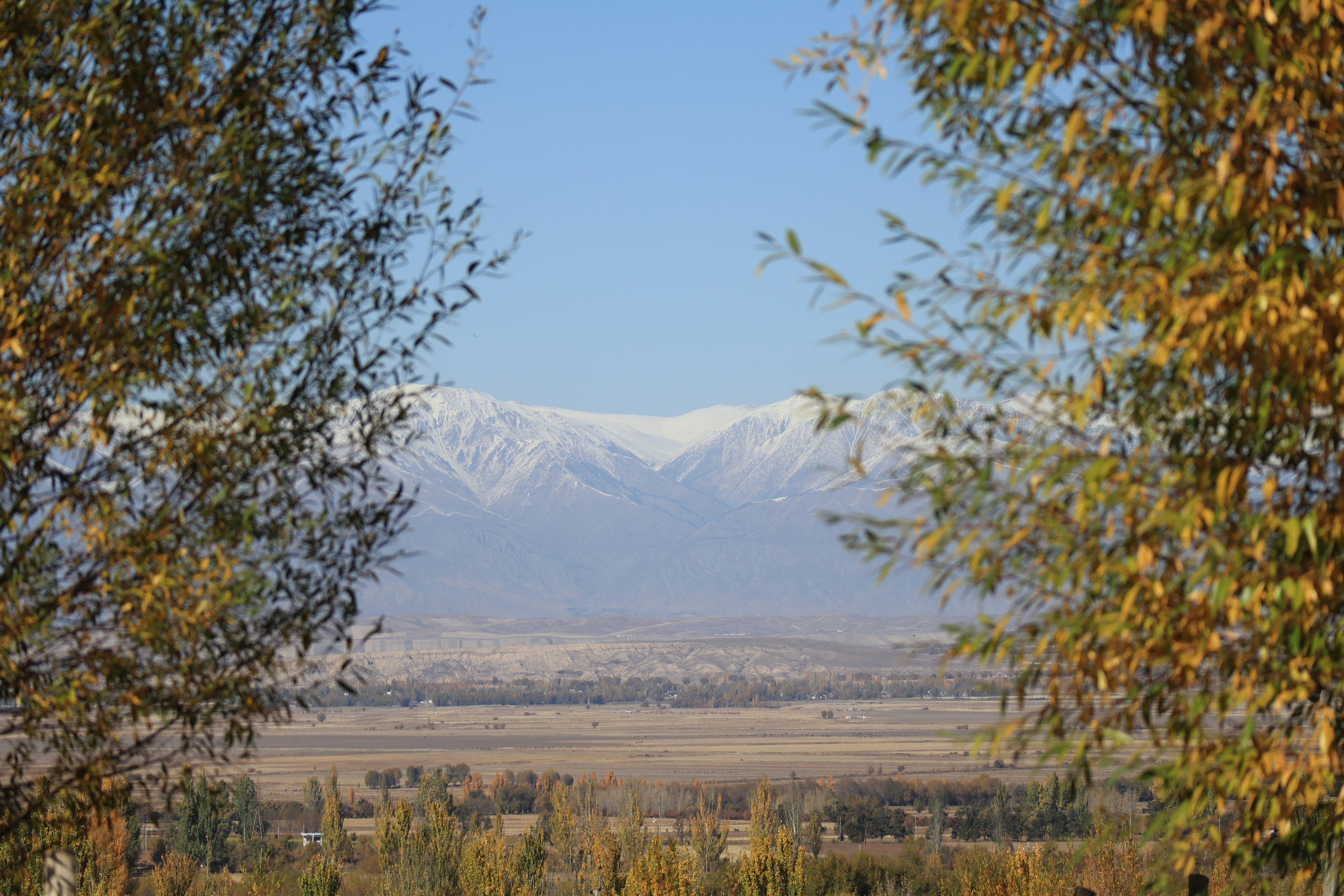
TL;DR: Kyrgyzstan culture, etiquette, and essential dos and don’ts
Kyrgyzstan’s culture blends nomadic traditions, Islamic customs, and Soviet heritage, so the key etiquette rules are simple: dress modestly, greet people politely, accept tea and food graciously, and show respect for elders, mosques, and family values while avoiding loud behavior or political debates.
Kyrgyzstan is one of Central Asia’s friendliest countries, and most locals are genuinely pleased to welcome travelers who show basic cultural awareness and respect. According to the National Statistical Committee of the Kyrgyz Republic, the country hosted over 2 million international visitors in 2023, many drawn by lakes like Issyk-Kul, the Tian Shan mountains, and its strong nomadic heritage.
To feel at ease, remember a few key Kyrgyzstan dos and don’ts:
- Do dress modestly (covered shoulders and knees) in cities and villages.
- Do learn basic greetings in Kyrgyz and Russian.
- Do accept offers of tea and snacks; hospitality is central to Kyrgyz culture.
- Don’t criticize local politics or religious practices.
- Don’t take photos of people, military sites, or religious spaces without permission.
You’ll find Wi‑Fi in bigger cities like Bishkek and Osh, but coverage gets patchy in mountain valleys and high pastures. Staying connected with an eSIM from Hello makes it easier to navigate, translate signs, and keep your itinerary and expenses organized offline when you’re exploring remote yurt camps and trekking routes.
Core Kyrgyzstan etiquette: greetings, hospitality, and everyday behavior
The most important etiquette rule in Kyrgyzstan is to greet people respectfully, accept hospitality graciously, and show deference to elders, who hold a central place in Kyrgyz family and social life.
In daily interactions, a simple Kyrgyzstan greeting etiquette goes a long way. A firm but not overpowering handshake, eye contact, and a friendly "Salamatsyby" (hello, in Kyrgyz) or "Zdravstvuyte" (formal hello, in Russian) are widely understood. In more traditional settings, it’s polite for men to slightly incline their head; women often greet more softly without a strong handshake.
Hospitality is a cornerstone of Kyrgyzstan culture. You may be invited for tea, bread, and homemade jams even after a short conversation. It is polite to at least sit for a few minutes and accept tea (chai) and a small snack, even if you cannot eat a full meal. Refusing too abruptly can be seen as rude, so explain gently if you’re in a hurry.
Three everyday etiquette tips:
- Always remove shoes if you see them lined up at the entrance; this usually means the house is a shoe‑free zone.
- When passing or receiving items, use your right hand or both hands; avoid tossing things.
- Keep public affection low‑key; hugging and kissing in streets or buses is uncommon.
Overall, you don’t need to be perfect—locals are patient with visitors—but these small courtesies signal that you respect Kyrgyzstan customs.
Dress codes and mosque etiquette: how to dress respectfully in Kyrgyzstan
In Kyrgyzstan, modest, practical clothing is appropriate almost everywhere, and you should dress more conservatively at mosques, cemeteries, and village gatherings to respect Islamic and traditional norms.
Kyrgyzstan is majority Muslim, with around 90–95% of residents identifying as Muslim according to regional demographic studies, yet public dress is generally relaxed, especially in Bishkek and resort areas around Issyk-Kul. In cities, jeans, T‑shirts, and casual dresses are fine, but keeping shoulders and knees covered helps you blend in and feel comfortable on public transport or in local cafés.
For mosques and religious sites, follow these key Kyrgyzstan etiquette rules:
- Women: wear long trousers or skirts, a loose top with long sleeves, and bring a scarf to cover your hair.
- Men: wear long pants, avoid sleeveless tops or shorts, and choose closed shoes.
- Everyone: remove shoes before entering prayer halls, keep voices low, and never walk in front of someone who is praying.
Outside religious contexts, you’ll see a mix of modern and traditional styles, especially the kalpak, a tall white felt hat worn by men on special occasions. You don’t need to wear local dress, but avoid torn or overly revealing clothing, particularly in villages.
A practical note: mountain weather can vary from 5°C pre‑dawn to 25°C midday in summer, so pack layers—thermal base, light fleece, and windproof shell. This matters more than fashion, especially on treks and horse‑trek homestays where you’ll be outdoors for long periods.
Photography, public behavior, and what not to do in Kyrgyzstan
The golden rule for photography in Kyrgyzstan is simple: ask before photographing people, avoid sensitive sites like military facilities, and be discreet in mosques or during religious ceremonies.
Kyrgyzstan’s landscapes are spectacular—epic jailoo (summer pastures), yurt camps, and lake vistas—but remember that many locals still live traditional, private lives. Always ask permission before photographing people, especially children, elderly villagers, or anyone in a yurt. A simple gesture to your camera and a question like "Foto?" usually works; if someone shakes their head or looks uncomfortable, respect that and move on.
There are also Kyrgyzstan dos and don’ts for what you photograph:
- Don’t photograph military bases, border posts, or police stations; this can cause serious trouble.
- Be cautious around main government buildings in Bishkek; avoid close‑up shots of security operations.
- In mosques, photograph architecture from outside or at the doorway, and never use flash on worshippers.
In public spaces, normal social etiquette applies—keep voices reasonable, do not litter, and avoid drinking heavily in front of families or in village settings. Alcohol is available (beer from $1–2 and vodka from $4–6 per bottle in 2026), but public drunkenness is frowned upon, especially where elders and children are present.
One more don’t: avoid stepping on or over someone’s outstretched legs or over shared food on the floor; it is considered disrespectful in many Central Asian cultures, including Kyrgyz traditions.
Business etiquette, money tips, and staying connected with Hello eSIM
For business in Kyrgyzstan, punctuality, respectful titles, and a calm, relationship‑focused approach matter more than formal suits, and staying connected with Hello’s eSIM makes scheduling and expense tracking much easier.
Business culture reflects both Soviet legacy and Central Asian hospitality. Meetings are often arranged in advance via messaging apps or email and may start with tea and small talk before moving into agenda items. Address people by first name plus patronymic (e.g., "Bakyt Askarovich") or with "Mr./Ms." until invited to switch to first names.
Key Kyrgyzstan business etiquette tips:
- Dress in business‑casual: collared shirt and trousers for men; conservative dresses or blouses and skirts/pants for women.
- Be on time, but expect some flexibility—traffic in Bishkek can be unpredictable.
- Bring a modest, thoughtful gift (local chocolates, a small book from your country) rather than something flashy or expensive.
Cash is still widely used, especially in markets and small shops. In 2026, expect to pay 150–300 KGS (about $1.70–$3.40) for a simple café meal and 600–1,200 KGS ($7–$14) for a mid‑range restaurant dinner per person, according to local tourism board price surveys.
To keep everything organized, many travelers use Hello’s eSIM connectivity and expense tools. A Hello eSIM for Kyrgyzstan lets you arrive with mobile data already active, so you can message partners, translate documents, and navigate to meetings. The Hello app’s multi‑currency expense tracking and AI receipt scanning help you log business lunches, taxi fares, and hotel bills without juggling paper receipts.
Holidays, celebrations, and gift-giving customs in Kyrgyzstan
The key cultural calendar dates in Kyrgyzstan are Islamic holidays like Eid, national days such as Independence Day, and traditional celebrations where small, thoughtful gifts and shared meals are more important than expensive presents.
Kyrgyzstan’s main public holidays include New Year’s Day (1 January), International Women’s Day (8 March), Victory Day (9 May), and Independence Day (31 August). According to Kyrgyz government holiday schedules, these dates often bring parades, concerts, and temporary road closures in cities. During Independence Day, for example, Bishkek’s central squares host performances and fireworks, and some government offices and banks close, so plan money withdrawals and administrative tasks around these dates.
Islamic holidays such as Eid al‑Fitr and Eid al‑Adha are widely observed; dates change each year based on the lunar calendar. Expect busier mosques, more family visits, and some shops closing or operating shorter hours. Rural areas may feel quieter, while city parks fill with families.
Gift‑giving follows simple but meaningful Kyrgyzstan customs:
- When invited to a home, bring chocolates, fruit, or pastries; present them with both hands.
- Avoid overly expensive gifts that could cause discomfort or a feeling of obligation.
- If you receive a gift, open it gently and show appreciation, but don’t overreact theatrically.
Traditional feasts, especially those involving a sheep or horse, follow specific seating and serving customs, with elders receiving choice pieces of meat. As a guest, you’re not expected to know every detail—just accept what’s offered, eat a little of everything if you can, and thank your hosts warmly.
Common questions about Kyrgyzstan culture, etiquette, and dos and don’ts
The most common etiquette questions about Kyrgyzstan involve dress codes, safety, language, and whether solo travelers will feel welcome—and the short answer is yes, if you dress modestly, stay polite, and show curiosity about local traditions.
Is Kyrgyzstan safe for travelers?
Kyrgyzstan is generally considered safe for tourists, with most visits trouble‑free according to regional tourism reports. Standard city precautions apply: keep valuables discreet, use registered taxis, and avoid walking alone late at night in poorly lit areas. In the mountains, the main risks are weather and altitude rather than crime.
Do people speak English in Kyrgyzstan?
English is limited outside tourist services and some younger urban residents. Kyrgyz and Russian are the main languages. Learning a few phrases like "Rakhmat" (thank you, in Kyrgyz) and "Pozhaluysta" (please, in Russian) makes everyday interactions much smoother.
What are the biggest cultural dos and don’ts?
Do: dress modestly, greet elders first, accept tea and food, and remove shoes when you see others doing so. Don’t: criticize local politics, behave loudly in villages or mosques, or take close‑up photos of people without permission.
How can I stay connected and manage trip costs?
Wi‑Fi is common in Bishkek and Osh but unreliable in high‑mountain regions. Many travelers choose Hello’s eSIM plans to get instant data in Kyrgyzstan, then use the Hello app’s budget tracking and expense splitting to share yurt stays, taxi rides, and trekking costs with friends while keeping everything in one place.
Useful local phrases, logistics tips, and how Hello can simplify your trip
A handful of Kyrgyz and Russian phrases—plus good offline maps and expense tracking—are often enough to navigate Kyrgyzstan’s cities, yurt camps, and mountain roads without stress.
Kyrgyz is the state language and Russian is widely used in business and urban life, so many signs, menus, and bus labels are in Cyrillic. According to regional language surveys, over 70% of residents are at least bilingual in Kyrgyz and Russian, which actually helps travelers: if one phrase doesn’t work, try the other.
Useful phrases:
- Kyrgyz: "Salamatsyby" (hello), "Rakhmat" (thank you), "Kancha?" (how much?), "Tualet kayda?" (where is the toilet?).
- Russian: "Zdravstvuyte" (hello, formal), "Spasibo" (thank you), "Skolko eto stoit?" (how much is this?), "Gde avtobus?" (where is the bus?).
For logistics, expect intercity marshrutka (minibus) rides between Bishkek and Issyk‑Kul from around 350–600 KGS ($4–$7) in 2026, based on local transport price listings, and shared taxis at slightly higher prices but more comfort.
To keep everything smooth, many travelers use the Hello app as a practical companion. With a Kyrgyzstan destination page for planning and an eSIM from Hello for data, you can download maps, translate menus, and check marshrutka timetables without hunting for local SIM cards. Hello’s AI receipt scanning and multi‑currency tracking make it easy to log cash payments in Kyrgyz som, split costs with friends in different currencies, and keep your total trip budget visible—even when you’re far from an ATM.
Explore These Destinations
Stay Connected
Book this trip
Compare options on trusted travel sites
Plan activities for this trip
Continue to a reviewed booking partner to check schedules, inclusions, and terms.

Make the most of Kyrgyzstan
From eSIM connectivity to expense tracking, Hello is the all-in-one companion that keeps your trip stress-free.
Related Articles
Kyrgyzstan Currency & Money Guide: Exchange, Cards, and Tips
Currency exchange, credit card acceptance, ATM tips, tipping culture, and money-saving advice for Kyrgyzstan.
27 July 2026
Kyrgyzstan Safety Guide: Tips for a Safe Trip
Safety tips, health advisories, emergency contacts, common scams, and travel insurance advice for Kyrgyzstan.
19 July 2026
Kyrgyzstan Visa & Entry Requirements for Singapore Passport Holders
Visa requirements, passport validity, customs allowances, and entry tips for Singapore citizens travelling to Kyrgyzstan.
10 July 2026