Kuwait Safety Guide: Tips for a Safe Trip
Safety tips, health advisories, emergency contacts, common scams, and travel insurance advice for Kuwait.
By Hello Travel Team
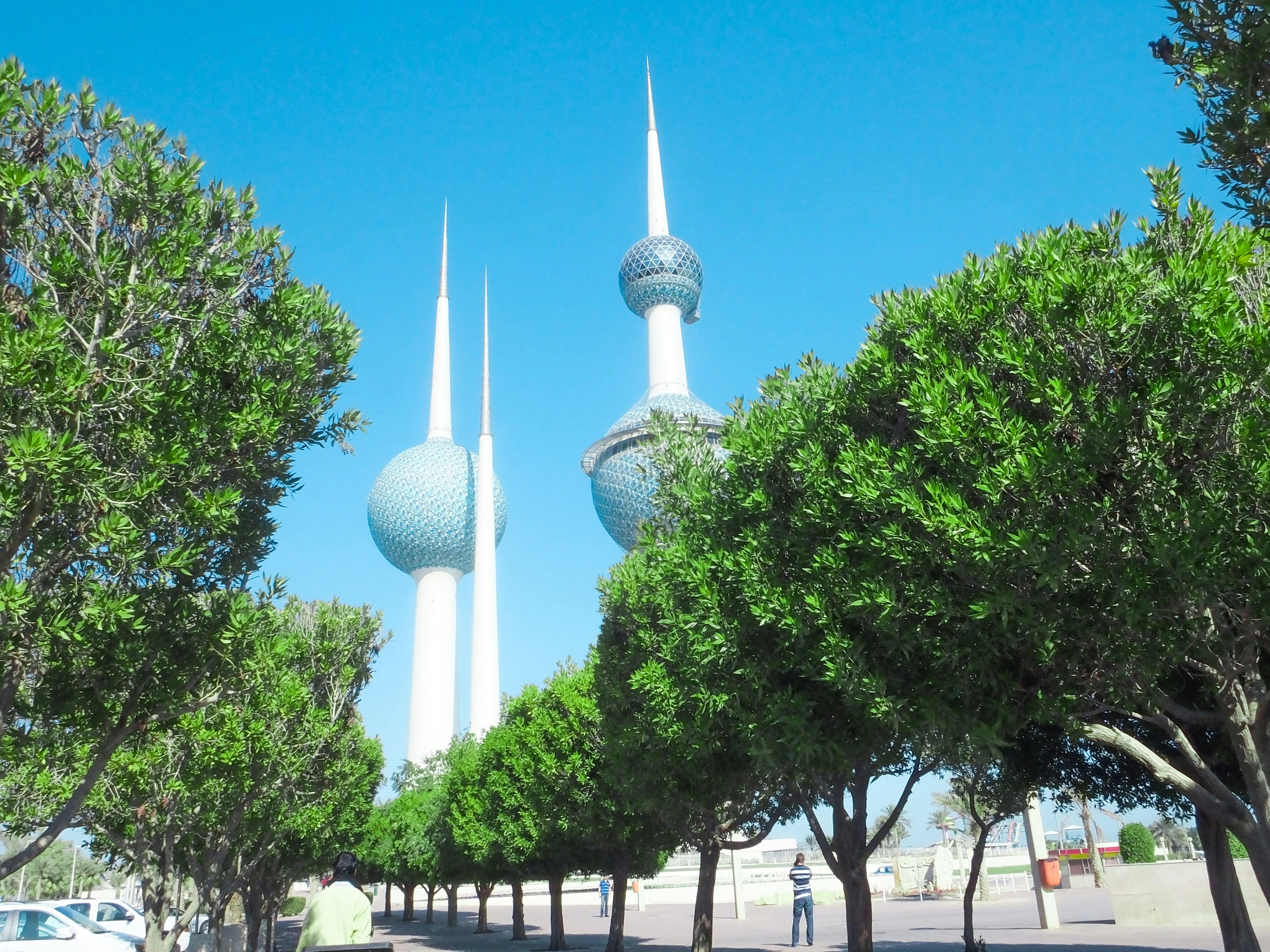
TL;DR: Is Kuwait Safe for Travellers?
Kuwait is generally safe for visitors who use normal precautions, respect local customs, and stay alert to regional security developments. Violent crime against tourists is uncommon, but petty theft, traffic accidents, sudden demonstrations, extreme heat, and cultural or legal misunderstandings deserve attention. Singapore’s Ministry of Foreign Affairs currently advises Singaporeans to defer travel to the region because of the escalating Middle East security situation; anyone already in Kuwait should monitor official updates closely. For emergencies, call 112 for police, ambulance, or fire services. Save your accommodation address, keep travel insurance active, and share your itinerary with someone at home. Before departure, check the latest government advisory and register your trip where available. Kuwait is a compact, modern destination with reliable roads, hospitals, malls, hotels, and English commonly used in business and tourism. Safety improves further when you avoid political gatherings, photograph only with permission, dress modestly, and use reputable taxis or ride-hailing services. For practical destination information, see the Kuwait travel guide.
Kuwait Travel Safety: Main Risks and Practical Precautions
Kuwait travel safety is mostly about managing traffic, weather, regional uncertainty, and local regulations rather than avoiding ordinary sightseeing. Travellers should remain vigilant, avoid demonstrations and political gatherings, and follow instructions from local authorities because protests can occur with little warning. Singapore’s Ministry of Foreign Affairs also notes an ongoing terrorism threat, including the possibility of indiscriminate attacks, so avoid crowded or sensitive sites when authorities issue warnings. Petty crime can occur in busy tourist areas: keep phones and wallets out of sight, use hotel safes, and do not leave bags unattended in cafés, malls, or vehicles. Road safety is a major everyday concern. Use seat belts, avoid crossing multilane roads casually, and never accept a lift from an unlicensed driver. If renting a car, photograph the vehicle before departure and check insurance exclusions. Kuwait’s summer heat can be dangerous, with temperatures commonly exceeding 45°C in July and August. Carry water, limit midday outdoor activity, and use air-conditioned breaks. Between December and January, flash flooding can affect roads. Stay on marked routes and never explore restricted desert areas, where unexploded landmines remain a potential hazard.
Kuwait Scams, Local Customs, and Legal Mistakes to Avoid
The most effective way to avoid Kuwait scams is to verify prices, use licensed services, and treat unexpected requests for money or personal information cautiously. Common problems include inflated taxi fares, unofficial guides, fake delivery or payment messages, card-payment surcharges, and sellers claiming that a price applies only after a service is completed. Agree on taxi fares before entering, or use a reputable app-based service; request receipts from shops and restaurants, and check card terminals before approving a transaction. Never share one-time banking codes or passport images through unsolicited messages. Kuwait’s laws and customs also require care. Dress modestly in public spaces, covering shoulders and knees where practical, particularly in government buildings, traditional markets, and religious sites. Ask before photographing people, security facilities, government buildings, or private property. Public drunkenness, drug offences, aggressive behaviour, and insulting officials can carry serious consequences. During Ramadan, eating, drinking, or smoking publicly during daylight hours may cause offence or legal trouble; follow local guidance. Same-sex relationships are criminalised, and LGBTQ+ travellers should avoid public displays of affection, discuss personal matters discreetly, and choose accommodation with strong privacy practices. Alcohol is prohibited, including importation, possession, and consumption.
Kuwait Emergency Numbers, Singapore Assistance, and Health Advice
For an immediate emergency in Kuwait, dial 112: the unified number connects callers with police, ambulance, and fire services. Kuwait’s official government portal also lists 151 for Ministry of Health enquiries, while 139 is the Kuwait Municipality hotline. Save these numbers before leaving the airport and keep your hotel address written in English and Arabic. Singaporean travellers should note that Kuwait does not have a Singapore embassy or consulate; consular help is coordinated through Singapore’s Ministry of Foreign Affairs. The 24-hour MFA Duty Office in Singapore is +65 6379 8800 or +65 6379 8855. Travel insurance should cover emergency medical treatment, hospitalisation, medical evacuation, trip interruption, baggage loss, and security-related changes where available. Check exclusions for pre-existing conditions, extreme sports, civil unrest, and government travel advisories. Kuwait generally offers good private healthcare in Kuwait City, but treatment can be expensive without insurance. Arrange routine vaccinations before departure and ask a travel clinic about hepatitis A, tetanus-diphtheria-pertussis, influenza, COVID-19, and other vaccines based on your itinerary and medical history. Drink sealed bottled water if uncertain about local supplies, use sunscreen and oral rehydration salts, and seek medical care promptly for heatstroke symptoms such as confusion, fainting, or inability to sweat.
Solo Female Traveller and LGBTQ+ Safety in Kuwait
Solo female travellers can visit Kuwait successfully, but conservative dress, situational awareness, and careful transport choices make the experience more comfortable. Wear loose clothing that covers the shoulders and knees in traditional areas, government buildings, and religious spaces; swimwear should stay at private hotel pools or beaches. Choose established hotels, avoid isolated areas after dark, and use a licensed taxi or reputable ride-hailing service rather than accepting unsolicited rides. Keep a charged phone, share your route with a trusted contact, and sit in the rear seat if travelling alone by taxi. Harassment is not inevitable, but persistent attention or unwanted conversation can occur; move into a hotel, café, mall, or staffed venue and ask security for help if needed. LGBTQ+ travellers face greater legal and social risks because same-sex relationships and related conduct are criminalised. Avoid public displays of affection, do not discuss sexuality with strangers, and review accommodation privacy policies before booking. Do not assume that nightlife, dating, or social-media activity is private. All travellers should exercise caution around photography, alcohol, drugs, political speech, and online comments. Travel insurance may not cover legal expenses or incidents involving prohibited activities, so read the policy wording carefully before departure.
Staying Connected and Managing Your Kuwait Travel Budget
Reliable connectivity helps with navigation, emergency calls, translation, ride bookings, and sharing your location, especially when travelling independently. Hello offers eSIM connectivity in more than 200 countries, with plans starting from 5GB and instant activation before departure; an eSIM from Hello for Kuwait can let you arrive with mobile data ready instead of searching for a local connection at the airport. Confirm that your phone is unlocked and eSIM-compatible, install the plan while connected to Wi-Fi, and keep your primary SIM available for important SMS messages if needed. Kuwait is often more expensive than first-time visitors expect in central areas. A casual meal may cost approximately KWD 2–5 per person in 2026, while a mid-range restaurant can cost around KWD 8–15; airport taxis and longer cross-city rides can cost more than short urban trips. Prices vary by neighbourhood and service level, so check menus and fares before committing. The Hello app can also scan receipts in different languages and currencies, import bank statements, categorise spending, and split shared expenses automatically across currencies. That is useful for tracking hotel deposits, fuel, taxis, meals, and group purchases without losing track of exchange rates.
Common Questions About Is Kuwait Safe for Tourists?
Kuwait is generally safe for ordinary tourism, but the current regional security environment means travellers should check official advisories immediately before departure and remain alert during their stay. Practical preparation matters more than avoiding the country entirely during stable periods.
Is Kuwait safe for solo travellers? Generally yes, particularly in established hotels, malls, museums, and central districts. Avoid isolated places after dark, use licensed transport, and share your itinerary.
What are Kuwait’s emergency numbers? Dial 112 for police, ambulance, and fire. For Ministry of Health enquiries, call 151; Kuwait Municipality’s hotline is 139.
Can I drink tap water in Kuwait? Many residents use treated municipal water or filtration systems, but visitors who are uncertain should choose sealed bottled water and avoid ice where hygiene is unclear.
Are there dangerous animals or desert risks? The bigger hazards are heat, dehydration, getting lost, and restricted areas. Stay on established roads and paths because unexploded landmines may remain in parts of Kuwait.
Is Kuwait safe for LGBTQ+ travellers? Legal and social risks are significant because same-sex relationships are criminalised. Avoid public displays of affection, protect personal privacy, and obtain specialist advice before travelling.
Do I need travel insurance for Kuwait? Strongly consider comprehensive cover including medical treatment, evacuation, cancellation, baggage, and security-related disruption, subject to policy exclusions.
What should I do if security conditions change? Follow local authority instructions, avoid protests and crowded sensitive locations, monitor Singapore MFA or your government’s advisory, and keep identification, medication, water, and communication devices accessible.
Explore These Destinations
Stay Connected
Ready for Kuwait?
eSIM data, expense splitting, budget tracking, and more. Everything you need for a smooth trip in one app.
Related Articles
Kuwait Currency & Money Guide: Exchange, Cards, and Tips
Currency exchange, credit card acceptance, ATM tips, tipping culture, and money-saving advice for Kuwait.
27 July 2026
Kuwait Visa & Entry Requirements for Singapore Passport Holders
Visa requirements, passport validity, customs allowances, and entry tips for Singapore citizens travelling to Kuwait.
10 July 2026
eSIM for Kuwait: Best Plans, Coverage, and Setup Tips
Everything you need to know about using eSIM in Kuwait. Best data plans, network coverage, and setup instructions.
1 July 2026