Kuwait Cultural Guide: Etiquette, Customs, and Tips
Essential do's and don'ts, greeting customs, dress codes, local phrases, and cultural tips for Kuwait.
By Hello Travel Team
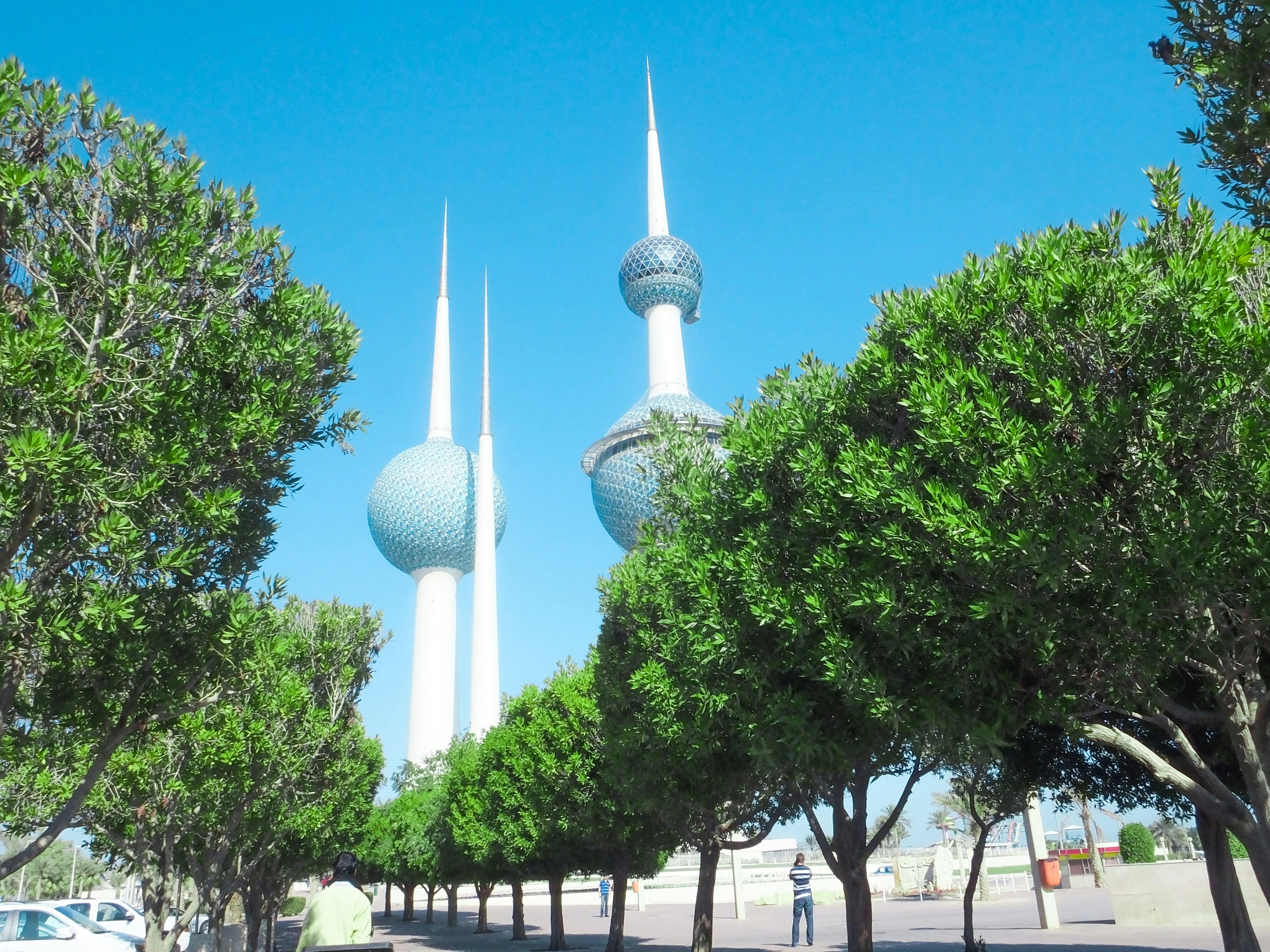
TL;DR: Essential Kuwait Culture, Etiquette, and Dos and Don’ts
Kuwait culture is warm, family-oriented, and deeply influenced by Islamic values, so respectful dress, polite greetings, and avoiding public displays of affection go a long way for visitors. In practice, a few simple Kuwait etiquette rules—like saying salaam, dressing modestly, and asking before taking photos—will keep your trip smooth.
Think of Kuwait as a place where traditions meet modern life: shopping malls sit alongside old souqs, and skyscrapers rise near centuries-old mosques. As a traveller, your role is to blend in respectfully. That means observing Kuwait customs around prayer times, being mindful of conservative social norms, and understanding that hospitality is genuine but also guided by clear boundaries.
Key Kuwait dos and donts are simple:
- Do dress modestly (shoulders and knees covered), especially in religious or government areas.
- Do greet people warmly and use basic Arabic phrases.
- Don’t drink alcohol (it’s completely banned) or appear intoxicated in public.
- Don’t criticize the ruling family, religion, or local politics.
Kuwait hosted over 5 million visitors in 2024 according to Kuwait’s Tourism Sector reports, reflecting its growing profile as a Gulf stopover and business hub. With that many international visitors, locals are used to foreigners—but they appreciate travellers who make a little effort with language, attire, and behavior.
Staying connected helps you navigate prayer times, public holiday closures, and local transport. An eSIM from Hello lets you land in Kuwait with mobile data ready, so you can use maps, translation apps, and Hello’s expense tracking tools from day one without hunting for a physical SIM.
Greeting Customs, Local Phrases, and Everyday Kuwait Etiquette
The key to everyday Kuwait etiquette is greeting people respectfully—using “As-salamu alaykum” and modest body language—while recognizing that men and women often interact more formally in public spaces. If you start with a warm salaam and a smile, you’re already following core Kuwait customs.
Greetings in Kuwait are important social rituals. Among men, a handshake plus “As-salamu alaykum” (peace be upon you) is standard, with “Wa alaykum as-salam” as the reply. Between men and women who don’t know each other, avoid initiating physical contact; a nod, hand over heart, and verbal greeting is safest unless the other person clearly offers a handshake.
Useful phrases to learn:
- As-salamu alaykum – Peace be upon you (hello)
- Shukran – Thank you
- Min fadlak / Min fadlik – Please (to a man / woman)
- Afwan – You’re welcome / excuse me
- Kam al-saa? – What time is it?
Everyday Kuwait dos and donts:
- Do use titles and last names in business or formal settings (e.g., “Mr. Al-Sabah”).
- Do accept offers of coffee or tea; hospitality is a cornerstone of Kuwait culture.
- Don’t sit with the soles of your feet pointing directly at someone; it’s considered rude.
- Don’t interrupt during prayer times—shops may pause, and staff might step away.
Kuwait’s population is about 4.6 million, with roughly 70% expatriates, according to 2025 government statistics. That diversity means English is widely understood, especially in Kuwait City malls and offices, but using a few Arabic phrases signals respect and often earns a warmer welcome.
For navigating greetings and local customs in real time, many travellers rely on translation apps and map searches. With Hello’s eSIM connectivity active on arrival, you can quickly look up phrases, mosque locations, and prayer times while staying within your data budget.
Dress Codes, Religious Sites, and Photography Rules in Kuwait
In Kuwait, modest dress—covering shoulders, chest, and knees—is expected in public, with stricter standards at mosques and government buildings, while photography is fine in most tourist areas as long as you avoid military sites, government facilities, and close-up shots of people without permission.
Kuwait is more relaxed than some neighbors but still conservative by Western standards. In shopping malls and restaurants, you’ll see a mix of traditional clothing (dishdasha for men, abaya for women) and Western styles. As a visitor:
- Men: Lightweight trousers or long shorts below the knee, t-shirts or shirts with sleeves.
- Women: Dresses or skirts below the knee; tops that aren’t low-cut and cover shoulders. A headscarf is not mandatory but appreciated in religious contexts.
At mosques and religious sites:
- Shoulders, arms, and legs should be fully covered.
- Women are often asked to wear an abaya or loose outer garment; some mosques provide these.
- Shoes are removed before entering prayer halls.
Photography dos and donts:
- Do ask before photographing people, especially families and women.
- Do check for “no photos” signs in malls, museums, and governmental areas.
- Don’t photograph airports’ secure perimeters, military installations, or government buildings; local law treats this seriously and can involve fines or questioning.
Kuwait’s Ministry of Interior periodically reminds citizens and visitors not to photograph sensitive sites, especially during heightened security periods. As of 2026, penalties can include confiscation of devices or legal action in serious cases.
A practical tip: keep a lightweight scarf or shawl in your day bag and dress one notch more conservative than you think you need. Using Hello’s budget tracking, you can log clothing purchases—like a 10–15 KWD modest dress in a Kuwait City mall (around $33–50 in 2026)—to keep an eye on your spending.
Business Etiquette, Meetings, and Gift-Giving Customs in Kuwait
Kuwait business etiquette blends formal titles, punctuality, and relationship-building over coffee, while gift-giving is modest and symbolic—think quality sweets or branded items rather than lavish presents—always offered and received with the right hand or both hands.
Kuwait is a major oil and finance hub, with GDP per capita among the world’s top 30 according to World Bank estimates for 2025. Business culture reflects this: professional, globally oriented, but rooted in local values.
Key business etiquette points:
- Meetings often start with small talk—family, travel, general wellbeing—before getting to agenda items.
- Punctuality is appreciated, though meetings may start a little late; be ready for flexible schedules.
- Dress code is formal: suits for men, conservative business attire for women.
- Decisions can be hierarchical; patience and respect for seniority matter.
Gift-giving customs:
- Gifts are not required for first meetings, but small items from your home country are welcome later: branded notebooks, quality chocolates, or regional specialties.
- Avoid alcohol, pork products, or anything suggestive.
- Present gifts with your right hand or both hands; they may be opened later, not in front of you.
Typical business lunch costs around 8–15 KWD per person in 2026 (approximately $26–50), in venues like Kuwait City’s high-end hotels or office-district cafés. Many deals and relationships are strengthened over these meals.
Comparison of social vs business etiquette:
| Aspect | Social Visits in Kuwait Homes | Business Meetings in Kuwait City |
|---|---|---|
| Dress code | Smart casual, modest | Formal, conservative |
| Punctuality | Flexible, especially with close friends | Important but sometimes relaxed |
| Greeting style | Warm, possibly multiple handshakes | Formal handshake, use titles |
| Gift expectations | Often bring sweets or dates | Optional, small corporate gifts |
Using Hello’s expense splitting feature, you can easily divide business lunch costs among colleagues, even if one pays in KWD and another reimburses in USD or EUR, thanks to automatic exchange rate conversion.
Holidays, Prayer Times, and How Kuwaiti Customs Shape Daily Life
Major Kuwait holidays like Ramadan, Eid, and National Day significantly shape daily life, affecting shop hours, traffic patterns, and social norms—so travellers should plan itineraries around prayer times, evening gatherings, and occasional business closures.
Kuwait is an Islamic country, and daily rhythms pivot around the five prayer times, called from mosques across the city. You’ll hear the adhan (call to prayer) echoing around dawn, midday, mid-afternoon, sunset, and evening. Businesses don’t fully shut down for each prayer, but staff may step away; government offices and banks often have shorter hours than Western visitors expect.
Key holidays affecting travel:
- Ramadan (date shifts annually): Muslims fast from dawn to sunset. Many restaurants are closed during daytime but bustling at night. Eating or drinking in public before sunset is considered disrespectful.
- Eid al-Fitr: Celebrates the end of Ramadan; family visits and feasts, some businesses close for a few days.
- Eid al-Adha: Commemorates the story of Ibrahim (Abraham); includes prayers and family gatherings.
- National Day (25 February) and Liberation Day (26 February): Parades, flags, and crowded public spaces.
Kuwait’s Public Authority for Civil Information reports that during peak holiday periods, traffic and mall footfall can increase by over 30% compared with normal weeks. Hotel prices and flight demand also rise, so booking early helps.
For travellers, the best approach is flexibility: plan sightseeing earlier in the day during hotter months, then enjoy cooler evenings in places like Souq Al-Mubarakiya. With Hello eSIM for Kuwait, you can monitor prayer times, rideshare demand, and last-minute restaurant reservations from your phone without hunting for Wi‑Fi.
Money, Tipping, and Everyday Practical Dos and Don’ts in Kuwait
Day-to-day Kuwait dos and donts center on cash vs card payments, light tipping, and respectful behavior in malls and public spaces—most transactions are card-friendly, but keeping small notes and avoiding loud or overly affectionate behavior in public will help you blend in.
The Kuwaiti dinar (KWD) is one of the world’s strongest currencies; 1 KWD is around $3.25 in early 2026 according to central bank averages. As a visitor, you’ll mostly pay by card in malls, hotels, and chain cafés, while smaller shops and taxis may prefer cash.
Typical everyday costs in Kuwait (2026):
- Mid-range meal in a mall food court: 4–7 KWD ($13–23)
- Coffee in a café: 1.5–2.5 KWD ($5–8)
- Taxi ride within Kuwait City: 2–6 KWD depending on distance ($7–20)
Tipping etiquette:
- Restaurants: 10% service charge is often included; adding 5–10% for good service is appreciated but not mandatory.
- Taxis: Not required; rounding up to the nearest half dinar is common.
- Hotel staff: 1–2 KWD for bell staff or housekeeping for extended stays.
Everyday behavioral dos and donts:
- Do queue patiently and respect personal space in lines.
- Do dress modestly in malls—even though you’ll see a mix of styles.
- Don’t show strong public displays of affection; hand-holding between married couples is generally fine, anything more is frowned upon.
- Don’t chew gum loudly or speak aggressively; calm tones are valued.
Hello’s budget tracking and AI receipt scanning make it easy to log these daily expenses. Snap a photo of your restaurant bill in any language or currency, let Hello auto-categorize it, and you’ll quickly see how your Kuwait costs compare with trips to destinations like Japan or Thailand.
Common Questions About Kuwait Culture, Etiquette, and Travel Customs
Most common questions about Kuwait culture focus on what to wear, how to behave in public, and whether Kuwait is safe and welcoming for visitors—and the answer is reassuring: dress modestly, be polite, and you’ll find Kuwait both safe and genuinely hospitable.
Q: Is Kuwait safe for tourists?
Yes. Kuwait has low violent crime rates, and most visitors experience a very safe environment, especially in Kuwait City and main coastal areas. Usual urban cautions apply (watch belongings, use licensed taxis), but overall safety compares favorably with many European capitals.
Q: What should women wear in Kuwait?
Women don’t need to wear hijab or abaya, but modest clothing is expected: dresses or trousers covering the knees, tops covering shoulders and cleavage. In mosques, women may be asked to wear an abaya or loose outer layer; many travellers carry a light scarf just in case.
Q: Can I drink alcohol in Kuwait?
No. Alcohol is completely banned—there are no legal bars or liquor stores, and being caught with alcohol can lead to serious legal consequences. This is one of the most important Kuwait customs to respect.
Q: How do I stay connected in Kuwait?
Most malls, cafés, and hotels offer Wi‑Fi, but coverage can be patchy. Many travellers prefer an eSIM from Hello to have immediate mobile data on landing, using Hello for navigation, messaging, and expense tracking without visiting a phone shop.
Q: Are there any topics I should avoid in conversation?
Yes. Avoid criticizing Islam, the ruling family, or regional politics. Sensitive jokes or social media posts can cause real trouble in the Gulf. Keeping conversations positive—food, travel, sports, technology—is usually best.
Q: Is English widely spoken?
In Kuwait City’s commercial areas, yes. Staff in hotels, malls, and major restaurants often speak English, while Arabic dominates in local neighborhoods. Learning a few phrases shows respect and helps you navigate more confidently.
Explore These Destinations
Stay Connected
Make the most of Kuwait
From eSIM connectivity to expense tracking, Hello is the all-in-one companion that keeps your trip stress-free.
Related Articles
Kuwait Currency & Money Guide: Exchange, Cards, and Tips
Currency exchange, credit card acceptance, ATM tips, tipping culture, and money-saving advice for Kuwait.
27 July 2026
Kuwait Safety Guide: Tips for a Safe Trip
Safety tips, health advisories, emergency contacts, common scams, and travel insurance advice for Kuwait.
19 July 2026
Kuwait Visa & Entry Requirements for Singapore Passport Holders
Visa requirements, passport validity, customs allowances, and entry tips for Singapore citizens travelling to Kuwait.
10 July 2026