Kosovo Cultural Guide: Etiquette, Customs, and Tips
Essential do's and don'ts, greeting customs, dress codes, local phrases, and cultural tips for Kosovo.
By Hello Travel Team
TL;DR: Essential Kosovo Cultural Dos and Don’ts
Kosovo culture blends warm Balkan hospitality with Muslim, Albanian, and European influences, so basic respect, modest dress in religious sites, and simple greetings like "Mirëdita" (good day) go a long way. Learn a few phrases, ask before taking photos, and follow local etiquette for smooth, friendly interactions.
If you remember three things about Kosovo etiquette—shake hands and make eye contact, dress modestly in mosques and churches, and avoid political debates—you’ll already be doing better than most visitors. Kosovo’s majority Albanian population is famously welcoming, and a bit of cultural awareness is usually rewarded with big smiles and strong coffee.
Most daily encounters are relaxed: people may kiss cheeks among friends, invite you for a quick espresso, or insist you try homemade raki. As a traveller, simple politeness and curiosity about Kosovo customs will make you stand out in a good way. Locals appreciate visitors who show interest in their history and traditions, especially as tourism continues to grow—over 1.1 million foreign visitors arrived in 2023, according to Kosovo’s Statistical Agency.
This guide walks through greetings, dress codes, photography rules, business etiquette, holidays, and gift-giving, with practical examples and prices for 2026. Use it as a cheat sheet while planning your trip to Kosovo, and you’ll be ready for coffee invitations, family lunches, and even business meetings with confidence.
Everyday Kosovo Etiquette: Dos and Don’ts for Visitors
Kosovo etiquette is friendly and informal, but you’ll make a great impression by greeting people, dressing neatly, and avoiding sensitive political topics over your first coffee. Think: a firm handshake, respectful curiosity, and a willingness to accept (or at least politely decline) generous hospitality.
Daily Kosovo culture revolves around family, coffee, and conversation. In cities like Pristina and Prizren, people spend hours in cafés and pedestrian streets, and it’s normal for strangers to strike up conversations with visitors. A simple "Tung" (hi) or "Mirëdita" (good day) shows effort and opens doors.
Here are practical Kosovo dos and don’ts:
- Do greet with a handshake, eye contact, and a smile.
- Do accept at least a small coffee or tea if you’re invited; refusing everything can be seen as cold.
- Do dress casually but tidy; athleisure is fine, but avoid very revealing outfits outside nightlife spots.
- Don’t jump straight into detailed discussions on Kosovo–Serbia relations or war memories unless locals invite the topic.
- Don’t criticize religion, language, or ethnic identity—these are deeply personal.
You’ll notice hospitality in action when someone insists on paying your coffee (around €1–€1.50 in 2026 in central Pristina). It’s common for hosts to insist more than once; if you really want to pay, offer on the next round or pick up a small snack instead.
For practical logistics—splitting bills with friends, tracking café spending, or logging cash-only payments—Hello’s budget tracking and expense splitting features help you keep up with Kosovo’s social, café-based lifestyle without awkward money conversations.
Greetings, Local Phrases, and Language Tips in Kosovo
In Kosovo, a warm greeting—usually in Albanian with a handshake and eye contact—is the cornerstone of good etiquette, and learning a few key phrases like "Faleminderit" (thank you) instantly improves everyday interactions. English is widely spoken in cities, but local words show respect.
The majority language is Albanian, with Serbian used in some areas; many young people speak English, especially in Pristina, where universities and NGOs attract international visitors. According to Kosovo’s education statistics, over half of urban youth study at least one foreign language, often English or German.
Useful phrases for travellers:
- Tung / Tungjatjeta – Hi / Hello
- Mirëdita – Good day
- Mirëmëngjes – Good morning
- Mirëmbrëma – Good evening
- Faleminderit – Thank you
- Ju lutem – Please
- Po / Jo – Yes / No
- Sa kushton? – How much is it?
- Ku është…? – Where is…?
Etiquette-wise:
- Start with Albanian greetings in Albanian-majority areas; in Serbian-majority areas, "Dobar dan" (good day) in Serbian is appreciated.
- Handshakes are standard on first meeting; cheek kissing is common among friends and relatives, usually two kisses.
- Address older people with respect—using titles like "zotëri" (sir) or "zonja" (madam) plus surname if you know it.
If you’re coordinating meetups, restaurant bookings, or split taxis between Pristina and Prizren, staying connected via an eSIM from Hello makes messaging across languages simple, and you can store these phrases in your notes or the Hello app while using Hello eSIM for Kosovo to stay online.
Dress Codes, Religious Sites, and Photography Rules in Kosovo
Kosovo dress codes are relaxed in cities, but modest clothing is expected at mosques, churches, and monasteries, and you should always ask before photographing religious spaces or people. Casual smart clothing works everywhere; cover shoulders and knees when in doubt.
In daily life, locals wear everything from jeans and sneakers to business suits, especially in Pristina’s offices and cafés. Nightlife can be stylish, but not overly formal. However, Kosovo customs around religious sites are stricter:
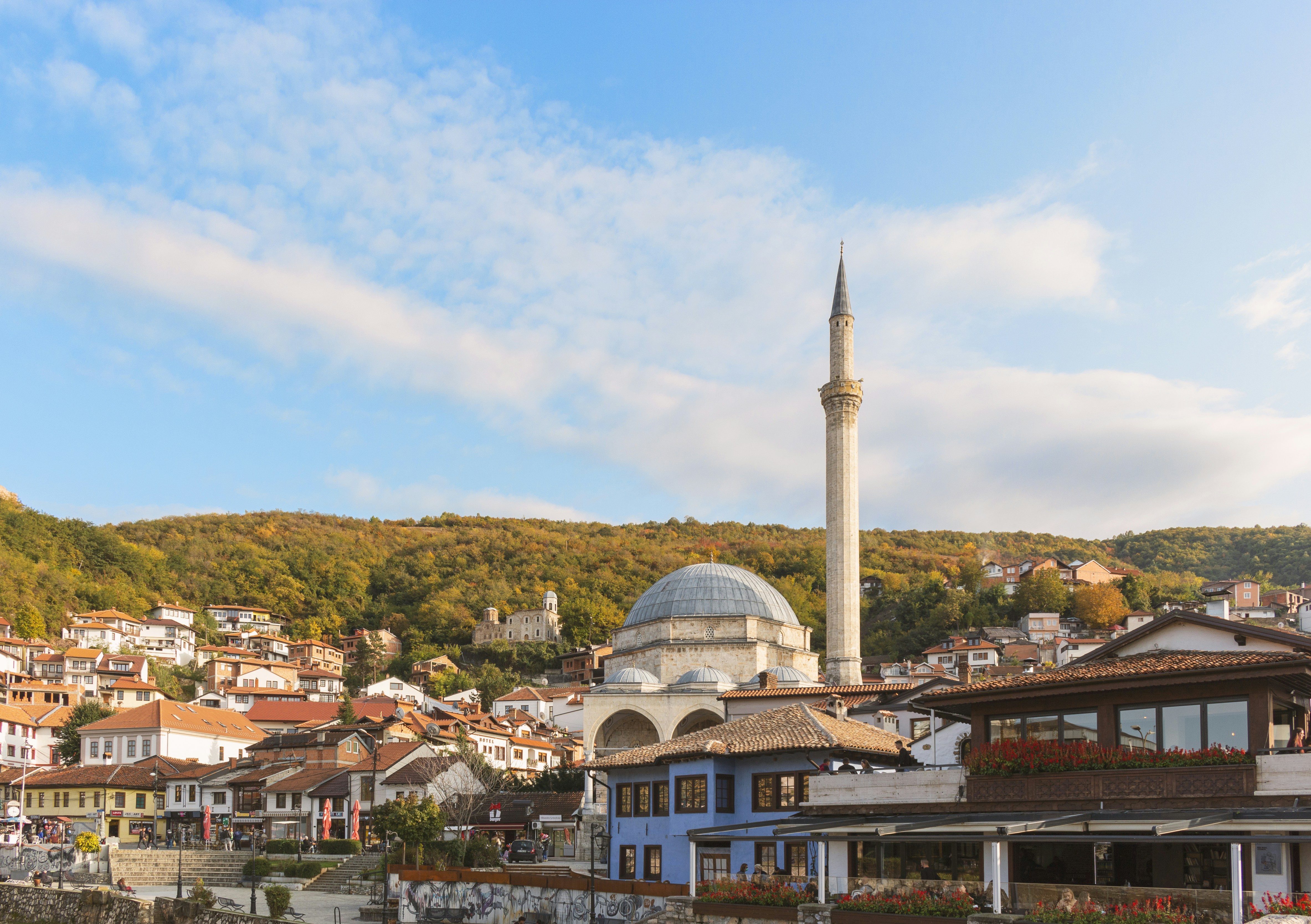
- Mosques (e.g., Çarshi Mosque in Prizren): dress modestly; women should cover shoulders and legs, and may borrow headscarves at entrances. Shoes are removed before entering the prayer hall.
- Orthodox monasteries and churches (such as Visoki Dečani or Gračanica): long trousers for men, skirts below the knee for women, and covered shoulders for all visitors.
Photography etiquette:
- Always look for signs; some monasteries restrict indoor photography for security or religious reasons.
- Ask permission before photographing worshippers, clergy, or private ceremonies.
- Avoid taking close-up photos of military or police installations.
A simple packing rule for 2026: bring at least one lightweight long-sleeve shirt, a scarf or shawl, and long trousers or a midi skirt for cultural visits. This keeps you comfortable in air-conditioned spaces and aligned with local norms.
Here’s a quick comparison:
| Location Type | Dress Expectation | Photo Rules |
|---|---|---|
| City cafés | Casual, neat | Free, ask before close portraits |
| Mosques | Modest, shoulders/legs covered | Often allowed outside, ask inside |
| Churches/Monasteries | Modest, no shorts, shoulders covered | Often limited indoors, obey signs |
| Government buildings | Smart casual | Exterior only; avoid security points |
Business Etiquette, Meetings, and Money Manners in Kosovo
Kosovo business etiquette mixes European formality with Balkan warmth, so punctuality, smart dress, and clear communication matter—but coffee and relationship-building are just as important as contracts. Expect structured meetings, followed by informal conversation in a nearby café.
In Pristina’s growing tech and services sectors, offices operate on a roughly 9:00–17:00 schedule, Monday to Friday, with many businesses closing or reducing hours on major national and religious holidays. According to Kosovo’s Investment and Enterprise Support Agency, SMEs account for over 99% of businesses, so you’ll often meet founders directly rather than large corporate teams.
Key business etiquette points:
- Dress code: business casual to formal—shirts, blouses, blazers, and closed shoes. Jeans are acceptable in creative or tech environments but keep them neat.
- Timing: arrive on time; a 5–10 minute buffer is acceptable, but chronic lateness looks unprofessional.
- Greetings: firm handshake, eye contact, and exchanging business cards; titles (Mr./Ms.) plus surname are appreciated at first.
- Conversation: start with neutral topics (city life, travel, football) before moving to business.
Money and bill etiquette:
- In cafés and restaurants, it’s common for the host or senior person to pay the bill, especially on first meetings.
- A typical business lunch in Pristina in 2026 costs around €8–€15 per person, including a main dish and drink.
- Tipping is appreciated but not mandatory; rounding up or leaving 5–10% in restaurants is polite.
If you’re travelling with colleagues, Hello’s expense splitting and multi-currency tracking makes it easy to divide shared taxi rides from the airport, lunches, and hotel bills, keeping your Kosovo business trip transparent and hassle-free.
Holidays, Gift-Giving Customs, and Visiting Local Homes
Kosovo customs around holidays and gift-giving emphasize family, hospitality, and thoughtful—but not extravagant—presents, so small, high-quality items from your home country or sweets are ideal when visiting someone’s home. Timing your trip around major holidays can shape your experience.
Kosovo celebrates both national and religious holidays. According to official government calendars, key dates include:
- 17 February – Independence Day (public celebrations, concerts, and cultural events across cities)
- 10 June – Constitution Day (official ceremonies, some closures)
- Eid al-Fitr and Eid al-Adha – major Islamic holidays, with family visits and large meals; dates vary by year
On big holidays, many shops and offices close or operate reduced hours, while cafés and restaurants in main cities often remain open. Planning ahead—especially for banking, intercity buses, and government services—helps avoid frustration.
Gift-giving etiquette:
- When invited to a home, bring chocolates, pastries, or a small gift from your country (e.g., local tea, coffee, or a regional specialty).
- Flowers are appropriate, but avoid very expensive or overly personal gifts on a first visit.
- Gifts are usually given with both hands and may be opened either immediately or later, depending on the family.
At home visits, expect strong coffee (often Turkish-style), homemade sweets, and sometimes raki. It’s polite to at least taste what’s offered; refusing everything can be seen as distant. Hosts often prepare more food than needed as a sign of generosity.
Budget-wise, a nice box of chocolates or pastries in Kosovo costs around €4–€8 in 2026, and bringing one when visiting a home or office shows appreciation without being over the top.
Common Questions About Kosovo Culture, Etiquette, and Travel
Kosovo culture is welcoming and easy-going, and most travellers have smooth experiences if they follow basic etiquette: greet people properly, dress modestly for religious sites, ask before taking photos, and stay open to coffee invitations and conversation.
Is Kosovo safe and friendly for tourists?
Yes—Kosovo is generally safe, and locals are notably friendly to visitors. Tourism has grown steadily, with over a million foreign arrivals in recent years, according to Kosovo’s statistics agency, reflecting increasing confidence among travellers. As with any destination, use common sense at night and in crowded areas.
Do people speak English in Kosovo?
In major cities like Pristina and Prizren, many young people and hospitality workers speak English. In rural areas, English may be limited, but basic Albanian or Serbian phrases plus gestures usually work.
What are the biggest cultural dos and don’ts?
Do greet people with a handshake and smile, accept hospitality when possible, and be modest in religious spaces. Don’t make jokes about religion or ethnicity, and avoid pushing political conversations about Kosovo’s status or the 1990s conflicts.
Is tipping expected in Kosovo?
Tipping is appreciated but not strictly expected. In 2026, rounding up bills or leaving 5–10% in restaurants and for taxi drivers is polite and common among tourists, especially in city centres.
How can I stay connected and manage expenses?
Using a Hello eSIM for Kosovo lets you arrive online, book taxis, and navigate, while Hello’s AI-powered expense tracking and splitting helps you keep tabs on café visits, intercity buses (often €5–€10 per ride in 2026), and shared apartment rentals without manual calculations.
Explore These Destinations
Stay Connected
Make the most of Kosovo
From eSIM connectivity to expense tracking, Hello is the all-in-one companion that keeps your trip stress-free.
Related Articles
Kosovo Currency & Money Guide: Exchange, Cards, and Tips
Currency exchange, credit card acceptance, ATM tips, tipping culture, and money-saving advice for Kosovo.
27 July 2026
Kosovo Safety Guide: Tips for a Safe Trip
Safety tips, health advisories, emergency contacts, common scams, and travel insurance advice for Kosovo.
19 July 2026
Kosovo Visa & Entry Requirements for Singapore Passport Holders
Visa requirements, passport validity, customs allowances, and entry tips for Singapore citizens travelling to Kosovo.
10 July 2026