Kosovo Safety Guide: Tips for a Safe Trip
Safety tips, health advisories, emergency contacts, common scams, and travel insurance advice for Kosovo.
By Hello Travel Team
TL;DR: Is Kosovo Safe for Travellers?
Yes—Kosovo is generally safe for most visitors who use normal precautions, although political tensions and occasional unrest make local awareness essential. The main practical concerns are petty theft, traffic, uneven healthcare, demonstrations, and isolated security risks in northern municipalities. Keep valuables discreet, avoid protests, carry travel insurance, and save Kosovo’s emergency number, 112, before departure. The U.S. Department of State advises increased caution because of terrorism-related crime and political violence, while specifically highlighting North Mitrovica, Leposavić, Zubin Potok, and Zvečan as areas where ethnic tensions can cause unrest. Most trips through Pristina, Prizren, Peja, and Kosovo’s mountain regions are incident-free when travellers follow local advice. Download offline maps, keep your accommodation address in Albanian or Serbian, and arrange reliable transport for late-night arrivals. For arrival connectivity, Hello eSIM for Kosovo can provide mobile data without waiting for a local SIM, helping you access maps, translation tools, and emergency information.
Kosovo Travel Safety: Main Risks and How to Stay Secure
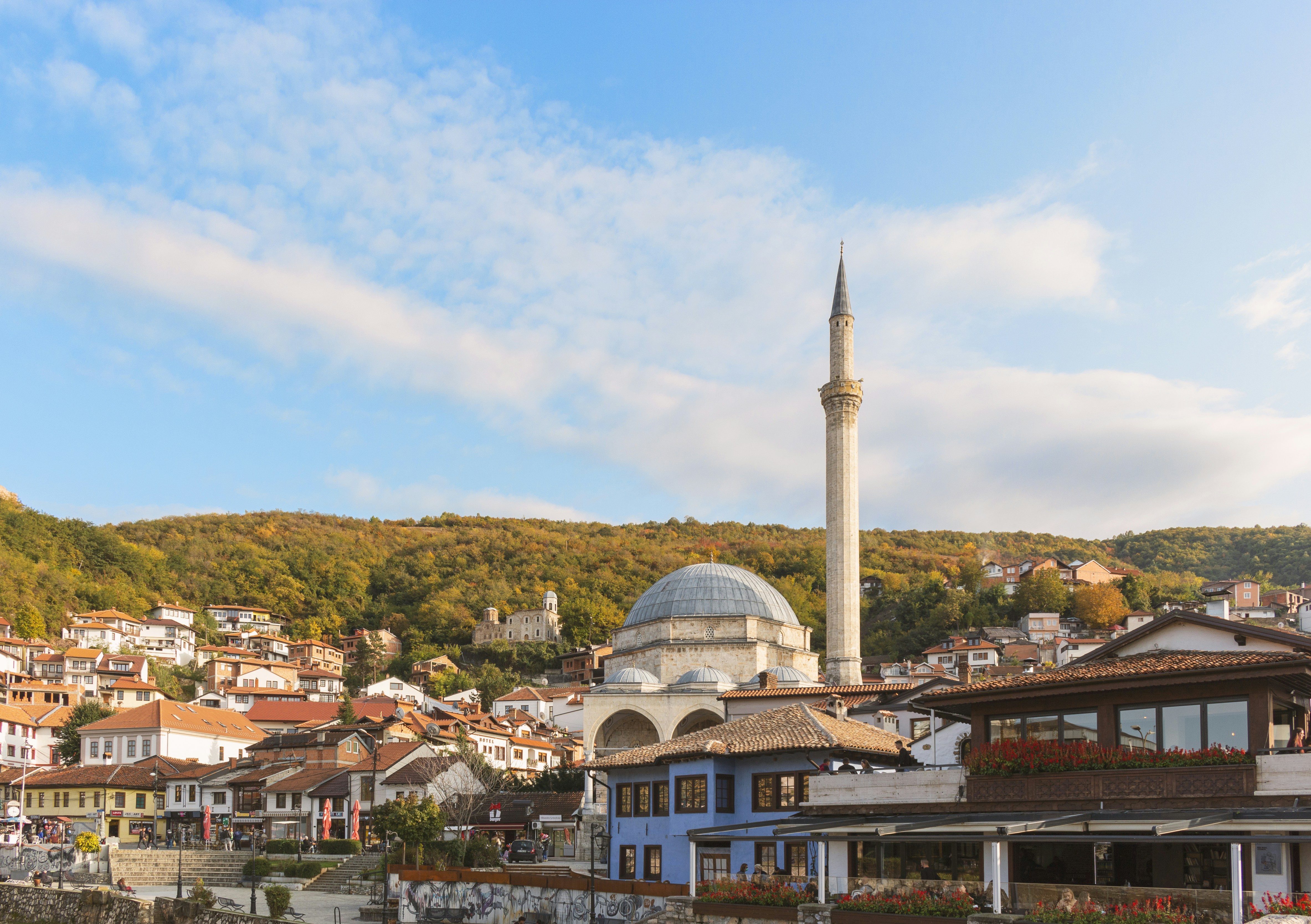
Kosovo travel safety is usually straightforward in popular destinations, but travellers should treat demonstrations, border areas, and northern Kosovo differently from ordinary sightseeing areas. Pristina’s central districts, Prizren’s old town, and Peja’s visitor areas typically feel busy and welcoming; the more significant risk is being caught unexpectedly in a protest or road incident. Avoid demonstrations, political gatherings, military or police installations, and photographing sensitive infrastructure. Check local news before travelling north and do not cross informal roadblocks. Roads can be poorly lit outside cities, and aggressive overtaking is common, so use reputable taxis or pre-arranged transfers after dark rather than accepting unsolicited rides. Keep passports, phones, and wallets secure in crowded buses, markets, and nightlife areas. Kosovo scams are more likely to involve overcharging than sophisticated fraud: confirm taxi fares before departure, check restaurant bills, count change, and use ATMs attached to banks. Avoid unofficial currency exchanges and never hand over your passport as security for a rental or tour. Kosovo uses the euro, which makes budgeting simpler, but card acceptance varies outside larger towns. Hello’s expense tools can scan receipts, track spending in multiple currencies, and split shared costs automatically.
Kosovo Emergency Numbers, Police Help, and Singapore Consular Support
Save Kosovo’s emergency numbers before your trip: dial 112 for the all-services emergency centre, 192 for police, 193 for fire and rescue, and 194 for ambulance. Kosovo’s official emergency-management service describes 112 as a free number available from fixed and mobile phones, with operators directing calls to the appropriate service. English may be available, but describe your location using a landmark, hotel name, municipality, and nearby road rather than relying only on a street address. Ask your accommodation to help if the situation is not immediately life-threatening. Carry a photo of your passport and insurance policy separately from the originals. Kosovo does not have a resident Singapore embassy or high commission. Singapore citizens should verify the latest consular arrangement through Singapore’s Ministry of Foreign Affairs before departure; assistance may be coordinated through Singapore’s diplomatic mission responsible for Kosovo or a nearby Singapore mission in Europe. In a serious emergency, contact the Singapore MFA duty office and register your itinerary if that service is available. Keep your phone charged, maintain mobile data, and share your live location with a trusted contact. Emergency contacts at a glance: | Service | Number | |---|---:| | General emergency | 112 | | Police | 192 | | Fire and rescue | 193 | | Ambulance | 194 |
Kosovo Health Advisories, Vaccinations, Food, and Water Safety
Health preparation for Kosovo should focus on routine vaccinations, rural insect and tick protection, food hygiene, and insurance that covers medical evacuation. Visit a travel clinic at least eight weeks before departure and confirm advice for your itinerary. Ensure routine protection such as measles-mumps-rubella, tetanus, diphtheria, polio, and seasonal influenza is current; a clinician may also discuss hepatitis A, hepatitis B, rabies, or other vaccines depending on rural travel, animal contact, trip length, and personal health. UK travel-health guidance notes that Crimean-Congo haemorrhagic fever is endemic in Kosovo, with historical cases concentrated around Malisheva and possible summer exposure in other rural areas. Use long trousers, closed shoes, insect repellent, and tick checks after hiking. West Nile virus and other mosquito-borne infections can also occur. Tap water quality varies by location and after infrastructure problems. Many visitors use bottled or filtered water, especially in rural areas, and avoid ice or unpasteurised products when hygiene is uncertain. Public healthcare is uneven, with shortages of specialist equipment and medicines reported by official travel advice. Carry prescriptions in original packaging and a basic medical kit. Air pollution can be noticeable in Pristina during winter, so travellers with asthma should monitor conditions and carry medication.
Solo Female and LGBTQ+ Travel Safety in Kosovo
Solo female travellers can visit Kosovo successfully by choosing well-reviewed accommodation, using registered transport, and applying the same urban safety habits used elsewhere in Europe. Dress is generally relaxed in Pristina and tourist districts, while modest clothing is considerate when visiting mosques, churches, monasteries, or rural communities; cover shoulders and knees where requested. Avoid walking alone on poorly lit roads late at night, particularly outside city centres, and arrange airport transfers in advance. Persistent unwanted attention is uncommon but can occur in nightlife settings, so trust your instincts and leave venues where behaviour becomes uncomfortable. LGBTQ+ travellers should understand that Kosovo has legal protections but remains socially conservative in some communities. Public attitudes vary, and visible affection or political activism may attract unwanted attention, especially away from Pristina. Use discretion, choose LGBTQ+-friendly accommodation based on recent reviews, and check current local event guidance before attending public gatherings. Do not assume that every taxi, hotel, or border official will have the same level of familiarity with LGBTQ+ travellers. Keep copies of important documents, avoid sharing your full itinerary publicly, and use a secure messaging app. A reliable Hello eSIM connection can make it easier to contact friends, access maps, translate conversations, and arrange transport if plans change.
Travel Insurance, Scams, and Practical Money Advice for Kosovo
Travel insurance is strongly recommended for Kosovo because medical facilities, medicines, and emergency transport may be limited outside major cities. Choose a policy that covers hospital treatment, private care, medical evacuation, repatriation, trip interruption, theft, and activities such as hiking or skiing if included in your plans. Confirm that the policy covers the entire itinerary, including onward travel through neighbouring countries, and check exclusions related to civil unrest or travelling against government advice. Save the insurer’s emergency number offline and request written confirmation before paying for expensive treatment. Common Kosovo scams are usually preventable: agree taxi prices in advance, check menus for currency and service charges, pay by card where practical, and count change. Keep a small amount of cash for bakeries, buses, rural guesthouses, and public toilets, but avoid displaying large notes. ATM fees and exchange rates vary, so decline unnecessary dynamic currency conversion when your bank offers a better rate. A mid-range restaurant meal may cost roughly €8–€18 per person in 2026, while coffee is often around €1–€2; prices rise in central Pristina and tourist venues. Hello’s AI receipt scanning and automatic exchange-rate tracking can help record expenses, while its splitting feature handles shared bills across multiple currencies.
Common Questions About Is Kosovo Safe?
Kosovo is safe for most tourists when they avoid political demonstrations, use ordinary anti-theft precautions, and check conditions before visiting northern municipalities. Here are concise answers to common Kosovo safety questions.
Is Kosovo safe for solo travel? Generally yes, especially in Pristina, Prizren, Peja, and established hiking destinations. Use reputable accommodation and transport, avoid isolated walks after dark, and share your plans.
Is Kosovo safe for families? Usually, although road safety and medical access deserve attention. Use child car seats where possible, supervise children near busy roads, and carry familiar medicines.
What are the Kosovo emergency numbers? Dial 112 for general emergencies, 192 for police, 193 for fire and rescue, and 194 for ambulance.
Can you drink tap water in Kosovo? Standards vary by location and local conditions. Bottled or filtered water is the cautious choice, particularly outside major cities or after service interruptions.
Are Kosovo scams common? Serious tourist scams are not usually the defining risk. More common problems include taxi overcharging, inflated bills, unofficial currency exchange, and pickpocketing in crowded places.
Is Kosovo safe for LGBTQ+ travellers? Legal protections exist, but social acceptance varies. Discretion, current local advice, and careful choice of accommodation are sensible.
Do Singaporeans need an embassy in Kosovo? Kosovo has no resident Singapore embassy; verify the current responsible mission and Singapore MFA emergency contacts before travelling.
Explore These Destinations
Stay Connected
Ready for Kosovo?
eSIM data, expense splitting, budget tracking, and more. Everything you need for a smooth trip in one app.
Related Articles
Kosovo Currency & Money Guide: Exchange, Cards, and Tips
Currency exchange, credit card acceptance, ATM tips, tipping culture, and money-saving advice for Kosovo.
27 July 2026
Kosovo Visa & Entry Requirements for Singapore Passport Holders
Visa requirements, passport validity, customs allowances, and entry tips for Singapore citizens travelling to Kosovo.
10 July 2026
eSIM for Kosovo: Best Plans, Coverage, and Setup Tips
Everything you need to know about using eSIM in Kosovo. Best data plans, network coverage, and setup instructions.
1 July 2026