Israel Cultural Guide: Etiquette, Customs, and Tips
Essential do's and don'ts, greeting customs, dress codes, local phrases, and cultural tips for Israel.
By Hello Travel Team
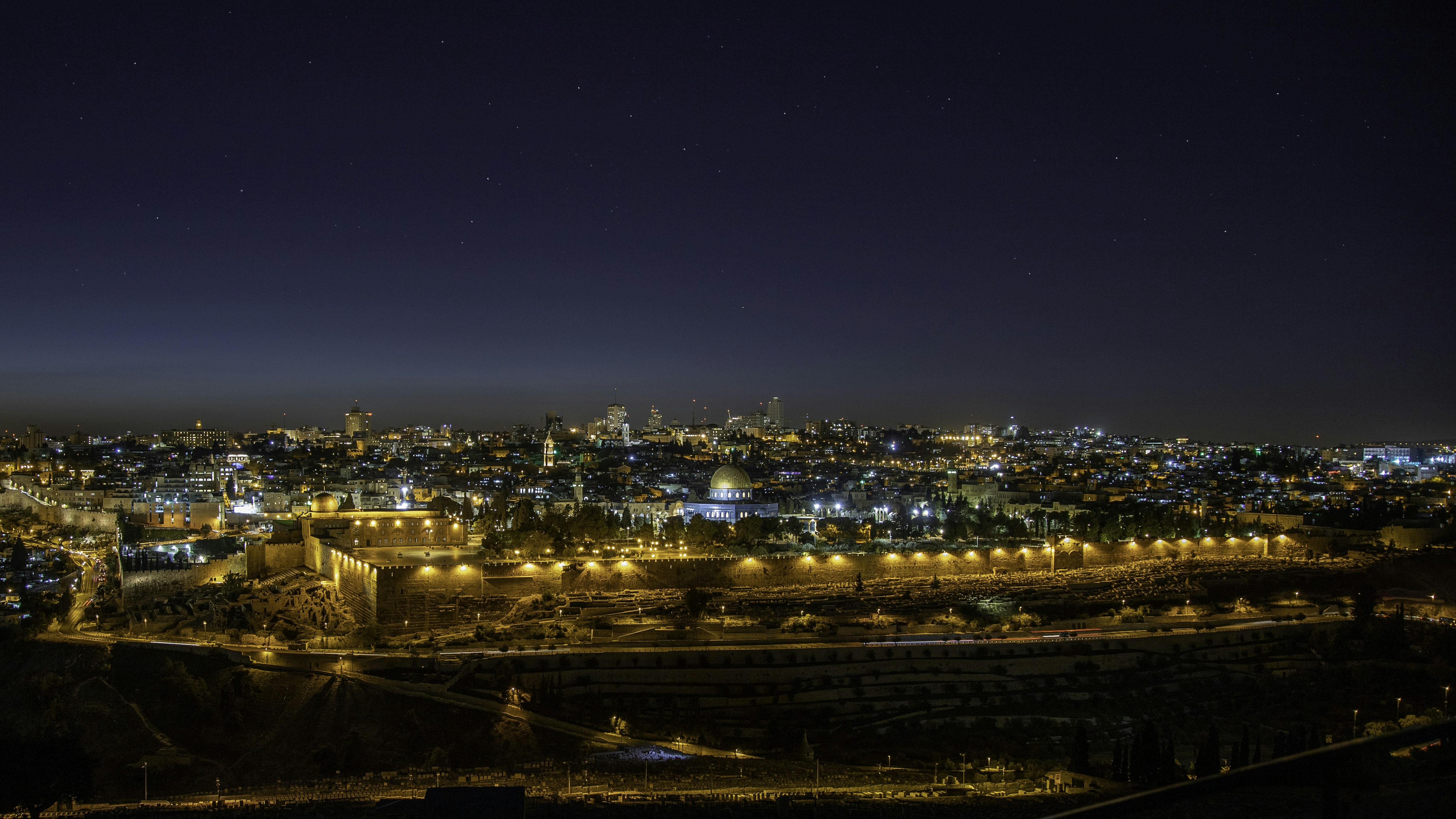
TL;DR: Israel Culture, Etiquette, and Essential Do’s and Don’ts
Israel’s culture blends deep religious tradition with casual, modern day-to-day life, so respectful dress, direct communication, and awareness of holidays will take you far. Learn basic Hebrew greetings, follow modest dress codes at religious sites, and plan around major holidays like Shabbat and Yom Kippur.
Israel can feel both familiar and unfamiliar: you’ll meet friendly locals, strong opinions, and a rhythm shaped by sacred times, military service, and Mediterranean lifestyle. To navigate smoothly, think modest but relaxed, direct but polite, and curious but considerate.
A few quick do’s and don’ts:
- Do say “Shalom” and “Toda” (thanks) – simple Hebrew goes a long way.
- Do dress modestly in Jerusalem’s Old City, synagogues, and mosques.
- Do expect many businesses to close from Friday evening to Saturday night for Shabbat.
- Don’t photograph people at prayer or soldiers at checkpoints without asking.
- Don’t assume everyone shares the same beliefs; Israel is religiously and politically diverse.
According to Israel’s Ministry of Tourism, the country welcomed over 3 million tourists in 2023 after the pandemic downturn, and numbers were rising again in early 2024, especially to Jerusalem, Tel Aviv, and the Dead Sea. That means more visitors encountering these cultural nuances at the same time.
If you’re planning ahead, using the Hello app for trip budgeting and expense tracking helps you stay on top of costs like taxis (typically ₪20–40 in cities in 2026) and meals (₪60–120 per person for mid-range dinners in 2026), so you can focus on experiencing Israel’s culture respectfully.
Understanding Everyday Israel Culture: Direct, Diverse, and Informal
Everyday Israel culture feels informal and direct, shaped by diverse communities and mandatory military service; expect strong opinions, quick conversations, and a mix of secular and religious lifestyles side by side in cities like Tel Aviv and Jerusalem.
Israelis are known for dugri, a Hebrew term meaning straight-talking or blunt honesty. People often speak frankly, interrupt without malice, and get to the point fast – it’s not rudeness, it’s cultural efficiency. At the same time, hospitality is strong: it’s common to be offered coffee, tea, or a seat while chatting.
You’ll encounter great diversity: Jewish communities (secular, traditional, Orthodox, ultra-Orthodox), Arab Israelis (Muslim, Christian, Druze), and international residents all shape daily life. Tel Aviv leans liberal and beach-focused, while Jerusalem is more conservative and deeply religious in many neighborhoods.
A few practical cultural tips:
- Expect queues at bus stops, but boarding can feel more like a surge than an orderly line.
- Public displays of affection are fine in secular areas but tone it down near religious sites.
- Loud conversation is normal; don’t mistake volume for anger.
According to Israel’s Central Bureau of Statistics, around 74% of Israel’s residents are Jewish, about 21% are Arab, and the remainder are classified as “other,” highlighting this mix of identities.
For visitors, this means being flexible and observant: watch how people behave in each area and mirror the level of formality. Budget-wise, plan around urban prices: coffee is usually ₪10–18 and simple street food like falafel runs about ₪20–30 in 2026.
Greeting Customs, Local Phrases, and Communication Etiquette
Greeting etiquette in Israel is simple and warm: use “Shalom” or “Hi,” offer a firm handshake in formal settings, and adopt a casual tone unless you’re in religious or very traditional circles. Basic Hebrew phrases show respect and help break the ice quickly.
In most urban settings, people switch between Hebrew and English easily, especially in tourism areas. A few useful Hebrew basics:
- Shalom – hello / peace
- Toda – thank you
- Toda raba – thank you very much
- Bevakasha – please / you’re welcome
- Sababa – cool / okay (slang)
In Arabic-speaking communities, “Salam” for hello and “Shukran” for thank you are appreciated. English is widely understood in Tel Aviv, Jerusalem, and at major sites, but using local phrases is a simple way to show interest in Israel customs.
General etiquette:
- Handshakes are standard in business or first-time meetings; close friends may hug or kiss on the cheek.
- Address religious Jews with a respectful “Shalom” and avoid overly familiar physical contact.
- When meeting someone observant, avoid offering a handshake across genders unless they initiate.
Israelis often communicate directly: short, clear questions and answers are preferred over long, indirect phrasing. Don’t be surprised if someone corrects you, offers strong opinions, or asks personal questions (like where you’re from or what you do) early in conversation.
Learning greetings before you land is easy if you’re using the Hello app on the flight: you can store phrase lists and track any language learning app subscriptions in your trip budget so you know exactly how much you’re spending.
Dress Codes, Religious Sites, and Photography Rules in Israel
Dress etiquette in Israel is casual for everyday life but strictly modest at religious sites; pack light, comfortable clothes for cities and beaches, plus long pants/skirts and covered shoulders for synagogues, churches, and mosques where rules are enforced.
In Tel Aviv, shorts, sundresses, and beachwear are common, especially along the Mediterranean coastline and places like Gordon Beach. In Jerusalem, particularly in the Old City and ultra-Orthodox neighborhoods like Mea She’arim, dress more conservatively: covered shoulders, knee-length or longer skirts/shorts, and avoiding tight or revealing clothing.
Many religious sites provide clear guidelines:
- At the Western Wall (Kotel), men are expected to cover their heads (kippah provided), and women should wear modest clothing.
- Churches (e.g., Church of the Holy Sepulchre) and mosques (e.g., Al-Aqsa compound) require covered shoulders and knees; sometimes head coverings are recommended.
Photography etiquette is equally important:
- Avoid photographing people at prayer or in mourning without explicit permission.
- Do not photograph security installations, checkpoints, or military personnel; this can draw unwanted attention and may be restricted.
- In markets and religious neighborhoods, ask before shooting close-up portraits.
Here’s a quick comparison:
| Location / Context | Typical Dress Code |
|---|---|
| Tel Aviv beaches | Swimsuits, shorts, sandals |
| Jerusalem Old City | Modest, covered shoulders and knees |
| Synagogues & churches | Smart casual, modest, head coverings as needed |
| Ultra-Orthodox areas | Very modest; avoid shorts and tank tops |
With a Hello eSIM for Israel, you can quickly check site-specific rules, opening times, and live updates, avoiding wasted trips or inappropriate clothing mishaps.
Business Etiquette, Meetings, and Professional Israel Customs
Business etiquette in Israel combines informality with efficiency: meetings start with small talk but quickly move to direct negotiation, and hierarchy is flatter than in many countries, so expect people at all levels to voice opinions openly.
In most industries, first names are used quickly and the dress code is business casual: men in button-down shirts and chinos, women in smart dresses or trousers. More conservative sectors (finance, law) may lean towards full business attire. Punctuality is valued, especially in formal meetings, even if social gatherings start a bit late.
Key points of business etiquette:
- Direct communication: Israelis appreciate straightforward proposals and clear numbers rather than vague talk.
- Debate culture: disagreement is normal; robust discussion is a sign of engagement, not hostility.
- Informal atmosphere: you may see colleagues eating together, using WhatsApp during the day, or mixing personal conversation with work.
Gift-giving in business settings is not mandatory but small, thoughtful items from your home country (local specialty, branded notebook) are welcome, preferably without lavish spending to avoid awkwardness.
According to Israel’s Ministry of Economy, the country has a high concentration of startups, especially in Tel Aviv’s tech ecosystem, which reinforces casual dress and quick decision-making. As of 2026, coworking spaces in Tel Aviv often charge around ₪800–1,200 per month for a flexible desk, reflecting strong demand.
If you’re sharing costs on business trips, the Hello app’s expense splitting and AI receipt scanning in any currency makes it easy to divide taxi fares, client dinners (often ₪150–250 per person in 2026 at mid-range restaurants), and coworking fees among colleagues.
Holidays, Shabbat, and Israel Do’s and Don’ts That Affect Your Trip
Major religious holidays and the weekly Shabbat strongly shape Israel’s rhythm, so smart travellers plan around closures, limited transport, and more crowded religious sites while respecting local customs and avoiding unnecessary stress.
Shabbat (the Jewish Sabbath) runs from Friday evening until Saturday night. In many cities, public transport slows or stops, and numerous shops and restaurants close, especially in Jerusalem and smaller towns. Tel Aviv remains more active, but you’ll still notice changes.
Important Jewish holidays that can affect travel plans include:
- Yom Kippur: the Day of Atonement; roads are largely empty, and even secular Israelis avoid driving.
- Rosh Hashanah: Jewish New Year; many businesses close or operate shorter hours.
- Passover (Pesach): some restaurants adjust menus for kosher restrictions; prices and crowds can rise.
According to Israel’s Ministry of Tourism, holiday periods see spikes in domestic travel, with hotel occupancy rising significantly in Jerusalem and Eilat, which can push prices up by 20–30% compared with off-peak weeks.
Core do’s and don’ts:
- Do check holiday dates and book accommodation early for peak religious periods.
- Do avoid playing loud music or driving through ultra-Orthodox neighborhoods on Shabbat.
- Don’t schedule important business meetings on major religious holidays.
- Don’t eat or drink visibly near fasting worshippers on Yom Kippur.
To keep on top of costs during busy seasons, use the Hello app’s budget tracking to separate holiday surcharges (like hotel rates and special festival meals, which can reach ₪200–300 per person in 2026) from your everyday spending.
Common Questions About Israel Etiquette, Customs, and Local Tips
Most common etiquette questions about Israel revolve around tipping, dress codes, safety, and cultural sensitivity; the short answer is: tip around 10–12%, dress modestly at religious sites, follow local guidance on security, and keep conversations respectful of religious and political diversity.
Q: Do I need to tip in Israel?
Yes, tipping is customary in restaurants and cafés. Around 10–12% is standard when service is good; some locals add more for excellent service. For taxis, rounding up a few shekels is appreciated but not mandatory.
Q: Is Israel safe for tourists?
Major tourist areas like Tel Aviv, Jerusalem, and the Dead Sea have strong security presence. Follow official advisories and local instructions, especially near borders or during periods of tension. According to recent tourism data, millions still visit annually despite geopolitical concerns.
Q: What are the main Israel dos and don’ts for conversation?
Do be open and honest; don’t assume everyone shares the same political or religious stance. If sensitive topics arise (conflict, religion), listen more than you speak and avoid sweeping generalizations.
Q: How should I stay connected and manage costs?
Using an eSIM from Hello lets you arrive with data ready to go, so you can check public transport updates, security advisories, and local customs in real time. The Hello app’s multi-currency tracking and AI receipt scanning help you control expenses like intercity buses (usually ₪20–60 in 2026) and museum tickets (often ₪40–70).
Explore These Destinations
Stay Connected
Make the most of Israel
From eSIM connectivity to expense tracking, Hello is the all-in-one companion that keeps your trip stress-free.
Related Articles
Israel Currency & Money Guide: Exchange, Cards, and Tips
Currency exchange, credit card acceptance, ATM tips, tipping culture, and money-saving advice for Israel.
27 July 2026
Israel Safety Guide: Tips for a Safe Trip
Safety tips, health advisories, emergency contacts, common scams, and travel insurance advice for Israel.
18 July 2026
Israel Visa & Entry Requirements for Singapore Passport Holders
Visa requirements, passport validity, customs allowances, and entry tips for Singapore citizens travelling to Israel.
9 July 2026