Israel Safety Guide: Tips for a Safe Trip
Safety tips, health advisories, emergency contacts, common scams, and travel insurance advice for Israel.
By Hello Travel Team
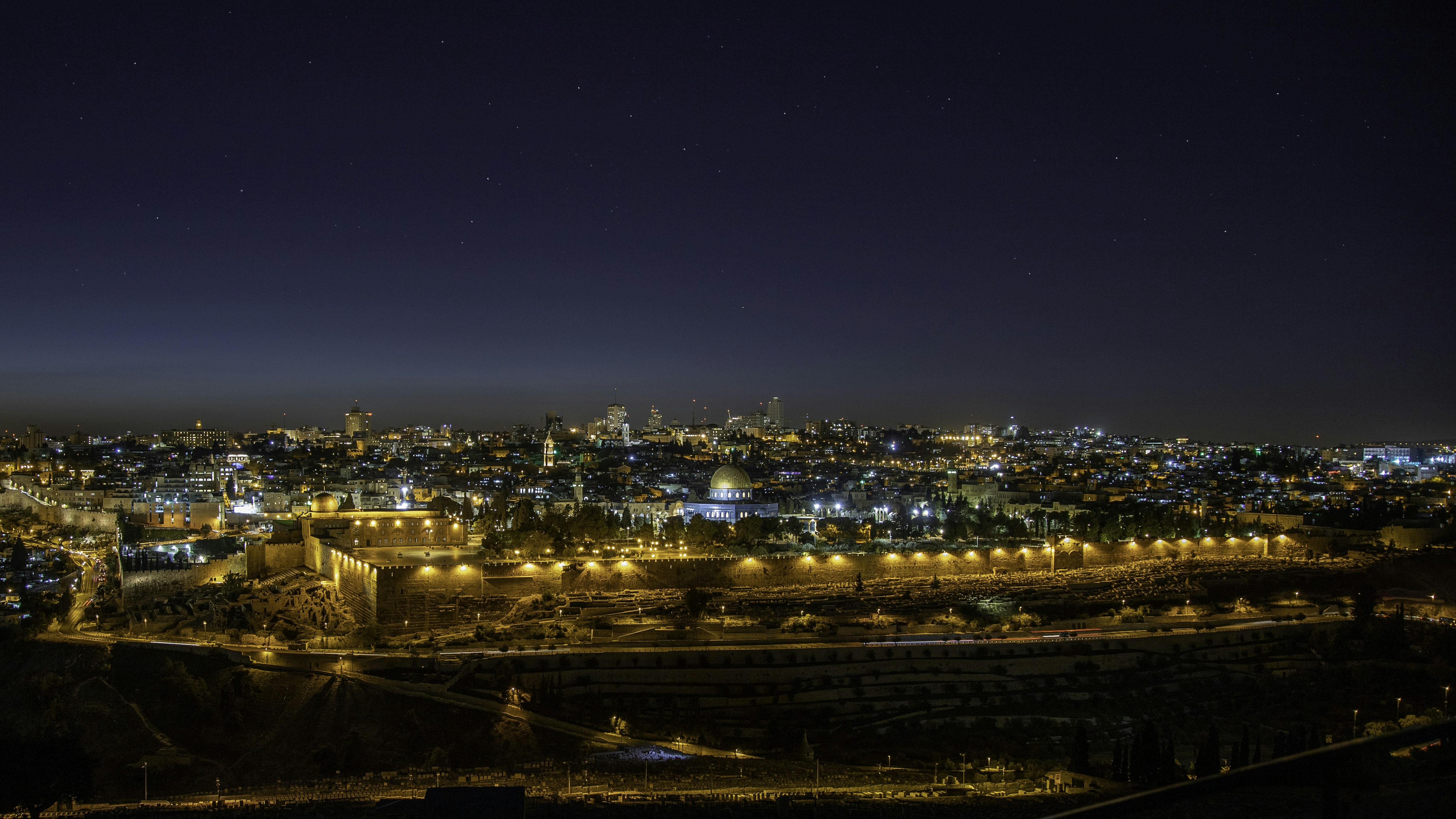
Israel Safety Guide: TL;DR for a Safe Trip
Israel can be visited safely when you monitor official advisories, avoid restricted areas, follow local security instructions, and carry comprehensive travel insurance. However, the security situation can change quickly: recent international guidance has advised travellers to reconsider travel because of terrorism and unrest, with higher risks in particular areas. Check Singapore’s Ministry of Foreign Affairs and Israeli Home Front Command updates immediately before departure and throughout your trip.\n\nFor emergencies, remember Israel’s key numbers: 100 for police, 101 for Magen David Adom ambulance, 102 for fire and rescue, and 104 for Home Front Command. Keep your passport, insurance details, medication list, and emergency contacts accessible. In cities such as Tel Aviv, Jerusalem, and Haifa, everyday precautions against pickpocketing, overcharging, heat, and traffic are usually more relevant than crime, but demonstrations and sudden security incidents require flexibility.
Is Israel Safe? Current Risks and Practical Israel Travel Safety
Israel is not uniformly unsafe, but travellers should treat security as a changing, location-specific risk rather than relying on a single national safety rating. The U.S. State Department has listed Israel at Level 3, “Reconsider Travel,” citing terrorism and unrest, while UK advice warns against travel to some areas and against all but essential travel to others. These warnings can change, so review official guidance before booking and again before travelling.\n\nAvoid Gaza, areas near the Lebanese and Syrian borders, and any location covered by a current government warning. Do not enter military zones, photograph security installations, or approach demonstrations. In Jerusalem, tensions can rise quickly around the Old City, religious sites, and major political events. In Tel Aviv and other cities, follow police instructions and leave crowded areas if an alert, protest, or suspicious object appears.\n\nIf a siren sounds, go indoors immediately, use a designated shelter where available, stay away from windows, and wait for official instructions. Install the Israeli Home Front Command app if supported on your phone, keep your device charged, and save offline accommodation details. Hello’s travel app can add practical resilience with an eSIM for 200+ countries, including Hello eSIM for Israel, so you can access maps, alerts, translation, and transport information after landing.
Israel Emergency Numbers, Consular Help, and What to Do in a Crisis
Save Israel’s emergency numbers before arrival and contact Singapore’s diplomatic mission promptly if you lose your passport, are detained, or need urgent consular assistance. Israel uses separate three-digit services: dial 100 for police, 101 for Magen David Adom ambulance, 102 for fire and rescue, and 104 for Home Front Command. The Israeli government’s tourist emergency guidance also recommends moving to a safe place or shelter when a siren sounds.\n\nWhen calling, state your exact location, nearby landmark, nature of the emergency, and callback number. Ask hotel staff, hosts, or a local bystander to help if language is a barrier. For a missing passport, report the loss to police and contact the Embassy of the Republic of Singapore in Tel Aviv through Singapore’s Ministry of Foreign Affairs for current after-hours instructions. Register your itinerary with MFA’s eRegister and keep digital and paper copies of your passport, insurance policy, prescriptions, and flight details.\n\n| Situation | Number or action |\n|---|---|\n| Police | 100 |\n| Ambulance, Magen David Adom | 101 |\n| Fire and rescue | 102 |\n| Home Front Command alerts | 104 |\n| Singapore consular assistance | Contact the Singapore Embassy in Tel Aviv via MFA’s official travel-advisory page |\n\nBeware of scammers impersonating Singapore MFA officers; verify unexpected requests for money through official channels.
Israel Scams, Theft, Transport, and Local Customs to Know
Most visitor problems involve opportunistic overcharging, distraction theft, or transport confusion, and they are manageable when prices and arrangements are confirmed before payment. In markets and tourist districts, ask whether a price is in Israeli new shekels, check the bill before paying, and use a card or small notes where practical. In Jerusalem’s Old City and busy transport hubs, keep phones and wallets in closed front pockets and be cautious if strangers create a distraction.\n\nCommon Israel scams and prevention steps include:\n- Unofficial taxis: Use a licensed taxi, confirm the meter, or agree on the fare before departure. Ride-hailing availability and airport-transfer rules can vary.\n- Market overcharging: Compare prices at several stalls, particularly for souvenirs, jewellery, and religious items; decline firmly and walk away.\n- Card and ATM fraud: Use bank-affiliated ATMs, shield your PIN, and review notifications.\n- Fake donations or tours: Ask for identification and a written price before handing over cash.\n- Ticket confusion: Buy intercity, museum, and attraction tickets from official websites or staffed counters.\n\nRespect Shabbat customs: many businesses and public transport services close from Friday afternoon until Saturday evening, particularly in Jewish areas. Dress modestly at religious sites, cover shoulders and knees when requested, and avoid photographing people or security facilities without permission. Budget roughly ₪40–80 for a casual meal and ₪15–25 for a short urban bus or light-rail journey, with prices varying by city and operator.
Israel Health Advisories, Vaccinations, Food, and Water Safety
Arrange a travel-health consultation several weeks before departure, stay current with routine vaccines, and use extra care with heat, food, animals, and hydration. Israel’s Ministry of Health advises travellers to consult a travel clinic and, where possible, begin vaccinations at least six weeks before departure. The CDC recommends Hepatitis A for unvaccinated travellers and highlights Hepatitis B and polio considerations; recommendations depend on itinerary, health history, and trip duration.\n\nAsk a doctor about routine immunisations, Hepatitis A, Hepatitis B, polio, rabies, and any vaccines relevant to hiking, rural travel, or close contact with animals. CDC guidance notes reported rabies in dogs and jackals, so avoid unfamiliar animals; wash any bite or scratch immediately and seek medical help.\n\nTap water in Israel is generally treated and drinkable, including in major cities, although taste and mineral content can vary. Use sealed bottled water if local advice, accommodation conditions, or personal health needs make that preferable. Prevent heat illness by carrying water, wearing sun protection, and avoiding strenuous walks during the hottest afternoon hours, especially around the Dead Sea and desert sites. Eat hot food that is well cooked, wash produce, and carry prescription medicines in original packaging with a copy of your prescription. Travel insurance should cover medical treatment, evacuation, trip interruption, and security-related changes—not just baggage loss.
Solo Female and LGBTQ+ Travel Safety in Israel
Solo women and LGBTQ+ travellers can enjoy Israel, especially in established tourist areas, by combining ordinary city precautions with sensitivity to local religious and political differences. Tel Aviv is widely known for its open nightlife and LGBTQ+ visibility, while Jerusalem and some ultra-Orthodox neighbourhoods are more conservative. LGBTQ+ travellers should check current local conditions, avoid public displays of affection where tensions are high, and choose accommodation with recent, inclusive reviews.\n\nSolo female travellers should use licensed taxis or reputable transport, share itineraries with a trusted contact, and avoid isolated beaches, trails, and nightlife areas late at night. Watch drinks in bars, keep control of your phone and passport, and leave immediately if a situation feels uncomfortable. In religious neighbourhoods and sacred sites, wear clothing that covers shoulders and knees; some locations may request additional covering or separate access arrangements.\n\nUse well-lit routes, keep emergency contacts pinned in your phone, and carry a small power bank. Download maps for offline use and keep mobile data available for translation, ride details, alerts, and location sharing. Hello supports travel planning, live connectivity through Hello eSIM, and shared expense tracking—useful when friends are splitting accommodation, taxis, or meals in shekels and other currencies. Connectivity is a convenience, not a substitute for checking official alerts or following evacuation instructions.
Common Questions About Israel Travel Safety
The safest approach is informed and flexible: check official advice, avoid restricted areas, insure the trip properly, and adapt plans if conditions change. These answers address common questions travellers ask when researching whether Israel is safe.\n\nIs Israel safe for tourists right now?\nSafety depends heavily on the date and destination. Check Singapore MFA, Israeli authorities, and your insurer immediately before departure; do not assume that conditions in Tel Aviv apply to border regions, the West Bank, or Gaza.\n\nWhat are Israel’s emergency numbers?\nCall 100 police, 101 ambulance, 102 fire and rescue, and 104 Home Front Command. Save them offline and ask locals for help if you cannot communicate clearly.\n\nShould I buy travel insurance for Israel?\nYes. Choose a policy that explicitly covers medical care, emergency evacuation, cancellation, trip interruption, terrorism or civil unrest where available, and destination-specific exclusions. Government warnings may invalidate some claims, so read the wording before paying.\n\nCan I drink tap water in Israel?\nTreated tap water is generally available in cities. Bottled water may be more comfortable in hot weather or remote areas, and extra caution is sensible for travellers with sensitive stomachs.\n\nIs Israel suitable for solo or LGBTQ+ travellers?\nYes, with location-aware planning. Tel Aviv is generally more liberal, while religious areas require conservative dress and behaviour. Always prioritise current local guidance over assumptions.
Explore These Destinations
Stay Connected
Ready for Israel?
eSIM data, expense splitting, budget tracking, and more. Everything you need for a smooth trip in one app.
Related Articles
Israel Currency & Money Guide: Exchange, Cards, and Tips
Currency exchange, credit card acceptance, ATM tips, tipping culture, and money-saving advice for Israel.
27 July 2026
Israel Visa & Entry Requirements for Singapore Passport Holders
Visa requirements, passport validity, customs allowances, and entry tips for Singapore citizens travelling to Israel.
9 July 2026
eSIM for Israel: Best Plans, Coverage, and Setup Tips
Everything you need to know about using eSIM in Israel. Best data plans, network coverage, and setup instructions.
30 June 2026