Israel in 5 Days: The Perfect Extended Itinerary
A detailed 5-day itinerary for Israel with daily activities, costs, neighborhoods, and transport tips for an extended stay.
By Hello Travel Team
- 1
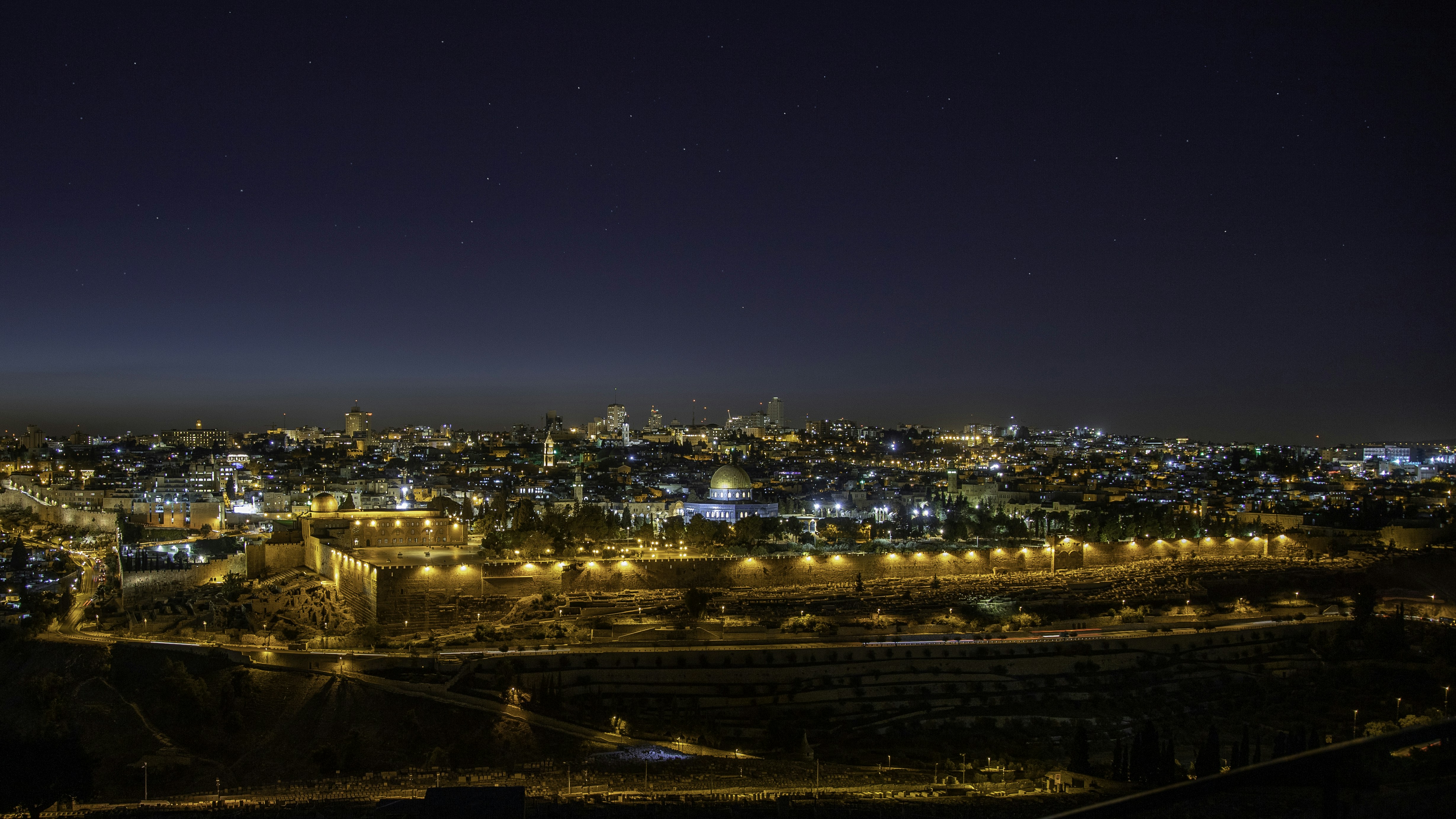
Arrival, Machane Yehuda, and Jerusalem Old City
- Morning or early afternoonAirport transfer to Jerusalem~$25
- AfternoonMachane Yehuda Market and Nachlaot~$15
- Late afternoonWestern Wall, Jaffa Gate, and Christian Quarter
- EveningJerusalem dinner~$25
City CenterNachlaotOld CityTrain and local connections from Ben Gurion generally cost about $7-$10; shared shuttles cost about $20-$25 and taxis approximately $80-$100.
Budget$100Mid-range$190Luxury$450 - 2
Jerusalem Sacred Sites, Museums, and Neighborhood Walks
- MorningTemple Mount area or Old City guided walk~$40
- AfternoonHummus or market lunch~$15
- AfternoonIsrael Museum or Yad Vashem~$15
- EveningMishkenot Sha’ananim and German Colony dinner~$35
Old CityMishkenot Sha’ananimGerman ColonyJerusalem bus and light-rail rides generally cost about ₪8; walking is practical between many central landmarks.
Budget$85Mid-range$180Luxury$400 - 3
Masada and Dead Sea Excursion
- Early morningTravel to Masada~$40
- MorningMasada National Park and cable car~$30
- AfternoonDead Sea beach or resort visit~$20
- EveningReturn to Jerusalem and dinner~$30
Judean DesertDead SeaJerusalem City CenterPublic buses are cheaper but require careful scheduling; small-group tours commonly cost about $90-$170, while private excursions cost substantially more.
Budget$150Mid-range$280Luxury$600 - 4
Jerusalem to Tel Aviv, Jaffa, and the Mediterranean
- MorningTrain from Jerusalem to Tel Aviv~$8
- Late morningCarmel Market and lunch~$18
- AfternoonNeve Tzedek and Old Jaffa~$8
- EveningBeach promenade and dinner~$40
Neve TzedekCarmel MarketOld JaffaBeachfrontThe Jerusalem-Tel Aviv train generally costs about $7-$9 and takes roughly 30-40 minutes; local rides are commonly around ₪8.
Budget$95Mid-range$220Luxury$500 - 5
Tel Aviv Bauhaus, Markets, and Departure
- MorningBreakfast at Levinsky Market or Florentin~$15
- Late morningWhite City and Bauhaus walk~$25
- AfternoonBeach, museum, or Dizengoff shopping~$20
- Late afternoon or eveningAirport transfer~$16
FlorentinLevinsky MarketWhite CityDizengoffThe train to Ben Gurion Airport commonly costs about ₪11-16; allow at least three hours before an international flight and check the latest airport procedures.
Budget$70Mid-range$160Luxury$350
Trip Summary
Trip starter
Turn this 5-day itinerary into a Hello trip
Start with a prefilled trip for Israel, then add dates, invite friends, track expenses, and pick an eSIM before you land.
Name and destination carried into the app.
Split costs and settle up during the trip.
Choose data for the destination before departure.
TL;DR: The Best Israel 5 Day Itinerary at a Glance
The ideal Israel 5 day itinerary combines three nights in Jerusalem with two nights in Tel Aviv, using Jerusalem’s Old City, the Dead Sea, Masada, Tel Aviv’s markets, Jaffa, and the Mediterranean coast as the main highlights. Expect approximately $450-$800 per person before international flights, depending on accommodation, dining, and tours. This Israel travel plan works best from Sunday to Thursday because public transport is greatly reduced from Friday afternoon through Saturday evening for Shabbat. Keep the itinerary flexible and check current entry, transport, and local safety guidance before departure. A city bus or light-rail ride generally costs about ₪8, while the train between Tel Aviv and Jerusalem is commonly around ₪24-27 each way in 2026. For a smooth trip, stay in central neighborhoods, reserve popular attractions, and use the Hello app to track spending across currencies, split receipts with travel companions, and organize your daily budget.
Day 1: Jerusalem Arrival, Machane Yehuda Market, and the Old City
Spend your first day settling into Jerusalem, then explore its food markets and Old City landmarks before sunset. Arrive in the morning or early afternoon and travel from Ben Gurion Airport to Jerusalem by train and local connection for roughly $7-$10, a shared shuttle for about $20-$25, or a taxi for approximately $80-$100. Check into a hotel around the City Center, Nachlaot, or the German Colony; these areas offer convenient restaurants and straightforward public transport. In the afternoon, walk through Machane Yehuda Market, where budget travellers can assemble a meal of burekas, falafel, hummus, and fresh juice for about $10-$18. Continue through Nachlaot’s quiet lanes toward the Old City. Enter through Jaffa Gate and visit the Western Wall, Christian Quarter, and Church of the Holy Sepulchre; these major sites are generally free, though respectful clothing and quiet behavior are expected. In the evening, eat at a casual Jerusalem restaurant for $18-$30 per person, or choose a chef-led meal for $45-$75. Budget approximately $75-$120 excluding accommodation, mid-range travellers $150-$230, and luxury travellers $350 or more. The Hello app can scan receipts in different currencies and categorize food, taxis, and sightseeing automatically.
Day 2: Jerusalem’s Sacred Sites, Museums, and Neighborhoods
Use day two for Jerusalem’s most meaningful landmarks, combining an early Old City visit with a museum and a relaxed evening in a local neighborhood. Start around 7:30 a.m. at the Temple Mount/Haram al-Sharif area if access is available; opening schedules and entry rules can change, and visitors should dress modestly. Visit the Western Wall tunnels or join a guided Old City walk, commonly costing $30-$80 depending on duration and group size. For lunch, try a hummus restaurant near the Muslim Quarter or Mahane Yehuda for approximately $10-$20. In the afternoon, choose the Israel Museum, the Shrine of the Book, or Yad Vashem. Allow two to three hours and verify current opening days before visiting, particularly around Jewish holidays. Yad Vashem’s main museum is free, while paid museum tickets commonly fall around $10-$20. Finish with a sunset walk around Mishkenot Sha’ananim and the Montefiore Windmill, then dine in the German Colony or First Station. Jerusalem city buses and light rail generally cost about ₪8 per ride; walking is often faster within the Old City. Daily estimates are $60-$100 budget, $130-$220 mid-range, or $300-$500 luxury, excluding your hotel. If travelling as a group, Hello supports multi-currency expense splitting with automatic exchange-rate conversion.
Day 3: Masada and the Dead Sea Day Trip from Jerusalem
The most efficient third day is an early excursion to Masada and the Dead Sea, returning to Jerusalem for a final evening. Leave around 6:30 a.m. on a small-group tour, rental car, or public bus; guided tours often cost approximately $90-$170 per person, while public transport can be cheaper but requires more planning and may not align perfectly with opening times. Masada National Park typically requires an entrance fee plus optional cable-car charges, so budget roughly $20-$35 for the site depending on the services used. Start with the fortress and desert viewpoints before the heat becomes intense, carrying water, sun protection, and sturdy shoes. Continue to a Dead Sea beach or resort area around midday. Expect approximately $10-$25 for entry, depending on the facility, and avoid shaving or swimming immediately after shaving because the salt water can sting intensely. Lunch at a roadside stop or resort generally costs $15-$30. Return to Jerusalem by early evening and enjoy a low-key dinner near the City Center, with shawarma or grilled meat costing about $12-$25 and a sit-down meal $30-$60. Plan $120-$190 budget, $220-$350 mid-range, or $450-$750 luxury for the day. Download maps and tickets before leaving; an eSIM from Hello provides convenient mobile data for navigation, translations, and coordinating pickup times.
Day 4: Travel to Tel Aviv, Jaffa, Carmel Market, and the Beach
Move to Tel Aviv on day four, then spend the afternoon between Carmel Market, Neve Tzedek, Jaffa, and the Mediterranean promenade. Take the direct train from Jerusalem Yitzhak Navon station to Tel Aviv; the journey is roughly 30-40 minutes and commonly costs about ₪24-27, or approximately $7-$9, before the final local connection. Check into a hotel around Rothschild Boulevard, the City Center, Florentin, or the beachfront. In the late morning, explore Carmel Market and nearby Nahalat Binyamin, where a casual breakfast or lunch of sabich, falafel, bourekas, or fresh produce usually costs $8-$18. Walk through Neve Tzedek in the afternoon, then continue south to Old Jaffa for galleries, the clock tower, the flea market, and harbor views. Ride a city bus or light rail for about ₪8, or walk between central sights. In the evening, follow the promenade north toward Gordon Beach and choose a seafood restaurant, modern Israeli bistro, or casual mezze spot. Dinner ranges from $20-$35 at casual restaurants to $50-$90 at upscale venues. Set aside $70-$120 budget, $160-$280 mid-range, or $350-$650 luxury excluding accommodation. Tel Aviv buses, markets, and beach areas are easiest to navigate with live maps and translation, making Hello eSIM a useful addition to your travel setup.
Day 5: Tel Aviv Bauhaus, Markets, and a Flexible Departure
Use the final day for a relaxed Tel Aviv morning, a design-focused walk, and a departure buffer rather than packing in another long excursion. Start with coffee and breakfast in Florentin, Levinsky Market, or the White City area for about $8-$18. Join a Bauhaus walking tour or explore Rothschild Boulevard independently; guided tours often cost $15-$35, while the boulevard, architecture, and public spaces are free. Continue to the Tel Aviv Museum of Art if it matches your interests, allowing two hours and checking the current ticket price and opening schedule before going. Alternatively, spend late morning at the beach or browse independent shops around Dizengoff and Shenkin streets. For lunch, budget $12-$25 for a casual Israeli meal. Leave at least three hours before an international flight when travelling to Ben Gurion Airport, allowing for the train ride, station transfers, and airport procedures. The train from Tel Aviv to the airport is commonly around ₪11-16, while a taxi may cost approximately $45-$70 depending on traffic and pickup location. A practical final-day budget is $45-$85 budget, $100-$180 mid-range, or $250-$450 luxury, excluding accommodation and flights. Use Hello’s budget tracker to compare planned and actual spending, import bank statements, and split shared transport or restaurant bills before returning home.
Israel 5 Day Trip Costs, Neighborhoods, and Transport Comparison
A realistic Israel 5 day trip costs about $450-$800 per person before international airfare, with accommodation creating the largest difference between budget, mid-range, and luxury travel. Prices vary by season, holidays, exchange rates, and availability, so treat the figures below as planning estimates for 2026 rather than fixed quotes. Jerusalem is usually the better base for historic sightseeing, while Tel Aviv offers stronger nightlife, beaches, and contemporary dining. The Jerusalem-Tel Aviv train is usually faster and cheaper than a private taxi, and urban public transport is economical when combined with walking.
Common Questions About an Israel Travel Plan
The best Israel travel plan for five days prioritizes Jerusalem and Tel Aviv, with Masada and the Dead Sea as a carefully timed day trip. These answers cover the questions most travellers ask before booking an Israel itinerary.
Is five days enough for Israel? Yes, if you focus on Jerusalem, Tel Aviv, and one desert excursion. Adding Eilat, Galilee, Haifa, or the Golan Heights would make the schedule rushed.
Should I stay in Jerusalem or Tel Aviv? Stay three nights in Jerusalem and two in Tel Aviv for the itinerary above. Staying in one city is simpler, but you lose time on repeated day trips.
How much money should I budget? Plan about $75-$120 daily for budget travel, $150-$280 for mid-range travel, and $350-$700 or more for luxury travel, excluding flights and accommodation variations.
Can I visit the Dead Sea without a tour? Yes, but public transport takes more coordination and can limit timing. A small-group tour is usually easier for a five-day schedule.
Do I need mobile data? Reliable data helps with train platforms, maps, translation, reservations, and emergency communication. Hello offers eSIM plans for 200+ countries with instant activation, and prices update live in the Hello app and at Hello eSIM for Israel. Buy and activate before departure so your phone can connect when you arrive.
What should I wear? Bring modest clothing for religious areas, comfortable shoes for uneven Old City paving, sun protection, and a light layer for cooler desert or evening conditions.
Explore These Destinations
Stay Connected
Make the most of Israel
From eSIM connectivity to expense tracking, Hello is the all-in-one companion that keeps your trip stress-free.
Related Articles
Israel Currency & Money Guide: Exchange, Cards, and Tips
Currency exchange, credit card acceptance, ATM tips, tipping culture, and money-saving advice for Israel.
27 July 2026
Israel Safety Guide: Tips for a Safe Trip
Safety tips, health advisories, emergency contacts, common scams, and travel insurance advice for Israel.
18 July 2026
Israel Visa & Entry Requirements for Singapore Passport Holders
Visa requirements, passport validity, customs allowances, and entry tips for Singapore citizens travelling to Israel.
9 July 2026