Ireland Travel Budget Guide: Daily Costs and Money Tips
How much does it cost to travel in Ireland? Daily budget breakdowns for budget, mid-range, and luxury travellers.
By Hello Travel Team
This article contains affiliate links. If you book through them, Hello may earn a commission at no additional cost to you. Our editorial recommendations are independent. Learn more.
TL;DR: Ireland Travel Cost by Daily Budget
Ireland travel cost in 2026 typically lands around $79–95 per day for budget travellers, $198–285 for mid-range travellers, and $300+ for luxury trips, excluding flights. If you want a realistic Ireland budget guide, plan on higher costs in Dublin, around major attractions, and during summer, when rooms and car hire rise fastest.
Ireland Daily Expenses Explained: What You’ll Actually Pay in 2026
Ireland daily expenses are driven by accommodation, food, and transport, with pub meals, B&Bs, and intercity travel often taking the biggest share of your budget. Current budget guides put hostel dorms around €30–45, a daily public transport card at about €8, coffee at €3.50, and a pint at around €6–6.50 in 2026. For a rough trip-planning baseline, that means a solo traveller can keep costs low with self-catering and buses, while couples and families often spend less per person by sharing rooms or rental cars. According to multiple 2026 Ireland budget guides, a mid-range traveller should expect the biggest jump once hotel stays and restaurant dinners replace hostels and takeaway meals. A practical rule is to budget extra for Dublin, where central hotels and popular attractions usually cost more than in smaller towns like Killarney, Galway, or Kilkenny. If you’re using Hello while travelling, the app’s budget tracking and expense splitting can make it much easier to monitor daily spend in euros and divide shared costs on the go.
Ireland Travel Cost Breakdown: Budget vs Mid-Range vs Luxury
How much Ireland trip cost depends on how you sleep, eat, and move around the country. For most travellers, the clearest way to plan is by daily style rather than by countrywide average, because Ireland’s costs vary sharply between hostel dorms, boutique hotels, and private tours. The table below uses current 2026 planning ranges drawn from recent Ireland budget guides and cost roundups.
| Traveller type | Daily budget per person | Typical accommodation | Food & drink | Transport & activities |
|---|---|---|---|---|
| Budget | $79–95 | Hostel dorms, simple guesthouses | Pub meals, supermarket breakfasts | Buses, walking, free sights |
| Mid-range | $198–285 | 3-star hotels, B&Bs | Restaurant dinners, café lunches | Rental car share, paid attractions |
| Luxury | $300+ | Premium hotels, castle stays | Fine dining, drinks, private services | Private tours, higher-end transfers |
Budget travellers can often keep daily spend near €70–90 by staying in dorms, using public transport, and choosing free outdoor sights. Mid-range travellers commonly land around €120–150+ when they include hotel nights, a rental car share, and a few paid experiences. Luxury trips rise quickly once you add upscale hotels in Dublin or along the Wild Atlantic Way, private drivers, and premium dining.
Ireland Budget Guide for Accommodation, Food, Transport, and Attractions
Accommodation is usually the biggest line item, while food and local transport are the easiest places to control your Ireland budget. Hostel dorms in Ireland often start around €28–45 per night, while budget hotels generally begin near €95–130 and private hostel rooms can reach €85–120. Food is manageable if you mix pub meals with supermarket breakfasts: recent budget guides suggest €25–35 per day for budget eating and €50–80 per day for mid-range dining, with a pint around €6 and a café breakfast or lunch often in the low teens.
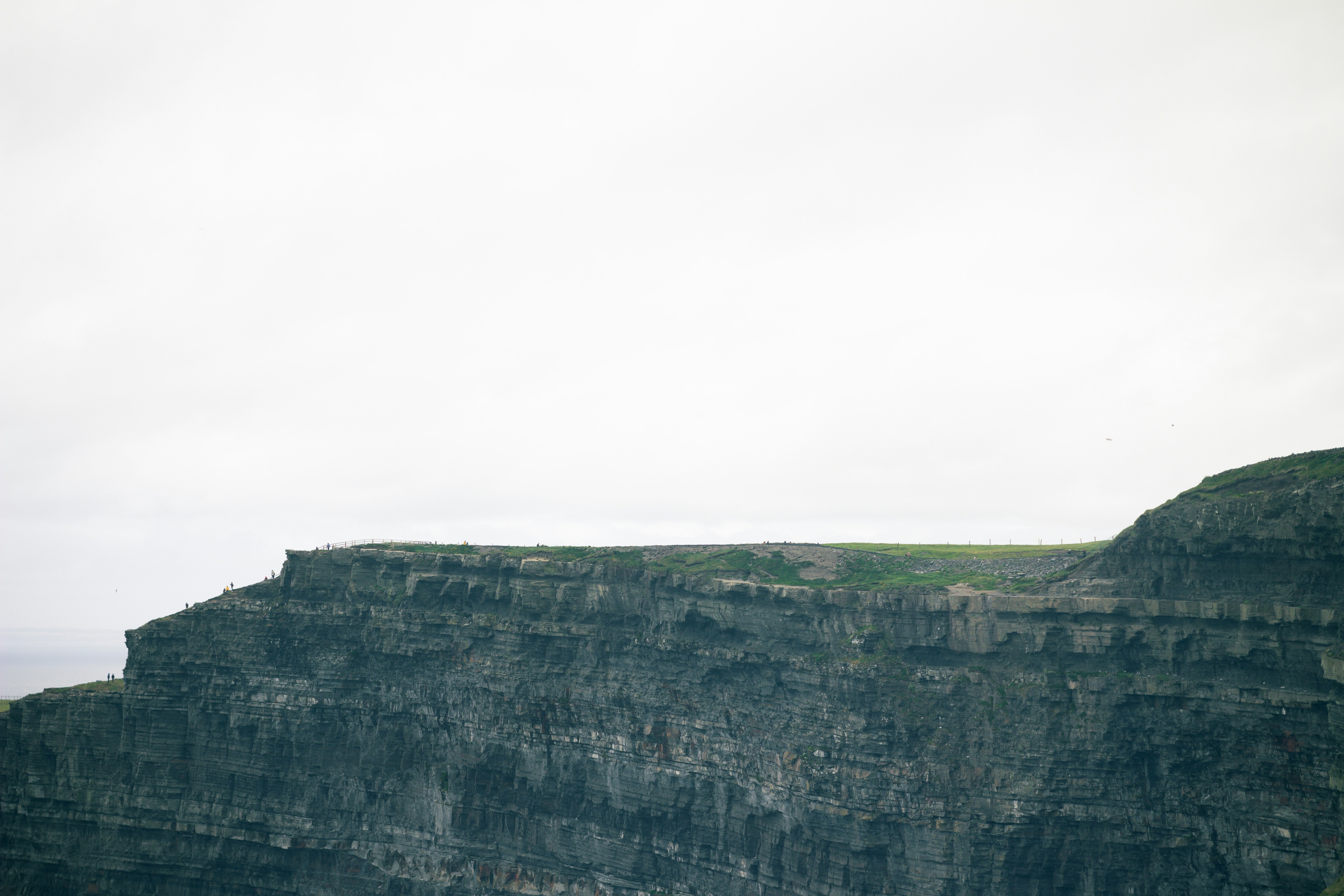
For transport, intercity buses are usually cheaper than trains, while a rental car adds flexibility but also fuel, tolls, and parking. Recent guide data places local transport at around €8 per day and long-distance bus or train rides at €20–40 per trip depending on route and timing. Attractions range widely: many museums are free, while other entries can run €10–20. If you’re trying to stretch your money, focus on free highlights like the Cliffs of Moher viewpoints, Dublin’s parks and historic streets, or scenic drives along the Ring of Kerry.
Money Tips for Ireland: How to Save Without Missing the Experience
The easiest way to save money in Ireland is to book early, travel outside peak summer, and combine a few splurges with plenty of low-cost days. Prices rise fastest from June to August and around major holidays, so shoulder-season trips in spring or autumn often deliver better value. Booking B&Bs or hotels in advance helps in smaller towns, where inventory is limited and last-minute rates can jump sharply.
A few practical ways to cut costs:
- Stay one or two nights in a city, then base yourself in one region to reduce moving costs.
- Choose lunch as your main sit-down meal, because dinner is usually pricier.
- Use supermarkets for breakfast and snacks instead of cafés every day.
- Share a rental car only if your route really needs one; otherwise, buses can be cheaper.
- Take advantage of free museums, coastal walks, and town-centre sightseeing.
If you’re travelling with friends, the Hello app can help keep group expenses fair with expense splitting, multi-currency tracking, and AI receipt scanning, which is especially useful when one person pays for fuel, another books lodging, and someone else covers dinner. For connectivity, an eSIM from Hello lets you arrive with mobile data ready for maps, bookings, and budget checks.
Common Questions About Ireland Travel Cost and Daily Expenses
Most travellers want to know if Ireland is expensive, and the short answer is yes — but it is manageable with the right budget. Recent Ireland cost guides consistently place a lean trip in the $79–95 per day range, a comfortable trip around $198–285 per day, and a luxury trip at $300+ per day. Here are the most common planning questions.
How much should I budget per day in Ireland? Budget around €70–90 for a tight trip, €120–150 for a comfortable mid-range trip, and €300+ for luxury.
Is Dublin more expensive than the rest of Ireland? Yes. Central Dublin usually costs more for hotels, drinks, and popular attractions than smaller cities and rural areas.
What’s the cheapest way to travel in Ireland? Stay in hostels or simple guesthouses, use buses, eat one supermarket meal a day, and focus on free sights.
Should I rent a car? Only if your itinerary includes rural routes, the Wild Atlantic Way, or multiple small towns in one trip. For city-only travel, buses and walking often cost less and reduce parking stress.
How much extra money should I carry? Add a buffer of at least 10–20% for unexpected transport, snacks, entry fees, or weather-driven plan changes, especially if you’re road-tripping or travelling in peak season.
Explore These Destinations
Stay Connected
Book this trip
Compare options on trusted travel sites
Plan flights for this trip
Continue to a reviewed booking partner to check current routes, fares, and terms.

Track your Ireland trip budget
Split expenses with friends, track spending by category, and see real-time currency conversions — all in one app.
Related Articles
Ireland Currency & Money Guide: Exchange, Cards, and Tips
Currency exchange, credit card acceptance, ATM tips, tipping culture, and money-saving advice for Ireland.
27 July 2026
Ireland Safety Guide: Tips for a Safe Trip
Safety tips, health advisories, emergency contacts, common scams, and travel insurance advice for Ireland.
18 July 2026
Ireland Visa & Entry Requirements for Singapore Passport Holders
Visa requirements, passport validity, customs allowances, and entry tips for Singapore citizens travelling to Ireland.
9 July 2026