Iraq Safety Guide: Tips for a Safe Trip
Safety tips, health advisories, emergency contacts, common scams, and travel insurance advice for Iraq.
By Hello Travel Team
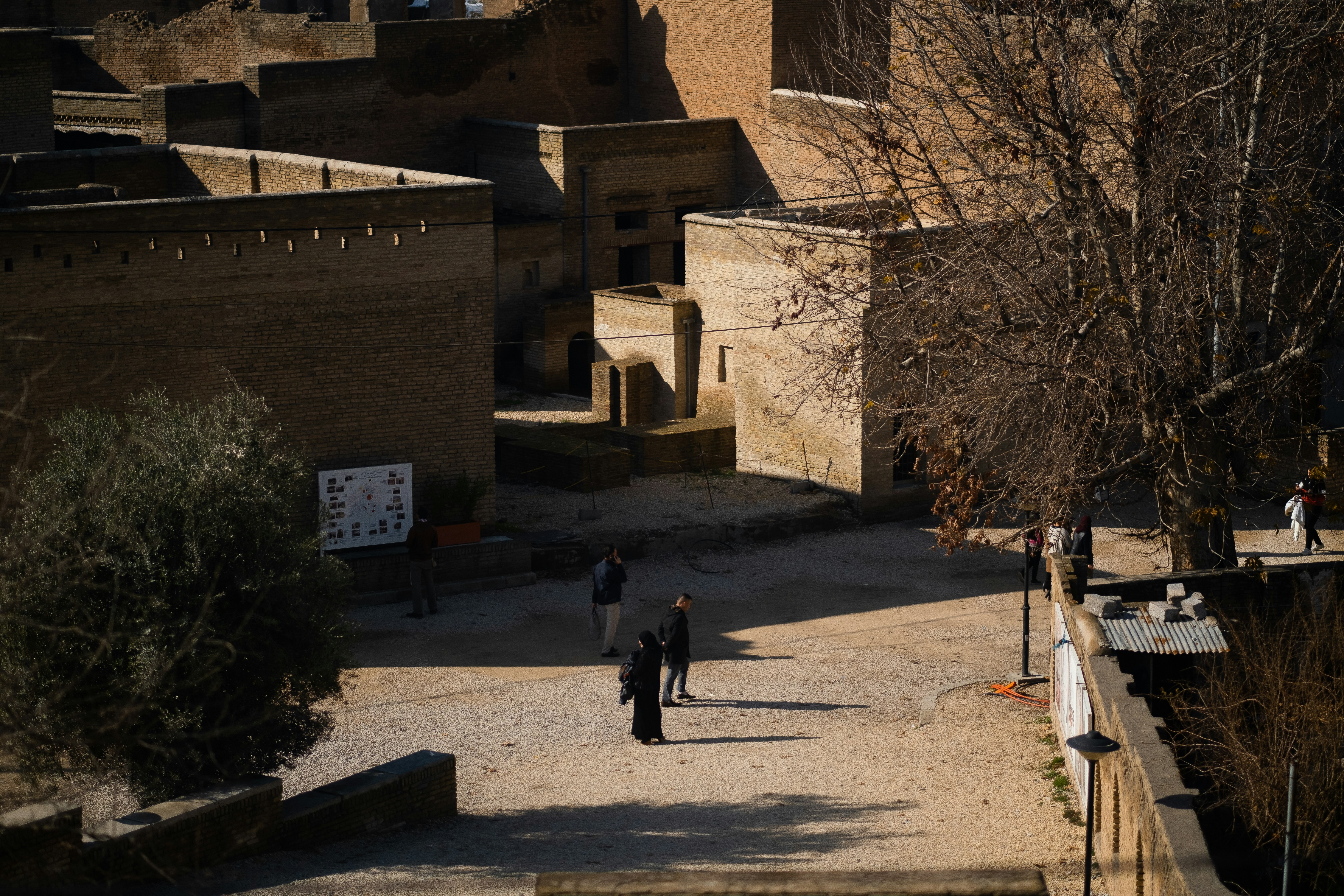
Iraq Safety Guide TL;DR: Is Iraq Safe for Travellers?
Iraq is not broadly considered a safe destination for independent tourism in 2026: Singapore’s Ministry of Foreign Affairs advises Singaporeans to defer travel to Iraq because of the escalating regional security situation, while Australia continues to advise travellers not to go. Conditions vary sharply between Baghdad, southern Iraq and the Kurdistan Region, but terrorism, kidnapping, armed conflict, civil unrest and sudden border or airport closures remain serious risks. Singapore’s Ministry of Foreign Affairs advises Singaporeans to eRegister and notes that Singapore has no diplomatic representation in Iraq. If travel is essential, use a reputable local security-conscious operator, obtain specialist insurance in writing, keep flexible plans, and follow official alerts daily. Carry copies of your passport, avoid demonstrations and military sites, dress conservatively, and never assume that a calmer city is risk-free.
Iraq Travel Safety by Region: Risk Ratings and Essential Precautions
The safest practical approach is to treat Iraq as a high-risk destination requiring professional planning, rather than relying on a simple city-by-city safety label. The Kurdistan Region, including Erbil, Sulaymaniyah and Duhok, is generally more accessible to experienced visitors than many areas farther south, but it still faces risks from regional tensions, terrorism, protests and border changes. Baghdad, Mosul, Kirkuk, Anbar and areas near disputed or international borders require particularly careful, current assessment.
| Area or situation | Practical assessment | Safer approach |
|---|---|---|
| Kurdistan Region | Comparatively calmer, but not risk-free | Use trusted drivers and monitor local alerts |
| Baghdad | High security and political risk | Avoid political gatherings; arrange secure transfers |
| Mosul, Kirkuk and disputed areas | Elevated conflict and infrastructure risks | Travel only with expert, current security advice |
| Borders, military facilities and checkpoints | Highly sensitive | Do not photograph or approach them |
Before departure, check your government’s Iraq advisory, register your itinerary, and share a daily check-in plan. Use hotel-arranged transport after dark, avoid travelling alone between cities, and keep low-profile clothing and luggage. Do not post real-time locations, photograph checkpoints, police, soldiers, government buildings or energy infrastructure, or discuss politics with strangers. A calmer experience in Erbil does not remove the need for contingency planning.
Iraq Scams, Checkpoints and Local Customs: How to Avoid Problems
Most avoidable problems in Iraq come from poor planning, informal transport, photography misunderstandings or unclear prices, so travellers should stay discreet, confirm arrangements in advance and use trusted local contacts. Common Iraq scams include inflated taxi fares, unofficial guides, fake tickets or permits, counterfeit currency, overcharging at checkpoints or markets, and requests for money from people claiming to represent an authority. These may not always be organised fraud, but the result can still be expensive or unsafe.
Agree taxi prices before entering, or ask your hotel to arrange a driver. Count Iraqi dinar carefully, keep small notes, and confirm whether a quoted price is in dinars or US dollars. Avoid exchanging money with street dealers and use reputable banks or exchange offices. Do not hand over your passport except where legally required, and keep a photocopy separately.
Dress modestly, especially around religious sites: cover shoulders and knees, remove shoes when requested, and ask before photographing people. During Ramadan, avoid eating, drinking or smoking openly in daylight in conservative areas. At shrines in Najaf and Karbala, follow separate visitor rules, use designated entrances and expect security screening. If questioned at a checkpoint, remain calm, answer briefly, and let your guide handle local-language explanations.
Iraq Emergency Numbers, Consular Help and Connectivity Planning
Iraq emergency numbers are not uniformly reliable nationwide, so save local contacts before travelling and ask your accommodation which numbers work in its governorate. The US State Department lists 122 for emergency services, while local reporting commonly identifies 104 for police and 115 for fire in some areas; numbers and response capacity can vary, making hotel, driver and private hospital contacts essential. Singapore’s Ministry of Foreign Affairs states that Singapore has no diplomatic representation in Iraq and provides its 24-hour Duty Office at +65 6379 8800 / 8855. Singaporeans should eRegister before travel and confirm the latest regional consular arrangements directly with MFA.
Save these details offline:
- Police: 104 where available; verify locally.
- Ambulance and medical emergencies: 122 where available.
- Fire: 115 in some major cities; verify locally.
- Singapore MFA Duty Office: +65 6379 8800 / 8855.
Mobile data can be valuable when translating, checking alerts, sharing your location and contacting your driver. Buy and activate a Hello eSIM for Iraq before departure where your device and destination coverage support it, then keep a local emergency contact card because connectivity may fail during outages or at remote checkpoints. Download maps and translation packs offline, and carry a power bank.
Iraq Health Advisories, Vaccinations and Food and Water Safety
Travellers should arrange a travel-health consultation at least a month before departure, because Iraq trips may involve limited medical access, heat exposure, food- and water-borne illness, and region-specific disease risks. The CDC recommends routine vaccinations plus hepatitis A for unvaccinated travellers; hepatitis B, typhoid, polio, rabies and other vaccines depend on itinerary, duration and activities. International health guidance also highlights increased Crimean-Congo haemorrhagic fever reports: use insect repellent, wear long sleeves and trousers, and avoid contact with blood, livestock and animal tissues.
Use sealed bottled water, check that caps are intact, and avoid ice unless you know it was made from treated water. Choose busy restaurants where food is cooked thoroughly and served hot. Wash hands frequently, carry oral rehydration salts and pack medicines in original labelled containers. Avoid unpasteurised dairy, raw salads washed with uncertain water, and undercooked meat. In hot months, limit midday activity, drink regularly and use sunscreen.
Travel insurance should explicitly cover emergency evacuation, repatriation, terrorism-related incidents where available, medical treatment, cancellation and high-risk destinations. Many standard policies exclude Iraq or invalidate cover when a government advises against travel. Ask the insurer for written confirmation, check the policy’s security exclusions and retain the 24-hour assistance number. Carry proof of cover, but never assume insurance can guarantee evacuation from a conflict zone.
Solo Female, LGBTQ+ and Independent Traveller Safety in Iraq
Solo female travellers and LGBTQ+ visitors should assume that Iraq requires conservative behaviour, trusted local support and a higher degree of discretion than most conventional tourist destinations. Women may attract attention when travelling alone, particularly outside major urban areas; use reputable hotel transport, avoid isolated streets and public transport after dark, and consider hiring a vetted female guide or travelling with a group. Wear loose clothing covering shoulders and knees, carry a scarf for religious sites, and ask before photographing anyone.
LGBTQ+ travellers face significant legal, social and personal risks, including discrimination, harassment and hostility. Public displays of affection, dating-app meetings and visible discussion of sexuality can create danger. Do not assume that private accommodation or a cosmopolitan neighbourhood provides complete protection. Use a neutral, privacy-conscious profile, avoid sharing identifiable travel details online, and discuss your itinerary confidentially with a specialist adviser before booking.
For all travellers, keep emergency cash separately, use a hotel safe for spare documents, and establish daily check-ins with someone at home. Do not accept unsolicited rides, invitations to private homes or requests to carry packages across checkpoints. If a situation feels uncomfortable, enter a hotel, restaurant or staffed business and contact your driver or security contact rather than confronting anyone.
Common Questions About Iraq Travel Safety
The short answer is that Iraq can be visited only with exceptional preparation, and current official advice should outweigh tourism content, personal anecdotes or a previously uneventful visit.
Is Iraq safe for tourists? Major governments currently advise against or defer non-essential travel because of terrorism, kidnapping, conflict and regional instability. Conditions differ by region, but no area should be treated as risk-free.
Can I travel to Erbil independently? Some experienced travellers visit Erbil with professional planning, but independent travel still carries security, transport and documentation risks. Use a reputable local operator and check the latest Kurdistan-specific advice.
What are the Iraq emergency numbers? 122 is listed for emergency services by the US State Department; 104 for police and 115 for fire may work in some locations. Verify numbers with your hotel because coverage varies.
Should I drink tap water in Iraq? Travellers should choose sealed bottled water and avoid uncertain ice. Carry purification tablets only as a backup, not as a substitute for careful food hygiene.
Does travel insurance cover Iraq? Often not automatically. Obtain written confirmation of medical evacuation, cancellation and security coverage before paying for flights.
Is an eSIM useful in Iraq? An eSIM from Hello can provide planned mobile data for maps, translation and communication, but travellers should download offline resources and keep local contacts because networks can be disrupted.
Explore These Destinations
Stay Connected
Ready for Iraq?
eSIM data, expense splitting, budget tracking, and more. Everything you need for a smooth trip in one app.
Related Articles
Iraq Currency & Money Guide: Exchange, Cards, and Tips
Currency exchange, credit card acceptance, ATM tips, tipping culture, and money-saving advice for Iraq.
27 July 2026
Iraq Visa & Entry Requirements for Singapore Passport Holders
Visa requirements, passport validity, customs allowances, and entry tips for Singapore citizens travelling to Iraq.
9 July 2026
eSIM for Iraq: Best Plans, Coverage, and Setup Tips
Everything you need to know about using eSIM in Iraq. Best data plans, network coverage, and setup instructions.
30 June 2026